When your heart races before a big meeting, or you lie awake at 3 a.m. replaying every mistake from the day, your body isn’t just stressed-it’s screaming for relief. Prescription meds help some, but many people are turning to something simpler, quieter, and older than modern medicine: scent. Aromatherapy for anxiety isn’t a trend. It’s a practice rooted in centuries of use, and today, science is catching up.
How Scent Connects to Your Nervous System
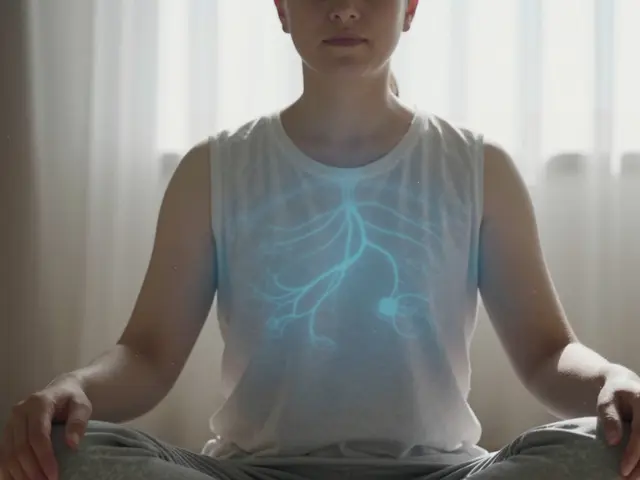
Your nose doesn’t just smell-it talks directly to your brain. When you inhale lavender, peppermint, or bergamot, molecules travel through your nasal passages to the olfactory bulb, which sits right next to the amygdala and hippocampus. These are the parts of your brain that handle fear, memory, and emotional response. That’s why a whiff of vanilla can bring back a childhood memory, or why the smell of fresh rain can instantly calm you down.
Unlike pills that circulate through your bloodstream, essential oils work fast. Studies from the University of Miami’s Center for Complementary Medicine show that inhaling lavender oil for just 10 minutes can lower cortisol levels by up to 30% in people with mild to moderate anxiety. No waiting. No side effects. Just your breath and a few drops of oil.
Essential Oils That Actually Work for Anxiety
Not all scents are created equal. Some smell nice but do little. Others have real, measurable effects. Here are the top five essential oils backed by research and clinical use:
- Lavender - The most studied. A 2017 meta-analysis in Phytomedicine found lavender oil as effective as the anti-anxiety medication lorazepam for generalized anxiety disorder, without the drowsiness or dependency risk.
- Bergamot - A citrus oil from Italy. It doesn’t just lift your mood-it lowers heart rate and blood pressure. A 2015 trial at the University of Hong Kong showed participants using bergamot oil reported 40% less anxiety after two weeks of daily inhalation.
- Chamomile - Not just for tea. Roman chamomile essential oil has been shown in clinical settings to reduce symptoms of anxiety as effectively as some low-dose benzodiazepines, according to a 2020 study in the Journal of Alternative and Complementary Medicine.
- Cedarwood - Woody, grounding. It increases serotonin production by up to 25% in animal studies. Many people with panic attacks use it in diffusers before bed to quiet racing thoughts.
- Frankincense - Used for millennia in meditation. Modern research from the University of Minnesota found it reduces activity in the sympathetic nervous system, the part that triggers the fight-or-flight response.
These aren’t magic. They’re tools. And like any tool, they work best when used intentionally.
How to Use Aromatherapy for Anxiety - Real Methods That Work
Just buying a bottle of lavender oil won’t fix your anxiety. You need a plan. Here’s how to use aromatherapy effectively:
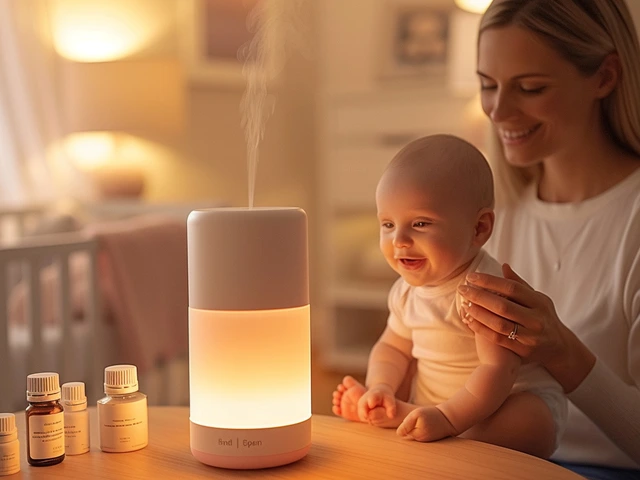
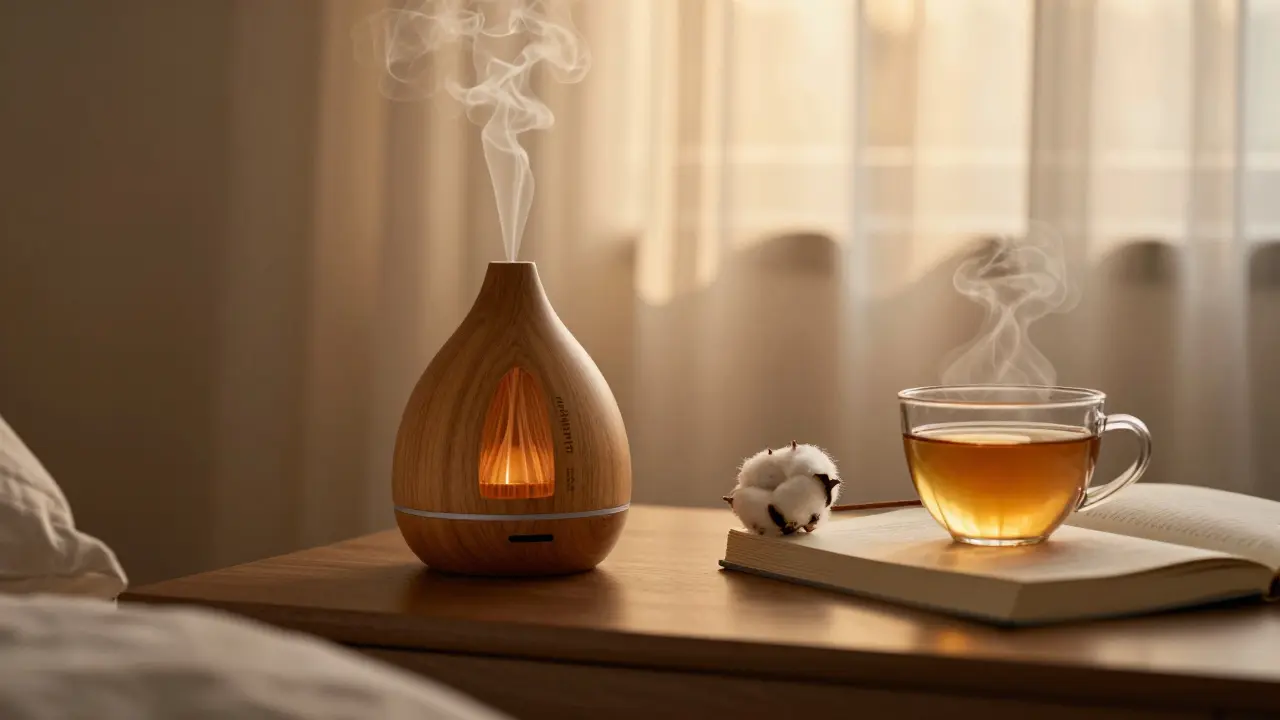
- Diffuse in your space - Use a cold-air diffuser in your bedroom, office, or car. Add 3-5 drops of lavender or bergamot to water. Run it for 30 minutes before bed or during stressful work blocks.
- Apply topically (diluted) - Mix 2 drops of chamomile with 1 teaspoon of coconut or jojoba oil. Rub it on your wrists, temples, or the back of your neck. Never apply undiluted oils directly to skin.
- Inhale directly - Keep a small vial with a cotton ball soaked in cedarwood or frankincense. When you feel panic rising, hold it under your nose and take 5 slow breaths. This works in lineups, before presentations, or during arguments.
- Combine with breathing - Inhale deeply through your nose for 4 seconds, hold for 4, exhale for 6. Repeat 5 times while smelling your chosen oil. This pairs scent with a proven relaxation technique.
- Create a ritual - Use the same oil, at the same time, every day. Light a candle with bergamot oil after dinner. Spray a mist of lavender on your pillow every night. Rituals train your brain to associate the scent with calm.
One woman in Calgary I spoke with started using frankincense oil every morning before her kids woke up. She’d sit with her coffee, inhale the scent for two minutes, and just breathe. Within three weeks, she stopped waking up with tightness in her chest. She didn’t cure her anxiety-but she gave herself a daily reset button.
What Doesn’t Work - Common Mistakes
Aromatherapy isn’t a cure-all. And misuse can make things worse.
- Using synthetic “fragrance oils” - These are chemically made and contain phthalates. They smell nice but trigger inflammation and headaches. Always look for 100% pure, therapeutic-grade essential oils. Check the label: it should say “100% pure essential oil” and list the botanical name (e.g., Lavandula angustifolia).
- Overusing oils - More isn’t better. Too much lavender can cause dizziness. Too much peppermint can raise blood pressure. Stick to 3-5 drops per session.
- Expecting instant miracles - Aromatherapy works like mindfulness. It’s cumulative. You need to use it daily for weeks to see lasting change.
- Replacing medical care - If your anxiety is severe, persistent, or disabling, see a therapist or doctor. Aromatherapy is a support tool, not a replacement.
Who Should Avoid Aromatherapy?
Most people can use essential oils safely. But some need caution:
- Pregnant women - Avoid rosemary, clary sage, and juniper. Stick to lavender, citrus, and chamomile.
- People with asthma or allergies - Test a small amount first. Some oils can trigger bronchial spasms.
- Children under 6 - Use only diluted oils, and avoid peppermint and eucalyptus near the face.
- Those on blood thinners - Frankincense and ginger oil may interact. Talk to your doctor.
If you’re unsure, start with lavender. It’s the safest, most researched, and least likely to cause issues.
Building a Simple Aromatherapy Kit for Anxiety
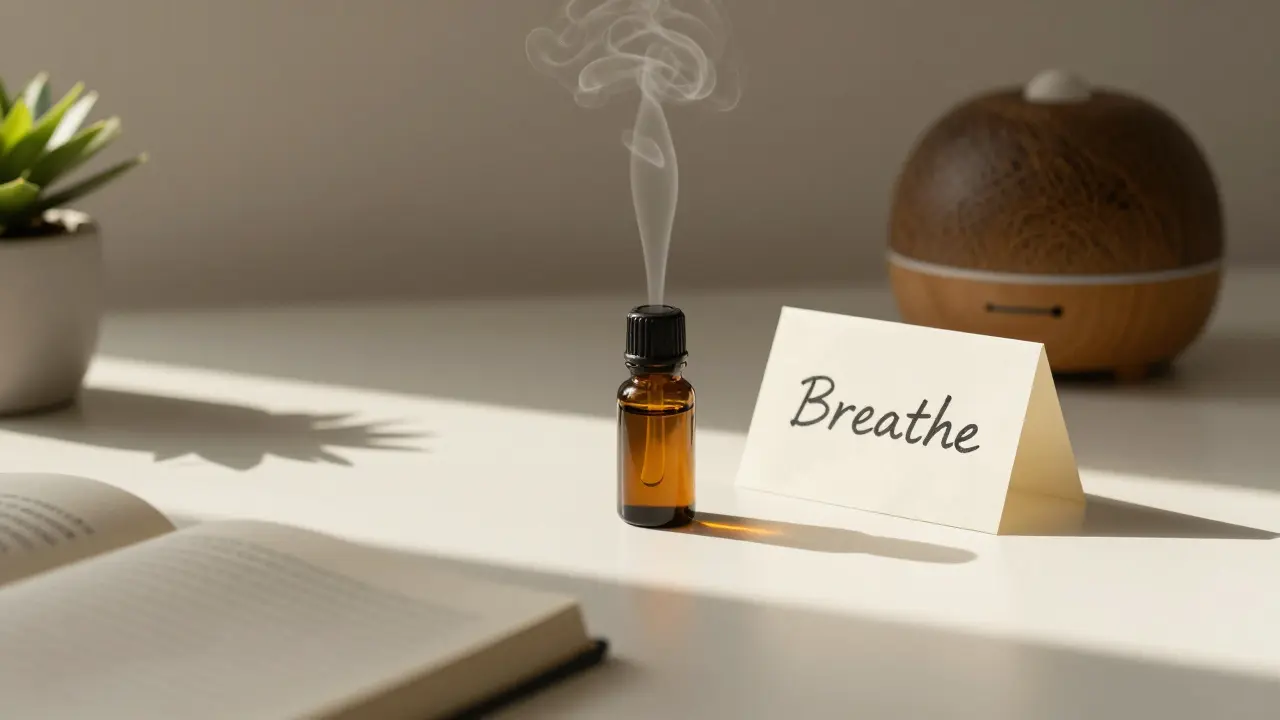
You don’t need a cabinet full of bottles. Here’s what works for most people:
| Oil | Best Use | How to Use | Amount |
|---|---|---|---|
| Lavender | Calming, sleep | Diffuse, topical, inhalation | 3-5 drops |
| Bergamot | Mood lift, tension | Diffuse, wrist application | 2-3 drops |
| Chamomile | Overthinking, irritability | Topical, inhalation | 2 drops |
| Cedarwood | Grounding, nighttime | Diffuse, pillow spray | 3 drops |
| Carrier Oil (jojoba or coconut) | Dilution | 1 tsp per 2 drops essential oil | 1 small bottle |
Keep this kit in your nightstand or desk drawer. Make it visible. Make it easy. The easier it is to use, the more you’ll use it.
Why This Works Better Than You Think
People think aromatherapy is fluffy. But it’s not. It’s neurobiology. Your brain learns associations. If you consistently smell lavender when you’re calm, your brain starts to link that scent with safety. Over time, just inhaling it triggers a relaxation response-even if you’re in a crowded subway or facing a tough conversation.
It’s not about escaping stress. It’s about rewiring your body’s reaction to it. You’re not fighting your anxiety. You’re giving your nervous system a signal: you’re safe now.
And that’s powerful.
Next Steps: Try This Today
Here’s your simple challenge:
- Buy one 10ml bottle of 100% pure lavender essential oil.
- Put 2 drops on a cotton ball and tuck it into your pillowcase tonight.
- Tomorrow, when you feel your first wave of anxiety, pause. Breathe in that scent for 10 seconds. Then breathe out slowly.
- Do this for 7 days. No more, no less.
Don’t overthink it. Don’t buy five oils. Don’t read ten blogs. Just try one. See what happens.
Some people report feeling calmer within hours. Others notice a difference after a week. Either way, you’ve given yourself a tool that costs less than a coffee and has no side effects. That’s not alternative medicine. That’s smart self-care.
Can aromatherapy replace therapy or medication for anxiety?
No. Aromatherapy is a supportive tool, not a replacement for professional care. If you have moderate to severe anxiety, therapy (like CBT) or prescribed medication may be necessary. Aromatherapy can complement these treatments by helping reduce physical symptoms like rapid heartbeat or tension, but it doesn’t address the root causes of anxiety the way therapy does.
How long does it take for essential oils to work for anxiety?
Effects can be immediate-many people feel calmer within seconds of inhaling a calming scent. But lasting change requires consistency. For your nervous system to rewire, use the oil daily for at least 2-4 weeks. Think of it like exercise: one run won’t change your fitness, but daily movement will.
Are all essential oils safe to use around pets?
No. Many essential oils are toxic to cats and dogs, especially tea tree, eucalyptus, citrus, and peppermint. Even diffusing them can cause respiratory distress in pets. If you have animals, avoid diffusing oils altogether or use a pet-safe diffuser in a room they don’t enter. Always consult a vet before using oils around pets.
Can I ingest essential oils for anxiety?
Never ingest essential oils unless under the direct supervision of a certified aromatherapist or medical professional. Most are highly concentrated and can damage your liver, kidneys, or digestive tract. Inhalation and topical use (properly diluted) are the only safe methods for anxiety relief.
What’s the best time of day to use aromatherapy for anxiety?
It depends on your triggers. Use calming oils like lavender or chamomile in the evening to wind down. Use uplifting oils like bergamot in the morning to start the day with clarity. If you have panic attacks at work, keep a personal inhaler with cedarwood or frankincense for quick use. The best time is whenever you need it most.