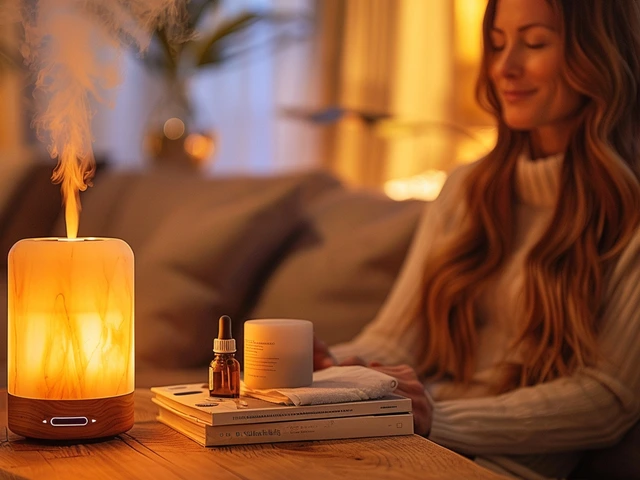
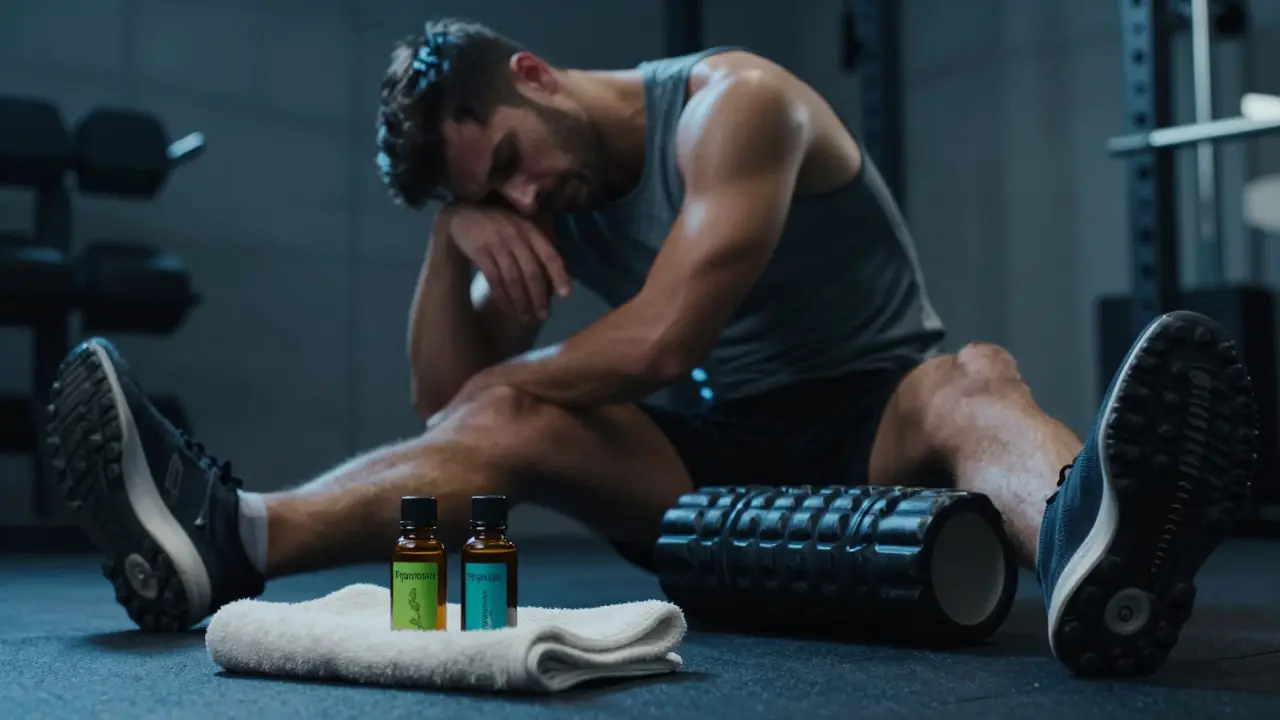
Picture this: you just finished a brutal interval session. Your legs feel like lead, your mind is foggy, and the thought of foam rolling sounds like torture. Now imagine doing that same workout, but afterward, you apply a blend of peppermint and eucalyptus oil to your calves. Suddenly, the pain feels manageable, your breathing deepens, and you actually look forward to the recovery process. This isn't magic-it's Aromatherapy, a holistic healing treatment that uses natural plant extracts to improve the body and the mind.
For years, elite athletes relied solely on ice baths, compression gear, and expensive supplements. But a growing number of pros are turning to essential oils to bridge the gap between physical training and mental resilience. The science behind it is simple yet powerful: when you inhale or apply specific aromatic compounds, they interact with your limbic system-the part of your brain that controls emotions, memory, and stress responses. For an athlete, managing that stress response can be the difference between a personal best and a plateau.
How Scent Affects Athletic Physiology
You might wonder how a smell can impact your VO2 max or lactate threshold. It comes down to neurochemistry. When you inhale certain terpenes-the active chemical components in essential oils-they travel through the olfactory nerve directly to the brain. This bypasses the thalamus, which processes other senses, creating a faster, more direct pathway to your emotional centers.
This connection triggers the release of neurotransmitters like serotonin and dopamine. For an athlete, this means two things: reduced perceived exertion during hard efforts and faster psychological recovery after them. Studies have shown that inhaling lavender before exercise can lower heart rate variability (HRV) stress markers, while citrus scents can boost alertness and reaction time. You aren't just smelling something nice; you're actively modulating your nervous system to perform better.
Top Essential Oils for Pre-Workout Focus
Before you hit the track, the pool, or the weights, your mindset matters as much as your fuel. Some oils act as natural stimulants, sharpening focus and increasing energy without the jitters of caffeine.
- Rosemary: Known for its cognitive benefits, rosemary contains 1,8-cineole, which improves memory and concentration. Inhaling it before a complex sport like tennis or basketball can help you stay locked into game strategy.
- Lemon: Citrus scents are proven to elevate mood and reduce fatigue. A few drops on your wrists before a morning run can make the early start feel less grueling.
- Grapefruit: This oil has energizing properties that can boost endurance. It’s particularly useful for long-distance runners who need to maintain mental stamina over hours.
To use these effectively, don’t just slap them on your skin. Dilute 2-3 drops in a carrier oil like fractionated coconut oil and apply to your pulse points-wrists, temples, and behind the ears. Alternatively, add a drop to a tissue and breathe deeply for 30 seconds right before your warm-up.
Post-Workout Recovery and Muscle Relief
The real magic of essential oils happens after the sweat dries. Sore muscles and inflammation are inevitable parts of training, but topical application of anti-inflammatory oils can speed up repair.
| Oil | Key Benefit | Application Method |
|---|---|---|
| Peppermint | Cools sore muscles, reduces perception of pain via menthol | Diluted massage on calves and hamstrings |
| Lavender | Reduces cortisol levels, promotes relaxation and sleep | Inhalation or diluted chest rub before bed |
| Eucalyptus | Opens airways, aids deep breathing for oxygen recovery | Add to hot shower steam or diffuser |
| Frankincense | Potent anti-inflammatory, supports joint health | Diluted topical application on joints |
Peppermint oil is a standout here. The menthol in peppermint creates a cooling sensation that distracts the brain from pain signals-a concept known as counter-irritation. Combine it with lavender, which helps lower cortisol, and you’ve got a potent recovery blend. Always remember to dilute essential oils in a carrier oil like jojoba or almond oil to prevent skin irritation. A safe ratio is about 1% dilution, which is roughly 6 drops of essential oil per ounce of carrier oil.
Mental Resilience and Stress Reduction
Athletic performance isn't just physical; it's mental. Burnout, anxiety, and lack of motivation are silent killers of progress. Aromatherapy offers a non-invasive way to manage these psychological hurdles.
Bergamot, a unique citrus oil, has been shown to reduce anxiety and aggression. Unlike other citrus oils, bergamot has a calming effect, making it ideal for athletes dealing with pre-competition nerves. Ylang-ylang is another powerhouse for lowering blood pressure and heart rate, helping you find calm amidst chaos.
Create a "pre-sleep ritual" using these oils. Diffuse a blend of lavender and bergamot in your bedroom 30 minutes before bed. This signals to your body that it’s time to wind down, improving sleep quality. Since most muscle repair happens during deep sleep, better rest equals faster recovery and sharper performance the next day.
Safety First: Guidelines for Athletes
While natural, essential oils are potent chemicals and must be respected. Athletes push their bodies to the limit, so adding concentrated substances requires caution.
- Always Dilute: Never apply undiluted essential oils directly to the skin. This can cause burns or allergic reactions, especially on sweaty, sensitive skin.
- Patch Test: Before using a new oil extensively, apply a small diluted amount to your inner arm and wait 24 hours to check for reactions.
- Phototoxicity: Citrus oils like lemon, lime, and bergamot can make your skin sensitive to sunlight. Avoid sun exposure for 12 hours after applying these oils topically.
- Quality Matters: Look for 100% pure, therapeutic-grade oils from reputable brands. Cheap oils often contain synthetic fillers that offer no benefit and may cause harm.
- Consult a Professional: If you have asthma, epilepsy, or are pregnant, consult a doctor before using aromatherapy. Some oils can trigger seizures or respiratory issues.

Building Your Athlete’s Aromatherapy Kit
You don’t need a cabinet full of bottles to start. Begin with a versatile core collection:
- Lavender: The all-rounder for relaxation, sleep, and minor burn relief.
- Peppermint: For energy, focus, and muscle cooling.
- Eucalyptus: For respiratory support and decongestion.
- Rosemary: For cognitive enhancement and circulation.
- Fractionated Coconut Oil: Your primary carrier oil for dilution.
Invest in dark glass roller bottles. They protect the oils from light degradation and allow for easy, mess-free application on the go. Fill them with your preferred blends and keep one in your gym bag. Having your recovery tools ready removes friction from your routine, making it more likely you’ll stick to it.
Integrating Aromatherapy into Daily Training
Consistency is key. Here’s how to weave these practices into your existing schedule:
Morning: Add a drop of lemon or grapefruit to your water bottle cap (not inside the water) for a refreshing scent boost during hydration breaks. Or diffuse rosemary in your home office if you study tactics or review footage.
Pre-Workout: Apply a peppermint and rosemary blend to your wrists and neck. Take three deep breaths to center yourself and visualize your performance.
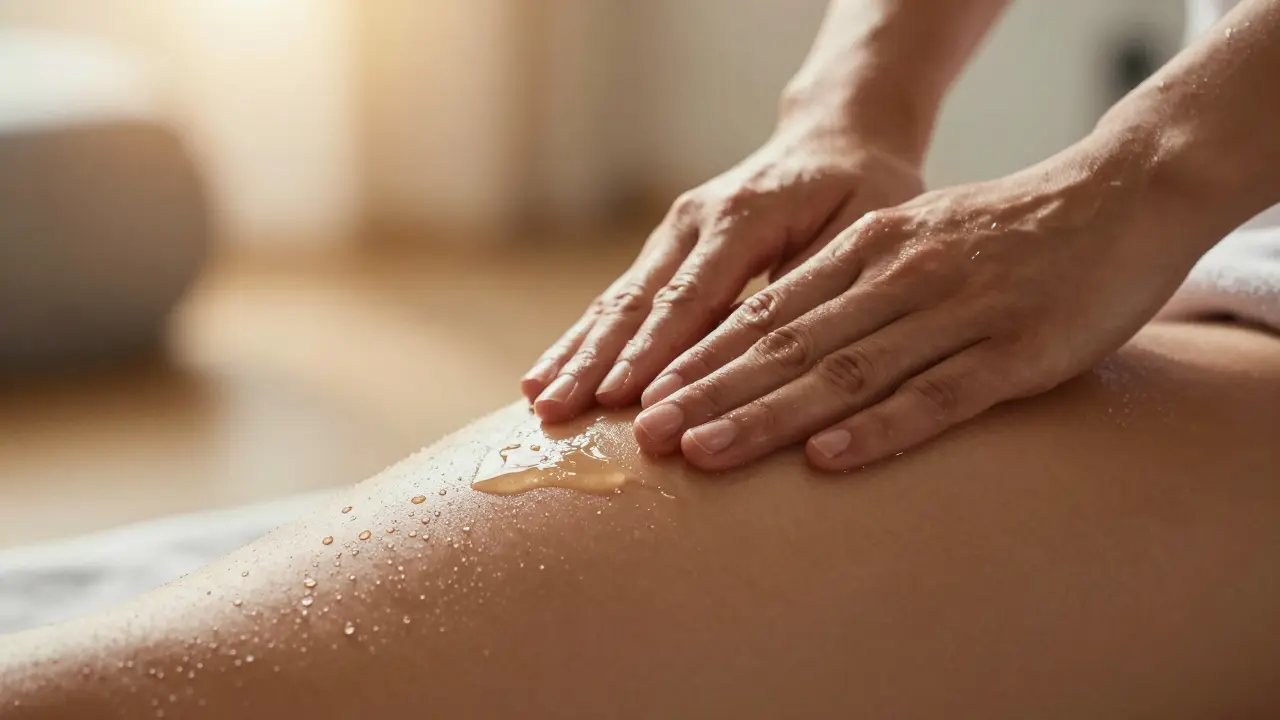
Post-Workout: While still warm, massage a diluted peppermint and eucalyptus blend into your largest muscle groups. Follow this with a warm shower where you place a drop of eucalyptus oil on the floor away from direct water flow to create a steam inhalation experience.
Night: Diffuse lavender and frankincense in your bedroom. Use this time for gentle stretching or meditation, reinforcing the mind-body connection crucial for athletic longevity.
Can essential oils replace traditional recovery methods?
No, essential oils should complement, not replace, proven recovery methods like proper nutrition, hydration, sleep, and active recovery exercises. They work best as part of a holistic approach to enhance the effectiveness of these foundational practices.
Is it safe to use essential oils before competition?
Yes, but always test them in training first. Some athletes may find certain scents distracting or overwhelming. Additionally, ensure that any topical applications comply with anti-doping regulations, though pure essential oils are generally permitted by WADA when used externally.
How do I know if an essential oil is high quality?
Look for bottles labeled with the botanical name (e.g., Lavandula angustifolia), extraction method (steam distillation is common), and country of origin. High-quality oils are typically sold in dark glass bottles and come with a GC/MS report verifying purity and composition.
Can I ingest essential oils for better absorption?
Ingesting essential oils is not recommended without strict guidance from a qualified healthcare professional. Many oils are toxic when swallowed and can damage internal organs. Stick to topical application and inhalation for safety.
What if I’m sensitive to strong smells?
Start with very low concentrations and indirect diffusion. Place a drop on a tissue held at a distance rather than directly under your nose. Gradually increase exposure as your tolerance builds. Some people prefer blending stronger oils with milder ones like chamomile or sandalwood.

Feb 15 2025