
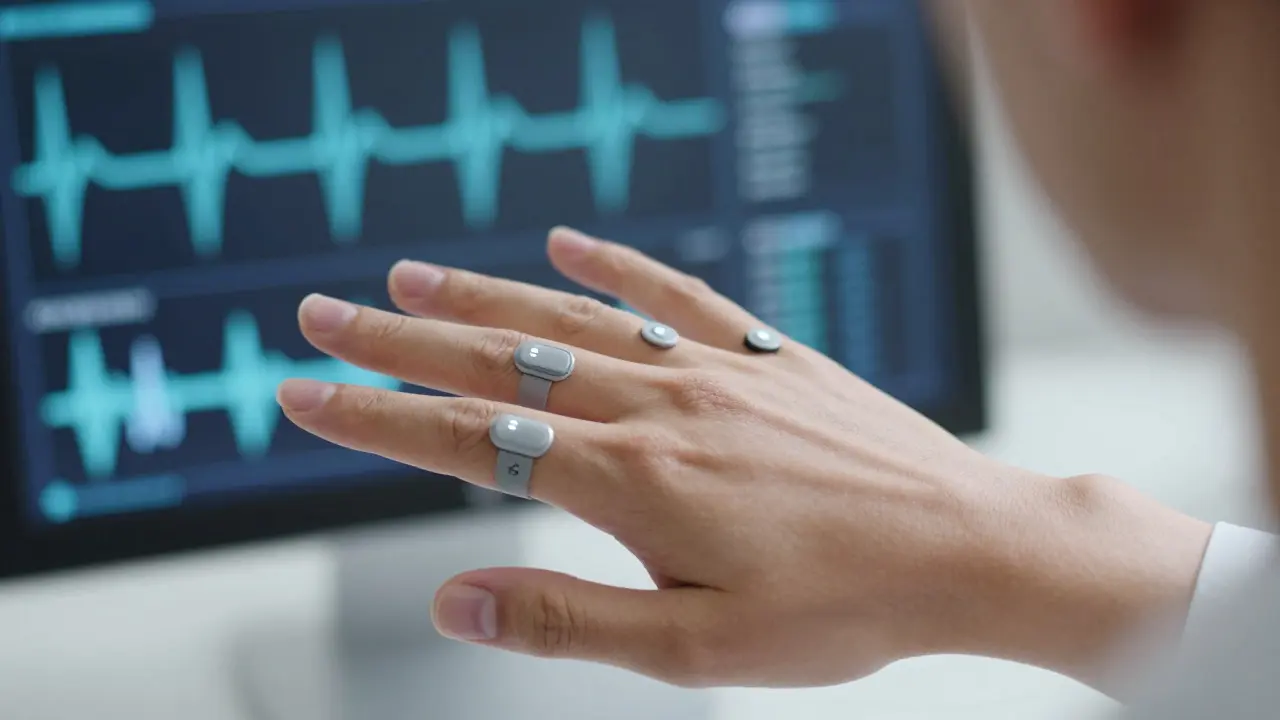
You can’t see your blood pressure rising. You can’t watch your muscles tighten when you’re stressed. But what if you could? That is exactly what biofeedback is a technique that teaches people to control involuntary body functions like heart rate, muscle tension, and skin temperature using real-time monitoring devices. It turns invisible physiological signals into visible data, giving you a direct line to your nervous system. This isn't magic or pseudoscience; it is a clinically validated method used by athletes, executives, and patients with chronic pain to regain control over their physical responses.
What Is Biofeedback and How Does It Work?
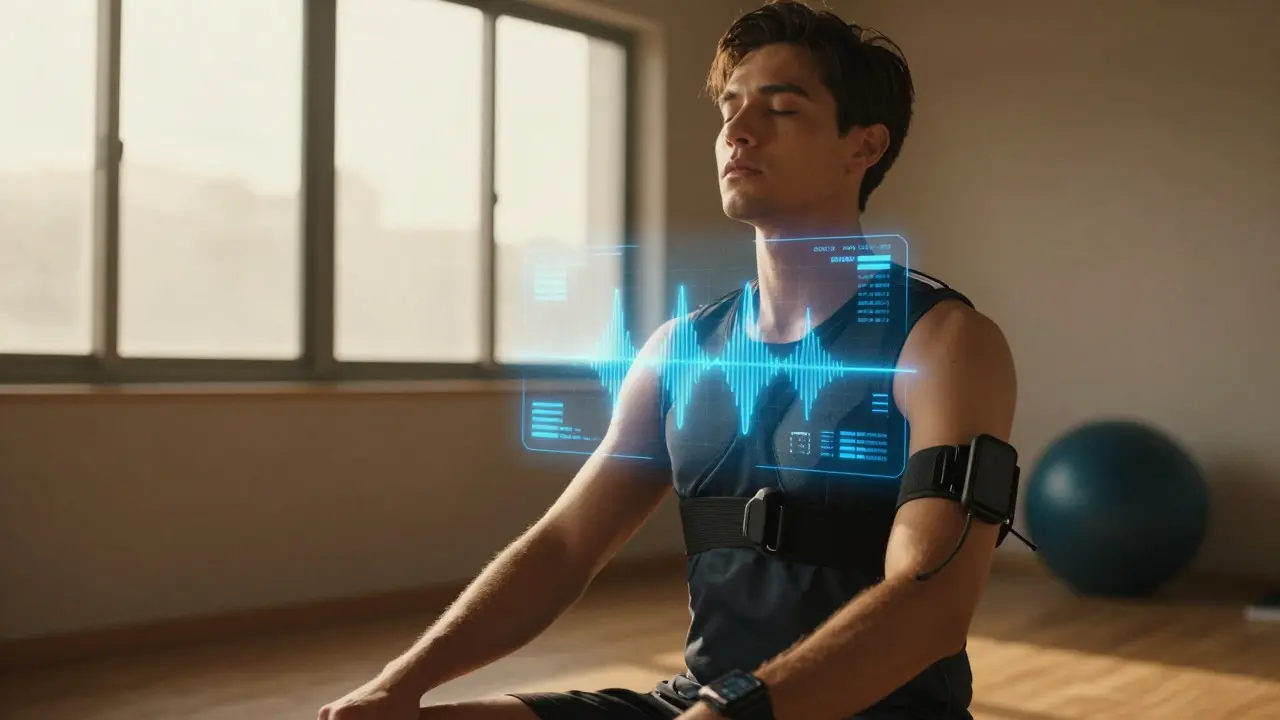
At its core, biofeedback relies on the principle of operant conditioning. In simple terms, it’s learning through feedback. When you learn to ride a bike, you wobble, fall, adjust, and eventually balance. Biofeedback applies this same loop to internal processes. Sensors attach to your body to measure specific metrics. A screen or app displays these metrics in real time. As you change your breathing or relaxation techniques, you see the numbers shift. Over time, your brain learns to associate certain mental states with desired physical outcomes.
The process involves three main steps:
- Measurement: Electrodes or sensors detect biological activity (like electrical signals in muscles or changes in skin conductivity).
- Feedback: The device translates this data into easy-to-understand visuals, sounds, or vibrations.
- Training: You practice relaxation or focus techniques while watching the feedback, gradually gaining voluntary control over previously automatic functions.
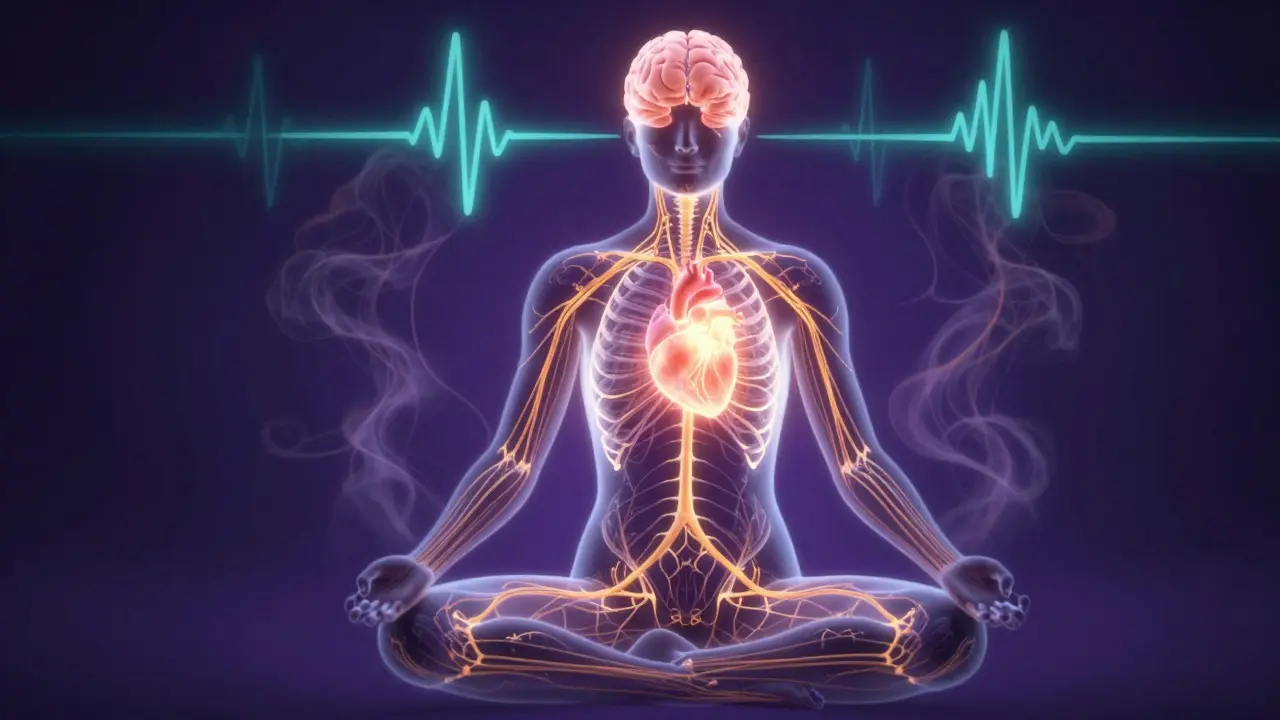
This method bridges the gap between mind and body. It proves that thoughts influence physiology, but more importantly, it shows that physiology can be trained to support better thinking and performance.
Types of Biofeedback Training
Not all biofeedback is the same. Different types target different systems within the body. Understanding which type fits your goal is crucial for success.
| Type | Measures | Best For |
|---|---|---|
| EMG Biofeedback | Muscle tension via electrodes on the skin | Chronic pain, headaches, bruxism (teeth grinding) |
| HRV Biofeedback | Variations in time between heartbeats | Stress reduction, anxiety, athletic endurance |
| Thermal Biofeedback | Skin temperature changes | Migraines, Raynaud’s disease, circulation issues |
| EEG Biofeedback (Neurofeedback) | Brain wave patterns | ADHD, insomnia, focus enhancement, PTSD |
| Galvanic Skin Response (GSR) | Sweat gland activity/skin conductance | Anxiety management, emotional regulation |
For most people seeking general well-being or performance gains, Heart Rate Variability (HRV) biofeedback is the most accessible starting point. It requires minimal equipment and offers immediate insights into your stress resilience.
Biofeedback for Peak Performance
Why do Olympic swimmers and Fortune 500 CEOs use biofeedback? Because peak performance isn't just about skill; it's about state management. When you are under pressure, your sympathetic nervous system activates-the "fight or flight" response. While useful in emergencies, chronic activation kills focus, drains energy, and impairs decision-making.
Biofeedback helps you find the "flow state." By training your HRV, you learn to enter a zone of coherent breathing where your heart rate rhythm matches your breath. This state promotes cognitive clarity and emotional stability. Athletes use it to maintain calm during competition. Public speakers use it to steady their voice and reduce jitteriness before stepping on stage.
Consider a software developer debugging complex code. Frustration builds, shoulders tense up, breathing becomes shallow. With EMG biofeedback on the trapezius muscles, they receive an alert when tension exceeds a threshold. They pause, take deep breaths, and relax the shoulders. The feedback confirms the drop in tension. Result? Reduced fatigue and sustained concentration for hours longer than usual.
Improving Well-being Through Physiological Awareness
Beyond performance, biofeedback is a powerful tool for everyday health. Chronic stress manifests physically long before it breaks down mentally. High blood pressure, digestive issues, and sleep disturbances often stem from an unregulated nervous system.
Thermal biofeedback, for instance, has shown significant promise in treating migraines. Patients learn to warm their hands through visualization and relaxation techniques. Increased peripheral blood flow correlates with reduced headache frequency and intensity. Similarly, GSR biofeedback helps individuals recognize early signs of anxiety spikes, allowing them to intervene before panic sets in.
The key benefit here is empowerment. Instead of relying solely on medication or passive rest, you actively participate in healing your body. You become aware of subtle cues-like a slight drop in hand temperature-that signal rising stress. This awareness alone can reduce the severity of many stress-related conditions.
Getting Started with Biofeedback
You don’t need a clinical setting to begin. Consumer-grade devices have made biofeedback widely available. Here is how to start effectively:
- Choose the Right Device: Look for FDA-cleared or medically validated apps and hardware. Chest-strap monitors generally provide more accurate HRV data than wrist-based wearables due to motion artifacts.
- Set Clear Goals: Are you trying to lower resting heart rate? Improve sleep quality? Reduce test anxiety? Specific goals guide your training protocol.
- Practice Consistently: Like any skill, biofeedback requires repetition. Aim for 15-20 minutes daily. Short, frequent sessions yield better results than occasional long ones.
- Combine with Relaxation Techniques: Use diaphragmatic breathing, progressive muscle relaxation, or guided imagery while viewing your feedback. These methods amplify the learning effect.
- Track Progress: Keep a journal noting your baseline metrics and subjective feelings. Over weeks, you will notice improvements even without the device.
Many free apps offer basic HRV tracking using smartphone cameras or Bluetooth earbuds. While less precise than medical equipment, they are sufficient for beginners to grasp the concepts of coherence and relaxation.
Pitfalls to Avoid
Biofeedback is not a quick fix. Some users expect instant mastery after one session. Reality check: neuroplasticity takes time. Expect gradual improvement over weeks, not days. Also, avoid becoming obsessed with the numbers. The goal is to internalize the sensation of calm, not to chase perfect scores on a screen. Eventually, you should be able to achieve the desired state without any device at all.
Another common mistake is ignoring lifestyle factors. No amount of biofeedback will counteract poor sleep, excessive caffeine, or chronic lack of movement. Treat biofeedback as part of a holistic health strategy, not a standalone cure.
Scientific Backing and Credibility
Biofeedback is recognized by major health organizations, including the American Psychological Association and the American Medical Association. Numerous studies published in journals like *Journal of Applied Psychophysiology and Biofeedback* confirm its efficacy for conditions ranging from hypertension to irritable bowel syndrome. It is considered a Level 5 intervention (well-established) for several disorders according to the Association for Applied Psychophysiology and Biofeedback (AAPB).
This scientific grounding distinguishes it from trendy wellness fads. It is a measurable, repeatable, and evidence-based practice that puts you in the driver’s seat of your own biology.
Is biofeedback safe for everyone?
Yes, biofeedback is non-invasive and generally safe for most people. Since it does not involve drugs or surgery, side effects are rare. However, individuals with severe psychiatric conditions or epilepsy should consult a healthcare provider before starting EEG biofeedback, as intense visual stimuli might trigger episodes in sensitive cases.
How long does it take to see results?
Results vary by individual and condition. Many users report feeling calmer after just a few sessions. However, lasting physiological changes typically require 8 to 15 weekly sessions of consistent practice. Think of it like building muscle strength-it requires regular effort over time.
Can I do biofeedback at home?
Absolutely. Home biofeedback kits and smartphone apps are widely available. While initial guidance from a certified therapist is ideal, self-guided programs are effective for stress management and basic HRV training. Ensure your device uses validated algorithms for accurate readings.
Does insurance cover biofeedback therapy?
Coverage depends on your location and insurer. In many regions, biofeedback is covered for specific conditions like migraines, chronic pain, or incontinence when prescribed by a doctor. Check with your provider regarding CPT codes (e.g., 96150-96174) to determine eligibility.
What is the difference between biofeedback and meditation?
Meditation is a practice focused on attention and awareness without external feedback. Biofeedback adds a technological layer that provides objective data on your physiological state. While meditation teaches you how to relax, biofeedback shows you exactly when and how successfully you are doing it, accelerating the learning curve.