
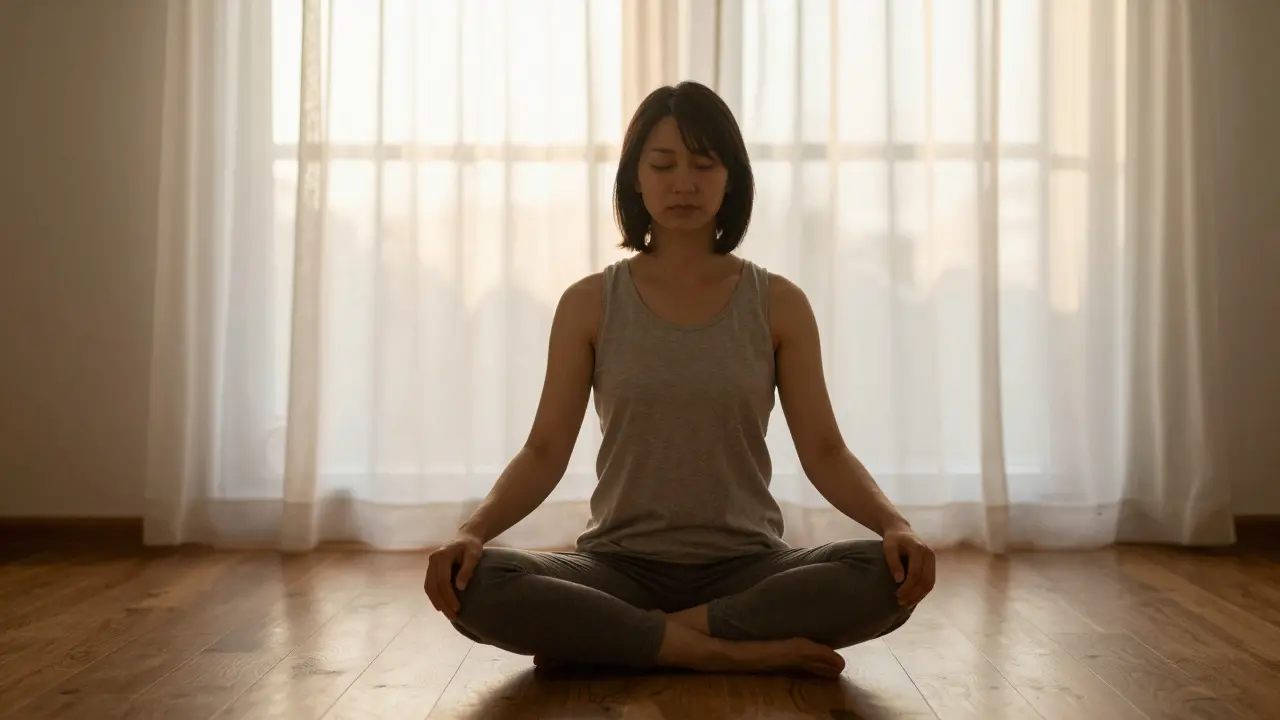
When was the last time you sat still for five minutes without checking your phone, thinking about your to-do list, or replaying an argument in your head? Most people can’t remember. We’ve trained ourselves to be always on, always reacting, always fixing something. But what if the real healing doesn’t come from doing more-but from being still?
What Calmness Really Is (And Why It’s Not Just Relaxation)
Calmness isn’t the absence of noise. It’s not about quiet rooms, scented candles, or spa days. Those can help, sure-but real calmness is an internal state. It’s when your nervous system stops screaming for attention. Your heart doesn’t race. Your jaw isn’t clenched. Your thoughts don’t loop like a broken record. You’re not ignoring stress-you’re no longer ruled by it.
Studies from the University of California, San Francisco show that people who practice daily calmness-through breathing, quiet reflection, or even just pausing before replying to a text-have 30% lower cortisol levels over time. That’s not a small thing. Cortisol is the hormone that keeps you in fight-or-flight mode. When it’s high for too long, it breaks down your immune system, messes with sleep, and even shrinks parts of your brain linked to memory and decision-making.
Calmness is the opposite of reactive. It’s the space between stimulus and response. That space? That’s where healing happens.
The Body’s Natural Reset Button
Your body has a built-in system to calm itself down. It’s called the parasympathetic nervous system. Think of it as your internal brake pedal. When you’re calm, this system kicks in: your breathing slows, your digestion improves, your muscles relax, and your heart rate drops. It’s the same system that kicks in when you’re falling asleep-or when you see a baby smile.
But here’s the problem: most of us never let it activate. We’re stuck in sympathetic overdrive-constant alerts, endless scrolling, deadlines, notifications, and the pressure to be productive 24/7. The result? Chronic tension. Headaches. Insomnia. Irritability. Even digestive issues.
One 2023 study tracked 1,200 adults who spent just 10 minutes a day in quiet stillness. After eight weeks, 74% reported fewer physical symptoms tied to stress. Not because they changed their job, their relationship, or their schedule. Just by sitting quietly, they let their bodies reset.
How Calmness Rewires Your Brain
Neuroscience confirms what ancient traditions have known for centuries: calmness changes your brain. Regular calm practices-like mindful breathing, walking without headphones, or simply watching clouds-strengthen the prefrontal cortex. That’s the part of your brain responsible for focus, emotional control, and rational thinking.
Meanwhile, the amygdala, your brain’s fear center, shrinks. Less reactivity. Less panic. Less automatic anger or anxiety.
One Harvard MRI study found that after eight weeks of daily 12-minute calmness exercises, participants showed measurable thickening in brain regions tied to self-awareness and compassion. And the changes stuck-even after they stopped the formal practice. Calmness doesn’t just help you feel better today. It builds a brain that’s better equipped for tomorrow.
Simple Ways to Invite Calmness Into Your Day
You don’t need to meditate for an hour or quit your job. Calmness is built in small moments. Here’s what actually works for real people:
- Pause before answering a message. Take one slow breath. Count to three. Then respond. This one habit cuts down 80% of unnecessary conflict.
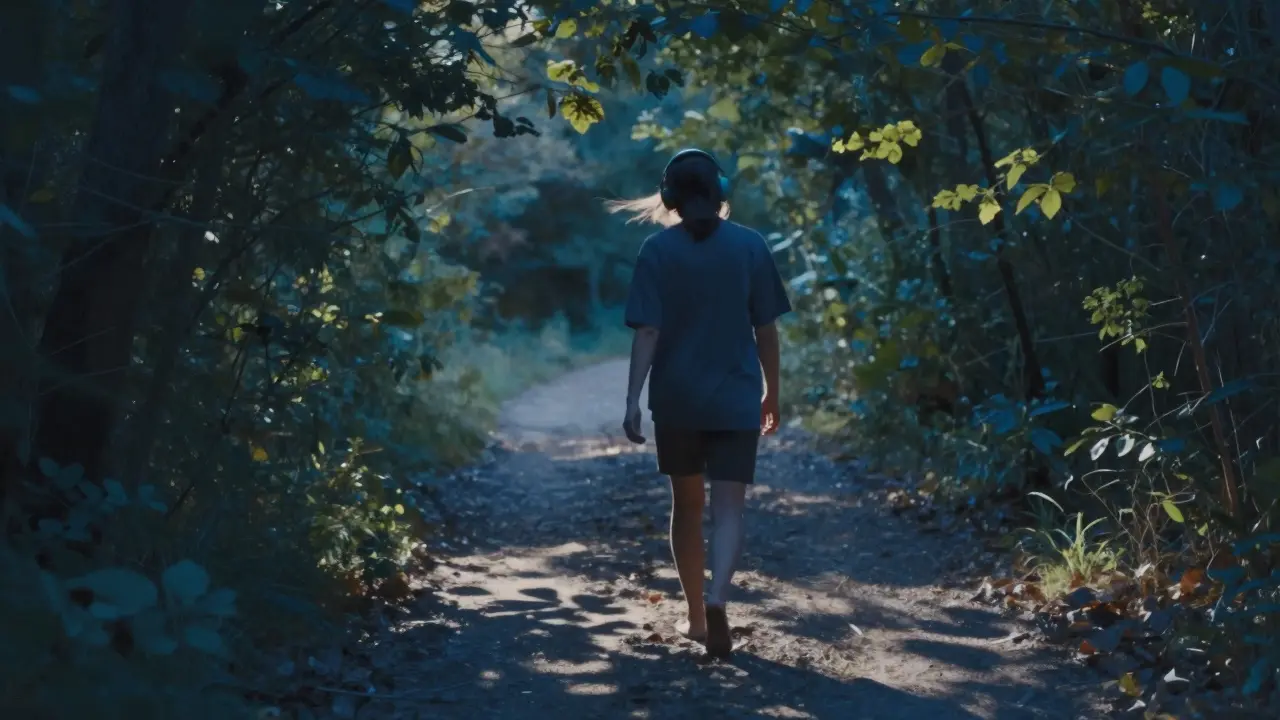
- Walk without headphones. Just five minutes. Listen to birds, footsteps, wind. Notice colors. Don’t try to fix anything. Just observe.
- Drink your tea or coffee slowly. Feel the warmth. Smell the steam. Sip. Don’t gulp. This turns a routine task into a mini-meditation.
- Set a ‘no screens’ 10-minute window before bed. No scrolling. No emails. Just dim light, quiet, and your breath.
- Write down three things you’re not stressed about. Yes, that’s right. Not what you’re grateful for. What you’re not worried about. It flips your brain away from threat mode.
These aren’t hacks. They’re gentle invitations to your nervous system: You’re safe now.
Why Calmness Is the Missing Piece in Mental Health
We talk a lot about therapy, medication, and self-care routines. But we rarely talk about calmness as a core treatment. And yet, it’s the foundation. You can’t heal anxiety if your body is stuck in panic. You can’t process trauma if your mind is always bracing for the next blow.
Therapists who integrate calmness practices into sessions report faster progress with clients. Why? Because calmness lowers the volume on the noise inside. When the noise drops, the real work-understanding, releasing, rebuilding-can begin.
People who struggle with depression often say they feel ‘numb.’ But what they’re really feeling is exhaustion from constant internal noise. Calmness doesn’t fix everything. But it gives you back the space to feel again-without being overwhelmed.
What Calmness Is Not
It’s not about being passive. Calm people aren’t doormats. They’re often the ones who speak up clearly, set boundaries firmly, and make decisions with clarity. Calmness gives you strength, not weakness.
It’s not spiritual bypassing. You can’t use calmness to avoid pain. True calmness includes sadness, anger, and fear-but without letting them take over. It’s not denial. It’s awareness without attachment.
And it’s not a luxury. In a world that rewards hustle, calmness feels like a rebellion. But it’s the most practical skill you can develop. It’s the difference between reacting to your boss’s email with fury-and responding with a clear, thoughtful reply.

How to Know You’re Getting Better at Calmness
You’ll notice subtle shifts:
- You stop saying ‘I’m fine’ when you’re not.
- You catch yourself tensing up-and gently release it.
- You sleep through the night without waking up to replay conversations.
- You feel less urgency to fix everything right away.
- You find joy in quiet moments, not just big events.
These aren’t signs of perfection. They’re signs of progress. Calmness isn’t about never feeling stressed. It’s about how quickly you return to center.
The Ripple Effect of Calmness
When you’re calm, you don’t just help yourself. You change the energy around you. Your kids stop yelling as much. Your partner feels safer talking. Your coworkers feel less tension in meetings. Calmness is contagious-not because you’re preaching it, but because you’re living it.
One nurse in a busy ER told me she started taking three deep breaths before entering each patient’s room. Within weeks, patients started saying, ‘You’re the first person here who makes me feel like I’m not just a case number.’ She didn’t change her skills. She changed her presence.
Calmness heals not because it’s magical. But because it’s human.
Can calmness really heal physical pain?
Yes. Chronic pain is often worsened by stress and tension. Studies show that people who practice calmness techniques like mindful breathing or body scans report up to 40% less perceived pain. It doesn’t eliminate the source, but it reduces the nervous system’s amplification of it. Calmness helps your body stop fighting itself.
How long does it take to feel the effects of calmness?
Some people feel calmer after just one 5-minute breathing exercise. But lasting change takes consistency. Most people notice real shifts in mood, sleep, or reactivity within two to four weeks of daily practice-even if it’s only 5-10 minutes a day.
Is calmness the same as meditation?
Meditation is one way to cultivate calmness, but calmness doesn’t require meditation. You can be calm while walking, washing dishes, or waiting in line. Meditation is a practice. Calmness is the result. You don’t need to sit cross-legged to be calm.
What if I can’t sit still? My mind races too much.
That’s normal. Calmness isn’t about stopping your thoughts-it’s about noticing them without getting pulled in. Try focusing on your breath for just 10 seconds. When your mind wanders (it will), gently bring it back. That’s the exercise. Every time you notice and return, you’re building calmness muscle.
Can calmness help with anxiety disorders?
Yes. Clinical guidelines from the American Psychological Association now include calmness practices as first-line support for generalized anxiety and panic disorders. It’s not a replacement for therapy or medication-but it’s one of the most effective tools for reducing symptoms day to day. Many patients say it’s the only thing that gives them a sense of control.
Start Small. Stay Consistent.
You don’t need to transform your life to find calmness. You just need to pause. Once. Today. Right now. Take a breath. Let your shoulders drop. Notice the air coming in. And out.
That’s it. That’s the healing.