

More people are skipping breakfast smoothies and reaching for a bottle of cold-pressed health juice instead. It’s not just another fad-it’s a shift in how we think about fueling our bodies. You walk into any grocery store in 2026, and you’ll see shelves lined with jars of vibrant green, deep red, and golden-orange liquids. No sugar. No preservatives. Just plants, roots, and fruits crushed into something that tastes like nature’s energy drink.
But here’s the truth: not all health juice is created equal. Some bottles are packed with vitamins and fiber. Others are just sugary water with a green tint. The hype is real, but so are the misunderstandings.
What Exactly Is Health Juice?
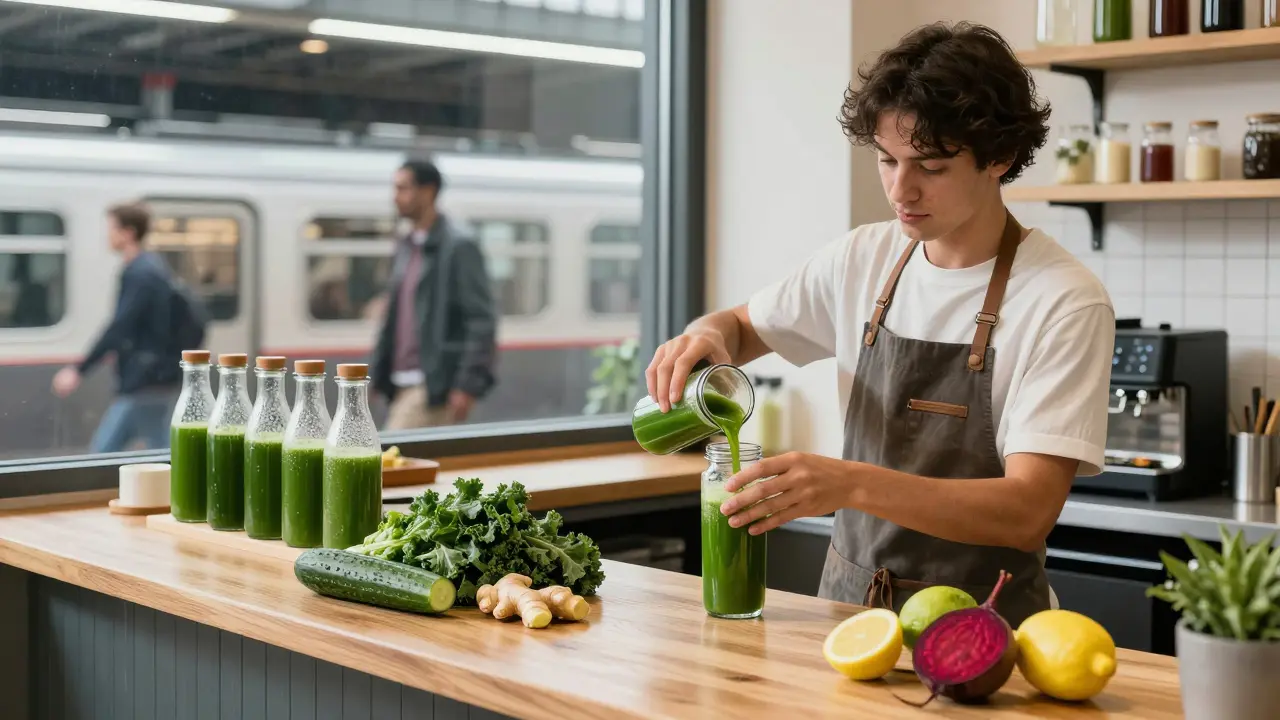
Health juice isn’t your grandpa’s orange juice from a carton. It’s made by extracting liquid from fresh vegetables, fruits, herbs, and sometimes roots like ginger or turmeric. The pulp is removed, leaving behind a concentrated shot of nutrients. Unlike smoothies, which keep the fiber, health juice strips it away to make digestion faster and absorption quicker.
This isn’t new. People have been juicing for decades. But what changed in the last few years? Accessibility. In 2020, only 12% of U.S. households had a juicer at home. By 2025, that number jumped to 37%. And now, juice bars are popping up in subway stations, office lobbies, and even gas stations.
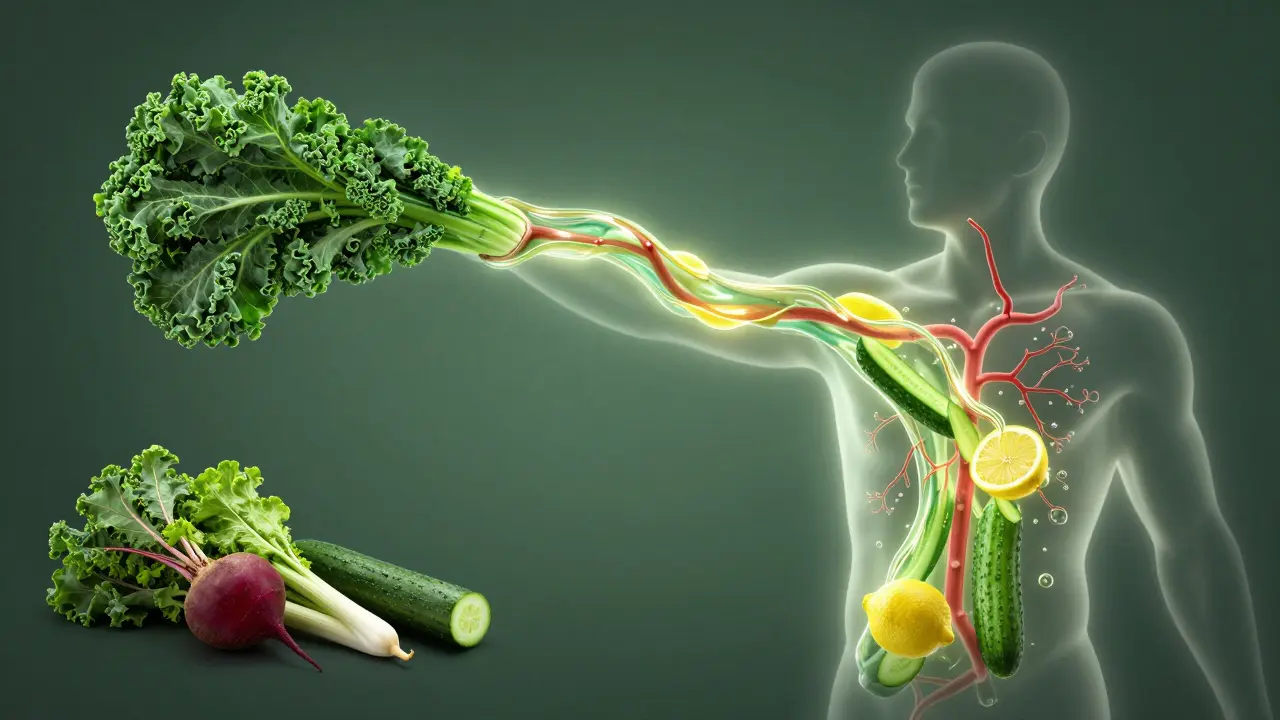
The science behind it? A 2024 study from the Journal of Nutritional Biochemistry found that people who drank 8 ounces of cold-pressed green juice daily for four weeks saw a 28% increase in antioxidant levels in their blood. That’s not magic. That’s kale, parsley, cucumber, and lemon doing their job.
Why Now? The Rise of the Juice Culture
Why is this trend exploding in 2026? Three reasons:
- Work culture changed. People are tired of energy drinks and coffee crashes. They want steady focus without jitters. Health juice delivers natural B-vitamins and electrolytes that help maintain energy without spiking insulin.
- Social media pushed it. Instagram reels of colorful juices with captions like “My 3-day reset” went viral. People saw glowing skin, clearer sinuses, and better sleep-and wanted it too.
- Supply chains improved. Farmers now grow specialty greens like wheatgrass, spirulina, and microgreens just for juice brands. Cold-pressed technology got cheaper. Storage got better. No more spoilage in 48 hours.
It’s not about detoxing. That word is misleading. Your liver detoxes. Your kidneys detox. Juice doesn’t “cleanse” you. What it does is give your body a break from processed foods and overload it with micronutrients it’s probably missing.
The Real Benefits (and What’s Overhyped)
Let’s cut through the noise. Here’s what actually happens when you drink health juice regularly:
- Improved hydration. Most people don’t drink enough water. Juices made with cucumber, celery, and watermelon are 90% water and packed with minerals.
- Better skin. Vitamin C from citrus, beta-carotene from carrots, and zinc from spinach help reduce inflammation. One 2025 survey of 2,000 regular juice drinkers found 61% reported fewer breakouts after six weeks.
- Stronger immunity. A 2023 trial at the University of California showed participants who drank a daily 12-ounce blend of kale, ginger, apple, and lemon had 40% fewer colds over winter.
- More consistent energy. No sugar crash. No caffeine dependency. Just slow-release nutrients from whole plants.
But here’s what it doesn’t do:
- It doesn’t replace meals. You still need protein and healthy fats.
- It doesn’t cure disease. Don’t think this is medicine.
- It doesn’t make you lose weight fast. Juice alone won’t burn fat. But replacing sugary snacks with juice? That helps.
What’s in Your Bottle? The Ingredient Trap
Not all health juice is healthy. Some brands add apple juice to sweeten bitter greens. Others use pasteurization that kills enzymes. And a lot of them don’t even use real vegetables.
Here’s how to read a label:
- First ingredient should be a vegetable. If it starts with “apple juice,” you’re getting mostly sugar.
- No added sugar. Check for “organic cane sugar,” “agave,” or “honey.” Even if it’s natural, it’s still sugar.
- Cold-pressed. This means no heat was used. Heat destroys enzymes and antioxidants.
- Shelf life under 72 hours. If it lasts weeks, it’s pasteurized or has preservatives.
- Color matters. Deep green means chlorophyll. Deep red means beets or pomegranate. Pale yellow? Probably just apple and cucumber.
One 2025 test by Consumer Reports found that 3 out of 10 popular “health juice” brands had more sugar than a can of soda. And one even contained artificial flavoring labeled as “natural flavor.”
How to Make It Work for You
So how do you actually benefit? Here’s a simple plan:
- Start with 4 ounces a day. Too much too fast can cause bloating or diarrhea from too much fiber in the juice.
- Drink it on an empty stomach. First thing in the morning or 30 minutes before a meal. That’s when absorption is highest.
- Rotate your greens. Don’t drink kale juice every day. Rotate with spinach, beet greens, romaine, and dandelion. Different plants = different nutrients.
- Pair it with protein. Have a boiled egg or a handful of almonds after your juice. Your body needs fat and protein to absorb vitamins like A, D, E, and K.
- Don’t rely on it. Juice is a supplement. Not a replacement. Eat your veggies. Chew them. Your gut needs the fiber.
The Bottom Line
Health juice isn’t a miracle. But it’s one of the easiest ways to get more nutrients into your day without changing your whole diet. If you’re eating fast food, drinking soda, and skipping vegetables, a daily 8-ounce bottle of real health juice can be a game-changer.
But if you’re already eating well? Then it’s just a nice boost. Not a necessity.
The trend isn’t going away. By 2027, the global health juice market will hit $18 billion. More people are choosing it because it’s convenient, tasty, and works. Not because it’s trendy. Because it actually helps.
So go ahead. Try it. But read the label. Know what you’re drinking. And remember: the best health juice is the one you’ll actually drink every day.
Is health juice better than eating whole vegetables?
No, it’s not better-it’s different. Whole vegetables give you fiber, which slows digestion, feeds good gut bacteria, and helps control blood sugar. Juice skips the fiber, so nutrients hit your bloodstream faster. But you miss out on the gut benefits of fiber. The best approach? Eat your veggies and drink juice on days you’re short on time.
Can health juice help with weight loss?
It can help, but not the way most people think. Juice itself doesn’t burn fat. But replacing sugary snacks or sugary drinks with a low-sugar, nutrient-dense juice can reduce daily calorie intake. One study found that people who swapped their afternoon soda for 8 oz of green juice lost an average of 3.7 pounds over 6 weeks-just from cutting sugar, not from the juice itself.
Does health juice detox your body?
No. Your liver and kidneys detox your body every day. Juice doesn’t “cleanse” anything. The word “detox” is marketing. What juice does is flood your system with antioxidants and phytonutrients that support your liver’s natural function. Think of it like giving your body better tools, not cleaning out trash.
How often should I drink health juice?
Once a day is enough for most people. Drinking more than that can lead to too much sugar (even from fruit) or too many oxalates (from spinach and beet greens), which can affect kidney health in sensitive individuals. Stick to one serving, and make sure it’s mostly vegetables-not fruit.
Can I make health juice at home?
Yes, and it’s cheaper and fresher. All you need is a cold-pressed juicer (not a blender). Start simple: 2 cucumbers, 1 green apple, half a lemon, a handful of parsley, and a thumb of ginger. Drink it right away. If you can’t, store it in a glass jar with no air space and refrigerate-it’ll last 24 hours max.