
Stop drinking sugar water and start fueling your body
Most people think a glass of orange juice counts as a health kick. In reality, many store-bought options are basically liquid candy, stripped of the fiber and loaded with additives. If you want the real benefits of health juice, you have to move past the supermarket aisle. The goal isn't just to make something that tastes like a treat, but to create a concentrated dose of vitamins and minerals that your body can absorb almost instantly.
When you strip away the pulp, you're left with a potent elixir. But there's a catch: without the fiber, the natural sugars in fruit can spike your insulin levels. The secret to a truly nutritional blend is the balance between leafy greens, hydrating vegetables, and a small amount of low-glycemic fruit. It's the difference between a sugar rush and a sustained energy boost that lasts until dinner.
Quick Wins for Your Morning Routine
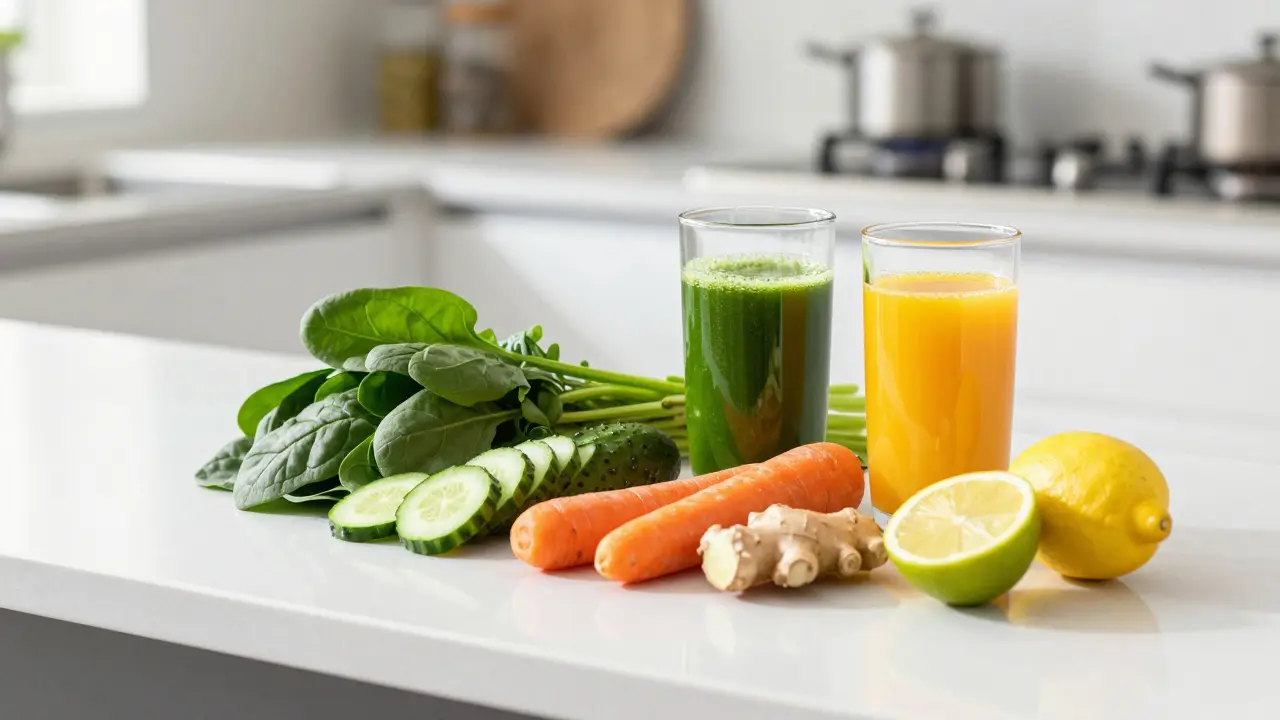
- The Green Machine: Spinach, cucumber, green apple, and lemon.
- The Glow Up: Carrots, ginger, turmeric, and orange.
- The Deep Detox: Kale, celery, parsley, and lime.
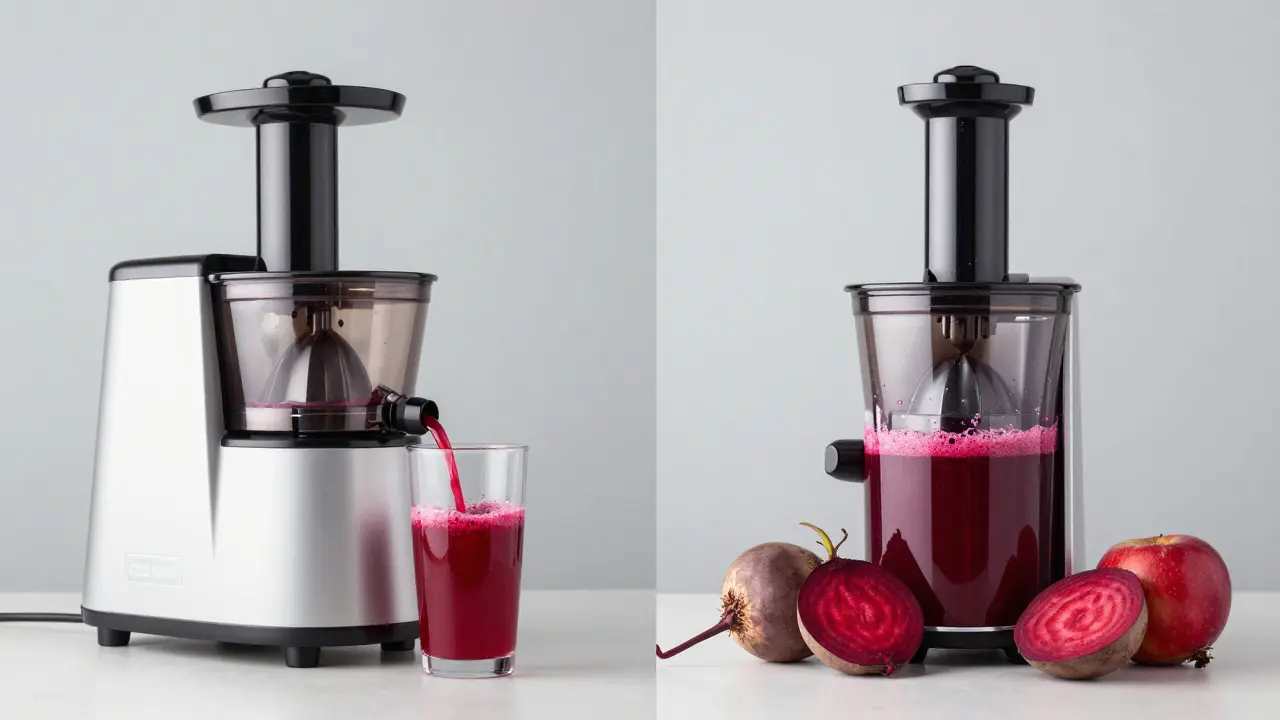
- The Root Reset: Beets, apple, lemon, and a pinch of black pepper.
The science of extraction: Centrifugal vs. Cold-Press
Not all juicers are created equal. If you're serious about nutrition, you need to understand how the machine affects the nutrients. Centrifugal Juicers is a type of juicer that uses a fast-spinning blade to separate juice from pulp using centrifugal force. These are fast and cheap, but the high-speed blades generate heat. Heat is the enemy of enzymes and sensitive vitamins like Vitamin C.
On the other hand, Cold-Press Juicing (also known as masticating) uses a slow auger to crush the produce. Because there's minimal heat and less oxygen exposure, the juice stays fresh longer and retains more nutrients. If you've ever noticed that centrifugal juice separates into layers after ten minutes, that's oxidation at work. Cold-press juice stays homogenized and vibrant for much longer.
| Feature | Centrifugal | Cold-Press (Masticating) |
|---|---|---|
| Extraction Speed | Very Fast | Slow |
| Nutrient Retention | Moderate (Heat loss) | High (Cold process) |
| Leafy Green Efficiency | Low | Very High |
| Shelf Life | 24 Hours | 48-72 Hours |
Building the perfect blend from scratch
You don't need a culinary degree to make a juice that tastes great. You just need a basic formula. Think of your juice like a painting: you need a base, a flavor enhancer, and a nutritional powerhouse.
Start with your base. Cucumber and Celery are the gold standards here. They have high water content, meaning they provide the volume without adding too many calories or overpowering the other ingredients. A 60% base ratio keeps the drink refreshing rather than thick like a smoothie.
Next, add your nutrition boosters. This is where you bring in Kale or Spinach. These greens are packed with chlorophyll and iron, which help with oxygen transport in your blood. If you're feeling sluggish, a handful of spinach can provide a noticeable lift in alertness.
Finally, fix the taste. Raw kale can taste like dirt if you aren't careful. Add a squeeze of Lemon or Lime to cut through the bitterness. If you need sweetness, go for a green apple or a pear. Avoid using too much pineapple or mango, as they can turn a "health juice" into a dessert very quickly.
Navigating the 'Sugar Trap' and Insulin Spikes
Let's be honest: the biggest mistake people make is juicing only fruit. When you eat a whole orange, the fiber slows down the absorption of sugar. When you juice it, you remove that barrier. The sugar hits your bloodstream instantly, causing a spike in Insulin, the hormone responsible for regulating glucose levels. Over time, frequent spikes can lead to energy crashes and increased cravings.
To avoid this, follow the 80/20 rule: 80% vegetables and 20% fruit. If you're using a sweet fruit like pineapple, balance it with a bitter vegetable like Arugula or a spicy root like Ginger. Ginger doesn't just add a zingy flavor; it's a powerhouse for digestion and reducing inflammation in the joints. Try adding a one-inch knob of fresh ginger to any green juice to instantly improve the flavor profile.
Advanced Add-ins for Functional Benefits
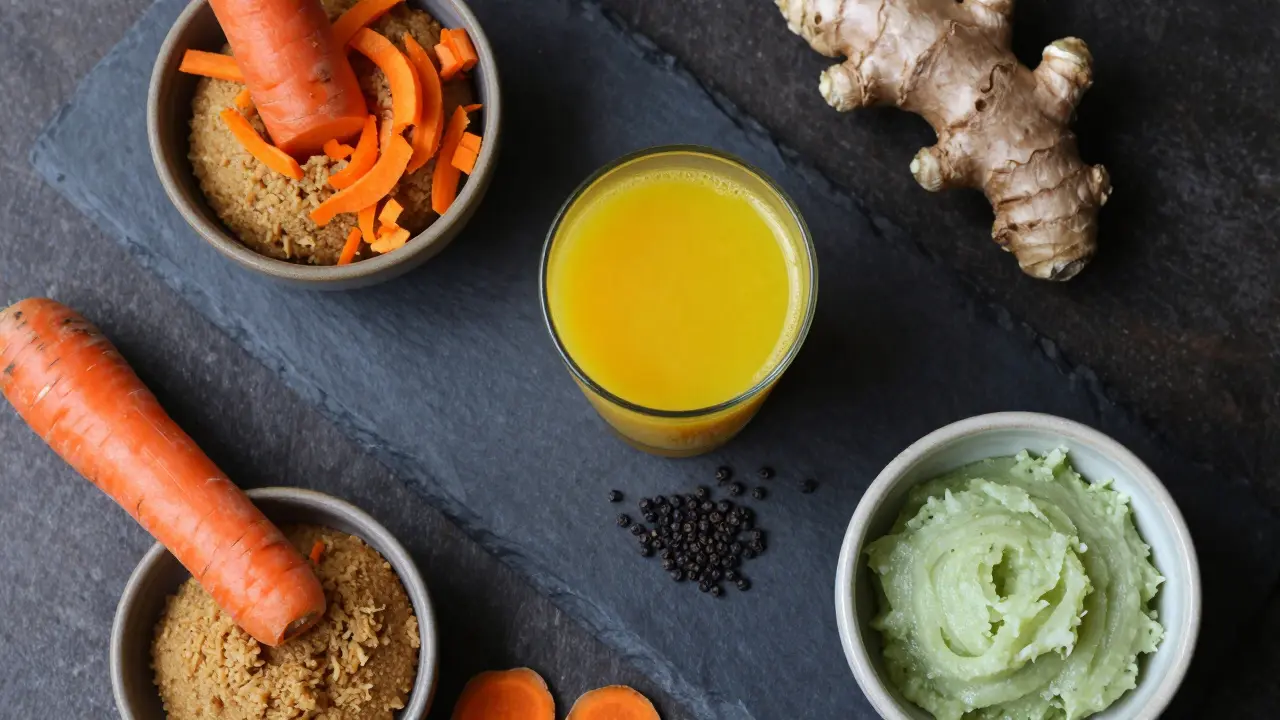
Once you've mastered the basics, you can start adding "functional" ingredients. These are items that serve a specific health purpose beyond basic vitamins. For example, Turmeric is widely used for its curcumin content, which acts as a natural anti-inflammatory. However, turmeric is hard for the body to absorb on its own. To fix this, always add a pinch of black pepper to your turmeric juice. The piperine in black pepper increases curcumin absorption by up to 2,000%.
Another great addition is Beets. Beets are rich in nitrates, which the body converts into nitric oxide. This relaxes your blood vessels and increases oxygen flow to your muscles. Many athletes drink beet juice before a workout to improve endurance and reduce the amount of oxygen they need to exercise at a certain intensity. If you find the earthy taste of beets too strong, pair them with a crisp Granny Smith apple.
Practical Tips for Zero-Waste Juicing
One of the biggest deterrents to juicing is the mountain of pulp left behind. It feels like you're throwing away half your produce. But that pulp is still full of fiber and nutrients. Instead of tossing it in the bin, try these three methods:
- Garden Compost: Vegetable pulp is nitrogen-rich and makes an incredible addition to your garden soil.
- Baking: Carrot or beet pulp can be folded into muffins, crackers, or veggie burgers. It adds moisture and a boost of nutrients without changing the flavor much.
- Skin Masks: Cucumber and aloe pulp make soothing, natural face masks that hydrate the skin and reduce redness.
To keep your produce fresh longer, store your greens in glass containers with a paper towel to absorb excess moisture. This prevents the "slimy leaf" syndrome and ensures your juices taste crisp rather than fermented.
Can I replace a full meal with health juice?
Generally, no. While juice provides concentrated micronutrients, it lacks the protein, healthy fats, and fiber needed to keep you full and maintain muscle mass. Use juice as a supplement to your diet-perhaps as a morning tonic or a pre-workout boost-but ensure your main meals include solid proteins and fats.
How long does fresh juice actually last?
Centrifugal juice starts losing nutrients almost immediately and should be drunk within 24 hours. Cold-press juice is more stable and can last 48 to 72 hours if stored in an airtight glass bottle (like a Mason jar) filled to the very top to minimize oxygen exposure.
Is juicing safe for people with diabetes?
People with diabetes should be cautious because juicing removes fiber, leading to faster sugar absorption. The best approach is to stick to strictly vegetable-based juices (like celery, cucumber, and kale) and avoid fruit-heavy blends. Always consult a doctor before starting a regular juicing regimen.
Do I need to peel my vegetables before juicing?
Most of the nutrients are in or just under the skin. For carrots and cucumbers, just a good scrub is enough. However, you should peel citrus fruits if you are using a juicer that processes the rind, as the bitter oils from the skin can overpower the taste. Always wash produce thoroughly to remove pesticides.
Why does my juice taste bitter?
Bitterness usually comes from overusing dark leafy greens like kale or chard. You can neutralize this by adding an acid (lemon or lime) or a small amount of sweetness (apple or pear). Additionally, ensure your produce is fresh; wilted greens often have a more pungent, bitter flavor.
Next Steps for Your Juicing Journey
If you're just starting, don't buy the most expensive machine on day one. Start with a basic blend using a blender and a strainer to see which flavors you actually enjoy. Once you've found your favorite combination, invest in a masticating juicer for better long-term health benefits.
For those looking to level up, try "shot-style" juicing. Instead of a giant glass, make concentrated 2-ounce shots of ginger, turmeric, and lemon. These are easier to integrate into a busy workday and provide a powerful immune system kick without the need for a full meal replacement. Keep a batch in the fridge and take one every morning for a week-you'll likely notice a difference in your energy and digestion within a few days.




Jun 18 2026