
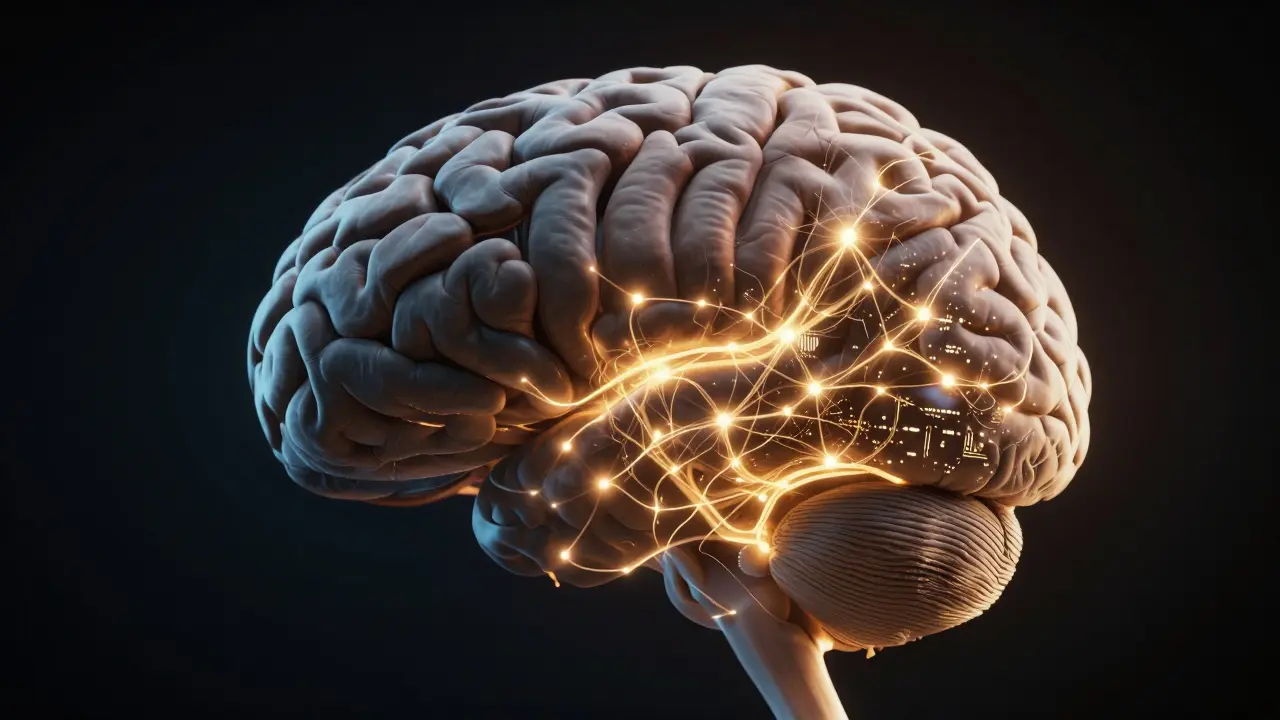
Ever catch yourself spiraling after a bad day, convinced that everything is falling apart? You’re not alone. Most of us have been there. But what if shifting your perspective-even just slightly-could actually change how your brain handles stress? It’s not about pretending life is perfect. It’s about understanding the real, measurable power of positivity on mental health.
We often hear "just think positive" as empty advice. In reality, decades of research in positive psychology show that cultivating a genuine optimistic outlook can rewire neural pathways, lower cortisol levels, and build emotional resilience. This isn’t magic; it’s biology meeting behavior. Let’s break down how this works, why some approaches fail, and how you can apply realistic strategies to protect your mental well-being in 2026.
The Science Behind Positive Thinking
To understand why positivity matters, we first need to look at the brain. For years, psychology focused heavily on fixing what was broken-treating depression, anxiety, and trauma. While that work remains critical, researchers like Martin Seligman pioneered a shift toward studying what makes life worth living. This field, known as positive psychology, the scientific study of human flourishing and optimal functioning, explores how strengths and positive emotions contribute to mental health.
When you experience genuine positive emotions-joy, gratitude, interest, hope-your brain releases neurotransmitters like dopamine and serotonin. These chemicals don’t just make you feel good in the moment; they broaden your awareness and build long-term resources. Barbara Fredrickson’s "Broaden-and-Build" theory explains this perfectly. Negative emotions narrow your focus to immediate threats (fight or flight), while positive emotions expand your thinking, allowing you to be more creative, social, and resilient.
Neuroplasticity plays a huge role here. Your brain changes based on what you repeatedly do. If you constantly scan for danger or failure, you strengthen those negative neural pathways. Conversely, practicing gratitude or focusing on solutions strengthens circuits associated with reward and calm. Over time, this makes positive responses more automatic. It’s like building a muscle: the more you use it, the stronger it gets.
Positivity vs. Toxic Positivity: Knowing the Difference
Here’s where things get tricky. There’s a massive difference between healthy optimism and toxic positivity, the harmful belief that one must maintain a positive mindset regardless of the situation. Toxic positivity dismisses valid negative emotions, telling people to "stay positive" when they’re grieving, stressed, or angry. This suppression actually worsens mental health outcomes because it creates shame around natural human experiences.
Healthy positivity acknowledges reality. It says, "This situation sucks, but I can handle it," rather than "Everything is amazing." Research shows that accepting negative emotions without judgment reduces their intensity. When you allow yourself to feel sad or frustrated, you process the emotion faster. Suppressing it keeps it stuck in your system, leading to higher anxiety and physical stress symptoms.
The key is balance. Aim for a ratio of roughly three positive interactions or thoughts for every one negative one. This doesn’t mean ignoring problems. It means ensuring your internal dialogue isn’t dominated by criticism or despair. It’s about adding constructive perspectives alongside honest acknowledgment of difficulty.
Practical Strategies to Cultivate Resilience
You don’t need a personality transplant to benefit from positivity. Small, consistent habits can shift your baseline mood over time. Here are evidence-based techniques that actually work:
- Gratitude Journaling: Writing down three specific things you’re grateful for each day activates the prefrontal cortex, which regulates emotion. Be specific: instead of "family," write "my sister called to check on me today." Specificity triggers deeper emotional engagement.
- Cognitive Reframing: This involves identifying distorted thoughts and replacing them with balanced ones. If you think, "I failed this presentation, so I’m incompetent," reframe it to, "I stumbled on a few points, but I delivered most of it well and can improve next time." This reduces all-or-nothing thinking.
- Savoring Positive Moments: Most people rush through good experiences. Savoring means pausing to fully absorb a positive event-whether it’s a delicious meal or a compliment. Studies show that savoring extends the duration of positive affect and boosts overall life satisfaction.
- Acts of Kindness: Doing something nice for others releases oxytocin, the bonding hormone. It improves your mood more reliably than receiving kindness. Try sending a thank-you note or helping a colleague without expecting anything in return.
These aren’t quick fixes. They require practice. Start with one technique and stick with it for two weeks before adding another. Consistency beats intensity when it comes to rewiring your brain.

Impact on Physical Health and Longevity
Your mind and body are deeply connected. Chronic negativity keeps your nervous system in a state of low-grade alarm, flooding your body with cortisol and adrenaline. Over time, this increases inflammation, weakens the immune system, and raises the risk of heart disease, diabetes, and sleep disorders.
Conversely, a positive outlook correlates with better cardiovascular health, lower blood pressure, and faster recovery from illness. A landmark study published in *Psychosomatic Medicine* found that older adults with higher levels of positive affect lived longer than those with negative affect, even after controlling for factors like smoking and exercise. Optimism appears to buffer against the physiological wear and tear of stress.
This connection works both ways. Regular physical activity boosts mood by releasing endorphins, creating a virtuous cycle. Sleep hygiene also plays a crucial role; poor sleep amplifies negative thinking, while restorative sleep enhances emotional regulation. Prioritizing these basics supports your mental health foundation.
| Aspect | Healthy Positivity | Toxic Positivity |
|---|---|---|
| Emotional Validation | Acknowledges pain and struggle | Dismisses or minimizes negative feelings |
| Focus | Growth, solutions, and resilience | Maintaining an artificially happy facade |
| Response to Failure | Learning opportunity and self-compassion | Shame and denial |
| Long-Term Effect | Increased resilience and well-being | Suppressed emotions and increased anxiety |
Building Social Connections Through Positivity
Humans are social creatures. Our mental health depends heavily on the quality of our relationships. Positive individuals tend to attract and maintain stronger social networks. Why? Because positivity is contagious. When you approach interactions with curiosity and warmth, others respond in kind. This creates a feedback loop of support and connection.
However, this doesn’t mean you should tolerate toxic relationships. Healthy boundaries are essential. Positivity thrives in environments where mutual respect exists. Surround yourself with people who encourage growth, listen actively, and share your values. Distance yourself from those who consistently drain your energy or dismiss your feelings.
Community involvement also boosts mental health. Volunteering, joining clubs, or participating in group activities provides a sense of purpose and belonging. These connections act as buffers against loneliness, which is a significant risk factor for depression and cognitive decline.

Overcoming Barriers to Positive Change
Changing your mindset isn’t easy, especially if you’ve struggled with mental health issues for years. Past trauma, chronic stress, or biological factors can make optimism feel out of reach. That’s okay. Progress isn’t linear.
If you find yourself stuck in negative thought patterns despite trying these strategies, consider seeking professional help. Therapies like Cognitive Behavioral Therapy (CBT) and Acceptance and Commitment Therapy (ACT) are highly effective for restructuring thought processes. Medication may also be necessary for some conditions. There’s no shame in needing extra support; it’s a sign of strength, not weakness.
Be patient with yourself. Some days will be harder than others. The goal isn’t perfection-it’s progress. Celebrate small wins. Notice when you catch a negative thought and choose a different response. Those moments matter.
Integrating Positivity Into Daily Life
Making positivity a habit requires intentional integration into your routine. Start your morning with intention. Instead of scrolling through news immediately, spend five minutes reflecting on what you’re looking forward to. Use commute time to listen to uplifting podcasts or music rather than ruminating on worries.
Create environmental cues. Place sticky notes with affirmations or reminders of your goals in visible spots. Curate your social media feeds to include accounts that inspire and educate rather than provoke envy or anger. Your digital environment shapes your mental landscape.
End your day with reflection. Ask yourself, "What went well today?" Even on tough days, something usually goes right. Identifying it trains your brain to scan for positives automatically. Over time, this shifts your default mode from threat detection to opportunity recognition.
Can positivity really cure mental illness?
No, positivity alone cannot cure clinical mental illnesses like major depressive disorder or bipolar disorder. These conditions often involve biological imbalances and complex psychological factors requiring professional treatment. However, positive psychology techniques can complement therapy and medication, improving overall quality of life and resilience during recovery.
How long does it take to see benefits from positive thinking?
Most studies suggest that consistent practice over six to eight weeks leads to noticeable changes in mood and stress levels. Neuroplasticity takes time; you’re literally rebuilding neural pathways. Some people report feeling better within days, while others need months of dedicated effort. Consistency is far more important than speed.
Is gratitude journaling effective for everyone?
While many benefit from gratitude journaling, it can backfire for individuals experiencing severe depression or trauma. Forcing positivity in such states may lead to guilt or invalidation of pain. If writing feels forced or distressing, try alternative methods like verbal sharing with a trusted friend or focusing on sensory appreciation instead.
What is the difference between optimism and denial?
Optimism acknowledges challenges but focuses on potential solutions and personal agency. Denial ignores reality altogether, refusing to recognize problems or risks. An optimist says, "This is hard, but I can figure it out." A person in denial says, "This isn’t happening." The former builds resilience; the latter leaves you unprepared.
Can childhood experiences affect your ability to be positive?
Absolutely. Early life experiences shape core beliefs about safety, trust, and self-worth. Traumatic or neglectful upbringings can create deep-seated negative schemas that persist into adulthood. Healing these wounds often requires therapeutic intervention alongside positive practices. With proper support, however, anyone can develop healthier thought patterns regardless of their past.

Apr 17 2025