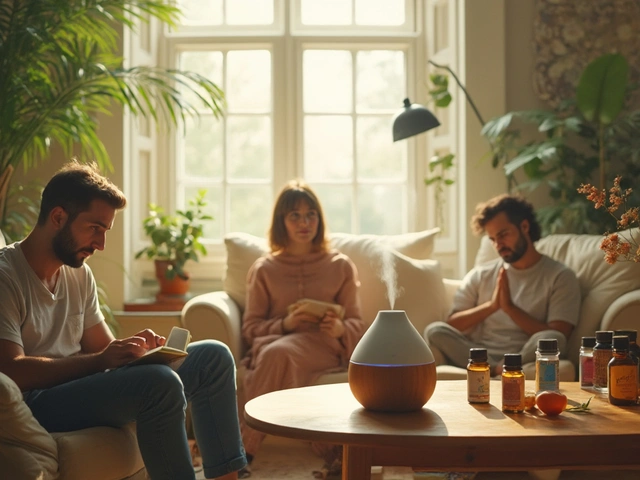
Most people think stress is just in your head. But your body doesn’t lie. When you’re overwhelmed, your heart races, your shoulders tighten, your breathing gets shallow-your nervous system is screaming for help. What if you could see those signals in real time? Not guess. Not hope. Biofeedback lets you see your body’s hidden responses-and use that information to take back control.
What Biofeedback Actually Is (No Jargon)
Biofeedback is a simple idea: use tools to measure what your body is doing, then learn how to change it. It’s not magic. It’s science. Devices track things like heart rate, muscle tension, skin temperature, and brainwave patterns. You see the numbers or hear the sounds, and over time, you start to notice how your thoughts and breathing affect them.
Think of it like a fitness tracker for your nervous system. Most fitness trackers tell you how many steps you took. Biofeedback tells you how calm your body really is. A 2023 study from the University of Auckland followed 120 adults using biofeedback for anxiety. After eight weeks, 78% reported significantly lower stress levels-not because they meditated more, but because they learned to recognize when their body was tipping into fight-or-flight mode.
How It Works: Your Body’s Signals, Explained
Your body sends out four main signals that biofeedback tools can pick up:
- Heart rate variability (HRV): This measures the tiny changes between heartbeats. High HRV means your body is flexible and calm. Low HRV? That’s your stress alarm going off.
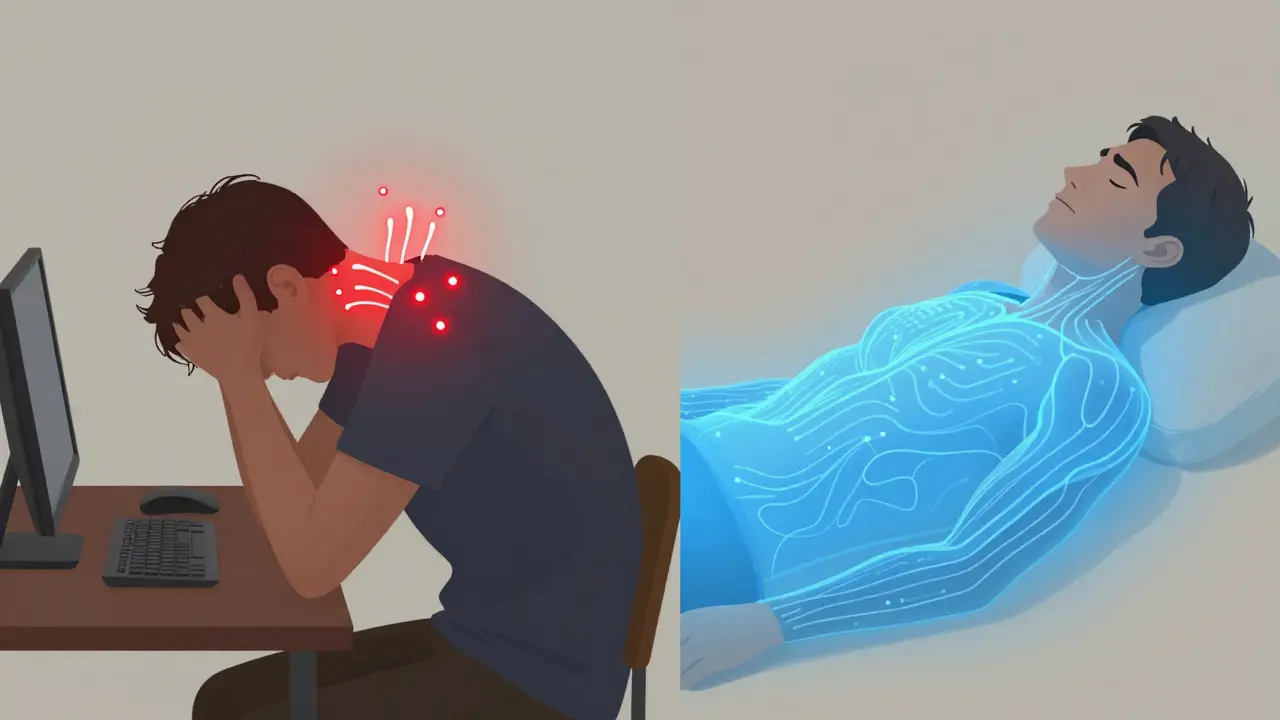
- Electromyography (EMG): This tracks muscle tension. If you’re clenching your jaw or hunching your shoulders all day, EMG shows it. Most people don’t realize they’re doing it until they see the numbers.
- Galvanic skin response (GSR): This measures sweat on your skin. More sweat? Your sympathetic nervous system is active-aka, stressed.
- Temperature: Cold fingers? That’s your body diverting blood away from your extremities during stress. Warm hands? You’re relaxing.
These aren’t abstract concepts. They’re physical changes you can feel and fix. One client I worked with in Christchurch kept getting headaches. She thought it was from screen time. But her biofeedback device showed her shoulders were tensed at 85% max tension for 12 hours a day. Once she saw it, she could unclench. The headaches stopped in two weeks.
Tools You Can Use Right Now
You don’t need a hospital room. There are affordable, FDA-cleared tools you can use at home:
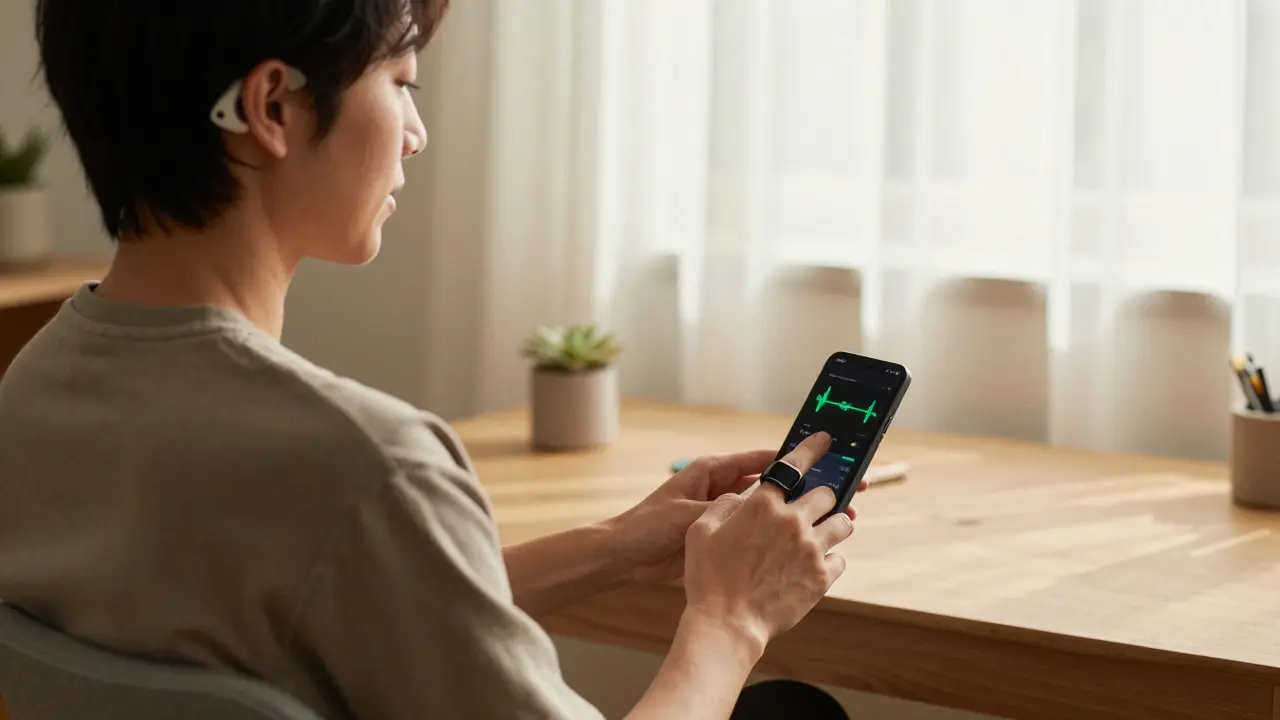
- Heart rate variability monitors: Devices like the HeartMath InnerBalance is a a small sensor that clips to your ear and connects to your phone via Bluetooth, showing your HRV in real time. It gives you a simple color: green for calm, red for stressed.
- EMG wearables: The MyoMotion is a wearable band that tracks muscle tension in your neck and shoulders. It vibrates when you’re tensing up-no apps, no screens.
- Smart rings: Rings like the Oura Ring is a wearable that tracks HRV, sleep, and recovery. It doesn’t scream at you. It quietly shows you trends over time.
- Mobile apps: Apps like Biofeedback Pro is a app that uses your phone’s camera to measure HRV from your fingertip. It’s free, no extra gear needed.
Start with one. Pick the signal that matters most to you. If you’re always tense, go for EMG. If you feel anxious but don’t know why, start with HRV.
Real-Life Practice: A Simple Routine
You don’t need 30 minutes a day. Try this 5-minute routine:
- Set up your device. Clip on the sensor, put on the ring, open the app.
- Take three slow breaths-inhale for four counts, hold for two, exhale for six.
- Watch the reading. Does it move? Good. That’s your body responding.
- Now, tense your shoulders on purpose. Hold for five seconds. Let go. Watch the reading spike and drop.
- Repeat this three times. You just trained your brain to recognize tension and release it.
Do this once a day for a week. You’ll start noticing tension before it becomes pain. You’ll catch yourself clenching your jaw in traffic. You’ll realize your stomach knots up before meetings. Awareness is the first step to change.
Who Benefits Most?
Biofeedback isn’t just for people with anxiety. It helps:
- People with chronic pain: Studies show biofeedback reduces migraine frequency by up to 50% over six months.
- High-performers: Athletes, CEOs, and musicians use it to stay calm under pressure.
- Parents and caregivers: Constant stress drains you. Biofeedback helps you reset before you burn out.
- People with insomnia: If you lie awake because your body won’t shut down, biofeedback teaches you how to lower your heart rate and warm your hands-two key triggers for sleep.
It’s not a cure. It’s a skill. Like learning to ride a bike. You might wobble at first. But once you get it, you never forget.
What It Won’t Do
Biofeedback isn’t a magic wand. Don’t expect:
- Instant calm after one session.
- Replacement for therapy or medication if you need them.
- Results without practice.
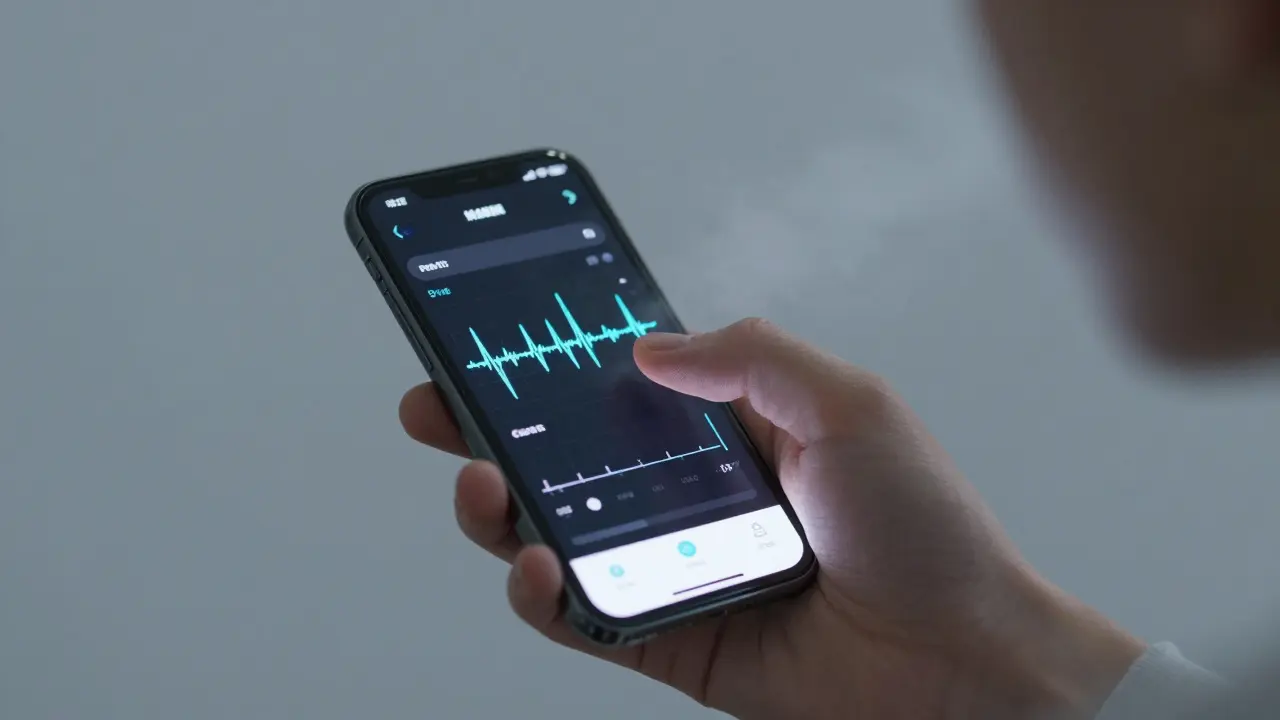
It works best when paired with breathing, movement, or mindfulness. Think of it as your body’s dashboard. It tells you what’s wrong. You still have to drive the car.
Why It Works: The Science Behind the Screen
The brain is wired to learn from feedback. That’s how we learn to walk, talk, or play piano. Biofeedback just gives your nervous system clearer signals.
When you see your heart rate drop after a deep breath, your brain says: "That worked." Next time you feel stressed, it remembers. You don’t need to think about it. Your body just does it.
Research from the American Psychological Association is a professional body that endorses biofeedback as an evidence-based treatment for anxiety, migraines, and hypertension confirms this. Over 300 peer-reviewed studies support its use. It’s not fringe. It’s mainstream.
Getting Started: What to Do Today
Here’s your next step:
- Download a free HRV app like Biofeedback Pro or HeartMath’s free version.
- Use it while sitting still for five minutes.
- Notice how your breathing affects the reading.
- Try exhaling longer than you inhale. Watch what happens.
That’s it. No cost. No pressure. Just curiosity.
If you’re serious, invest in a simple device. Even $50 can give you real data. But you don’t need to buy anything to start. Your body is already giving you signals. Biofeedback just helps you listen.
Can biofeedback help with anxiety?
Yes. Multiple studies show biofeedback reduces anxiety symptoms by helping people recognize early signs of stress-like rising heart rate or muscle tension-and learn to calm their nervous system before anxiety spirals. It’s especially effective when combined with breathing exercises.
Is biofeedback the same as meditation?
No. Meditation is about quieting the mind. Biofeedback is about seeing what your body is doing. You can meditate without it. But biofeedback gives you feedback-real-time data-that makes it easier to know if you’re actually relaxing. Many people use them together.
Do I need a professional to use biofeedback?
Not anymore. While therapists and clinics offer biofeedback, many affordable, user-friendly devices are designed for home use. Apps and wearables give you enough feedback to start seeing results on your own. A professional can help if you have complex conditions like chronic pain or PTSD, but most people benefit from self-guided practice.
How long until I see results?
Some people notice changes after one session-especially if they’re highly sensitive to their body’s signals. For lasting results, most people need consistent practice for 2-4 weeks. Think of it like learning to drive: you won’t be smooth on day one, but after a few weeks, it becomes automatic.
Is biofeedback safe?
Yes. Biofeedback devices are non-invasive and measure natural body signals. They don’t send electricity into your body. They just read what’s already there. FDA-cleared devices have passed safety tests. If you have a pacemaker or other implanted device, check with your doctor before using EMG or heart rate sensors.