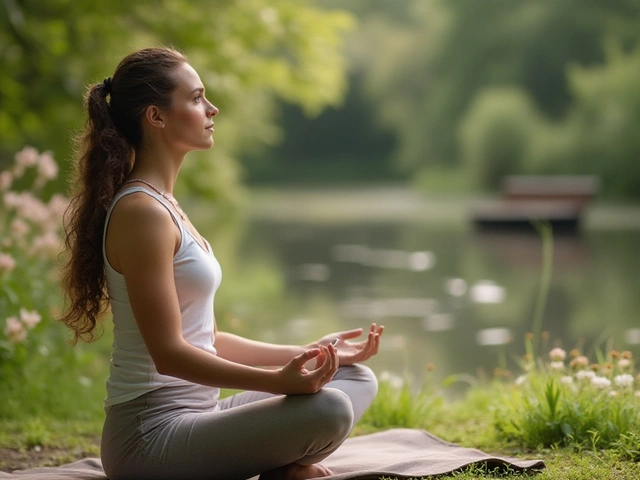
You sit down. You close your eyes. And within thirty seconds, you’re thinking about the email you forgot to send, the grocery list you need to make, or why your knee hurts when it rains. Sound familiar? If so, you aren’t failing at meditation. You are doing it exactly right. The goal isn’t to stop your thoughts; it’s to notice them without getting dragged away by them.
Meditation is often sold as a mystical practice reserved for monks in mountain caves. In reality, it is a practical mental tool. It is a workout for your attention span. Just like lifting weights strengthens your muscles, sitting quietly and focusing on your breath strengthens your ability to stay present. For beginners, the biggest hurdle isn’t the technique-it’s the expectation that the mind should go blank. It won’t. But with a structured approach, you can build a habit that reduces stress, improves focus, and helps you sleep better.
Setting Up Your Practice Space
Before you start counting breaths, you need an environment that supports stillness. You don’t need a dedicated yoga studio or expensive incense. However, small adjustments to your surroundings can make a big difference in how long you can sit comfortably.
- Choose a quiet corner: Find a spot where you won’t be interrupted by family members, roommates, or loud appliances. A spare bedroom, a quiet office, or even a parked car works well.
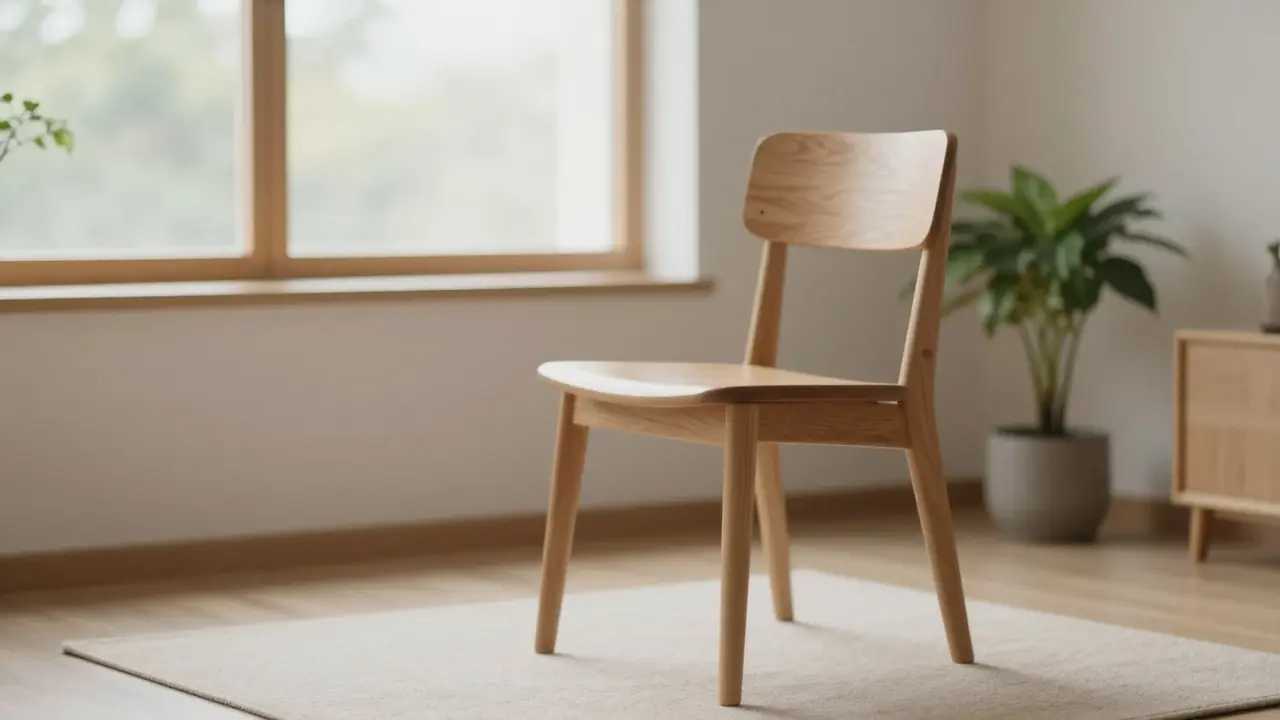
- Get comfortable seating: You do not need to sit cross-legged on the floor if your hips hurt. A sturdy chair with a straight back is perfect. Keep your feet flat on the ground and your hands resting on your lap.
- Minimize distractions: Put your phone in another room or set it to "Do Not Disturb." Visual clutter can also trigger mental clutter, so keep the area tidy.
The key is consistency over comfort. If you are too comfortable, you might fall asleep. If you are uncomfortable, you will quit. Find the middle ground where you are alert but relaxed.
The Core Technique: Breath Awareness
For most beginners, mindfulness meditation is the best starting point. It relies on one simple anchor: your breath. Here is a step-by-step breakdown of how to execute this technique effectively.
- Sit up straight: Align your spine. Imagine a string pulling the crown of your head toward the ceiling. This keeps energy flowing and prevents drowsiness.
- Close your eyes: Or soften your gaze and look at a spot on the floor about three feet in front of you. Closing your eyes removes visual stimuli, making it easier to turn inward.
- Focus on the sensation of breathing: Don’t control your breath. Just observe it. Notice the cool air entering your nostrils and the warm air leaving. Feel your chest rise and fall, or your belly expand and contract.
- Count your breaths: To help maintain focus, count silently from one to ten. Inhale (1), exhale (2), inhale (3), exhale (4). When you reach ten, start again at one.
- Handle distractions: This is the crucial part. Your mind will wander. You will think about dinner, work, or that awkward thing you said five years ago. When you notice this, gently label it "thinking" and return your attention to the breath. Do not judge yourself. The act of noticing and returning is the actual exercise.
Start with just five minutes. Set a timer so you aren’t watching the clock. Five minutes is enough to get the benefit without feeling overwhelmed. As you get used to it, you can increase the duration by one or two minutes each week.
Common Mistakes That Derail New Meditators
Many people give up on meditation because they misunderstand what it feels like. Avoid these common pitfalls to ensure your practice sticks.
| Mistake | Why It Fails | Better Approach |
|---|---|---|
| Trying to empty the mind | Thoughts are natural; suppressing them creates tension. | Observe thoughts like clouds passing in the sky. |
| Meditating only when stressed | You need skills before the crisis hits. | Practice daily, even when you feel fine. |
| Focusing too hard | Straining causes headaches and frustration. | Use gentle, soft focus on the breath. |
| Judging the experience | Thinking "this is boring" adds negative emotion. | Accept boredom as part of the process. |
Remember, there is no such thing as a "bad" meditation session. If you sat for five minutes and noticed your mind wandering fifty times, you did fifty repetitions of bringing your attention back. That is progress.

Guided Meditations: Are They Necessary?
If sitting in silence feels intimidating, guided meditation apps and audio tracks can be incredibly helpful. These recordings provide a voice that leads you through body scans, visualizations, or breathing exercises. They are excellent for beginners because they reduce the cognitive load of figuring out what to do next.
Popular apps like Headspace, Calm, or Insight Timer offer free introductory courses. These tools act like training wheels. Use them until you feel confident practicing on your own. Over time, try transitioning to unguided sessions to strengthen your independent focus. The goal is self-reliance, not dependency on an app.
Building a Sustainable Habit
Motivation gets you started, but habit keeps you going. To make meditation a permanent part of your life, attach it to an existing routine. This is called "habit stacking."
- Morning routine: Meditate right after brushing your teeth or drinking your first glass of water.
- Commute: If you drive, meditate for five minutes before starting the engine. If you take public transit, use the ride for a seated practice.
- Evening wind-down: Meditate before reading or scrolling through social media to signal to your brain that the day is ending.
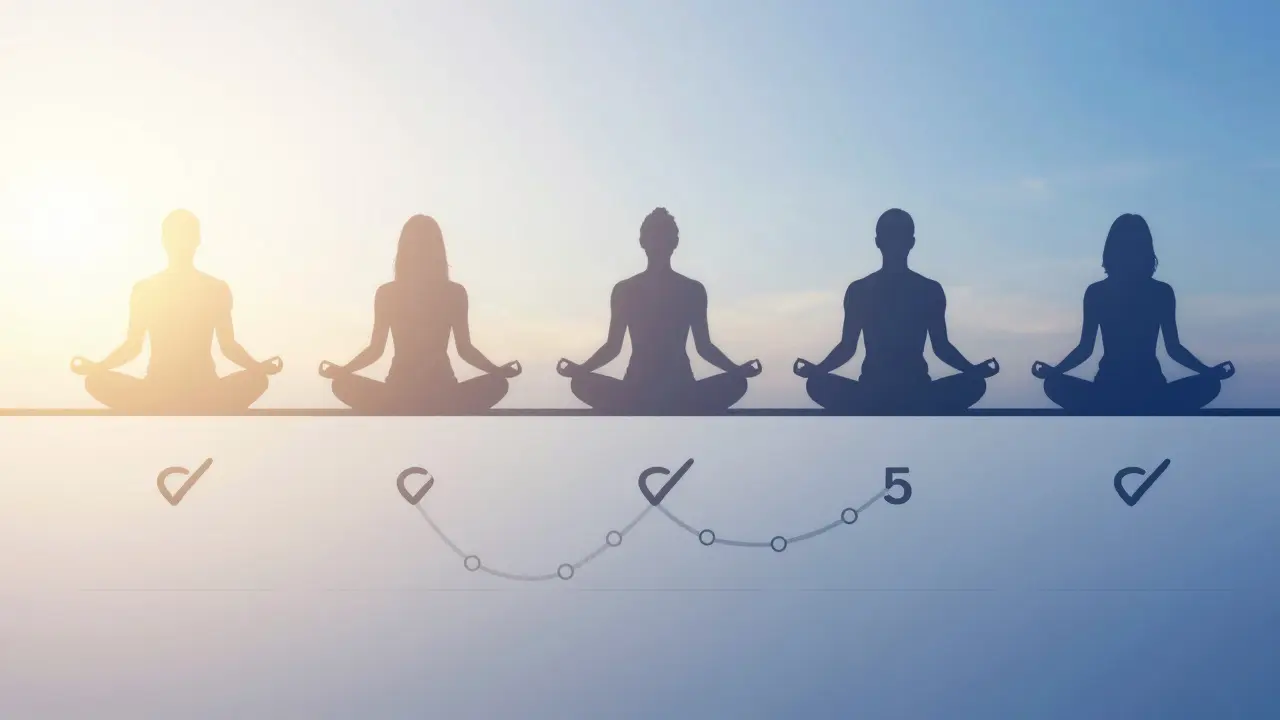
Consistency matters more than duration. Ten minutes every day is far more effective than one hour once a week. Track your streaks using a calendar or an app. Seeing a chain of completed days provides a psychological boost that encourages you to keep going.
Benefits Beyond Relaxation
While relaxation is a nice side effect, the real power of meditation lies in its impact on brain function. Research suggests that regular practice can:
- Reduce cortisol levels: Lowering the primary stress hormone helps manage anxiety and blood pressure.
- Improve emotional regulation: You become less reactive to triggers, allowing you to respond rather than react.
- Enhance focus: Strengthening your attention span improves productivity at work and school.
- Boost empathy: Practices like loving-kindness meditation increase feelings of compassion toward others.
These benefits compound over time. You may not notice a dramatic change after one week, but after a month, you might find yourself handling stressful situations with more ease and clarity.
Troubleshooting Your Practice
What happens when things get difficult? Here are solutions for common challenges.
I’m too restless. Try walking meditation instead. Walk slowly in a quiet space, paying attention to the sensation of your feet touching the ground. This engages the body while calming the mind.
I keep falling asleep. Meditate with your eyes open or stand up. Also, avoid meditating immediately after a heavy meal or when you are exhausted.
I don’t have time. Micro-meditations work. Take three deep, mindful breaths before opening an email or stepping into a meeting. These brief moments of awareness add up throughout the day.
How long should I meditate as a beginner?
Start with 5 to 10 minutes per day. This duration is short enough to be manageable but long enough to establish a rhythm. Gradually increase the time by 1-2 minutes each week as your focus improves.
Is it normal to have thoughts during meditation?
Yes, absolutely. Having thoughts is a natural part of being human. The goal of meditation is not to stop thinking but to notice when your mind has wandered and gently bring your attention back to your anchor, such as your breath.
Can I meditate if I have anxiety?
Yes, meditation can be very helpful for anxiety. However, if silent meditation feels overwhelming, start with guided meditations specifically designed for anxiety relief. These provide structure and support, making the practice safer and more accessible.
Do I need special equipment to meditate?
No, you do not need any special equipment. While cushions, mats, or bells can enhance the experience, they are optional. All you really need is a comfortable seat and a quiet space where you won't be disturbed.
What is the best time of day to meditate?
The best time is whenever you can consistently practice. Many people prefer morning meditation to set a calm tone for the day, while others find evening sessions helpful for winding down. Experiment with different times to see what fits your schedule best.