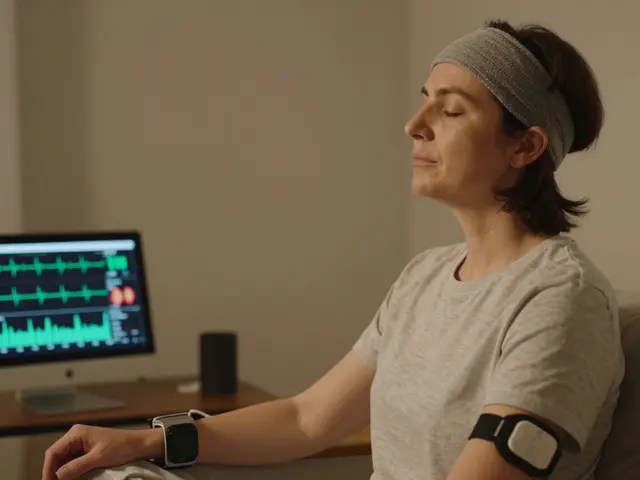
Trauma Recovery: Practical Steps to Heal and Feel Safer
Trauma changes how your body and mind handle stress. You don’t need to be perfect to get better—small, steady actions build safety and control. Here are clear, useful steps you can use right away, plus what to expect as you move forward.
Quick tools you can use now
When a memory or flashback hits, grounding works fast. Try the 5-4-3-2-1 exercise: name 5 things you can see, 4 you can touch, 3 you can hear, 2 you can smell, 1 you can taste. Breathe slowly: inhale for 4, hold 2, exhale 6. If your body feels keyed up, move—walk, sway, or stretch for a few minutes. Cold water on your face or a cold pack on your neck can bring you back to the present.
Keep a short coping list on your phone: two breathing patterns, one grounding trick, one calming song, and a person to call. That small list reduces panic and makes choices easier when you’re shaken.
Daily habits that matter
Routine helps the nervous system. Aim for regular sleep, simple meals, and short movement breaks. Sleep and food don’t fix trauma alone, but they make therapy and coping tools work better. Try 10 minutes of gentle movement daily—walking, yoga, or stretching—to lower tension over time.
Write three lines at night: what went okay, what felt hard, and one small plan for tomorrow. That short habit builds perspective and shows progress you might miss otherwise.
Therapy choices matter. Cognitive Behavioral Therapy (CBT) helps change unhelpful thoughts. EMDR focuses on processing painful memories with guided eye movements. Somatic approaches target body sensations and can relieve tension that words don’t touch. Creative arts therapies—art, music, drama—give another route when talking feels tight. If you’re unsure, ask a therapist what they use and why; a good fit speeds healing.
Group support can reduce isolation. A peer group or trauma-focused support group lets you hear others’ strategies and feel less alone. If group feels too big, try an online forum or a moderated chat first.
Set safe boundaries. Tell close people what you need: quiet time after heavy talks, reminders before tough topics, or short check-ins. Practice saying one clear request: “I need 10 minutes alone after that conversation.” Small boundaries protect energy and speed recovery.
Watch for warning signs: worsening sleep, growing avoidance, escalating panic, or harming yourself. If these appear, reach out to a clinician or crisis service. Recovery often needs professional help, and asking for it is a strong move—not a failure.
Finally, expect ups and downs. Healing is not a straight line. Celebrate small wins: one calm night, one handled trigger, one therapy breakthrough. Those steps add up. Keep a simple plan, use quick tools when needed, and reach out for the right help—over time you’ll feel safer and more in control.
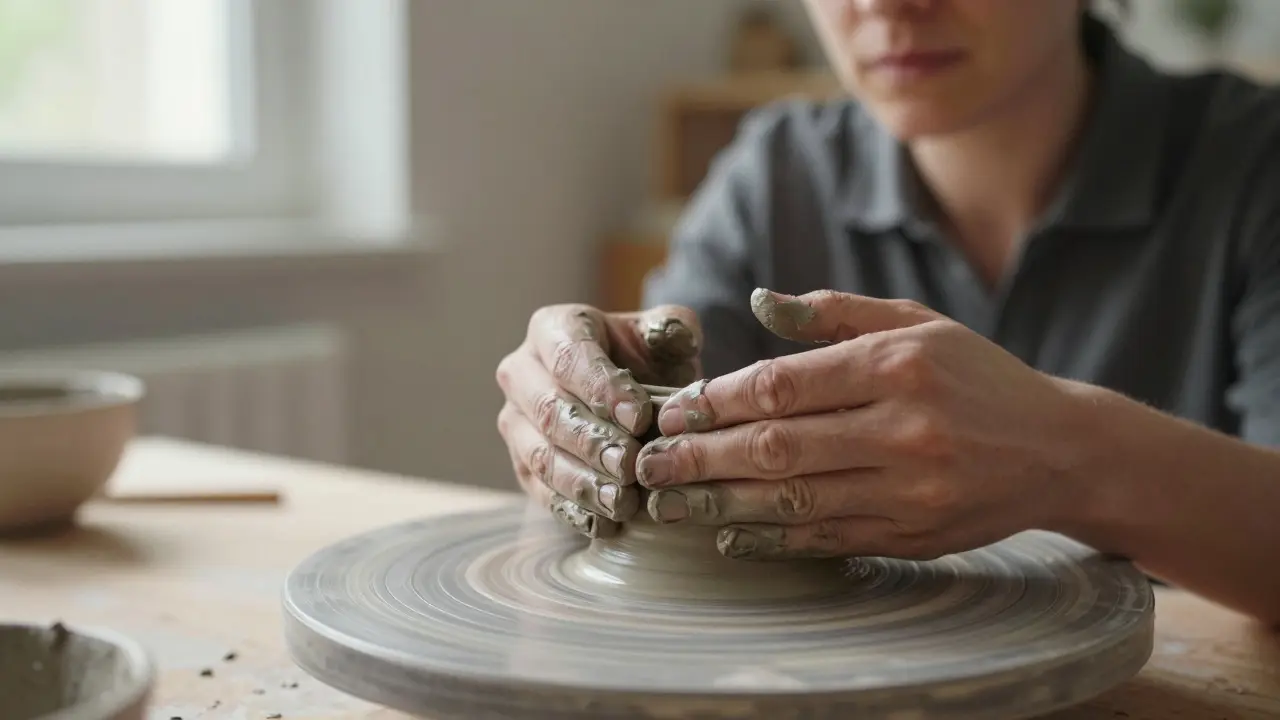
The Hidden Benefits of Creative Arts Therapies: Beyond Talk Therapy
Discover the hidden neurological and emotional benefits of creative arts therapies. From art to music, learn how non-verbal healing bypasses trauma and restores balance.
View More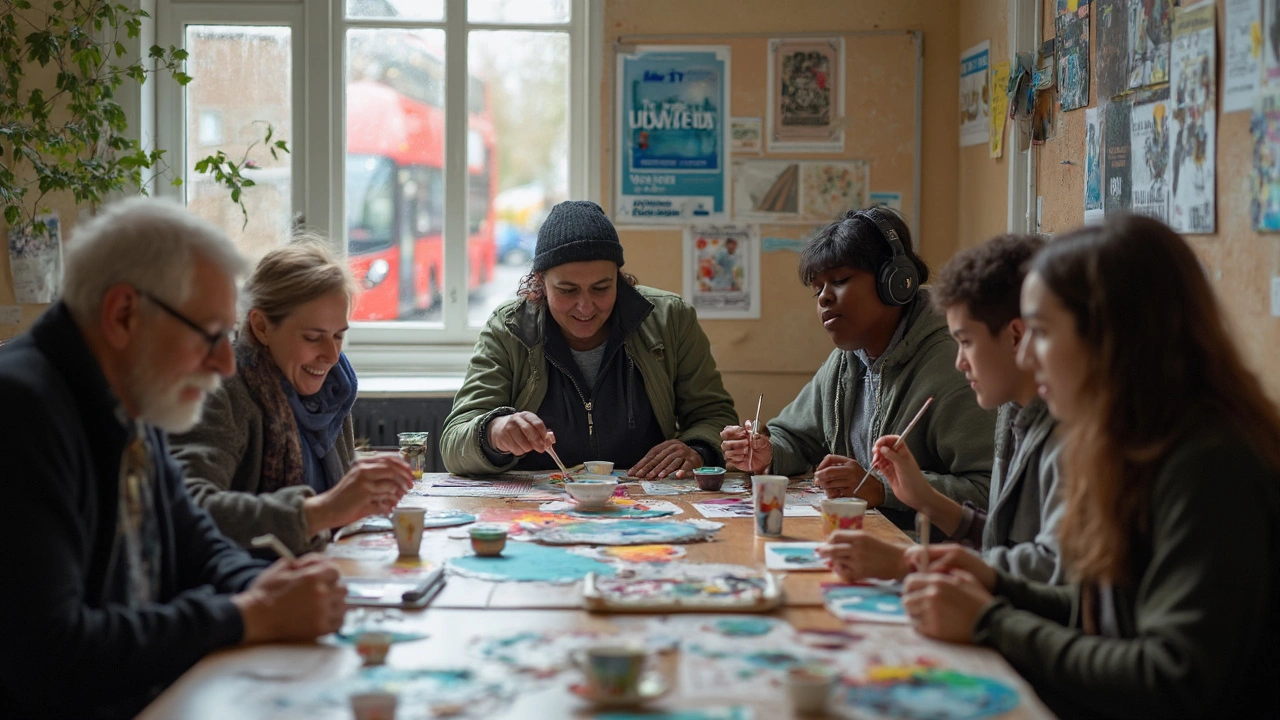
Creative Arts Therapies Guide: How Art, Music, and Movement Support Healing
A practical, evidence-backed guide to healing through art, music, movement, and drama therapy-what it is, who it helps, how to start, and how to choose safely.
View More