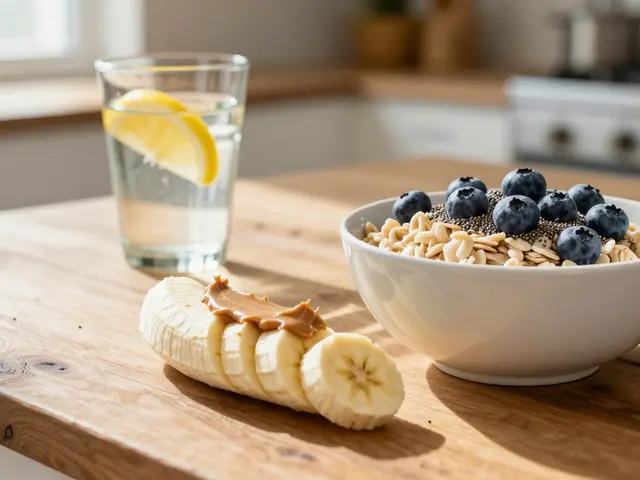
Starting your day with the right foods can set the tone for your energy, mood, and focus-all day long. But what exactly makes a breakfast superfood? It’s not about fancy labels or expensive trends. It’s about real, whole foods packed with nutrients your body actually needs to kickstart metabolism, stabilize blood sugar, and fuel brain function. No gimmicks. No sugar spikes. Just solid, science-backed options that have stood the test of time-and your morning hunger.
1. Oats
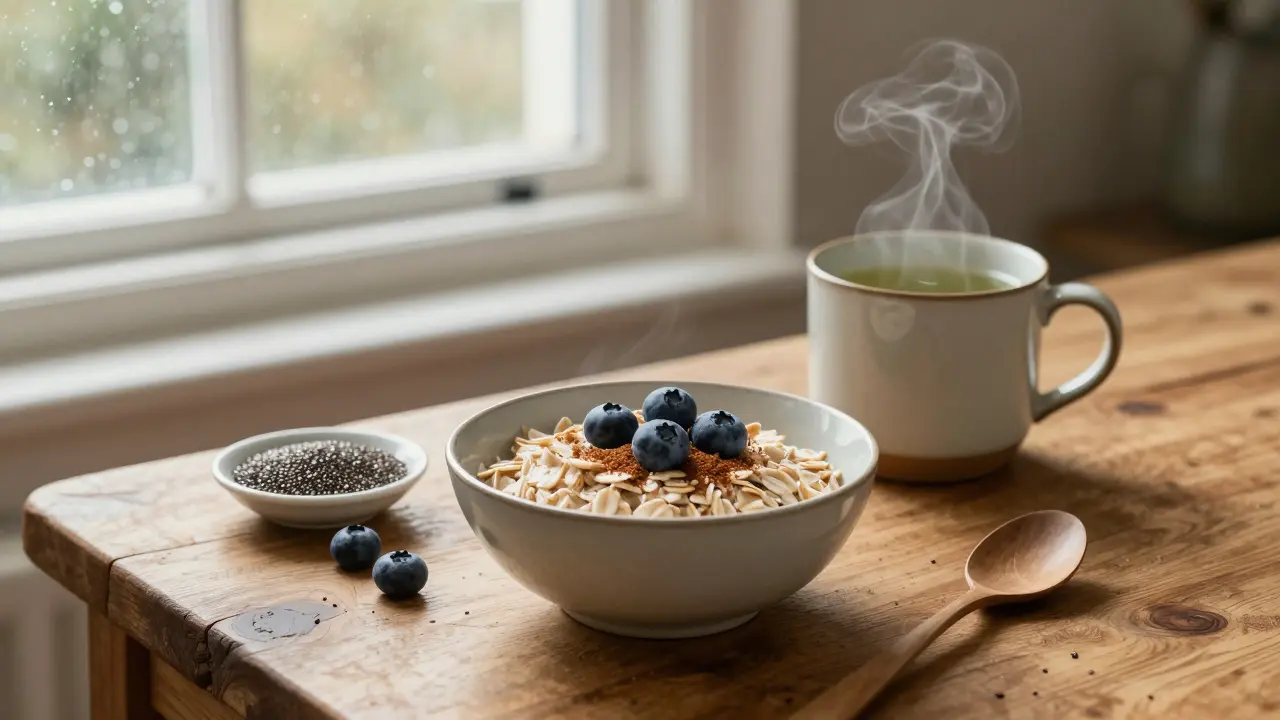
Oats aren’t just a breakfast staple-they’re a slow-burning fuel source. A single cup of cooked oats gives you 4 grams of fiber, mostly beta-glucan, which helps lower LDL cholesterol and keeps you full for hours. Unlike instant oatmeal loaded with sugar, choose steel-cut or rolled oats. Add a sprinkle of cinnamon and a handful of berries. That’s it. No need for syrup. The natural sweetness from fruit is enough. Studies show people who eat oat-based breakfasts have better insulin response and reduced cravings later in the day.
2. Eggs
Eggs are one of the most misunderstood foods. Despite old warnings about cholesterol, research from the American Heart Association confirms that for most people, dietary cholesterol from eggs doesn’t raise blood cholesterol levels. One large egg has 6 grams of high-quality protein and all nine essential amino acids. It also delivers choline, a nutrient critical for brain health and liver function. Boiled, poached, or scrambled with spinach and tomatoes-eggs are a no-brainer for a protein-rich start.
3. Greek Yogurt
Not all yogurts are created equal. Stick to plain, unsweetened Greek yogurt. It has nearly double the protein of regular yogurt-around 17 grams per 6-ounce serving. It’s also rich in probiotics, which support gut health and immune function. Avoid flavored versions; they often contain 20 grams of added sugar or more. Top it with chia seeds and sliced almonds for crunch and healthy fats. If you’re lactose intolerant, try a high-quality coconut or almond-based yogurt with live cultures.
4. Berries
Blueberries, strawberries, raspberries, and blackberries are tiny powerhouses. They’re low in sugar but high in antioxidants like anthocyanins, which fight inflammation and protect brain cells. One cup of blueberries has 3.6 grams of fiber and 14 milligrams of vitamin C. Frozen berries work just as well as fresh-they’re picked at peak ripeness and flash-frozen, locking in nutrients. Toss them into oatmeal, yogurt, or blend them into a smoothie. No added sugar needed.
5. Chia Seeds
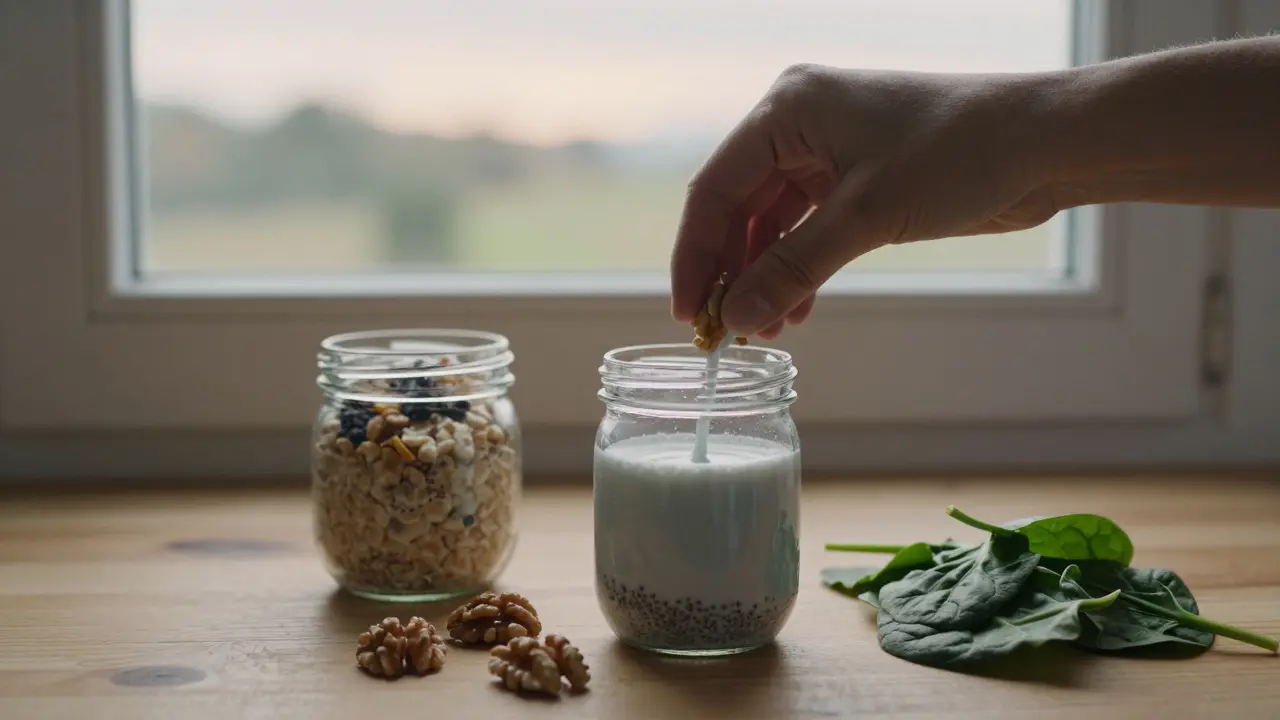
These tiny black seeds pack a surprising punch. One tablespoon has 5 grams of fiber, 3 grams of omega-3 fatty acids, and all the essential amino acids your body can’t make on its own. Chia seeds absorb liquid and form a gel, which slows digestion and helps regulate blood sugar. Mix them into yogurt, oatmeal, or make a chia pudding overnight with almond milk and a dash of vanilla. They’re flavorless, so they blend in easily. A 2023 study in the Journal of Nutrition found chia seed consumption improved satiety and reduced appetite in overweight adults.
6. Avocado
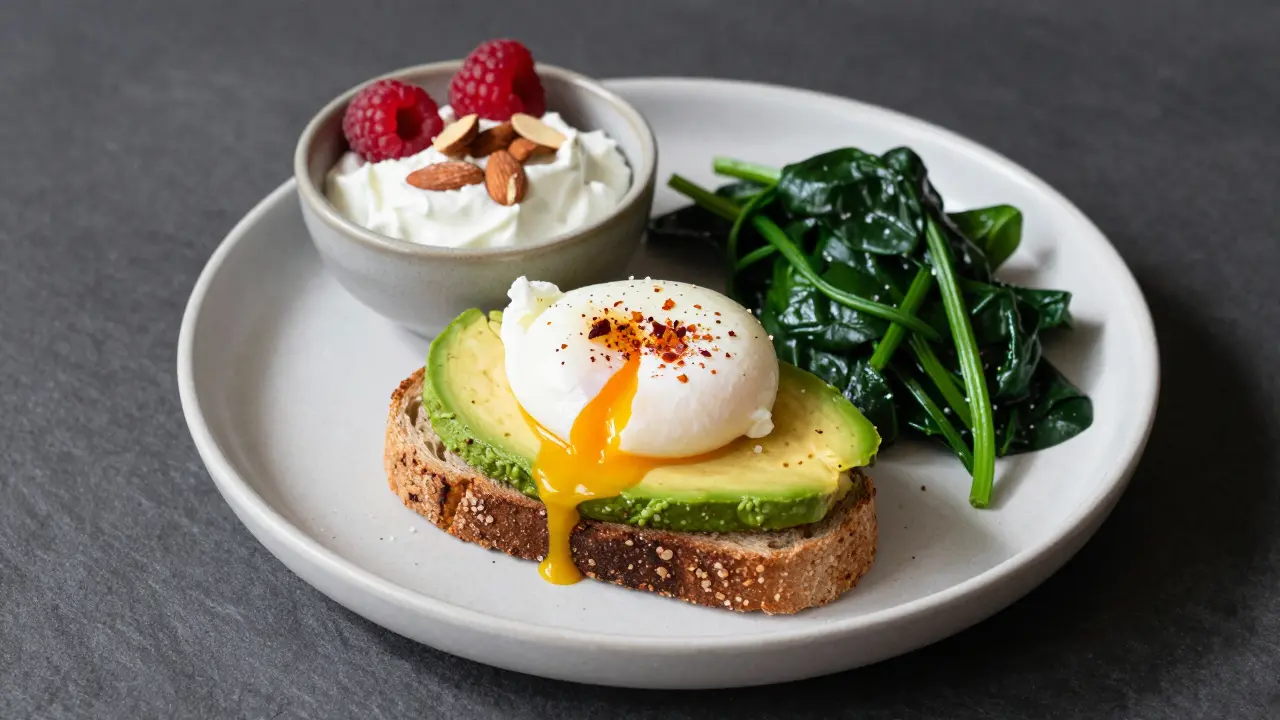
Avocado isn’t just for toast-it’s a breakfast game-changer. Half an avocado delivers 10 grams of healthy monounsaturated fats, which help your body absorb fat-soluble vitamins like A, D, E, and K. It also contains 7 grams of fiber and more potassium than a banana. Mash it on whole-grain toast, sprinkle with sea salt and red pepper flakes, and top with a poached egg. The combo of healthy fats and protein keeps you full until lunch without the mid-morning crash.
7. Walnuts
Walnuts are the only nut with a significant amount of plant-based omega-3s (ALA). Just a quarter cup gives you 2.5 grams of ALA, plus antioxidants and polyphenols that support brain health. They’re also linked to better sleep quality thanks to their natural melatonin content. Sprinkle them on yogurt, blend into smoothies, or eat a small handful on their own. Unlike almonds or cashews, walnuts have a slightly bitter edge-this isn’t a flaw, it’s a sign of their high antioxidant levels.
8. Spinach and Leafy Greens
Most people don’t think of greens as breakfast food. That’s the mistake. A cup of raw spinach has only 7 calories but 145% of your daily vitamin K, plus folate, iron, and lutein for eye health. Blend it into a smoothie with banana and almond butter-no one will taste it. Or sauté it lightly with garlic and toss it into scrambled eggs. Greens add volume and nutrients without adding calories or sugar. They’re one of the easiest ways to boost your micronutrient intake before 9 a.m.
9. Quinoa
Quinoa is a complete protein-rare for a plant-based food. It contains all nine essential amino acids, including lysine and methionine, which most grains lack. Cooked quinoa has 8 grams of protein and 5 grams of fiber per cup. It’s also gluten-free and has a mild, nutty flavor that works well sweet or savory. Make a breakfast bowl with quinoa, almond milk, cinnamon, and sliced apple. Or mix it with black beans, salsa, and a fried egg for a savory twist. It’s a versatile base that keeps energy steady.
10. Green Tea
Forget sugary coffee drinks. A cup of green tea is a quiet superfood. It contains L-theanine, an amino acid that promotes calm focus without drowsiness. Combined with a small amount of caffeine, it sharpens attention without the jitters. Green tea is also rich in EGCG, a powerful antioxidant linked to reduced inflammation and improved metabolic health. Drink it hot or iced, plain or with a squeeze of lemon. Avoid sweetened bottled versions-they’re just sugar water with a tea flavor.
What to Avoid in Your Morning Meal
Even if you’re eating "healthy" foods, some common breakfast habits sabotage your goals. Skip sugary cereals-they’re basically candy with a grain coating. Avoid flavored yogurts with added sugar. Ditch pastries and muffins labeled "whole grain"-they often contain more sugar than a candy bar. And don’t rely on juice, even if it’s "100% natural." A glass of orange juice has the sugar of four oranges but none of the fiber. Whole fruit is always better.
Simple Breakfast Formula That Works
You don’t need complicated recipes. A balanced breakfast needs three things: protein, fiber, and healthy fat. Here’s a foolproof formula:
- Protein: eggs, Greek yogurt, quinoa, or cottage cheese
- Fiber: oats, berries, chia seeds, spinach, or whole-grain toast
- Healthy fat: avocado, walnuts, olive oil, or nut butter
Combine any three from these lists, and you’ve got a meal that fuels your body, not just fills your stomach.
Real-Life Examples from Wellington Breakfast Tables
In Wellington, where mornings can be rainy and brisk, locals know what works. A teacher I know starts her day with oatmeal made with almond milk, topped with blueberries and a spoon of almond butter. A fitness trainer swears by scrambled eggs with spinach and half an avocado on rye toast. A college student makes chia pudding the night before and grabs it on his way to class. These aren’t diets. They’re habits. Simple. Repeatable. Real.
Why This Matters Beyond Energy
What you eat in the morning affects more than your hunger. It shapes your hormones. It influences your stress levels. It impacts how well you sleep the next night. Eating a breakfast rich in fiber and protein helps regulate cortisol-the stress hormone-and keeps blood sugar steady. That means fewer mood swings, less afternoon brain fog, and less reliance on caffeine or snacks to stay awake. This isn’t just about nutrition. It’s about building resilience, one meal at a time.
Can I eat superfoods for breakfast if I’m vegetarian or vegan?
Absolutely. Oats, chia seeds, quinoa, berries, avocado, walnuts, spinach, and green tea are all plant-based and packed with nutrients. For protein, use Greek yogurt alternatives like soy or pea-based yogurts, add hemp seeds or tofu scramble, and pair with nut butters. You don’t need animal products to get a balanced, superfood-rich breakfast.
Are superfoods expensive?
Not necessarily. Oats, eggs, spinach, and bananas are among the most affordable nutrient-dense foods. Frozen berries cost less than fresh and have the same nutrition. Chia seeds and walnuts last for months and go a long way in small amounts. Buying in bulk and choosing seasonal produce cuts costs. Superfoods don’t have to mean expensive imports-you can build a nutrient-rich breakfast on a budget.
How soon after waking should I eat breakfast?
There’s no magic window, but eating within 1-2 hours of waking helps stabilize blood sugar and kickstart metabolism. If you’re not hungry right away, that’s fine-listen to your body. But don’t wait until lunch. Skipping breakfast can lead to overeating later and energy crashes. Even a small snack like yogurt with chia seeds is better than nothing.
Can I prep superfood breakfasts ahead of time?
Yes, and you should. Overnight oats, chia pudding, boiled eggs, and pre-chopped veggies save time. Cook a batch of quinoa on Sunday and use it all week. Freeze berries and spinach for smoothies. Meal prep doesn’t mean complicated-it means reducing decision fatigue in the morning so you’re more likely to choose something healthy.
Do I need to eat all 10 superfoods every day?
No. You don’t need to eat all 10 every day-or even every week. The goal is variety over time. Rotate them. One day have oats with berries and walnuts. Another day, try avocado toast with eggs and spinach. Mix and match based on what you like and what’s available. Consistency matters more than perfection.
Next Steps: Start Small
Don’t overhaul your breakfast overnight. Pick one superfood you’re not eating now-maybe chia seeds or spinach-and add it to your current routine. Try it for a week. Notice how you feel. Then add another. Small changes stick better than big overhauls. Your body doesn’t need perfection. It just needs consistency-and real food.