It’s 3 PM. Your energy is crashing, your stomach is growling, and the office pantry looks like a magnet. You grab a chocolate bar because it’s fast, but by 4 PM, you’re tired again and craving more sugar. This cycle is exactly what sabotages most weight loss efforts. The problem isn’t hunger; it’s the quality of what we eat when we get hungry.
Healthy snacks are food items consumed between main meals that provide sustained energy, satiety, and essential nutrients without excessive calories. When chosen correctly, they bridge the gap between breakfast and dinner, keeping blood sugar stable and preventing overeating at night. For anyone looking to shed excess weight, these small bites are not just allowed-they are strategic tools.
Why Snacking Matters for Fat Loss
Many people think cutting out all food after lunch is the fastest way to lose weight. In reality, skipping meals often leads to a metabolic slowdown and intense hunger later in the day. A well-timed snack containing protein and fiber can reduce total daily calorie intake by up to 15% because you simply feel fuller during your next meal.
The key lies in composition. Empty calories from refined sugars spike insulin, which promotes fat storage. On the other hand, complex carbohydrates and lean proteins require more energy to digest, a process known as the thermic effect of food. This means your body burns more calories just processing the snack than it would if you ate plain white bread or candy.
The Golden Rule: Protein and Fiber First
If you only remember one thing about snacking for weight loss, make it this: prioritize protein and fiber. These two macronutrients are the most satiating. They physically take up space in your stomach and slow down digestion, signaling to your brain that you are full.
Aim for snacks that contain at least 10-15 grams of protein or 5 grams of fiber. If a snack lacks both, it’s likely a trap. For example, a piece of fruit alone might be healthy, but without protein, it won’t keep you full for long. Pairing an apple with almond butter creates a balanced mini-meal that lasts hours.
Top 10 Low-Calorie, High-Satisfaction Snacks
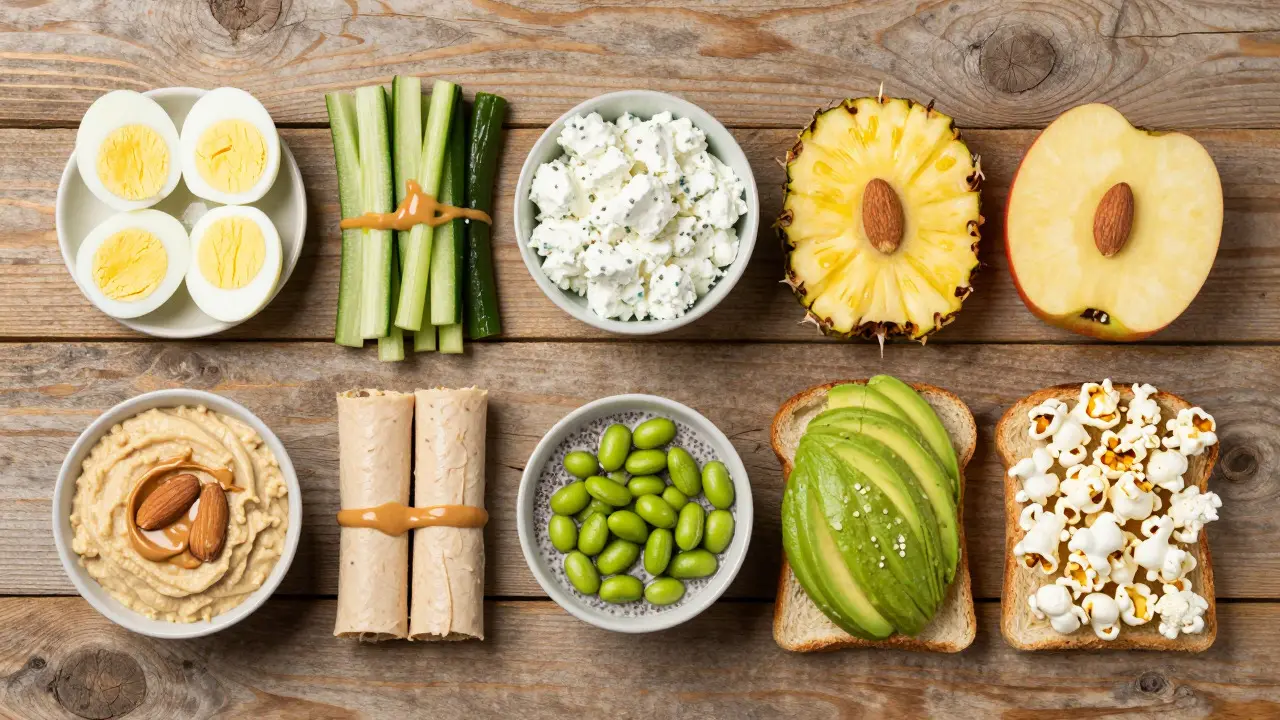
Here are ten specific options that fit into a 150-250 calorie window, perfect for curbing cravings without derailing your progress. Each option includes approximate nutritional values to help you plan.
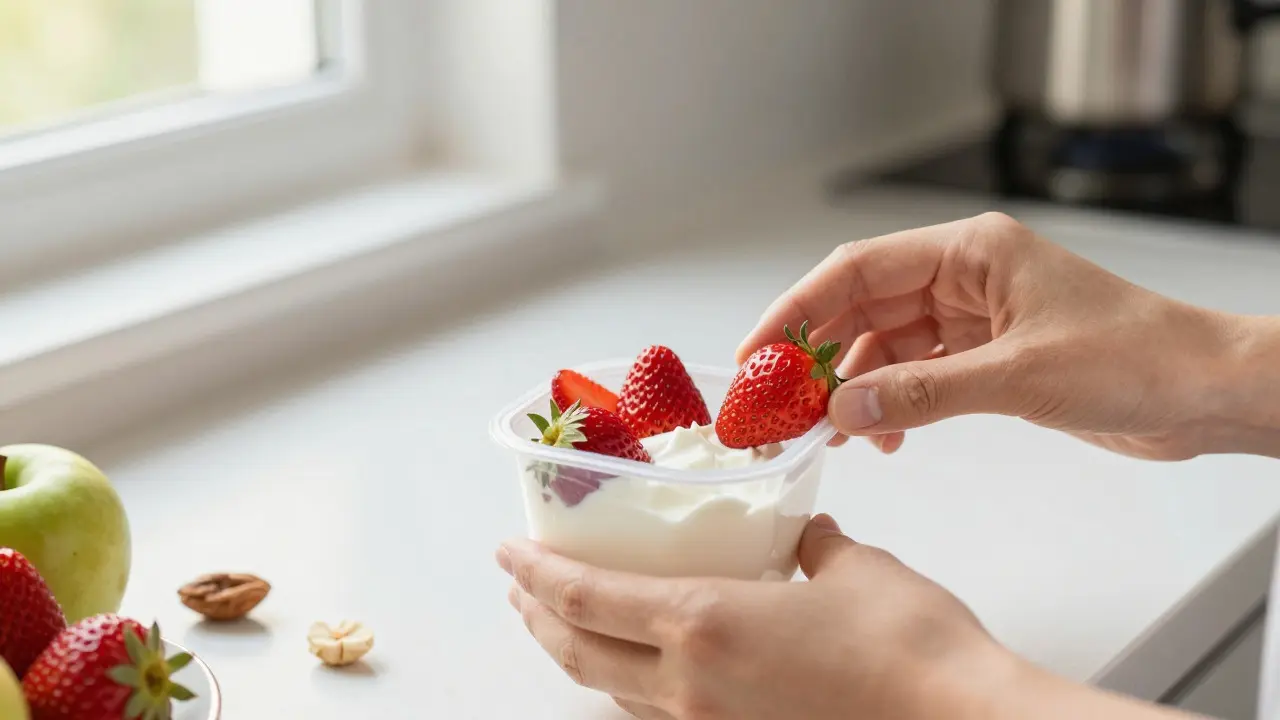
- Greek Yogurt with Berries: Plain Greek yogurt is packed with casein protein, which digests slowly. Add a handful of strawberries or blueberries for antioxidants and fiber. ~120 calories, 15g protein.
- Hard-Boiled Eggs: One of the most convenient snacks available. Two eggs provide complete protein and healthy fats that satisfy hunger quickly. ~140 calories, 12g protein.
- Vegetable Sticks with Hummus: Carrots, celery, and bell peppers offer crunch and volume. Hummus adds plant-based protein and healthy fats from chickpeas and tahini. ~150 calories, 6g protein.
- Apple Slices with Almond Butter: The fiber in the apple combined with the fat and protein in almonds keeps blood sugar steady. Stick to one tablespoon of nut butter to control calories. ~180 calories, 5g protein.
- Cottage Cheese with Pineapple: Cottage cheese is high in protein and low in fat. The sweetness of pineapple satisfies dessert cravings without adding heavy cream or sugar. ~160 calories, 14g protein.
- Edamame: Steamed soybeans are rich in plant protein and fiber. A cup provides a significant amount of protein with very few calories. Season with a sprinkle of sea salt. ~150 calories, 17g protein.
- Turkey Roll-ups: Slice deli turkey breast thinly and wrap around cucumber slices or cherry tomatoes. It’s light, savory, and high in protein. ~100 calories, 15g protein.
- Chia Seed Pudding: Mix chia seeds with milk (dairy or plant-based) and let them sit overnight. Chia seeds absorb liquid and expand, creating a gel-like texture that fills you up. ~180 calories, 8g protein.
- Avocado on Whole Grain Toast: Half an avocado provides heart-healthy monounsaturated fats. Use a single slice of whole grain toast for added fiber. ~200 calories, 4g protein.
- Popcorn (Air-Popped): Often misunderstood, popcorn is a whole grain. Air-popped popcorn is low in calories and high in volume, making it great for those who need to chew to feel satisfied. ~90 calories per cup, 3g fiber.
Common Snack Mistakes to Avoid
Even "healthy" foods can work against you if portion sizes aren’t controlled. Here are three frequent errors I see in my own kitchen and among friends in Perth:
- The Nut Trap: Nuts are nutrient-dense, but they are also calorie-dense. A small handful (about 1 ounce) is roughly 150-170 calories. Eating directly from the jar can easily add 500 extra calories before you realize it. Pre-portion nuts into small bags.
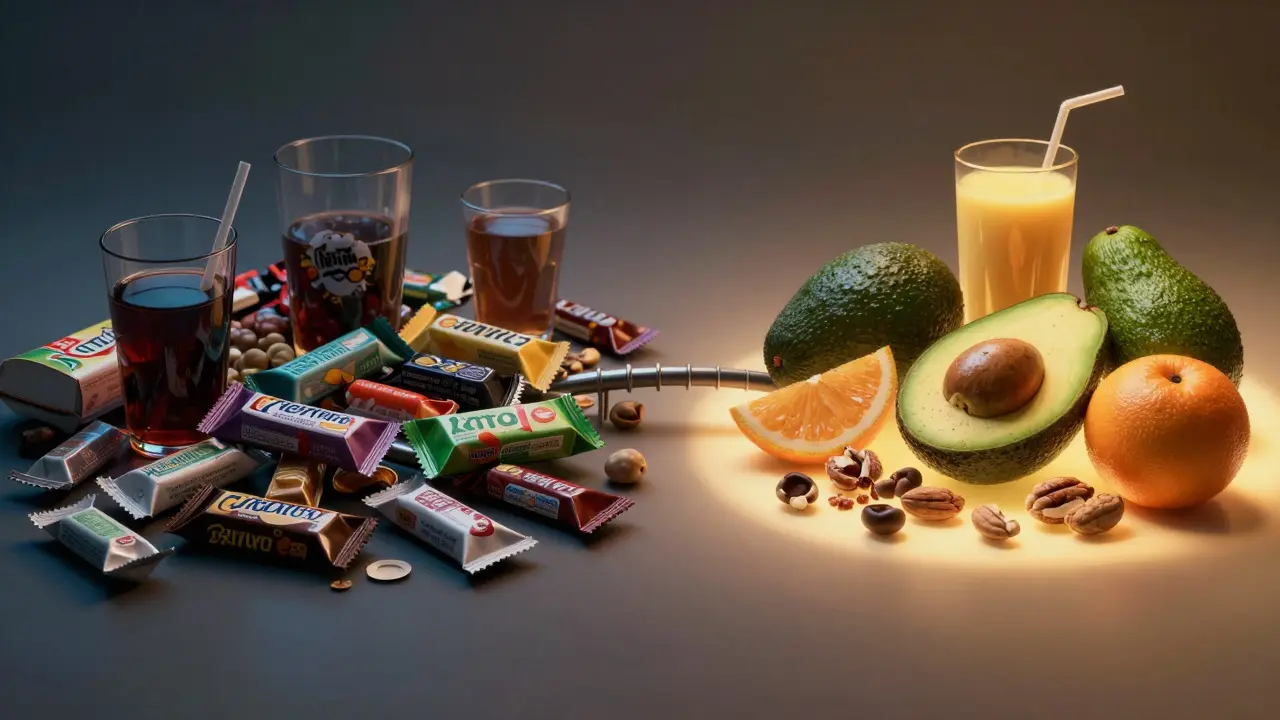
- Fruit Juice vs. Whole Fruit: A glass of orange juice contains the sugar of three oranges but none of the fiber. Without fiber, the sugar hits your bloodstream rapidly, leading to a quick crash and renewed hunger. Always choose the whole fruit.
- Hidden Sugars in "Health" Bars: Many granola bars marketed as fitness foods contain as much sugar as a candy bar. Check the label. If sugar is in the first three ingredients, put it back. Look for bars with less than 5g of added sugar per serving.
How to Plan Your Snacks for Success
Willpower is a finite resource. Relying on it every afternoon is a recipe for failure. Instead, build a system. Preparation is the single biggest factor in sticking to a healthy eating plan.
Start your week by prepping your snacks. Hard-boil six eggs on Sunday morning. Wash and cut vegetables for the week. Portion out nuts and dried fruits into individual containers. When you’re busy or stressed, you’ll grab what’s ready rather than reaching for the nearest convenience food.
Also, listen to your body. Are you truly hungry, or are you bored? Sometimes, a glass of water or a short walk can quell the urge to eat. True physiological hunger builds gradually and is satisfied by any nutritious food. Emotional hunger often craves specific tastes, like salty or sweet, and feels urgent.
| Snack Category | Satiety Level | Calorie Density | Best For |
|---|---|---|---|
| Protein-Based (Eggs, Yogurt) | High | Moderate | Long-lasting fullness, muscle maintenance |
| Fiber-Rich (Veggies, Fruits) | Moderate | Low | Volume eating, hydration |
| Healthy Fats (Nuts, Avocado) | High | High | Curbing intense cravings, brain health |
| Refined Carbs (Chips, Candy) | Low | Very High | Quick energy spikes (avoid for weight loss) |
FAQs About Snacking for Weight Loss
Is it better to skip snacks or eat them?
For most people trying to lose weight, eating planned, low-calorie snacks is better than skipping them. Skipping snacks often leads to extreme hunger at dinner, causing you to eat more than needed. However, if you naturally don't get hungry between meals, there is no rule forcing you to snack. Listen to your appetite.
What time of day should I snack?
The best time to snack is when you feel genuinely hungry, typically mid-morning (around 10 AM) or mid-afternoon (around 3 PM). These times usually align with natural dips in energy levels. Avoid snacking right before bed, as this can disrupt sleep and lead to unnecessary calorie consumption.
Can I still eat treats while losing weight?
Yes, absolutely. Restriction often leads to bingeing. Allow yourself a small treat occasionally, such as a square of dark chocolate or a few cookies. The key is moderation and enjoying it mindfully rather than hiding it. Just ensure your main meals and primary snacks remain nutrient-dense.
Do I need to count calories for every snack?
Not necessarily. If you are consistent with your main meals and choose whole-food snacks, strict calorie counting may not be required. However, for the first month, tracking can help you understand portion sizes and identify hidden calories. Once you have a good sense of portion control, you can move to intuitive eating.
Are protein shakes a good snack for weight loss?
Whey or plant-based protein shakes can be effective if used strategically. They are convenient and high in protein. However, liquid calories are less satiating than solid food. If you use a shake, try to pair it with a small source of fiber, like a banana or some oats, to increase fullness.