
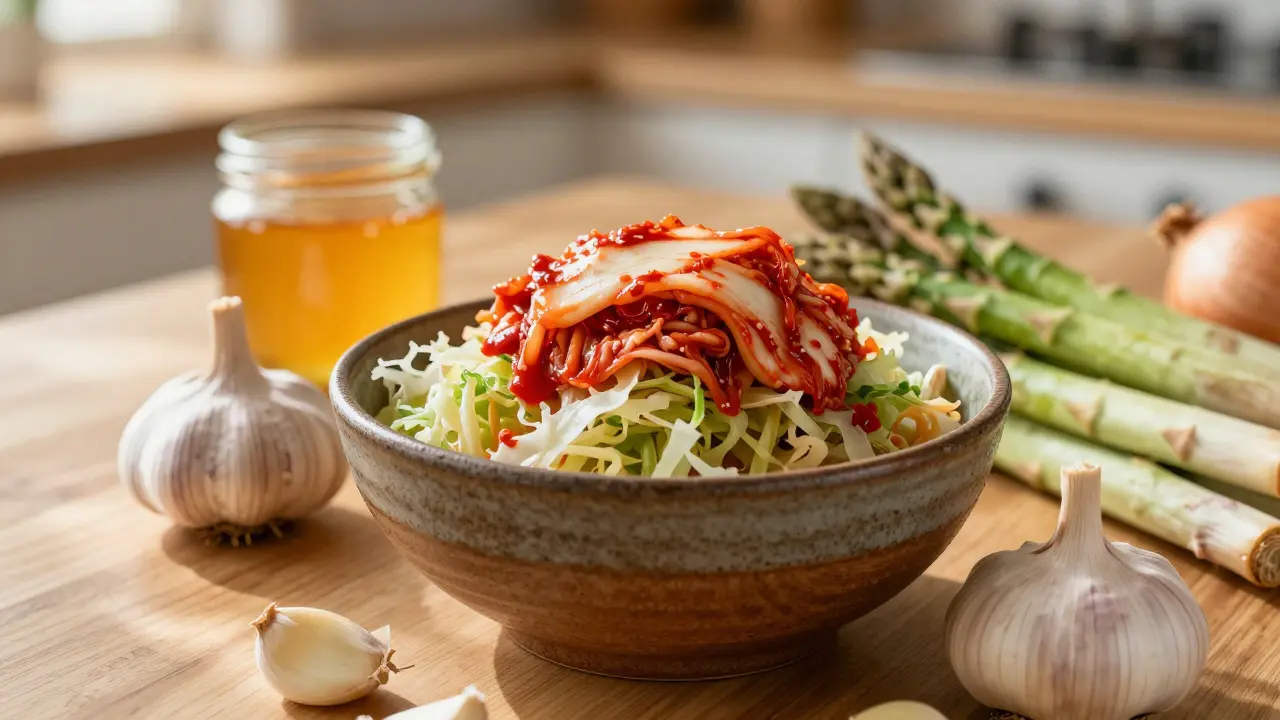
Your stomach is rumbling. You feel heavy, sluggish, and maybe even a bit anxious. It’s not just in your head; it’s likely happening in your gut. For years, we’ve been told that the brain controls our emotions, but modern science has flipped the script. Your gut, often called your 'second brain,' communicates directly with your nervous system through the vagus nerve. If your digestion is off, your mood, energy levels, and immune response suffer too.
The good news? You don’t need expensive supplements or complex medical procedures to fix this. The most powerful tools for restoring gastro health are sitting right in your grocery store produce aisle. By shifting toward specific nutrient-dense foods-often labeled as superfoods-you can rebuild your gut lining, balance your microbiome, and eliminate chronic bloating. Let’s look at exactly which foods do the heavy lifting and how to use them effectively.
The Foundation: Understanding the Gut-Brain Axis
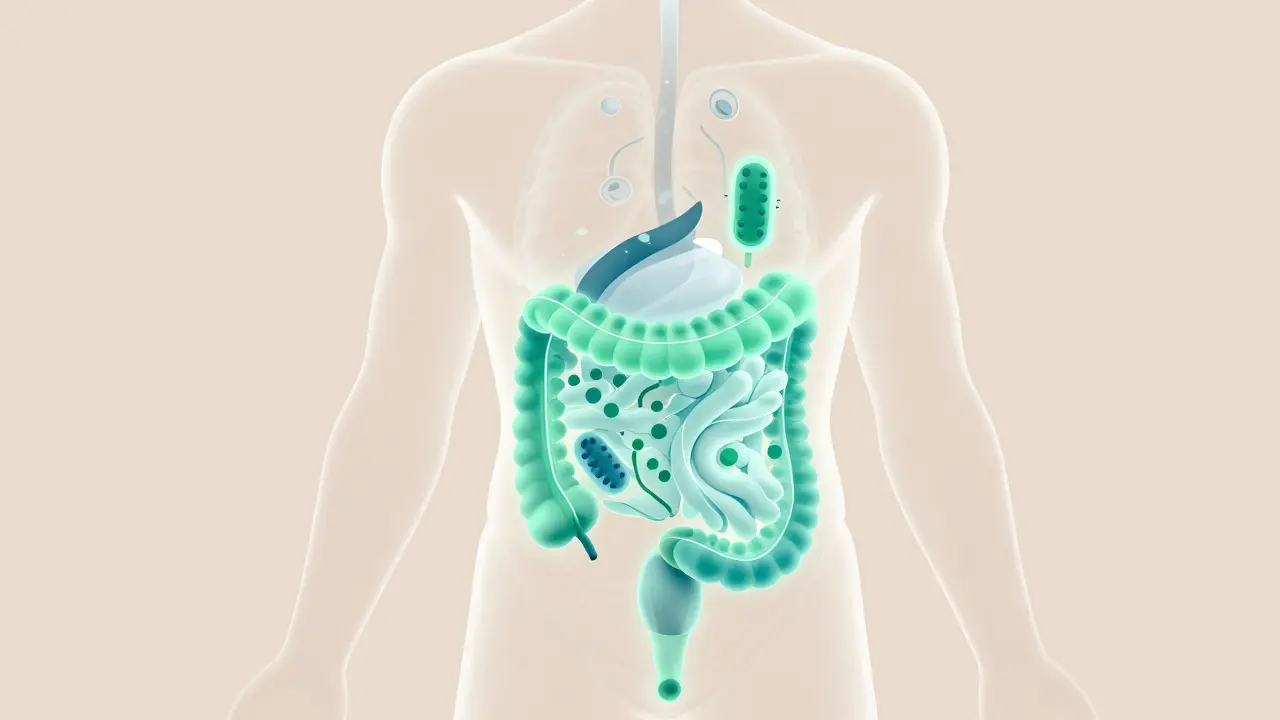
Before picking up a jar of kimchi, it helps to understand what you’re actually feeding. Your gastrointestinal tract houses trillions of bacteria, fungi, and viruses. Collectively, this is your microbiome. Think of it like a rainforest ecosystem. When the diversity is high, the forest is resilient. When certain invasive species (pathogens) take over, the whole system collapses.
Diet is the primary lever you have to control this ecosystem. Most Western diets are low in fiber and high in processed sugars, which starve beneficial bacteria and feed harmful ones. This imbalance, known as dysbiosis, leads to inflammation. Inflammation in the gut doesn’t stay there; it leaks into the bloodstream, contributing to fatigue, skin issues, and brain fog. The goal isn’t just to stop pain; it’s to create an environment where healthy bacteria thrive, producing short-chain fatty acids like butyrate that heal the intestinal wall.
Fermented Foods: The Probiotic Powerhouses
If you want to introduce new, friendly tenants to your gut rainforest, you need probiotics. While supplements exist, they often struggle to survive the acidic journey through your stomach. Food-based probiotics come with their own protective matrix, making them far more effective.
Sauerkraut is another excellent option. Just ensure you buy it from the refrigerated section, not the shelf-stable jars. Heat pasteurization kills the live bacteria, turning sauerkraut into just pickled cabbage. Start small-a tablespoon a day-to avoid gas, then work your way up to half a cup. Other fermented allies include kefir (a fermented milk drink with higher bacterial diversity than yogurt) and miso paste. Remember to add miso at the end of cooking; boiling it destroys the beneficial enzymes.
Prebiotic Fibers: Feeding the Good Guys
Probiotics are the seeds; prebiotics are the fertilizer. Without enough fuel, your new beneficial bacteria will die off. Prebiotics are non-digestible fibers that pass through the upper GI tract intact, fermenting only when they reach the colon.
Garlic and onions are rich in inulin and fructooligosaccharides (FOS). These compounds selectively stimulate the growth of bifidobacteria, which are crucial for immune function. If you find raw garlic too pungent, let it sit out for ten minutes after chopping before cooking. This activates allicin, a compound with potent antimicrobial properties that helps keep bad bacteria in check.
Asparagus is another top-tier prebiotic source. One serving provides a significant amount of folate and vitamin K, alongside the fiber needed to bulk up stool and promote regular bowel movements. If you’re sensitive to FODMAPs (fermentable oligosaccharides, disaccharides, monosaccharides, and polyols), start with small amounts of these high-fiber foods to prevent excessive gas.
Anti-Inflammatory Agents: Calming the Lining
A compromised gut lining, often referred to as 'leaky gut,' allows toxins and undigested food particles to enter the bloodstream. To repair this barrier, you need anti-inflammatory nutrients.
Bone broth has gained popularity for good reason. It is rich in collagen, gelatin, and amino acids like glutamine. Glutamine is the primary fuel source for enterocytes, the cells that line your intestines. Studies suggest that adequate glutamine intake can help tighten the junctions between these cells, reducing permeability. Simmering bones for 24 hours extracts maximum collagen. Drink a cup daily, especially if you experience frequent heartburn or indigestion.
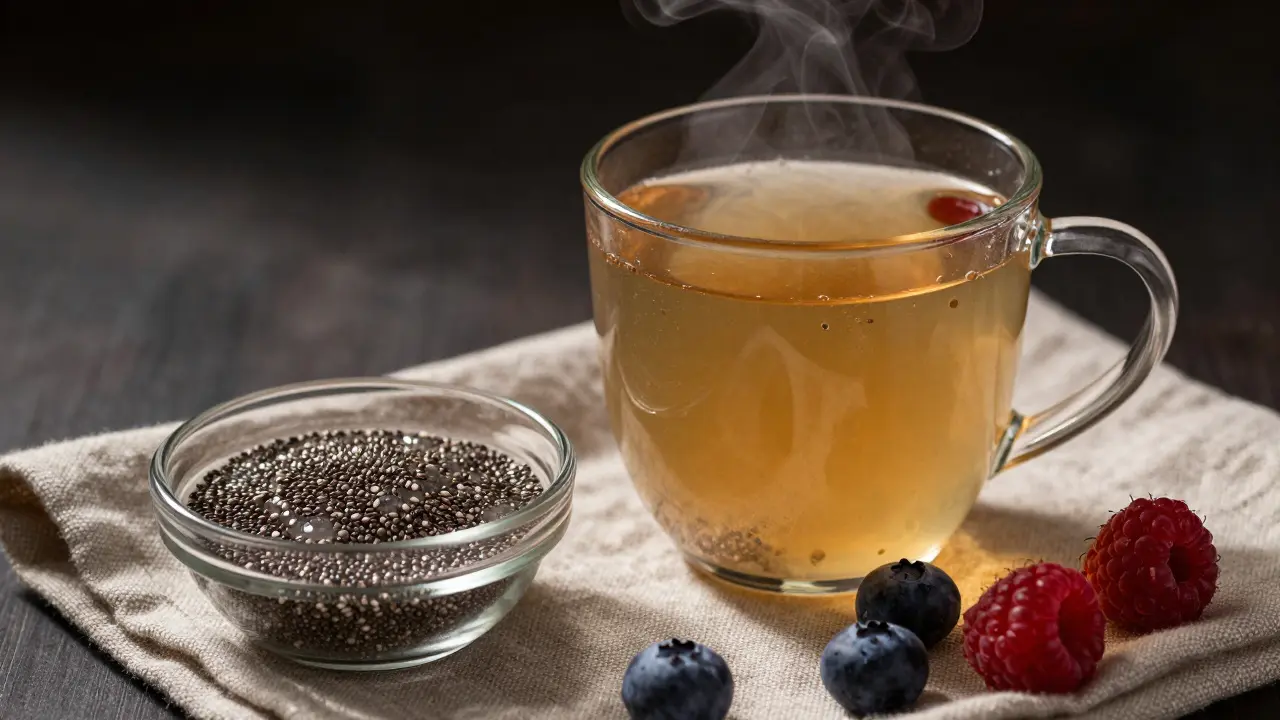
Ginger is not just for nausea. It stimulates saliva, bile, and gastric enzyme secretion, which speeds up gastric emptying. If you feel food sitting in your stomach for hours, ginger tea or fresh grated ginger in meals can significantly improve motility. It also has strong antioxidant effects that protect the gut lining from oxidative stress.
Mucilage-Rich Foods: Soothing Irritation
Some superfoods work by coating the digestive tract, providing immediate relief from irritation. This is particularly helpful if you deal with acid reflux or gastritis.
Oats contain beta-glucan, a soluble fiber that forms a gel-like substance in the gut. This slows digestion, stabilizes blood sugar, and soothes the intestinal walls. Choose steel-cut or rolled oats over instant packets, which are often stripped of fiber and loaded with sugar. Pair your oats with chia seeds for an extra boost of omega-3 fatty acids, which further reduce inflammation.
Chia seeds themselves are mucilaginous. When soaked in water, they expand and form a gel. This adds bulk to stool without causing the harsh scraping effect of insoluble fiber. They are also packed with lignans, antioxidants that may reduce the risk of cancer. Soak one tablespoon in water or almond milk for 15 minutes before eating to maximize absorption and minimize digestive strain.
Polyphenol-Rich Berries: Antioxidant Defense
Your gut bacteria love polyphenols, and so does your body. These plant compounds act as antioxidants, neutralizing free radicals that damage cells.
Blueberries are among the highest sources of anthocyanins, the pigment that gives them their deep blue color. Research indicates that blueberry consumption increases the abundance of beneficial bacteria like Lactobacillus and Bifidobacterium while decreasing harmful pathogens. They are also lower in sugar than many other fruits, making them less likely to trigger yeast overgrowth (candida).
Raspberries offer a similar benefit but with a higher fiber-to-sugar ratio. One cup of raspberries contains about 8 grams of fiber, nearly a third of your daily recommended intake. The seeds provide insoluble fiber, which helps sweep waste through the colon, preventing constipation.
Comparison of Top Gut-Healing Superfoods
| Superfood | Primary Benefit | Key Nutrient | Best Form |
|---|---|---|---|
| Kimchi | Introduces live probiotics | Lactobacillus bacteria | Raw, refrigerated |
| Garlic | Feeds good bacteria (prebiotic) | Inulin, Allicin | Raw or lightly cooked |
| Bone Broth | Repairs gut lining | Collagen, Glutamine | Homemade, simmered 24h |
| Blueberries | Reduces inflammation | Anthocyanins | Fresh or frozen |
| Oats | Soothes irritation, regulates bowels | Beta-glucan | Steel-cut or rolled |
How to Integrate These Foods Without Bloating
Adding all these superfoods to your diet overnight is a recipe for disaster. If your gut is already inflamed, a sudden influx of fiber and fermentation substrates will cause severe gas and bloating. Transition slowly.
- Week 1: Focus on hydration and bone broth. Add ginger to meals. Keep fiber moderate.
- Week 2: Introduce one prebiotic source, like garlic or onions, in small quantities. Monitor your reaction.
- Week 3: Add fermented foods. Start with one teaspoon of sauerkraut or kimchi per day.
- Week 4: Incorporate berries and oats as staple breakfast or snack options.
Listen to your body. If you feel gassy, scale back. Everyone’s microbiome is unique. What works for your neighbor might irritate your system. Keeping a food diary can help identify triggers and successes.
Common Pitfalls to Avoid
Even with the best superfoods, certain habits can undo your progress. Processed oils, artificial sweeteners (especially sorbitol and aspartame), and excessive alcohol disrupt the gut barrier. Artificial sweeteners, in particular, have been shown to alter glucose tolerance and change the composition of gut bacteria negatively.
Also, watch out for 'healthy' snacks that are high in sugar. Many granola bars and flavored yogurts marketed as gut-friendly are loaded with added sugars that feed harmful bacteria. Always read the label. If sugar is in the first three ingredients, put it back.
Can I eat these superfoods if I have IBS?
If you have Irritable Bowel Syndrome (IBS), some of these foods, particularly garlic, onions, and certain beans, may trigger symptoms due to their high FODMAP content. In this case, focus on low-FODMAP alternatives like ginger, oats, and lactose-free yogurt with live cultures. Consult a dietitian to tailor a plan that avoids your specific triggers while still supporting gut health.
How long does it take to see results from changing my diet?
Most people notice improvements in bloating and energy within two to four weeks. However, fully remodeling the gut microbiome can take three to six months of consistent dietary changes. Consistency is key; sporadic efforts will not yield lasting results.
Is homemade bone broth better than store-bought?
Yes, homemade bone broth typically contains higher concentrations of collagen and amino acids because it is simmered for longer periods without preservatives. Store-bought versions often use additives for flavor and texture, which may not support gut healing. Look for brands that list only bones, water, and vegetables if you must buy it.
Do I need to take probiotic supplements if I eat these foods?
For most people, a diverse diet rich in fermented foods and prebiotics is sufficient to maintain a healthy microbiome. Supplements can be helpful in specific cases, such as after antibiotic treatment, but they are not a substitute for a nutrient-dense diet. Food provides a broader spectrum of nutrients and bacteria strains.
What should I do if I feel worse after adding fiber?
If you experience increased bloating or pain, reduce the fiber intake immediately and increase water consumption. Fiber absorbs water; without adequate hydration, it can cause constipation. Reintroduce fiber very slowly, perhaps starting with half a serving, and consider chewing your food thoroughly to aid mechanical digestion.


Oct 19 2024