
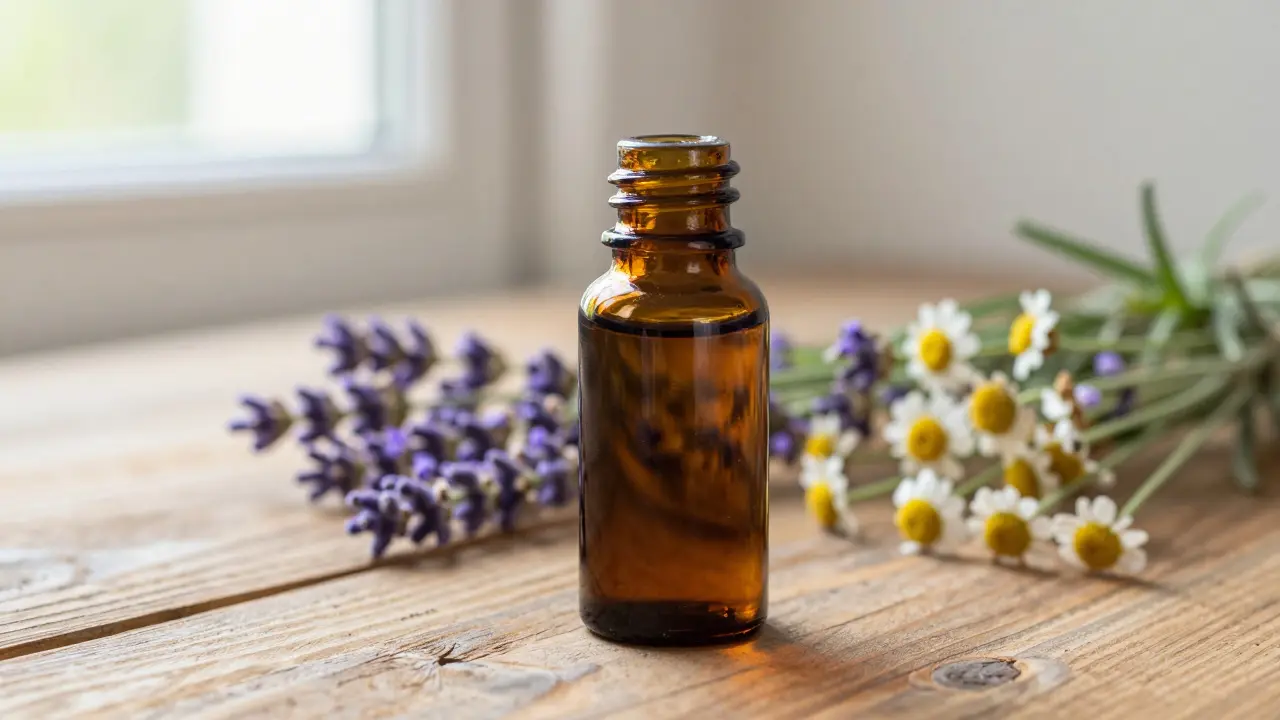
Ever walk into a room and feel your shoulders drop instantly because it smells like lavender? That’s not just imagination. It’s biology. Your nose is wired directly to the emotional center of your brain. When you inhale certain scents, they trigger chemical reactions that can lower cortisol, ease anxiety, or even sharpen focus. This is the core promise of Aromatherapy, a practice that uses plant extracts to support physical and psychological well-being.
But let’s clear up a common misconception right away. Aromatherapy isn’t about burning a candle and hoping for the best. It’s a structured complementary therapy rooted in the chemistry of plants. While it won’t replace chemotherapy or set a broken bone, it is a powerful tool for managing stress, improving sleep quality, and supporting mental health. In this guide, we’ll break down how it actually works, which oils do what, and how to use them safely without wasting money on ineffective products.
How Aromatherapy Actually Works in the Body
To understand why smelling something helps you heal, you have to look at the anatomy of scent. When you inhale an essential oil, the aromatic molecules travel up the nasal cavity and hit the olfactory bulb. This part of the brain sends signals straight to the limbic system-the area responsible for emotions, memory, and physiological functions like heart rate and blood pressure.
This direct line means aromatherapy bypasses the logical, thinking part of your brain (the cortex) and goes straight to the feeling part. For example, when you smell peppermint, the menthol compounds stimulate nerve endings that signal alertness. Conversely, lavender contains linalool and linalyl acetate, compounds that interact with neurotransmitters like GABA to promote relaxation. It’s not magic; it’s neurochemistry.
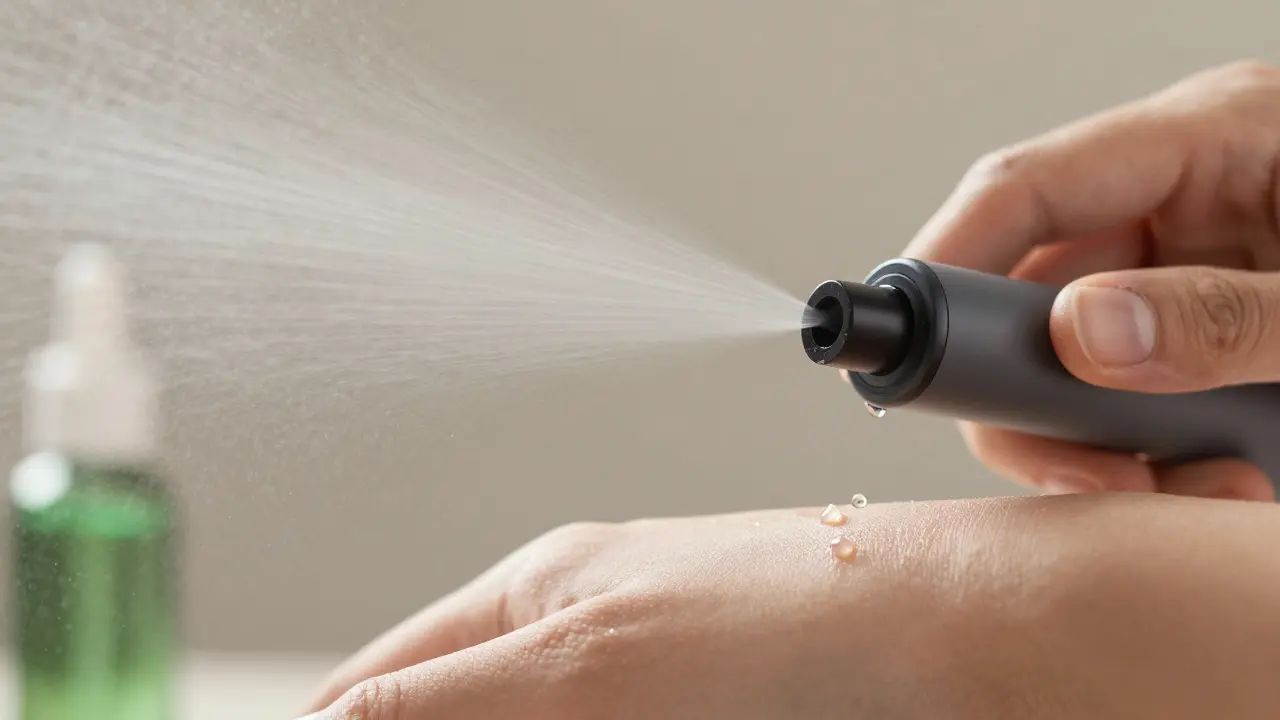
Furthermore, some essential oils can be absorbed through the skin. When applied topically (always diluted), these lipophilic (fat-loving) molecules enter the bloodstream and circulate throughout the body. This dual pathway-olfactory and dermal-is what makes essential oils such versatile tools in holistic health.
Top Essential Oils and Their Specific Benefits
Not all oils are created equal. Each plant produces a unique chemical profile based on its species, where it was grown, and how it was harvested. Here are the most researched and effective oils for specific health goals:
- Lavender (Lavandula angustifolia): The gold standard for relaxation. Studies consistently show it reduces anxiety and improves sleep latency. It’s ideal for bedtime routines or stressful workdays.
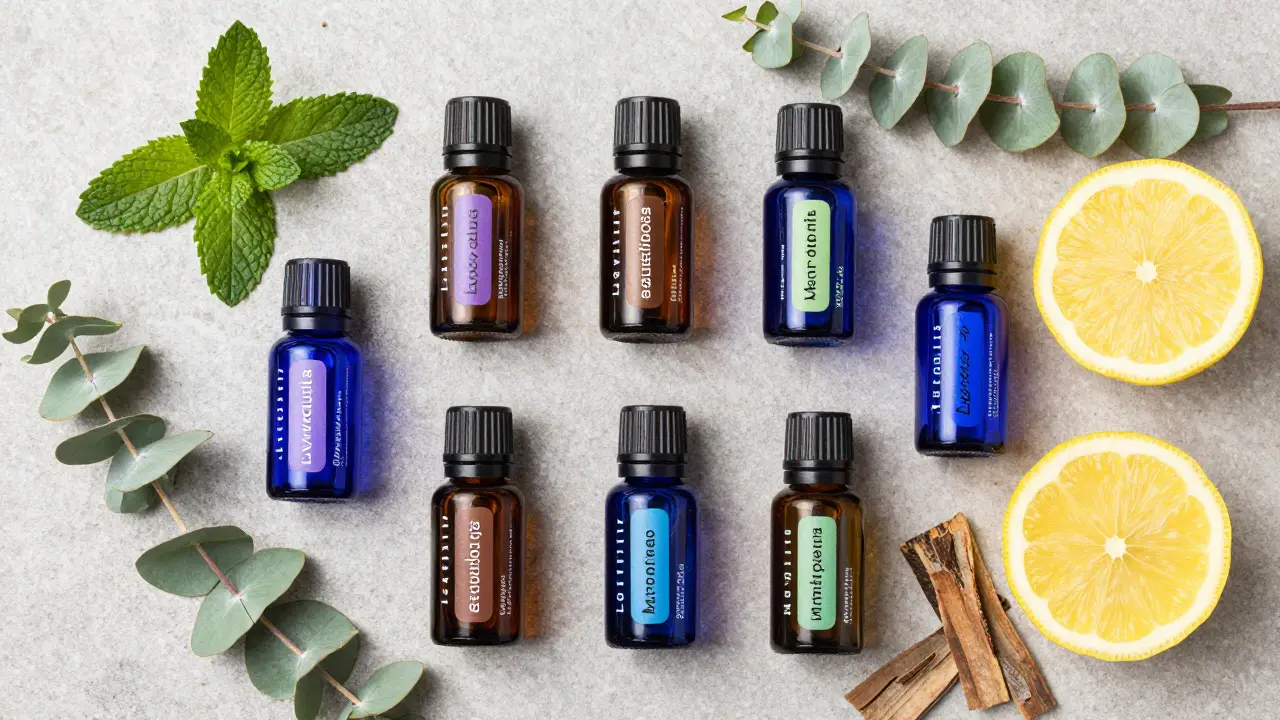
- Peanut (Mentha piperita): Known for its cooling sensation and ability to boost cognitive performance. It’s excellent for fighting fatigue during long drives or study sessions.
- Eucalyptus (Eucalyptus globulus): Rich in eucalyptol, this oil acts as a decongestant and respiratory aid. It’s a go-to for colds, allergies, and sinus pressure.
- Tea Tree (Melaleuca alternifolia): Famous for its antimicrobial and antifungal properties. It’s widely used in skincare for acne and minor cuts, though it should never be ingested.
- Chamomile (Matricaria chamomilla): Gentle and soothing, it helps with inflammation and digestive discomfort. Roman chamomile is particularly noted for calming nervous tension.
- Lemon (Citrus limon): Uplifting and cleansing. It can improve mood and focus, but beware-it’s phototoxic, meaning it can burn your skin if exposed to sunlight after application.
Safety First: Critical Rules for Using Essential Oils
Just because something is natural doesn’t mean it’s harmless. Essential oils are highly concentrated plant extracts. A single drop of oregano oil, for instance, is equivalent to drinking dozens of cups of oregano tea. Misuse can lead to skin burns, allergic reactions, or even toxicity.
Here are the non-negotiable safety rules:
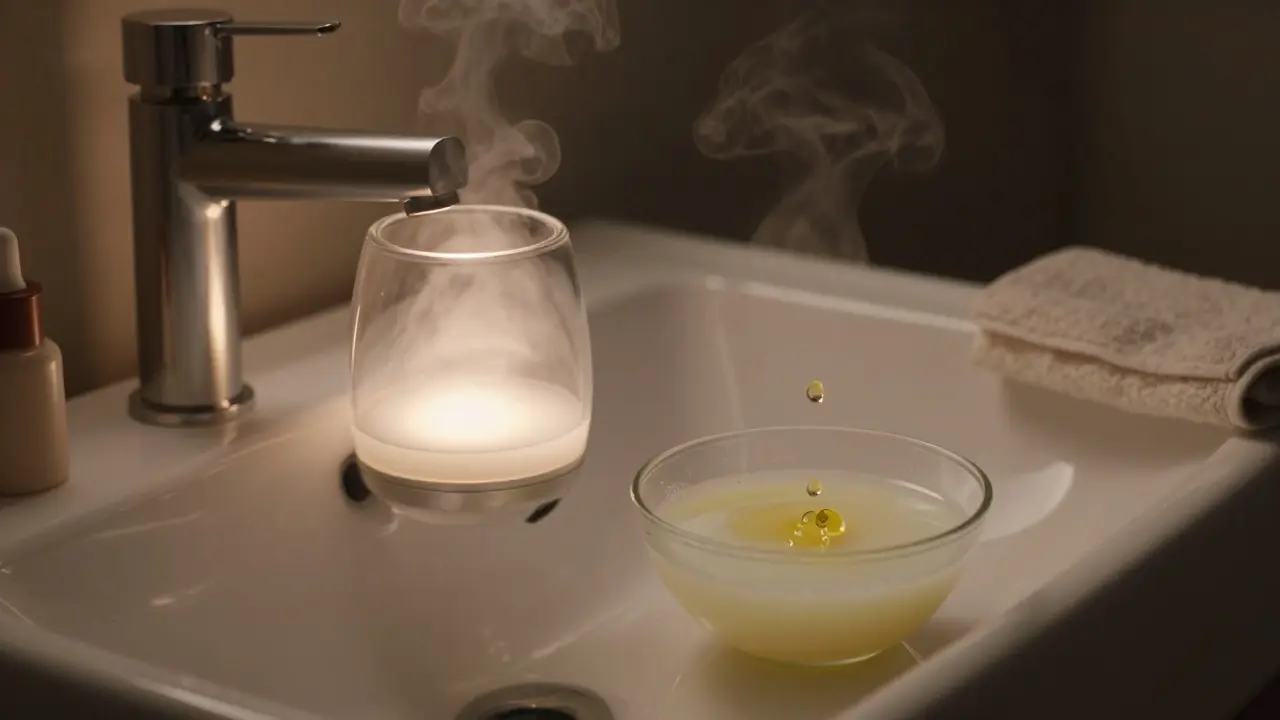
- Dilute, Dilute, Dilute: Never apply pure essential oil directly to your skin. Always mix it with a carrier oil like jojoba, coconut, or sweet almond oil. A safe general dilution rate is 1-2% (about 1-2 drops of essential oil per teaspoon of carrier oil).
- Patch Test: Before using a new oil extensively, apply a tiny amount to your inner wrist and wait 24 hours to check for irritation.
- Keep Away from Pets: Many oils toxic to humans are deadly to cats and dogs. Cats, in particular, lack the liver enzymes to process phenols found in tea tree, eucalyptus, and peppermint. Diffusing these around pets can cause respiratory distress.
- Pregnancy and Children: Some oils stimulate uterine contractions or affect hormonal balance. Avoid rosemary, sage, and clary sage during pregnancy. Always consult a pediatrician before using oils on children under six.
- No Internal Use Without Guidance: Unless you are working with a certified clinical aromatherapist, do not ingest essential oils. They can damage the esophagus and liver.
| Application Method | Dilution Ratio | Best For |
|---|---|---|
| Inhalation (Diffuser) | 3-5 drops in water | Mood enhancement, air purification |
| Topical (Skin) | 1-2% (1-2 drops per tsp carrier) | Muscle pain, localized relief |
| Bath | 5-10 drops mixed with milk/carrier | Relaxation, skin hydration |
| Compress | 2-3 drops in warm/cold water | Headaches, sprains |
Choosing Quality Oils: What to Look For
The market is flooded with synthetic fragrances labeled as "essential oils." These contain no therapeutic benefits and may cause headaches. To get real results, you need pure, unadulterated oils. Here’s how to spot the good stuff:
- Botanical Name: The bottle must list the Latin name (e.g., Lavandula angustifolia). Common names vary by region, but Latin names are universal.
- Purity Statement: Look for "100% Pure Essential Oil" with no mention of fragrance, perfume, or additives.
- GC/MS Reports: Reputable brands provide Gas Chromatography/Mass Spectrometry reports. These tests verify the chemical composition and ensure no synthetics were added.
- Packaging: Essential oils degrade in light and heat. They should always come in dark glass bottles (amber or cobalt blue). Plastic bottles are a red flag, as oils can eat through plastic.
- Price: If it seems too good to be true, it is. True rose otto takes thousands of roses to make one ounce. Cheap "rose oil" is almost certainly synthetic.
Integrating Aromatherapy into Daily Life
You don’t need a fancy setup to benefit from aromatherapy. Start small and build habits that stick.
Morning Energy Boost: Add two drops of lemon or grapefruit to your diffuser while getting ready. The citrus scent stimulates the prefrontal cortex, helping you wake up mentally. Alternatively, dab a diluted blend on your wrists.
Work Focus Blend: Mix rosemary and frankincense. Rosemary improves memory retention, while frankincense promotes deep, calm breathing. This combo is great for long meetings or creative blocks.
Evening Wind-Down: Create a "sleep sanctuary" by diffusing lavender and cedarwood 30 minutes before bed. Pair this with a warm bath containing Epsom salts and a few drops of chamomile oil soaked in milk (to disperse the oil properly).
Travel Relief: Motion sickness? Ginger or peppermint oil rubbed on the soles of your feet or inhaled from a tissue can significantly reduce nausea. Keep a rollerball in your bag for airports and cars.
Common Myths Debunked
Let’s address some persistent misconceptions that keep people from trying aromatherapy effectively.
Myth 1: "It cures diseases." False. Aromatherapy is a complementary therapy. It supports the body’s own healing processes but does not cure cancer, diabetes, or infections. It manages symptoms and improves quality of life.
Myth 2: "More drops = better results." Dangerous. Overloading a diffuser creates an aerosolized irritant that can trigger asthma or headaches. Stick to the manufacturer’s recommended dosage.
Myth 3: "All natural means safe for everyone." Incorrect. As mentioned, many oils are toxic to pets, pregnant women, or people with epilepsy. Context matters.
Myth 4: "Fragrance oils are the same." No. Fragrance oils are often synthetic chemicals designed to smell nice, not to heal. They lack the complex phytochemicals found in true essential oils.
Conclusion: Starting Your Journey
Aromatherapy is accessible, affordable, and scientifically backed for specific uses like stress reduction and symptom management. By understanding the chemistry behind the scents and respecting the potency of these plant extracts, you can turn your home into a space that actively supports your health. Start with one high-quality oil, learn its properties, and observe how your body responds. Listen to your intuition-it’s often guided by your senses.
Can I use essential oils if I have asthma?
Proceed with extreme caution. Strong scents can trigger bronchospasms in asthmatics. If you choose to try, use very low concentrations in a large, well-ventilated room and stop immediately if you experience coughing or wheezing. Consult your doctor first.
How long do essential oils last?
Shelf life varies by chemical family. Citrus oils oxidize quickly and last 1-2 years. Woods and resins (like sandalwood or myrrh) can last 6-10 years or more. Store them in a cool, dark place to extend their potency.
Is it safe to diffuse oils around babies?
Generally, yes, but with strict limits. Do not diffuse continuously. Use intermittent bursts (15 minutes on, 45 minutes off) in a well-ventilated nursery. Avoid strong oils like eucalyptus or peppermint for infants under three months. Lavender and chamomile are usually considered safer options.
What is the difference between carrier oil and essential oil?
Essential oils are volatile aromatic compounds extracted from plants. Carrier oils are fixed vegetable oils (like jojoba, almond, or coconut) pressed from seeds or nuts. You use carrier oils to dilute essential oils before applying them to the skin, preventing irritation and helping absorption.
Can aromatherapy help with chronic pain?
Yes, as a complementary approach. Oils like wintergreen, ginger, and marjoram have anti-inflammatory properties that can soothe muscle aches and arthritis pain when massaged into the affected area. They don’t eliminate the underlying condition but can reduce the perception of pain and the need for medication.