Chronic pain doesn’t just hurt-it rewires your life. For millions, it’s not a symptom but a constant companion: the aching back that won’t quit, the migraines that cancel plans, the joint pain that turns stairs into mountains. Medications help some, but too many are stuck in a cycle of side effects, tolerance, or simply not enough relief. What if your own body could teach you how to quiet the pain? That’s where biofeedback comes in.
What Biofeedback Actually Is (And What It Isn’t)
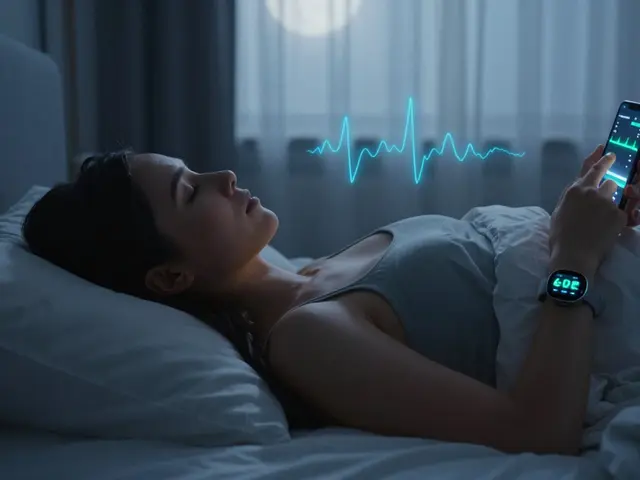
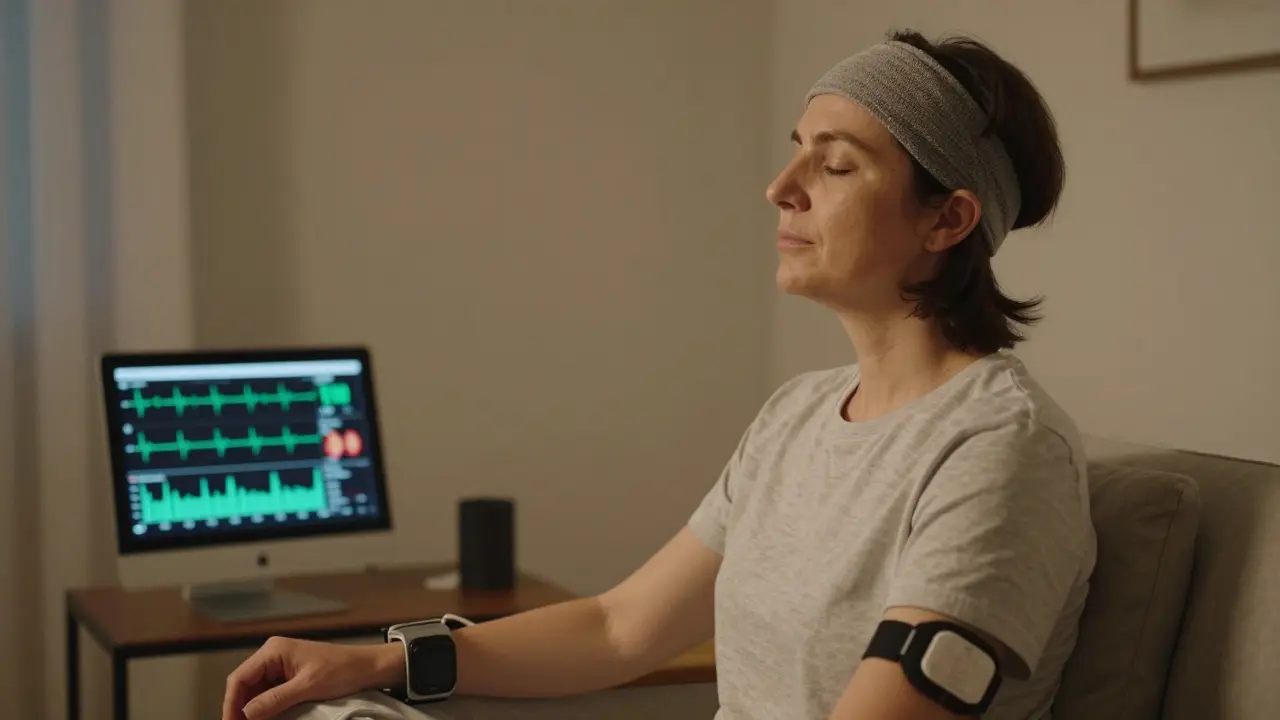
Biofeedback isn’t magic. It’s not hypnosis. It’s not a device that zaps pain away. It’s a simple, science-backed method that uses real-time data from your body to help you learn how to control it. Think of it like a mirror for your nervous system. Sensors attached to your skin measure things like muscle tension, skin temperature, heart rate, or brainwave patterns-and display them on a screen. You see the numbers move, and you start to notice how your thoughts, breathing, or posture affect them.
For example, someone with chronic lower back pain might see their muscle tension spike when they sit at their desk. With training, they learn to relax those muscles before the pain even starts. It’s not about ignoring the pain. It’s about changing how your body reacts to it.
How Biofeedback Works for Chronic Pain
Chronic pain often isn’t just about injury. It’s about your nervous system staying stuck in overdrive. Your brain keeps sending pain signals even when there’s no tissue damage left. This is called central sensitization. Biofeedback helps break that loop.
Studies from the National Institutes of Health show biofeedback can reduce chronic pain by 40-60% in people with conditions like fibromyalgia, tension headaches, and lower back pain. How? By targeting the physical signs of stress that fuel pain:
- Muscle tension: Tight muscles = more pain signals. Biofeedback shows you when your shoulders or jaw are clenched-even when you don’t feel it.
- Heart rate variability: Low variability means your body is stuck in fight-or-flight mode. Training to raise it calms your nervous system.
- Hand temperature: Cold hands mean blood vessels are constricted. Warming them up signals relaxation, which reduces pain sensitivity.
- Brainwave patterns: Some advanced systems track alpha and theta waves linked to deep calm. Learning to shift into these states can reduce pain perception.
A 2023 review in the Journal of Pain Research tracked 1,200 chronic pain patients using biofeedback over six months. Over 70% reported fewer pain episodes, and 58% cut their pain medication use by at least half.
Real-Life Examples: What It Looks Like
Take Sarah, 42, from Melbourne. She had migraines for 12 years. Triptans helped, but she was taking them 4-5 times a week. Her doctor suggested biofeedback. She used a handheld device that measured her forehead muscle tension and skin temperature. At first, she didn’t believe it. But after three weeks of daily 15-minute sessions, she noticed something: her headaches always started when her forehead muscles tightened and her hands got cold. She learned to breathe deeply and consciously relax her face. Within two months, her migraines dropped from weekly to once every six weeks. She hasn’t taken a triptan in over four months.
Another case: James, 58, with osteoarthritis in his knees. He avoided walking because it hurt. Biofeedback taught him to reduce muscle guarding around his joints. He didn’t get stronger-he got softer. His pain score dropped from 7/10 to 3/10 in eight weeks. He now walks his dog daily without painkillers.

Types of Biofeedback Used for Pain
Not all biofeedback is the same. The most common types used for chronic pain are:
| Type | What It Measures | Best For |
|---|---|---|
| Electromyography (EMG) | Muscle tension | Tension headaches, back pain, TMJ |
| Thermal Biofeedback | Hand temperature | Migraines, Raynaud’s, stress-related pain |
| Heart Rate Variability (HRV) | Autonomic nervous system balance | Fibromyalgia, chronic fatigue, anxiety-linked pain |
| Neurofeedback (EEG) | Brainwave patterns | Complex pain syndromes, PTSD-related pain |
EMG is the most widely used-it’s simple, affordable, and highly effective for pain tied to muscle tension. Thermal and HRV biofeedback are growing fast because they target the root cause: stress.
Getting Started with Biofeedback
You don’t need a hospital or expensive gear to begin. Here’s how most people start:
- Find a certified biofeedback therapist. Look for someone with credentials from the Applied Psychophysiology and Biofeedback Society (APBS). Many are psychologists, physical therapists, or occupational therapists.
- Start with 6-10 weekly sessions. Each lasts 30-60 minutes. You’ll learn one skill at a time-like relaxing your forehead or slowing your breathing.
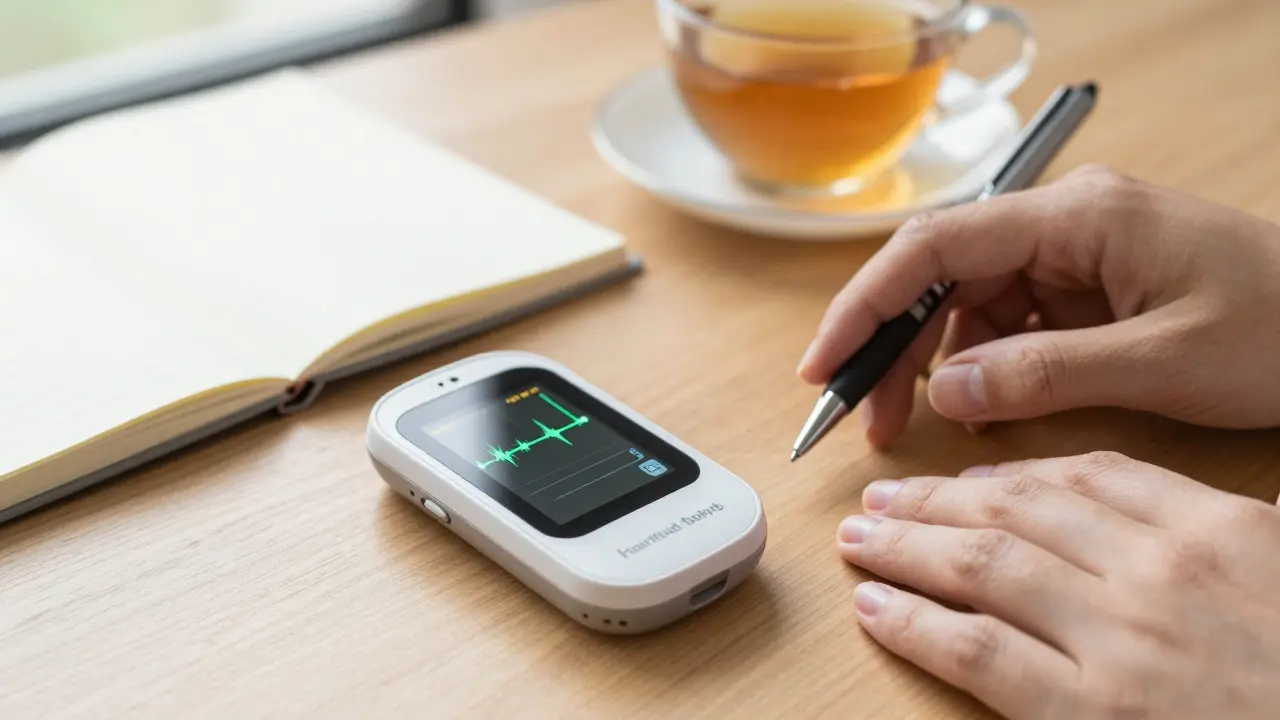
- Use a home device. Devices like the StressEraser or HeartMath emWave are FDA-cleared and cost under $200. They connect to your phone or computer and guide you through breathing exercises based on your heart rate.
- Practice daily. Even 10 minutes a day builds skill. It’s like learning to play piano-you need repetition.
Insurance often covers biofeedback if prescribed by a doctor. In Australia, Medicare rebates apply for sessions with registered psychologists using biofeedback for chronic pain.
What Biofeedback Won’t Do
It’s not a cure-all. You can’t skip physical therapy, exercise, or good sleep and expect biofeedback to fix everything. It works best as part of a team:
- Combine it with movement therapy (like tai chi or gentle yoga)
- Pair it with cognitive behavioral therapy (CBT) to change pain-related thoughts
- Use it alongside sleep hygiene and hydration
It also won’t work overnight. Most people see changes after 3-4 weeks. If you’re not feeling any difference by week 6, it might not be the right fit-or you might need a different type of biofeedback.
Why It’s Gaining Momentum Now
In 2026, doctors are shifting away from opioids and long-term NSAIDs. The opioid crisis, side effects of painkillers, and rising healthcare costs have pushed clinics to invest in non-drug options. Biofeedback is one of the few therapies with strong evidence, low risk, and lasting results.
Smart wearables are making it more accessible. Devices like the Oura Ring and Whoop now track HRV and stress patterns. While they don’t replace therapy, they help you notice patterns your body is sending you. That’s biofeedback in disguise.
Who Benefits Most?
Biofeedback isn’t for everyone-but it’s especially powerful for people who:
- Have pain linked to stress or anxiety
- Are tired of medication side effects
- Want to take control of their recovery
- Are motivated to practice daily
If you’re stuck in a pain cycle and feel like you’ve tried everything, biofeedback might be the missing piece. It doesn’t promise miracles. But for many, it brings back something just as valuable: control.
Is biofeedback painful or invasive?
No. Biofeedback is completely non-invasive. Sensors just read your body’s signals-like a heart rate monitor or a thermometer. There’s no electricity passed into your body. It’s as safe as wearing a fitness tracker.
How long does it take to see results?
Most people notice changes in 3-6 weeks with consistent daily practice. Significant pain reduction usually takes 8-12 weeks. It’s not a quick fix-it’s a skill, like learning to ride a bike.
Can I do biofeedback at home without a therapist?
Yes, but with limits. Home devices like the StressEraser or HeartMath emWave are great for HRV and breathing training. But for complex pain (like fibromyalgia or nerve pain), working with a therapist first gives you the foundation. Think of it like learning to swim: you can practice alone, but a coach helps you avoid bad habits.
Is biofeedback covered by insurance?
In Australia, Medicare provides rebates for biofeedback sessions with registered psychologists for chronic pain conditions. Private health funds often cover it under extras. Always check with your provider and ask for a referral from your GP.
Does biofeedback work for all types of chronic pain?
It works best for pain influenced by stress, muscle tension, or nervous system overactivity-like tension headaches, fibromyalgia, lower back pain, and TMJ. It’s less effective for pain caused by structural damage (like a broken bone) or purely inflammatory conditions (like advanced rheumatoid arthritis). But even then, it can help reduce the stress that makes the pain feel worse.
If you’re tired of treating pain with pills that don’t fully help, biofeedback offers a different path-one that turns your body from an enemy into an ally. You’re not broken. You’re just stuck in a pattern. And patterns, once seen, can be changed.