When your heart races before a big presentation, your shoulders tighten during a traffic jam, or your jaw clenches after a tough day-your body is sending signals. Most people ignore them. But what if you could learn to read those signals-and change them? That’s the power of biofeedback.
What Biofeedback Actually Does
Biofeedback isn’t magic. It’s science you can feel. At its core, biofeedback uses real-time measurements of your body’s physical responses to help you gain control over them. Sensors attached to your skin track things like heart rate, muscle tension, skin temperature, and brainwave patterns. That data is turned into visual or sound cues-a beeping tone, a moving bar on a screen, a changing color-so you can see exactly how stress is affecting you in the moment.
This isn’t about relaxation techniques you try once and forget. It’s training. Like learning to ride a bike, you get better with practice. Over time, you start recognizing the early signs of stress before they spiral. You learn how to calm your nervous system without drugs, therapy, or even deep breathing.
One of the most common types is heart rate variability (HRV) biofeedback. HRV measures the tiny changes in time between heartbeats. High HRV? That’s a sign your body is adaptable and resilient. Low HRV? That’s your body stuck in fight-or-flight mode. Studies from the American Psychological Association show that just 10 sessions of HRV biofeedback can reduce anxiety symptoms by up to 40% in people with chronic stress.
How It Works in Real Life
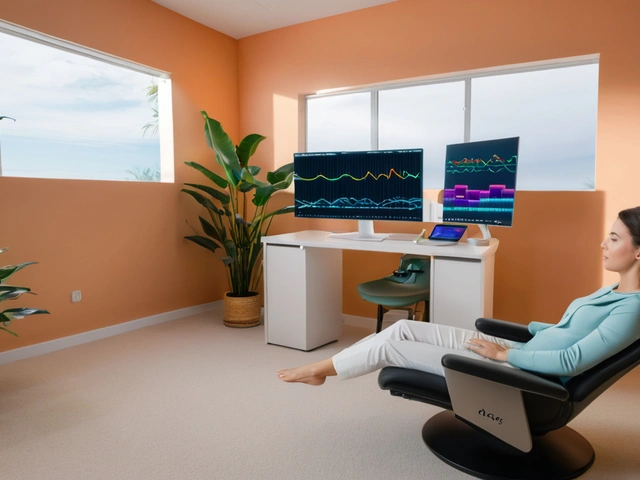
Imagine sitting in a quiet room with a small device clipped to your finger. On a screen in front of you, a line moves up and down with your heartbeat. The goal? Make the line smoother. Not by forcing yourself to relax, but by noticing what happens when you breathe slowly-how your body responds. When you inhale, the line spikes. When you exhale, it dips. You learn to extend the exhale just a little longer. And slowly, without even thinking about it, your heart rate steadies. Your muscles loosen. Your mind quiets.
This isn’t theoretical. A 2024 clinical trial at the University of California, San Francisco followed 120 office workers with high stress levels. Half used a home-based biofeedback device for eight weeks. The other half didn’t. The biofeedback group reported 32% fewer panic episodes, 28% less muscle tension, and improved sleep quality. They didn’t change their job, their schedule, or their diet. They just learned how to listen to their body.
Types of Biofeedback You Can Try
Not all biofeedback is the same. Different sensors measure different signals. Here are the most effective types for stress:
- Electromyography (EMG) biofeedback - Measures muscle tension. Great for people who clench their jaw, hunch their shoulders, or get tension headaches.
- Thermal biofeedback - Tracks skin temperature. Cold fingers often mean stress is constricting blood flow. Learning to warm them up helps calm the nervous system.
- Heart rate variability (HRV) biofeedback - The gold standard for stress. Teaches you to balance your sympathetic (fight-or-flight) and parasympathetic (rest-and-digest) systems.
- Neurofeedback (EEG) - Monitors brainwaves. Used for anxiety, insomnia, and overthinking. Helps shift brain activity from high-alert beta waves to calmer alpha waves.
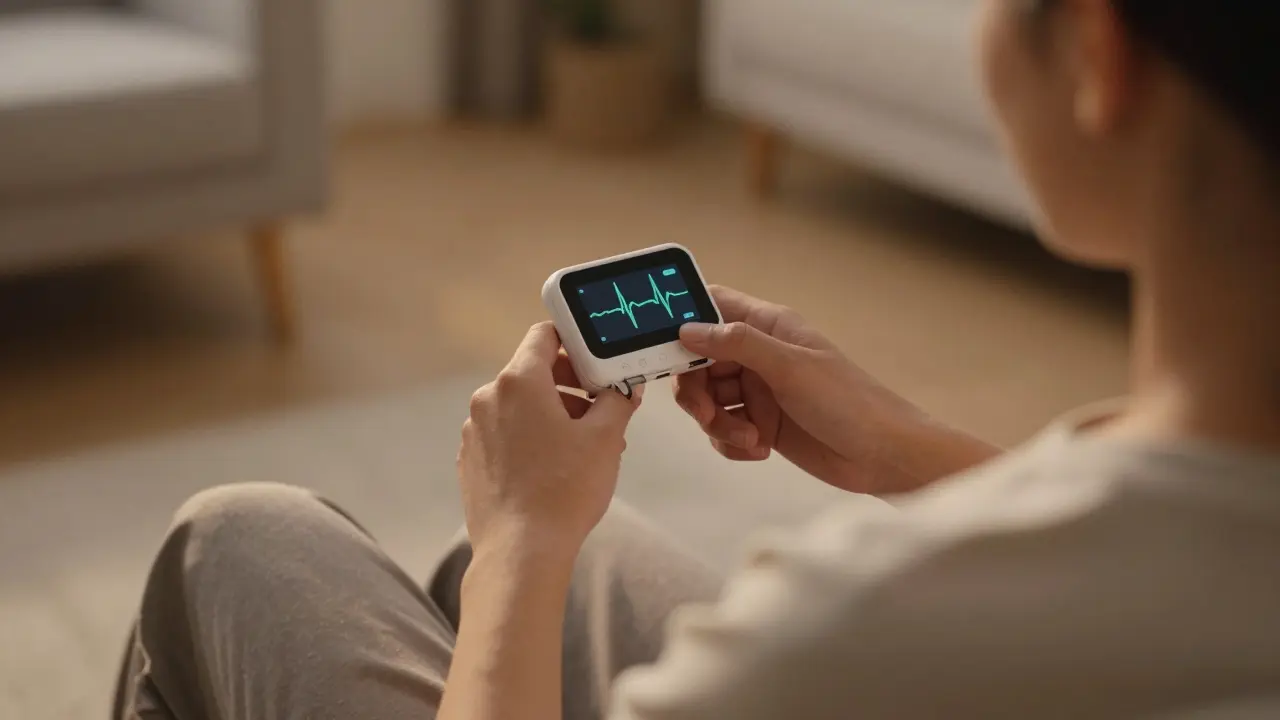
You don’t need a clinic to start. Consumer-grade devices like the HeartMath InnerBalance or Muse headband give you real-time feedback using your smartphone. They cost between $100 and $200-less than a month of therapy.
Why Biofeedback Beats Traditional Methods
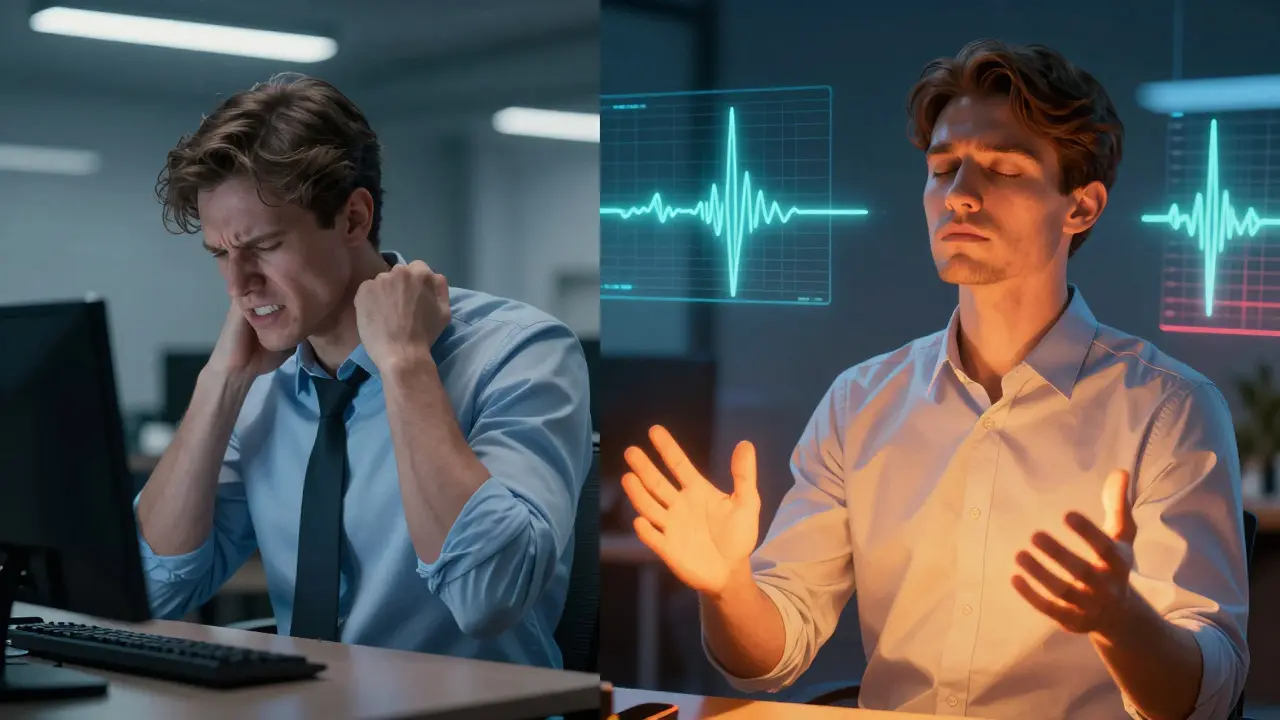
Most stress management tools ask you to change your thoughts. Biofeedback asks you to change your body-and your thoughts follow.
Medication can numb stress, but it doesn’t teach you to manage it. Therapy helps you understand why you’re stressed, but not always how to physically calm down. Meditation works, but many people struggle to sit still long enough to see results. Biofeedback gives you immediate feedback. You see your stress. You see your calm. And you learn how to switch between them.
It’s especially powerful for people who feel disconnected from their bodies. Trauma survivors, chronic pain patients, and high-performing professionals often live in their heads. Biofeedback brings them back into their skin.
What You Need to Get Started
You don’t need a doctor’s referral. You don’t need insurance. You just need curiosity and 10 minutes a day.
- Choose a device: Start with HRV or EMG if you’re new. They’re the easiest to understand.
- Set a time: Morning or before bed works best. Consistency matters more than duration.
- Find a quiet spot: No distractions. Turn off your phone.
- Follow the feedback: Don’t force it. Let your body guide you. If the screen says breathe slower, try it. If it says relax your shoulders, gently let go.
- Track progress: Note how you feel before and after. After two weeks, you’ll notice subtle shifts-less irritability, better sleep, fewer stomachaches.
Most people see results in 2-4 weeks. Not because they’re doing something new, but because they’re finally paying attention.
Who Benefits Most
Biofeedback isn’t for everyone-but it’s perfect for certain groups:
- People with anxiety disorders who’ve tried therapy but still feel physically tense
- High-stress professionals (doctors, nurses, firefighters, executives) who can’t afford burnout
- Chronic pain sufferers who need non-drug relief
- Parents of young kids who feel constantly on edge
- Anyone who says, “I know I should relax, but I just can’t”
It’s not a cure. But it’s a tool that gives you back control. You stop being a victim of your stress. You become its manager.
The Future of Stress Management
Biofeedback is no longer a niche therapy. Hospitals, corporate wellness programs, and even the U.S. military now use it. NASA uses it to help astronauts manage stress in space. NFL teams use it to help players recover from mental fatigue.
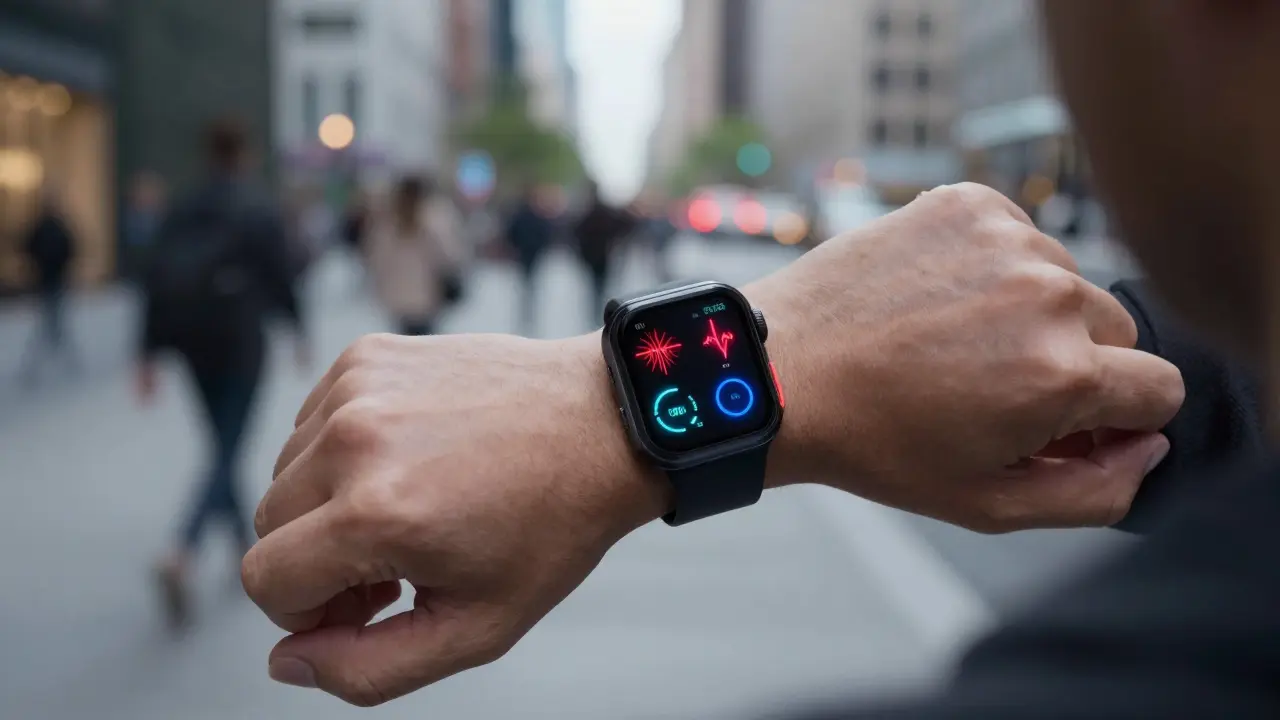
As wearable tech gets smarter, biofeedback is moving from clinics to your wrist. Future devices will predict stress before it hits-alerting you to take a breath before your heart rate spikes. The line between prevention and reaction is disappearing.
Stress isn’t going away. But now, you have a way to respond that’s rooted in biology, not willpower. Biofeedback doesn’t ask you to be stronger. It asks you to be aware.
Can biofeedback help with anxiety?
Yes. Studies show biofeedback, especially HRV and neurofeedback, reduces anxiety symptoms by 30-40% in 8-12 weeks. It works by training your nervous system to shift out of fight-or-flight mode. Unlike medication, it teaches your body to self-regulate.
Do I need a therapist to use biofeedback?
No. While clinical biofeedback is guided by a therapist, many consumer devices are designed for home use. Apps like HeartMath, Muse, and BioForce offer real-time feedback without needing professional supervision. You can start on your own.
How long until I see results?
Most people notice subtle changes-like better sleep or less tension-within 2 weeks. Meaningful improvements in anxiety or stress levels typically show up after 4-8 weeks of consistent daily use (10-15 minutes per day).
Is biofeedback covered by insurance?
Some insurance plans cover biofeedback if prescribed by a doctor for conditions like chronic pain, migraines, or PTSD. Consumer devices are not covered, but many HSA and FSA accounts allow reimbursement for approved health tech. Always check with your provider.
Can I use biofeedback with meditation or therapy?
Absolutely. Biofeedback enhances both. It gives you objective proof of when meditation is working. Therapists often use it to help clients connect physical sensations to emotional triggers. It turns abstract concepts like “calm” into something you can see and feel.