
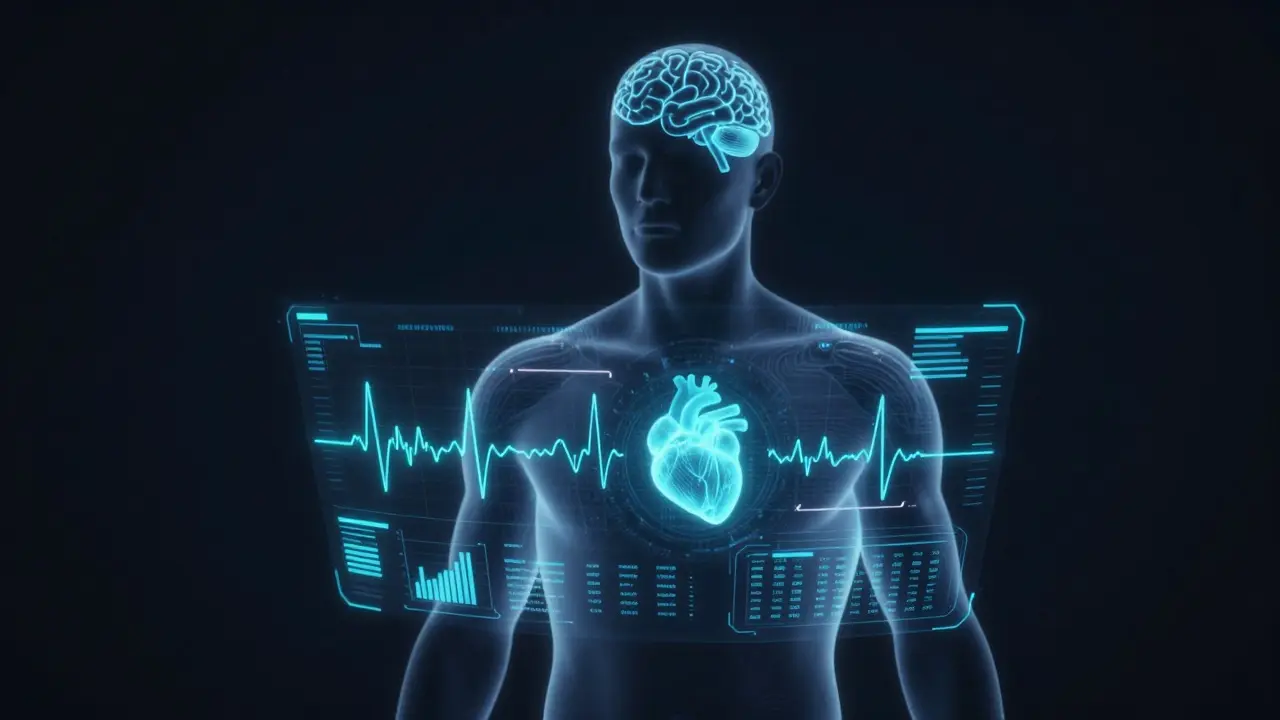
The Core Mechanics of Mind-Body Control
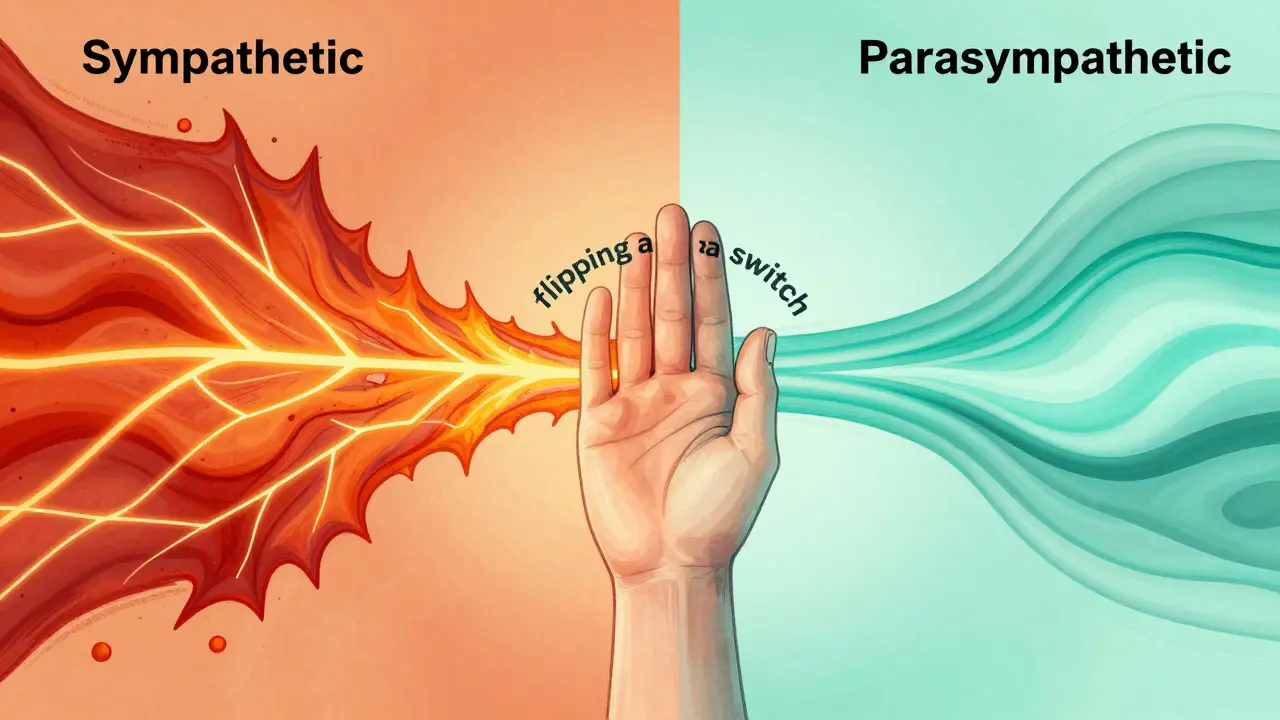
To understand how this works, we have to look at the Autonomic Nervous System (ANS). This is the part of your nervous system that handles everything you don't think about-digesting food, breathing, and your heart beating. The ANS is split into two main modes: the sympathetic (fight or flight) and the parasympathetic (rest and digest). When you're stressed, your sympathetic system takes over, pumping out cortisol and adrenaline. Biofeedback helps you manually flip the switch back to the parasympathetic mode.
When you use a biofeedback device, it measures a specific biological signal. For example, if you're using a sensor for skin temperature, you'll see the numbers drop when you're stressed because blood flows away from your extremities and toward your core. By practicing deep breathing or visualization, you can see those numbers climb back up. This immediate visual or auditory reward creates a feedback loop in your brain, teaching you exactly what 'relaxation' feels like physically, so you can replicate it without the machine.
Common Types of Biofeedback Techniques
Not all biofeedback is the same. Depending on what you're trying to heal or manage, you'll use different sensors. One of the most popular is Electromyography (EMG), which measures muscle tension. If you suffer from chronic tension headaches, an EMG sensor can show you that your jaw or shoulders are clenched even when you think they aren't. Once you see the spike on the screen, you can consciously release the muscle, effectively "unlearning" the habit of tension.
Then there is Thermal Biofeedback, which focuses on skin temperature. This is often used for people dealing with Raynaud's disease or migraines. By warming your hands through mental imagery, you're actually improving peripheral circulation. It's a direct way to combat the vasoconstriction caused by stress.
For those focused on mental performance or ADHD, Neurofeedback (or EEG biofeedback) is the gold standard. It monitors brain waves. If your brain is producing too many "slow waves" (theta) when you should be focusing, the neurofeedback system might stop a video or sound a beep. Your brain naturally wants to keep the video playing, so it adjusts its electrical activity to stay in the "focus zone." Over time, this rewires how your brain handles attention.
| Type | What it Measures | Primary Use Case | Key Attribute |
|---|---|---|---|
| EMG | Muscle Electrical Activity | Chronic Pain, Tension Headaches | Direct muscle relaxation |
| Thermal | Skin Temperature | Migraines, Circulation Issues | Vascular control |
| EEG | Brain Wave Patterns | ADHD, Anxiety, Insomnia | Neurological regulation |
| HRV | Heart Rate Variability | Stress, PTSD, Athletic Recovery | Vagus nerve stimulation |
Mastering Heart Rate Variability for Stress Resilience
If you only focus on one metric, make it Heart Rate Variability (HRV). Many people mistake HRV for heart rate, but they are very different. Heart rate is just beats per minute. HRV is the variation in time between each heartbeat. A healthy heart doesn't beat like a metronome; it has a complex, slightly irregular rhythm. High HRV is a sign of a resilient nervous system that can adapt to stress quickly.
Low HRV usually means you're stuck in a stress response. By using HRV biofeedback, you practice "resonance frequency breathing." This is usually around 5.5 to 6 breaths per minute. When you hit this rhythm, your heart rate and your breath synchronize, creating a massive wave of coherence in your system. This doesn't just calm you down; it actually signals to your brain that the environment is safe, which lowers the production of stress hormones.
Practical Steps to Start Biofeedback at Home
You don't need a clinical laboratory to start experimenting with these concepts. While professional equipment is more precise, the goal is the same: awareness. Here is how you can start implementing a stress management routine using biofeedback principles:
- Identify your "stress tell": Pay attention to where you hold tension. Do your shoulders creep up toward your ears? Does your stomach tighten? This is your manual biofeedback.
- Use wearable tech: Most modern smartwatches now track HRV and skin conductance. Use these to find patterns. Notice if your HRV drops significantly after a specific type of meeting or a certain food.
- The 4-7-8 Technique: If you don't have a device, use your breath as the sensor. Inhale for 4 seconds, hold for 7, and exhale for 8. The long exhale is the biological trigger that tells your Vagus Nerve to slow everything down.
- Visual Feedback: Use an app that mirrors your heart rate with a visual pulse. Try to make that pulse slow down and become steady through focused breathing.
Pitfalls and Reality Checks
It is easy to treat biofeedback like a gadget, but the device is just the teacher. The real work happens when you can get the same result without the device. Some people fall into the trap of becoming "data obsessed," where they get stressed because their HRV is low, which then lowers their HRV further. That's counterproductive.
Another common mistake is expecting an instant cure. Biofeedback is a form of conditioning. If you've spent twenty years training your body to react to stress with a clenched jaw, you won't fix it in two sessions. It requires consistent, daily practice to build the neurological pathways necessary for a true self-healing response.
Integrating Biofeedback into a Holistic Lifestyle
Biofeedback works best when it's paired with other habits. For instance, combining neurofeedback with a clean diet helps stabilize the brain's chemistry, making the training more effective. Similarly, using EMG biofeedback for muscle tension is a great companion to physical therapy or yoga. When you know exactly how to release a muscle, your stretches become ten times more effective because you aren't fighting against your own subconscious tension.
Think of it as a bridge. Most wellness practices ask you to "just relax," which is vague and frustrating when you're panicking. Biofeedback gives you a concrete target. It changes the conversation from "I'm trying to be calm" to "I am consciously lowering my heart rate by 5 beats per minute." That shift from vague hope to concrete control is where the actual healing happens.
Is biofeedback a replacement for medication?
Not necessarily. Biofeedback is often used as a complementary therapy. For some, it can reduce the need for medication over time by giving them tools to manage symptoms like hypertension or anxiety, but you should always consult a doctor before changing any prescribed medical treatments.
How long does it take to see results?
Some people feel a sense of relaxation immediately. However, the ability to control these functions without a machine typically takes 6 to 12 weeks of regular practice, depending on the complexity of the physiological response being trained.
Can children use biofeedback for ADHD?
Yes, neurofeedback is frequently used for children with ADHD. Because it often uses game-like interfaces (where the child controls a character by focusing their brain waves), it is generally well-tolerated and engaging for younger patients.
Are there any side effects?
Biofeedback is non-invasive and generally safe. The most common "side effect" is temporary fatigue, especially with neurofeedback, as the brain is working hard to learn new patterns. Some people may also feel a brief increase in anxiety when first becoming aware of their physical stress markers.
Which is better: HRV or EEG biofeedback?
It depends on your goal. If you want to manage general stress, anxiety, and physical recovery, HRV is the best starting point. If you are dealing with cognitive issues, sleep disorders, or specific neurological patterns, EEG (neurofeedback) is the more appropriate tool.

Oct 24 2024