
Daily Water Calculator
Calculate Your Daily Water Needs
Your Daily Water Recommendation
Enter your details to see your personalized recommendation
Metabolism Boost
Drinking 500ml cold water can boost metabolism for 30-40 minutes
Most people think drinking water is just about not feeling thirsty. But if you’re only sipping when your mouth feels dry, you’re missing out on a whole range of ways water keeps your body running right. Water isn’t just a background player in your health-it’s the main character. Every cell, organ, and system in your body depends on it. And the truth? Most of us aren’t getting enough.
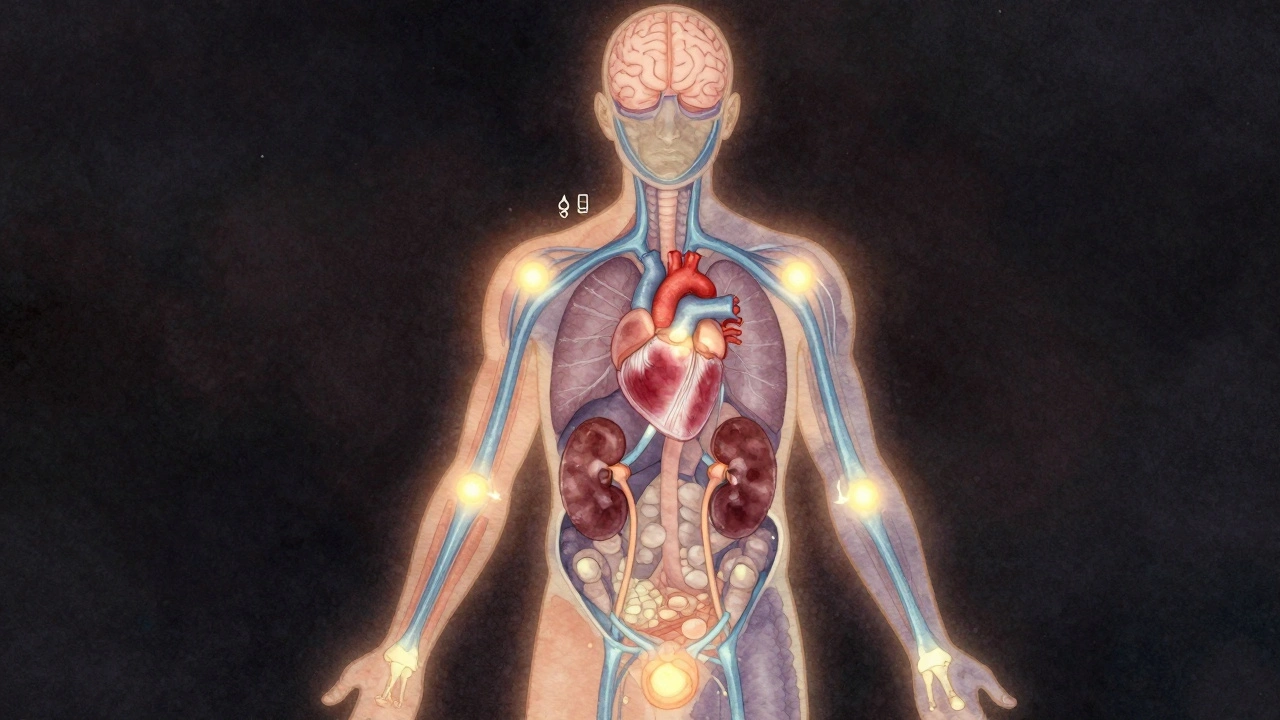
Your Body Is Mostly Water
Your brain is about 75% water. Your blood is over 90%. Even your bones contain 31% water. That means when you’re low on fluids, you’re not just feeling a little off-you’re literally starving your body of what it needs to function. A 2% drop in body water can already affect your focus, mood, and energy. That’s less than two cups of water. Think about how often you go through your day without drinking anything meaningful. That’s not normal. That’s a slow leak.
When you’re dehydrated, your heart has to work harder to pump blood. Your kidneys struggle to filter waste. Your muscles cramp. Your digestion slows. It’s not magic. It’s physics. Water carries nutrients, removes toxins, and keeps everything lubricated. Skip it, and your body starts cutting corners.
Water Boosts Your Metabolism
Want to burn more calories without stepping foot in a gym? Drink water. A 2003 study from the University of Virginia found that drinking about 500ml (just over two cups) of water increased metabolic rate by 30% for about 30-40 minutes. That’s not a tiny bump-it’s like adding a small engine to your body’s fuel system.
This effect is strongest when you drink cold water. Your body uses energy to warm it up to body temperature. That’s called thermogenesis. It’s not going to replace a workout, but if you drink a glass of water before meals, you’ll naturally eat less and burn a few extra calories in the process. People in one trial who drank two glasses of water before each meal lost 4.4 pounds more over 12 weeks than those who didn’t.
Clearer Skin, Fewer Breakouts
Yes, water helps your skin. Not because it magically washes away acne, but because it helps your body do its job. Your skin is your largest organ. It needs water to stay elastic, to flush out toxins, and to keep your natural oils balanced. When you’re dehydrated, your skin gets tight, flaky, and dull. It can even trigger more oil production as a defense mechanism-which leads to clogged pores.
People who drank more water regularly reported fewer dry patches, less redness, and a more even tone. It doesn’t erase wrinkles or fix genetics, but it does make your skin look healthier from the inside out. And in a world full of harsh cleansers and acne treatments, sometimes the simplest fix is the one you’ve ignored.
Water Keeps Your Brain Sharp
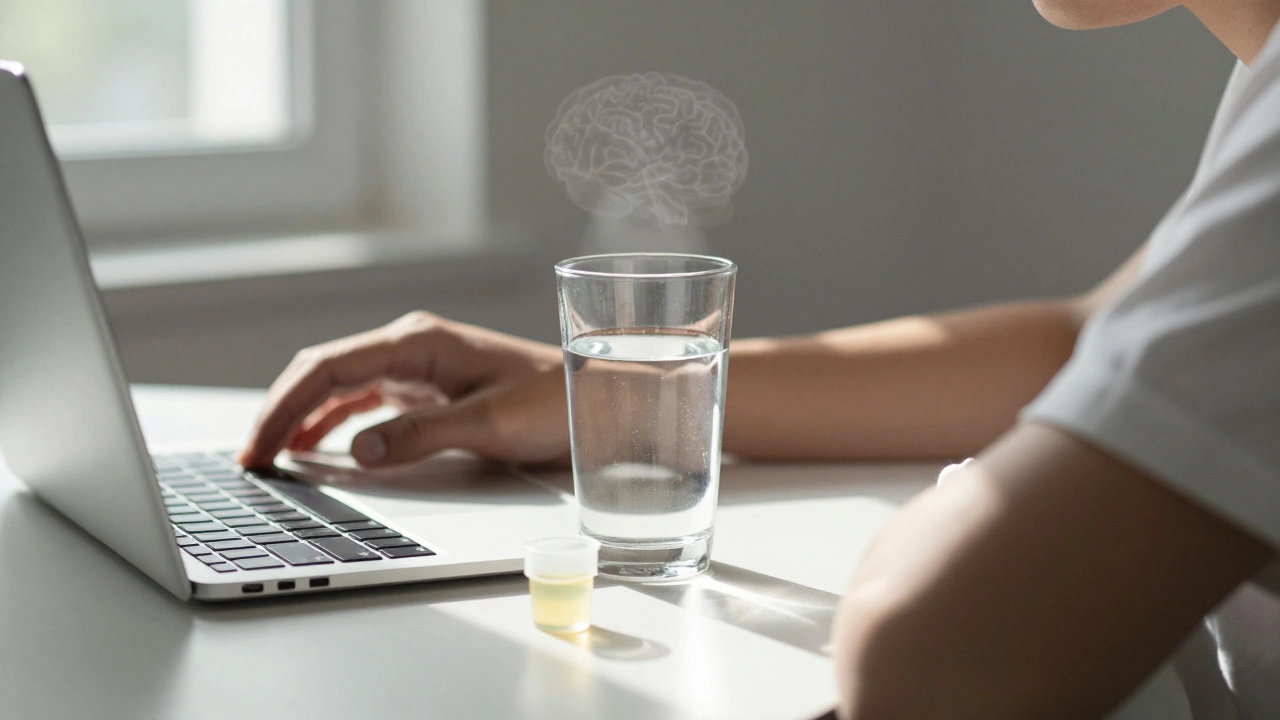
Ever had a headache after a long meeting? Or felt foggy after lunch? Chances are, you hadn’t drunk anything since breakfast. Even mild dehydration affects your brain. A 2012 study from the University of East London showed that students who drank water during a cognitive test performed better on memory tasks and reacted faster. Their attention span improved too.
Dehydration reduces blood flow and oxygen to the brain. It lowers serotonin and dopamine levels-chemicals that affect mood and focus. That’s why you get irritable, forgetful, or zoning out after hours without water. It’s not laziness. It’s biology. Keep a bottle on your desk. Sip every 20 minutes. Your brain will thank you.
Water Helps You Sleep Better
You might not think of water as a sleep aid, but it plays a quiet role. When you’re dehydrated, your body produces more vasopressin-a hormone that helps retain water but also triggers nighttime wakefulness. You might wake up dry-mouthed, needing a drink, and then struggle to fall back asleep.
On the flip side, drinking enough water during the day helps your body regulate temperature and reduce nighttime trips to the bathroom. The key? Don’t chug right before bed. Drink steadily through the day, and stop about an hour before sleep. That way, your body stays balanced without interrupting your rest.
Water Eases Joint Pain and Muscle Cramps
Your joints are cushioned by fluid. Your muscles need water to contract and relax properly. When you’re low on fluids, that cushion shrinks. That’s why people with arthritis often say their pain gets worse in dry weather or after exercise. It’s not the weather-it’s the lack of hydration.
Same goes for cramps. A muscle cramp isn’t always from overuse. Sometimes it’s from not having enough water and electrolytes to keep the signals flowing. If you get leg cramps at night or after walking, try increasing your water intake for a week. Many people notice a difference before they even start stretching or taking supplements.
Water Helps Your Digestion
Constipation isn’t just about fiber. It’s about water. Fiber pulls water into your stool to make it soft and easy to pass. If you eat lots of fiber but don’t drink enough water, you might end up harder stools and more strain. That’s why doctors always say: drink water with your fiber.
Water also helps your stomach break down food. It activates enzymes and keeps the lining of your gut moist. When you’re dehydrated, your digestive system slows down. You feel bloated. You get heartburn. Your gut bacteria-your microbiome-struggle to thrive. Drinking water before meals helps kickstart digestion. It’s not a cure-all, but it’s the foundation.

How Much Should You Really Drink?
The old rule-eight glasses a day-isn’t wrong, but it’s not exact. Your needs depend on your body, your activity level, and your environment. In Perth, where summer temps hit 40°C, you’ll need more than someone in a cool, rainy city.
A better way: listen to your body. Thirst is a late signal. By the time you feel it, you’re already slightly dehydrated. Look at your urine. Pale yellow? You’re good. Dark yellow or amber? Drink up. Also, weigh yourself before and after exercise. Every pound lost is about 480ml of water you need to replace.
Most adults need about 2.5-3.7 liters per day total-from all drinks and food. About 20% comes from food (fruits, veggies, soups). So aim for 2-3 liters of water or other fluids. If you’re active, hot, or sweating a lot, add more.
What Counts as Water?
Plain water is best. But tea, coffee, milk, and watery fruits (like watermelon or oranges) count too. Caffeinated drinks? Yes, they hydrate you. The myth that coffee dehydrates you is outdated. A 2014 study in the Journal of the American College of Nutrition found no difference in hydration levels between people who drank coffee and those who drank water.
But skip the sugary sodas and energy drinks. They add calories, spike blood sugar, and can make you feel more dehydrated long-term. Artificial sweeteners? Not ideal either. Stick to clean, simple fluids.
Simple Ways to Drink More
- Keep a bottle with you at all times. A 1-liter bottle you refill twice is easier than chasing random cups.
- Set a reminder on your phone every 90 minutes. Even if you’re not thirsty, take a sip.
- Drink one glass as soon as you wake up. It kickstarts your metabolism and rehydrates you after sleep.
- Swap one sugary drink a day for water. You’ll cut calories and feel clearer-headed.
- Add lemon, cucumber, or mint if plain water feels boring. It’s still water.
It’s not about perfection. It’s about consistency. You don’t need to drink 3 liters every day. Just make sure you’re not running on empty.
When to Be Concerned
Most people just need more water. But if you’re drinking a lot and still feel tired, dizzy, or confused, there might be something else going on. Conditions like diabetes, kidney disease, or hormonal imbalances can affect hydration. If you’re peeing constantly, extremely thirsty, or losing weight without trying, see a doctor.
On the flip side, drinking way too much water too fast can be dangerous. Hyponatremia-low sodium from overhydration-is rare but real. It happens mostly in endurance athletes who drink gallons of plain water without replacing electrolytes. For most people? You’re not at risk. Just drink when you’re thirsty and listen to your body.