
Have you ever felt sluggish after a weekend of heavy meals or poor sleep? You might have considered starting a health juice is a beverage made from extracted fruit and vegetable liquids that provides concentrated nutrients without the fiber of whole foods. It is often marketed as a quick fix for energy and digestion. The idea that sipping on bright green or orange liquid can "flush out toxins" sounds appealing, but does it actually work? Many people turn to these drinks hoping for a reset button for their bodies. However, the reality of how your body processes waste is more complex than marketing slogans suggest. Understanding what health juice actually does-and doesn't do-can help you decide if it fits into your routine.
What Is Health Juice and How Does It Work?
To understand the role of health juice, we need to look at how it differs from smoothies or eating whole produce. When you eat an apple, you get the flesh, the skin, and the seeds. This includes dietary fiber, which slows down sugar absorption and feeds your gut bacteria. Juicing removes this fiber. What remains is a liquid rich in vitamins, minerals, and phytonutrients, but also containing natural sugars that enter your bloodstream quickly.
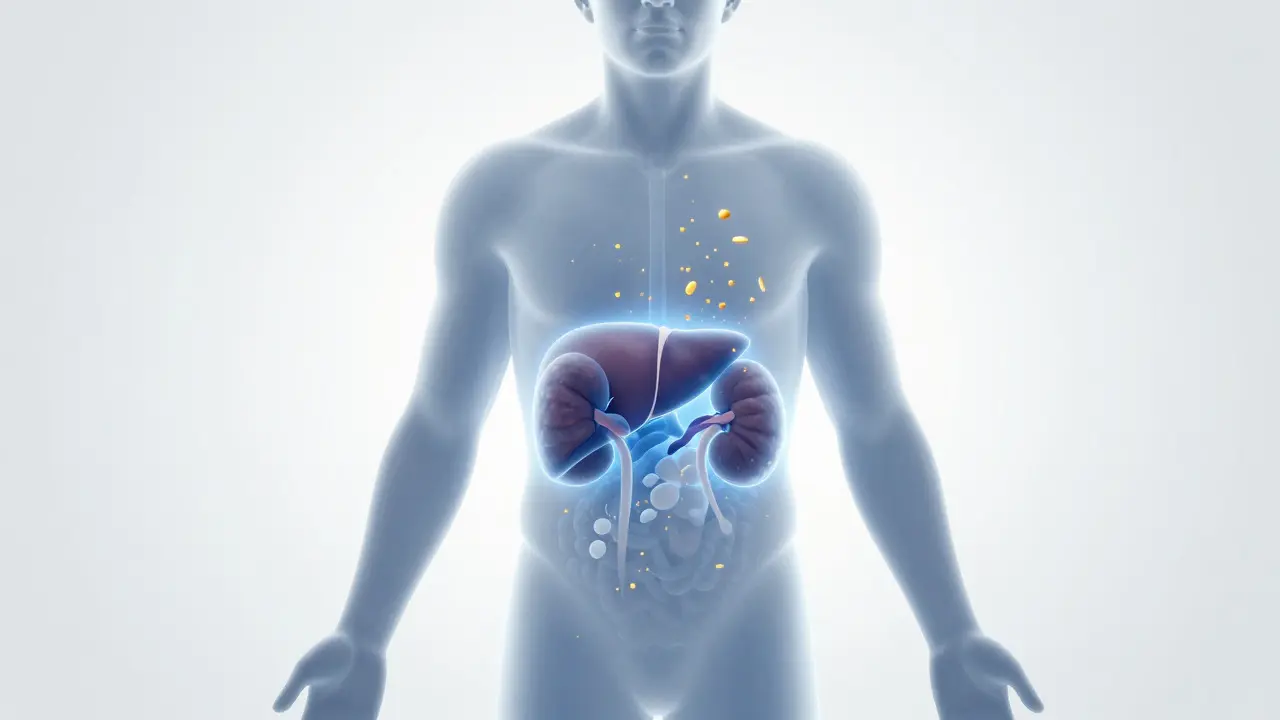
The concept behind using juice for a cleanse is based on the idea of reducing digestive workload. By providing pre-digested nutrients, proponents argue that your body can focus on elimination rather than breaking down food. While this theory has some merit in terms of giving the digestive system a rest, it is not a magic wand. Your liver and kidneys are already highly efficient at filtering blood and removing metabolic waste. A glass of carrot juice won’t replace their function, but it can support them by providing essential cofactors like antioxidants.
- Fiber Removal: Juicing separates the liquid from the pulp, resulting in a drink with no insoluble fiber.
- Nutrient Density: You can consume large quantities of vegetables (like five carrots) in one small glass, which is difficult when eating whole.
- Rapid Absorption: Without fiber to slow digestion, micronutrients reach the bloodstream faster, potentially offering a quick energy boost.
The Myth of "Detoxing": What Science Says
The word "detox" is everywhere in wellness circles, but medically, it’s a bit of a misnomer. Your body has built-in detoxification systems. The liver converts fat-soluble toxins into water-soluble compounds so they can be excreted. The kidneys filter blood to remove urea and other waste products through urine. The skin releases sweat, and the lungs exhale carbon dioxide. These organs work continuously, 24/7, regardless of whether you are drinking celery juice or eating a steak.
So, why do people feel better after a juice cleanse? Often, it’s because they are cutting out processed foods, alcohol, caffeine, and excess salt. This reduction in inflammatory triggers allows the body to recover. Additionally, the high intake of vitamins C, E, and beta-carotene found in fruits and vegetables supports cellular repair. The benefit comes from adding nutrient-dense foods, not necessarily from "flushing" anything out. Think of health juice as fuel for your existing detox organs, not a replacement for them.
Research published in journals like the American Journal of Clinical Nutrition suggests that increased consumption of fruits and vegetables is linked to lower risks of chronic diseases. However, few studies support the claim that short-term juice fasts eliminate specific environmental toxins more effectively than a balanced diet. The placebo effect and improved hydration also play significant roles in how refreshed people feel post-cleanse.
Key Ingredients for Liver and Kidney Support
If you want to use juicing to support your body’s natural cleansing processes, choose ingredients known for their hepatoprotective (liver-protecting) properties. Not all juices are created equal. A juice loaded with apples and oranges will spike your blood sugar due to high fructose content, while a blend focused on leafy greens and cruciferous vegetables offers steady nutrients and powerful antioxidants.
| Ingredient | Key Nutrient | Benefit for Detox |
|---|---|---|
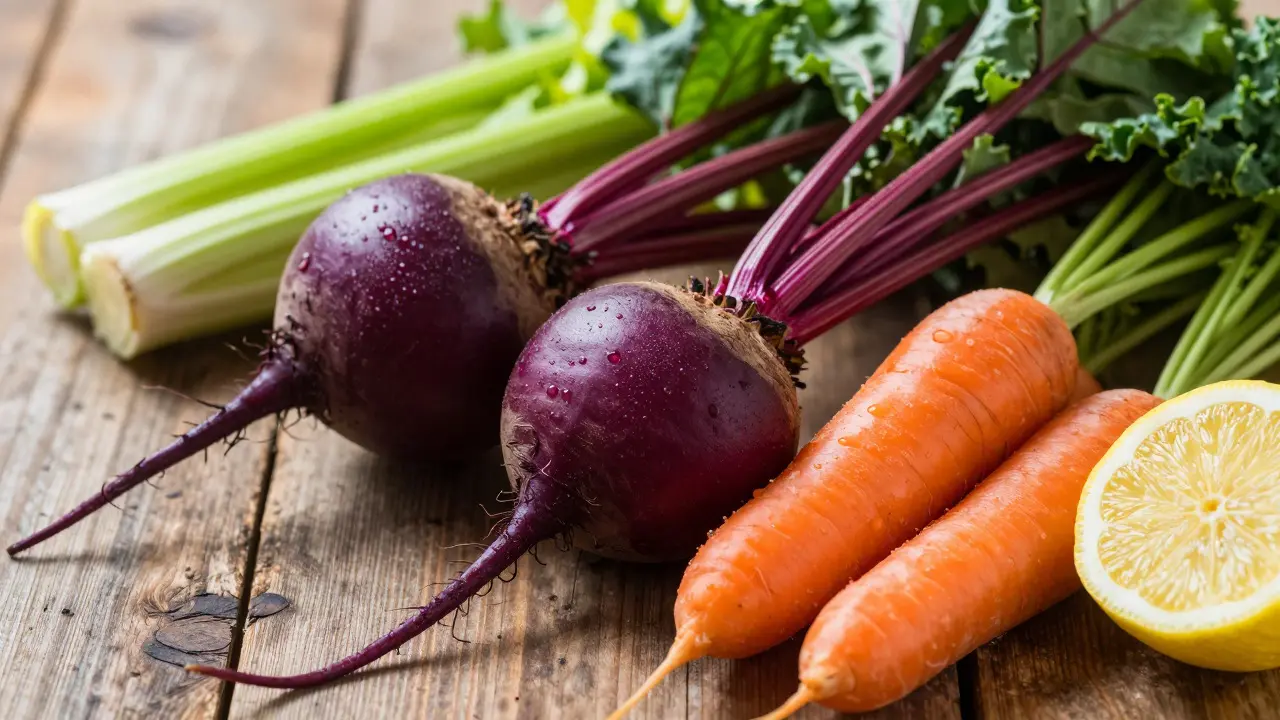
| Beetroot | Betaine, Nitrates | Supports liver enzyme production and improves blood flow. |
| Ginger Root | Gingerol | Reduces inflammation and aids digestion. |
| Lemon | Vitamin C, Citric Acid | Stimulates bile production and boosts immunity. |
| Celery | Phthalides, Electrolytes | Hydrates and may help reduce blood pressure. |
| Kale | Sulforaphane, Vitamin K | Activates phase II liver detoxification enzymes. |
Notice that none of these ingredients are "magic bullets." They work synergistically. For example, vitamin C from lemon helps regenerate glutathione, a master antioxidant produced by the liver. Combining ginger with turmeric can significantly reduce systemic inflammation, making it easier for your body to manage stress and heal tissues.
Safe Ways to Incorporate Health Juice Into Your Routine
You don’t need to starve yourself or drink only juice for three days to see benefits. In fact, prolonged juice fasting can lead to muscle loss, fatigue, and nutrient deficiencies if not carefully planned. Instead, consider integrating health juice as part of a balanced diet. Here are practical ways to start:
- Morning Boost: Replace your morning coffee with a small glass of green juice. This hydrates you after sleep and provides vitamins without the jitters of caffeine.
- Post-Workout Recovery: After intense exercise, a mix of beetroot and carrot juice can replenish electrolytes and reduce muscle soreness thanks to nitrates.
- Evening Wind-Down: Try a calming blend with cucumber and mint. Avoid citrus late at night if you suffer from acid reflux.
- Supplement, Don’t Substitute: Use juice to add more veggies to your day, not to replace meals entirely. Aim for at least one solid meal with protein and healthy fats daily.
When starting, listen to your body. If you feel dizzy or weak, you likely need more calories or fiber. Adding a tablespoon of chia seeds or flaxseeds to your juice can reintroduce some fiber and keep you fuller longer. Also, rotate your ingredients weekly to ensure a wide range of phytonutrients and avoid pesticide buildup from overusing one type of produce.
Potential Risks and Who Should Avoid Juice Cleanses
While generally safe for healthy adults, juicing isn’t suitable for everyone. The high sugar content in fruit-heavy juices can be problematic for people with diabetes or insulin resistance. Even natural fructose, when consumed in large amounts without fiber, can strain the liver and contribute to fatty liver disease over time.
Additionally, juice cleanses can interact with medications. Grapefruit juice, for instance, interferes with the metabolism of many common drugs, including statins and blood pressure medications. Always consult your doctor before starting any restrictive diet, especially if you have kidney issues, as high potassium levels from spinach and beet greens can be dangerous for those with renal impairment.
Another risk is dental erosion. The acidity in citrus and tomato juices can wear down tooth enamel. To minimize this, drink juice through a straw and rinse your mouth with water afterward. Wait at least 30 minutes before brushing your teeth to avoid scrubbing softened enamel.
Simple Recipes for Everyday Detox Support
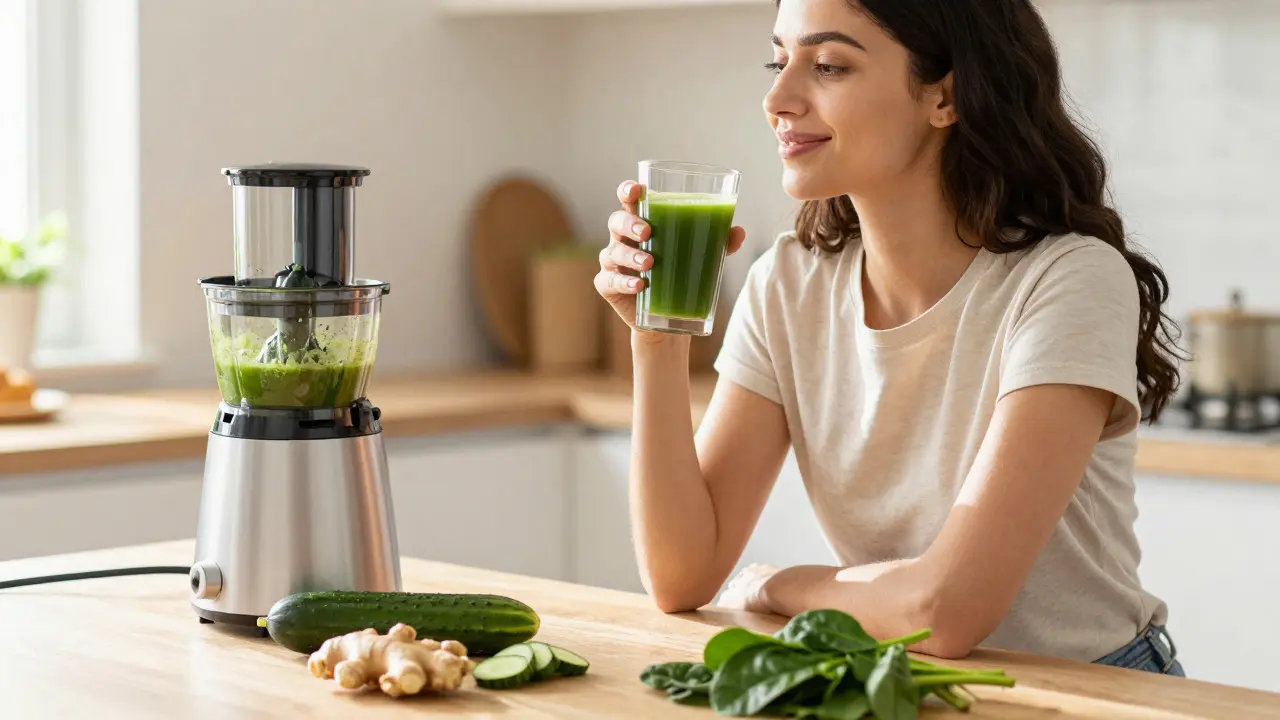
Creating effective health juice at home is easy and cost-effective compared to buying pre-packaged bottles, which often contain added sugars or preservatives. Here are two simple recipes that balance taste with nutritional power.
The Green Reset
This recipe focuses on alkalizing minerals and chlorophyll.
- 2 stalks of celery
- 1 cucumber
- 1 cup of kale leaves
- 1/2 lemon (peeled)
- 1 inch of ginger root
The Liver Lover
Designed to support liver enzymes with earthy flavors.
- 1 medium beetroot (raw)
- 2 carrots
- 1 apple (green varieties like Granny Smith are less sweet)
- 1/2 lemon (peeled)
Conclusion: Balance Over Extremes
The trend of using health juice for detox and cleanse purposes is rooted in good intentions but often exaggerated by marketing. Your body is designed to clean itself. Your job is to provide the right tools-nutrients, hydration, and rest-to make that process efficient. Rather than viewing juice as a periodic rescue mission, treat it as a daily habit that enhances your overall nutrition. By choosing vegetable-forward recipes, limiting fruit sugars, and maintaining a balanced diet, you can enjoy the vibrant energy and clarity that come from nourishing your body properly. Remember, consistency beats intensity every time. A glass of fresh juice alongside a wholesome meal is far more sustainable and beneficial than a week-long juice-only fast.
How long should I last a juice cleanse?
Most experts recommend limiting juice-only cleanses to 1-3 days maximum. Longer periods can lead to muscle loss, nutrient deficiencies, and metabolic slowdown. For most people, incorporating juice into a normal diet daily is safer and more sustainable than extended fasting.
Does juicing really remove toxins from the body?
Not directly. Your liver and kidneys handle toxin removal. Juicing supports these organs by providing antioxidants and nutrients that aid their natural functions. The feeling of "cleansing" often comes from reduced intake of processed foods and improved hydration.
Can I drink health juice every day?
Yes, if balanced correctly. Aim for vegetable-based juices with limited fruit to control sugar intake. Drinking one glass daily can boost your micronutrient profile. Ensure you still eat whole foods with fiber, protein, and healthy fats for complete nutrition.
Is store-bought juice as good as homemade?
Homemade is superior because it retains more enzymes and nutrients, which degrade over time. Store-bought juices are often pasteurized, killing beneficial bacteria and reducing vitamin content. They may also contain added sugars or preservatives. Check labels carefully if buying commercially.
Will juicing help me lose weight?
Short-term weight loss is common due to calorie restriction and water loss. However, without fiber, juice doesn’t keep you full, leading to potential rebound eating. Sustainable weight loss requires a calorie deficit maintained through balanced meals, not just juice replacements.

Dec 21 2024