Ever walked out of the gym feeling like you could eat a horse, only to realize your fridge is empty? Or maybe you’re staring at a bag of chips, wondering if that’s really going to help you hit those squat goals. We’ve all been there. The truth is, what you eat between meals can make or break your progress. It’s not just about burning calories; it’s about fueling your body so it actually recovers and grows stronger.
In Melbourne, where coffee culture meets active lifestyles, we know that convenience shouldn’t mean compromise. You don’t need complicated recipes or expensive superfoods to get results. You just need smart choices. This guide cuts through the noise to show you exactly what to eat, when to eat it, and why it matters for your fitness journey.
Why do I need healthy snacks for my fitness journey?
Snacks bridge the gap between meals, providing steady energy levels and preventing muscle breakdown. They ensure your body has the nutrients needed for recovery and performance, especially around workout times.
The Science Behind Snacking for Performance
Let’s get one thing straight: snacking isn’t the enemy. In fact, skipping meals often backfires. When you go too long without eating, your blood sugar drops, your energy crashes, and your body starts breaking down muscle for fuel. That’s the opposite of what you want if you’re trying to build strength or lose fat.
Nutrient Timing is the practice of consuming specific nutrients at optimal times to enhance performance and recovery. Think of it as giving your body the right tools at the right time. Before a workout, you need quick energy-carbs are your best friend here. Afterward, you need repair materials-protein and some carbs to replenish glycogen stores.
Research from the Journal of the International Society of Sports Nutrition highlights that consuming protein within two hours post-exercise significantly boosts muscle protein synthesis. But you don’t need a fancy shake. A simple combination of Greek yogurt and berries works just as well.
- Pre-Workout: Focus on easily digestible carbohydrates for immediate energy.
- Post-Workout: Prioritize protein for muscle repair and carbs to refill energy tanks.
- General Daytime: Balance macros to maintain satiety and stable blood sugar.
Top Protein-Packed Snacks for Muscle Recovery
If you’re lifting weights or doing high-intensity interval training (HIIT), protein is non-negotiable. It repairs the micro-tears in your muscles caused by exercise. Here are some reliable options that taste good and deliver results.
| Snack | Protein Content | Best For |
|---|---|---|
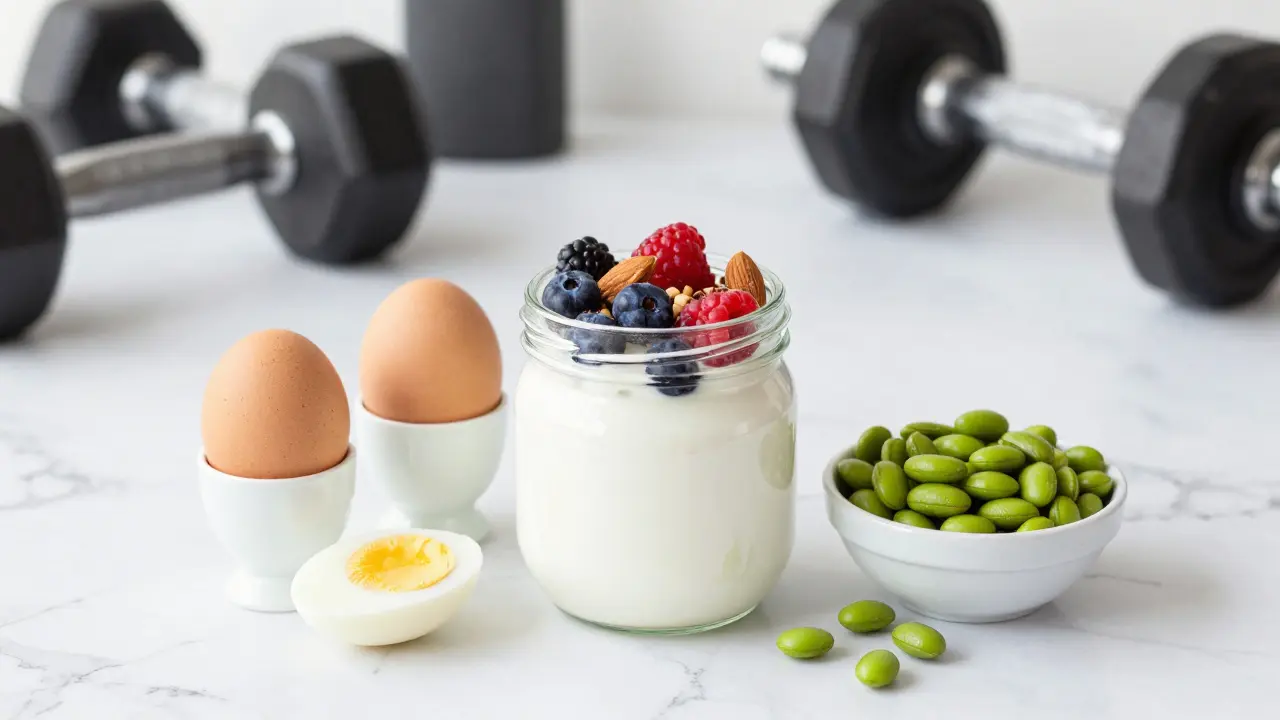
| Hard-Boiled Eggs | 6g per egg | On-the-go, sustained energy |
| Greek Yogurt | 15-20g per cup | Post-workout recovery |
| Cottage Cheese | 14g per half-cup | Evening snack, slow-digesting casein |
| Edamame | 9g per half-cup | Plant-based option, fiber-rich |
Eggs are versatile. Boil a dozen on Sunday, keep them in the fridge, and grab two before your morning run. Greek yogurt is another powerhouse. Look for plain, unsweetened varieties to avoid hidden sugars. Add a handful of almonds for crunch and healthy fats. Cottage cheese might sound old-school, but its high casein content makes it perfect for nighttime snacks, slowly releasing amino acids while you sleep.
For plant-based athletes, edamame and lentils are fantastic. They provide complete proteins when combined with grains like quinoa. Don’t underestimate the power of legumes-they’re affordable, filling, and packed with micronutrients.
Carb Choices That Won’t Spike Your Blood Sugar
Not all carbs are created equal. Refined carbs like white bread or pastries cause rapid spikes and crashes in blood sugar, leaving you tired and hungry again soon. Instead, opt for complex carbohydrates that release energy slowly.
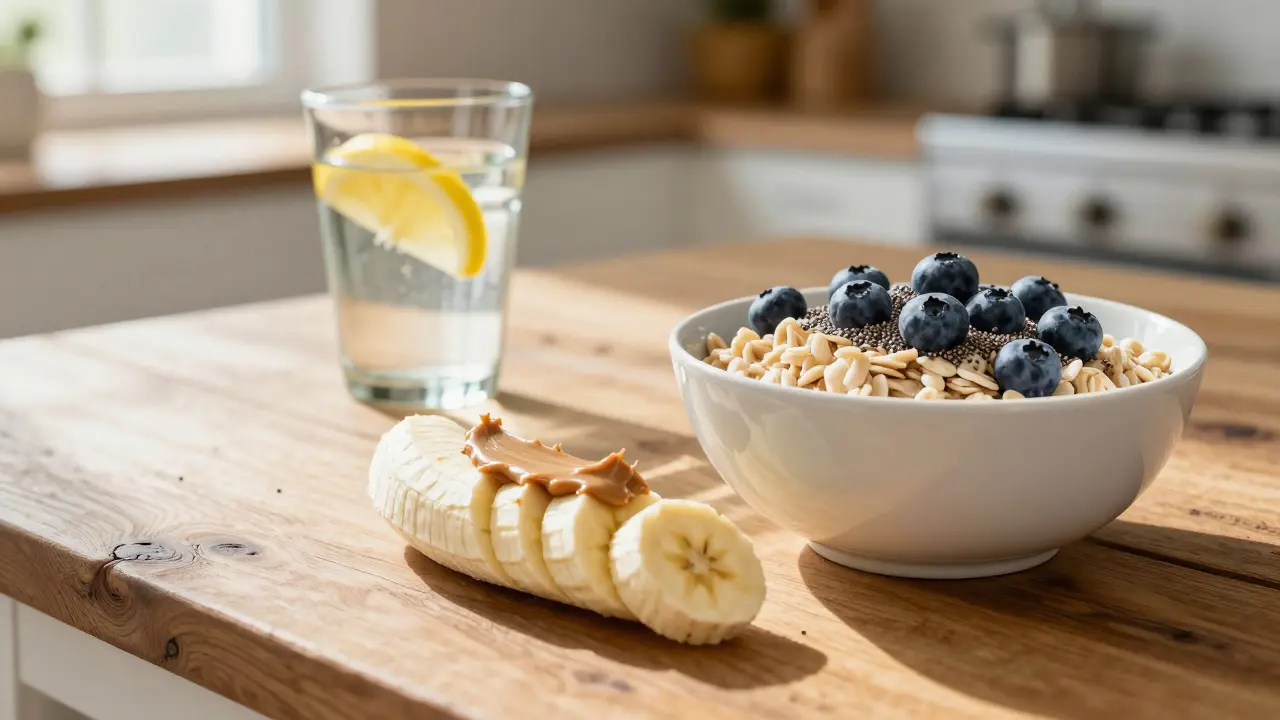
Oats are a classic for a reason. They’re rich in beta-glucan, a type of soluble fiber that helps regulate blood sugar. Try overnight oats with chia seeds and blueberries for a pre-workout boost. Bananas are another great choice. They’re easy to digest and packed with potassium, which prevents cramps during intense sessions.
Sweet potatoes offer a sweet twist without the guilt. Roast cubes with olive oil and cinnamon for a satisfying treat. Quinoa and brown rice are excellent bases for savory snacks. Mix them with chickpeas and spinach for a nutrient-dense bowl that keeps you full for hours.
Fat Sources for Satiety and Hormone Health
Fat gets a bad rap, but it’s essential for hormone production and keeping you satisfied. Healthy fats slow down digestion, meaning you stay fuller longer. Avocados, nuts, and seeds are your go-to sources.
Avocado toast is more than a trend. Spread mashed avocado on whole-grain toast and sprinkle with chili flakes. It’s delicious and provides monounsaturated fats that support heart health. Nuts like almonds and walnuts are convenient and calorie-dense, so portion control is key. A small handful goes a long way.
Chia seeds and flaxseeds are tiny but mighty. They’re loaded with omega-3 fatty acids, which reduce inflammation after tough workouts. Stir them into smoothies or yogurt for an easy upgrade. Olive oil drizzled over veggies adds flavor and health benefits without extra effort.
Hydration: The Forgotten Component
You can eat all the right foods, but if you’re dehydrated, your performance will suffer. Water is crucial for transporting nutrients, regulating temperature, and lubricating joints. Aim for at least 2 liters a day, more if you sweat heavily.
Electrolytes matter too, especially if you’re doing long endurance activities. Sodium, potassium, and magnesium help prevent cramps and fatigue. Coconut water is a natural source of electrolytes, though sports drinks can be useful for very intense sessions. Just watch the sugar content.
Herbal teas count toward your daily intake. Green tea offers antioxidants and a mild caffeine kick, perfect for afternoon slumps. Infused waters with lemon or cucumber add flavor without calories, making hydration enjoyable.
Meal Prep Hacks for Busy Lives
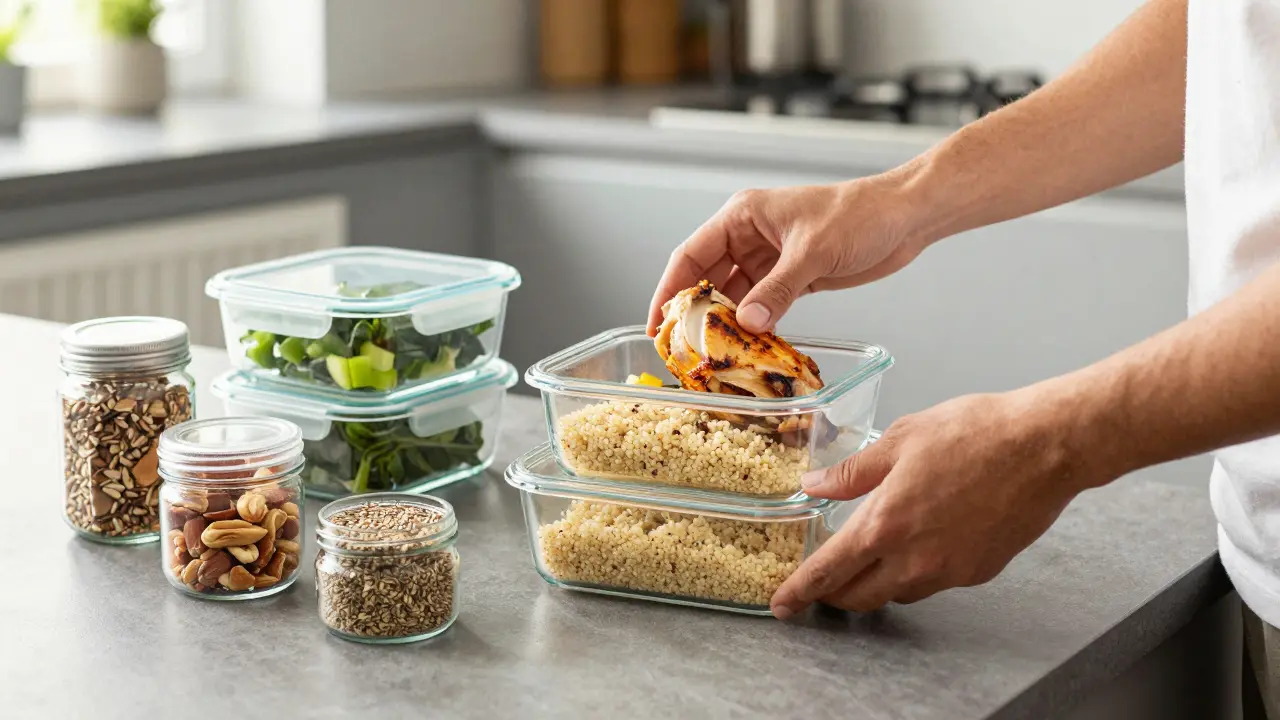
Life gets busy, and it’s easy to fall back on fast food. Meal prepping doesn’t have to be time-consuming. Spend one hour on Sunday preparing snacks for the week. Hard-boil eggs, chop veggies, portion nuts, and mix trail mixes.
Use clear containers to see what you have left. Label them with dates to track freshness. Keep portable options in your bag or car for unexpected hunger pangs. Frozen fruits are great for smoothies and last longer than fresh ones.
Batch cook grains and proteins. Make a large pot of quinoa and roast chicken thighs. Divide them into containers for easy assembly throughout the week. This strategy saves time and money while ensuring you always have healthy options available.
Avoiding Common Pitfalls
Many people fall into traps that undermine their efforts. One big mistake is relying on processed "health" foods. Granola bars and protein shakes can be loaded with added sugars and artificial ingredients. Read labels carefully. If you can’t pronounce an ingredient, think twice.
Another pitfall is ignoring hunger cues. Listen to your body. Are you truly hungry, or just bored? Sometimes drinking water solves the problem. Also, don’t fear indulgence occasionally. One cheat meal won’t ruin your progress, but consistent poor choices will.
Portion distortion is real. Even healthy foods can lead to weight gain if eaten in excess. Use smaller plates, measure servings initially, and adjust based on how you feel. Mindful eating practices help you recognize fullness signals earlier.
Tailoring Snacks to Your Goals
Your dietary needs depend on your specific fitness objectives. If you’re bulking up, focus on calorie-dense snacks like nut butters and whole milk. For cutting, prioritize low-calorie, high-volume foods like vegetables and lean proteins.
Endurance athletes need more carbs to sustain long efforts. Include dates, raisins, and energy gels during events. Strength trainers benefit from higher protein intakes to maximize muscle growth. Adjust your ratios accordingly.
Listen to your body’s feedback. Do you feel energized? Recover quickly? Sleep well? These indicators tell you if your snacking strategy is working. Tweak as needed until you find the balance that suits you best.
What is the best pre-workout snack?
A banana with almond butter or oatmeal with berries provides quick-digesting carbs and some protein for sustained energy without digestive discomfort.
Can I eat fruit after a workout?
Yes, fruit is excellent post-workout due to its natural sugars replenishing glycogen stores. Pair it with protein for optimal recovery.
How much protein should I consume in a snack?
Aim for 15-25 grams of protein per snack to effectively stimulate muscle protein synthesis, depending on your total daily intake and body weight.
Are protein bars healthy?
It depends on the brand. Choose bars with minimal added sugar, recognizable ingredients, and adequate protein content. Whole food options are generally superior.
When should I stop eating before bed?
Try to finish eating 2-3 hours before bedtime to allow for digestion. However, a small protein-rich snack like cottage cheese can aid overnight recovery.