

Quick Wins for Immediate Relief
- The 4-7-8 Breath: Inhale for 4, hold for 7, exhale for 8. It tricks your nervous system into relaxing.
- Five-Senses Check: Name 5 things you see, 4 you feel, 3 you hear, 2 you smell, and 1 you taste.
- Digital Sunset: Turn off screens 60 minutes before bed to lower mental stimulation.
Understanding the Engine of Stress
Before we fix the problem, we need to know what's actually happening under the hood. When you feel stressed, your body triggers the Fight-or-Flight Response, which is basically your prehistoric survival mechanism. Your brain signals the adrenal glands to dump Cortisol (the primary stress hormone) and adrenaline into your bloodstream. This is great if you're being chased by a bear, but it's exhausting when the "bear" is just a passive-aggressive comment from your boss.
The problem is that modern stress is chronic, not acute. Instead of a quick spike and drop, your cortisol levels stay elevated. This leads to brain fog, irritability, and that feeling of being "wired but tired." To counter this, we need to activate the Parasympathetic Nervous System, which acts as the body's brake pedal. This is where the duo of calmness and mindfulness comes in.
Defining the Dynamic Duo
People often use these terms interchangeably, but they are different tools. Calmness is a state of being. It's the absence of agitation. Think of it as the still water in a lake. On the other hand, Mindfulness is an active mental process. It is the practice of maintaining a non-judgmental state of heightened or complete awareness of one's present moment.
If calmness is the destination, mindfulness is the vehicle that gets you there. You can't simply command yourself to "be calm" when you're mid-panic attack; that's like telling a crashing car to just stop. Instead, you use mindfulness to observe the panic without joining in. By noticing the feeling-"Oh, my chest is tight and my thoughts are racing"-you create a gap between the stimulus and your reaction. That gap is where stress relief actually happens.
| Feature | Calmness | Mindfulness |
|---|---|---|
| Nature | Emotional State / Outcome | Mental Skill / Process |
| Goal | Peace and Tranquility | Awareness and Presence |
| Action | Experiencing a lack of stress | Observing the current moment |
| Effect | Lowers heart rate & blood pressure | Reduces emotional reactivity |
The Science of Quiet: How it Changes Your Brain
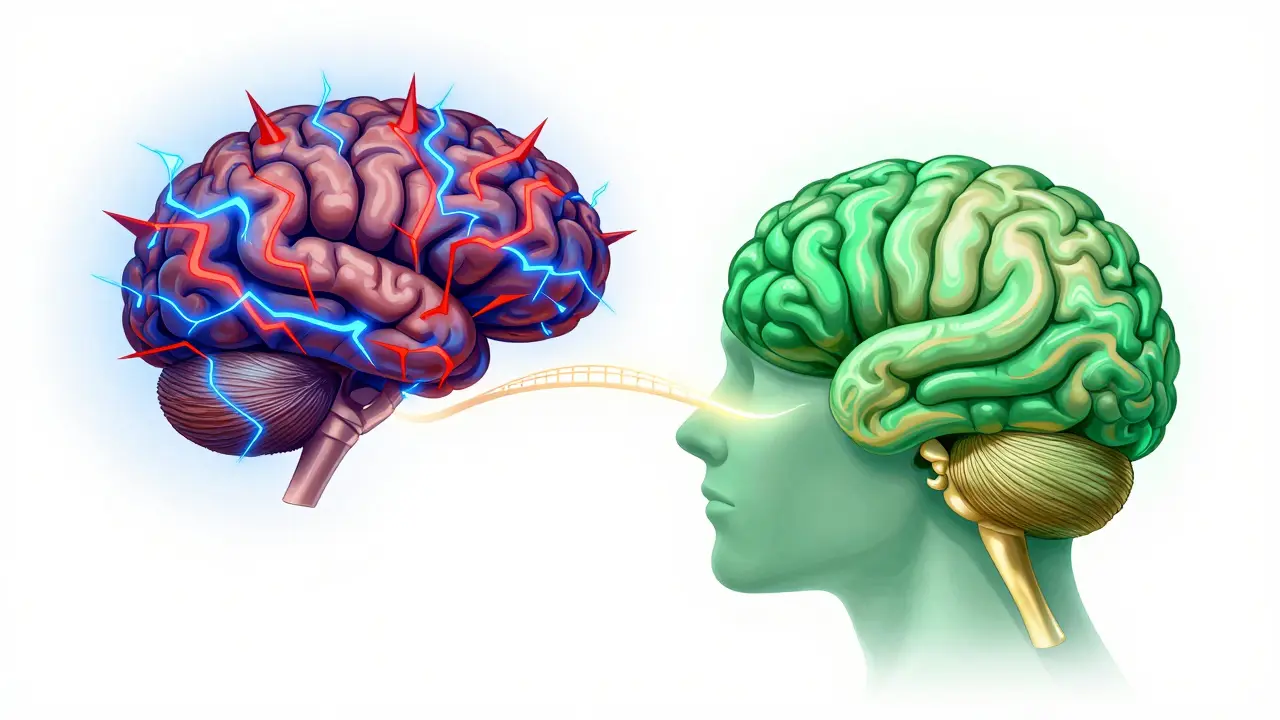
This isn't just "woo-woo" advice; there's hard data here. Research into Neuroplasticity shows that consistent mindfulness practice can actually shrink the Amygdala, the part of the brain responsible for fear and anxiety. When the amygdala is less reactive, you don't perceive minor inconveniences as major threats.
At the same time, these practices strengthen the Prefrontal Cortex, which is the executive center of your brain. This area handles logical thinking, decision-making, and emotional regulation. By shifting the balance of power from the amygdala (emotion) to the prefrontal cortex (logic), you gain the ability to stay composed when things go sideways. It's the difference between screaming at a traffic jam and realizing that getting angry won't move the cars any faster.
Practical Strategies for Daily Integration
You don't need to move to a monastery or spend four hours a day meditating to see results. The goal is to integrate these "micro-habits" into your existing routine. The more often you practice in low-stress situations, the more likely you are to succeed during high-stress ones.
The "Anchor" Technique One of the fastest ways to find calmness is to find an anchor. An anchor is a physical sensation you can return to whenever your mind starts spiraling. For some, it's the feeling of their feet pressing against the floor. For others, it's the cool air entering their nostrils. When you feel a surge of stress, stop and spend 30 seconds focusing entirely on that anchor. This breaks the loop of anxious thinking and brings you back to the physical present.
Mindful Observation (The 3-Minute Rule) Next time you're waiting in line or for a kettle to boil, resist the urge to check your phone. Instead, use those three minutes for mindful observation. Look at the textures of the walls, the way light hits a surface, or the sound of distant conversations. By forcing your brain to process external sensory data, you stop the internal monologue of worry. This is essentially a "reset button" for your cognitive load.
Emotional Labeling When you feel an emotion rising, give it a name. Instead of saying "I'm stressed," try saying "I am experiencing a feeling of overwhelm." This subtle shift in language is a psychological trick called Cognitive Defusion. It separates your identity from the emotion. You are no longer the stress; you are the observer of the stress. This creates the mental space necessary to choose a calm response rather than a knee-jerk reaction.
Overcoming Common Obstacles
Most people quit these practices because they think they're "doing it wrong." The biggest misconception is that mindfulness means clearing your mind of all thoughts. That's impossible. Your brain is designed to produce thoughts, just like your lungs are designed to breathe. The goal isn't to stop the thoughts; it's to stop judging yourself for having them.
If you sit down to be calm and your mind immediately starts listing everything you forgot to do, that's not a failure. The moment you realize your mind has wandered is actually the moment of mindfulness. The "win" is the act of noticing the distraction and gently bringing your attention back. If you do this 100 times in ten minutes, you've just done 100 "reps' of mental strength training.
Another hurdle is the "time trap." People say they don't have 20 minutes to meditate. But you don't need to. The most effective stress relief comes from high-frequency, low-duration bursts. Thirty seconds of conscious breathing every hour is more effective for your nervous system than one long session on Sunday afternoon. It's about maintaining a baseline of calm throughout the day rather than trying to recover from a total collapse.
Creating a Calm Environment
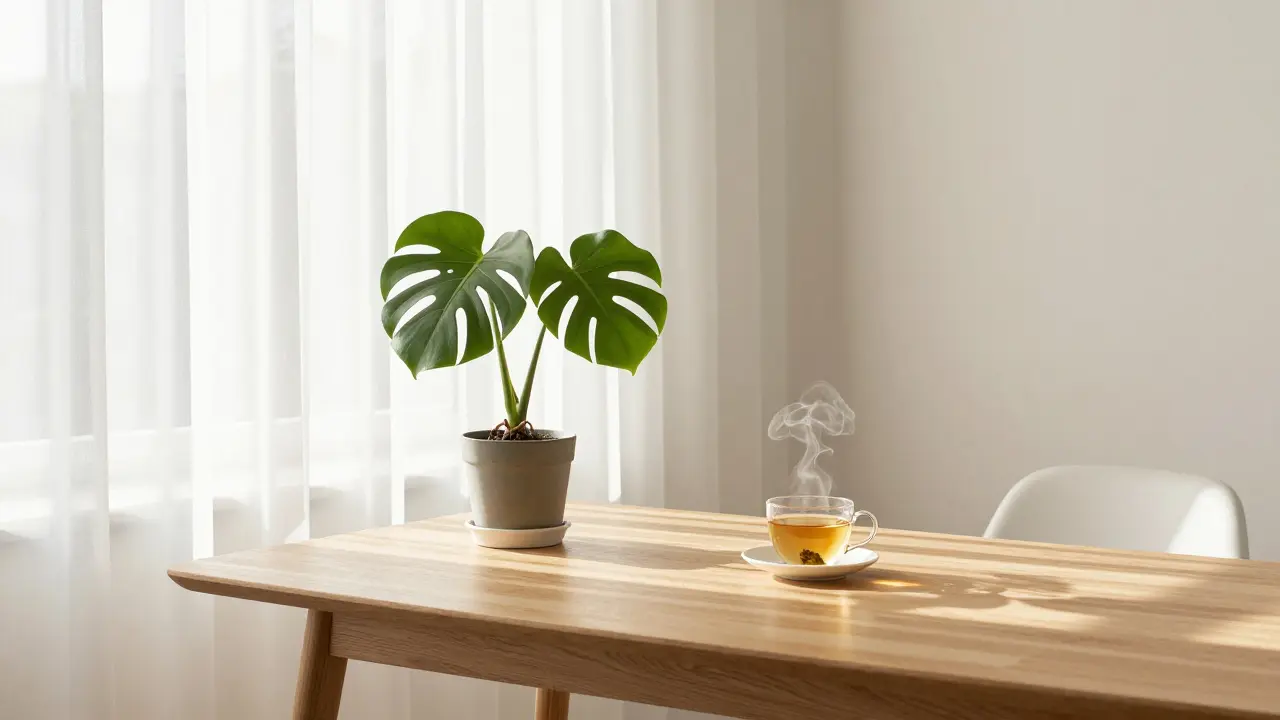
Your external environment heavily influences your internal state. If your desk is covered in clutter and your phone is buzzing every three seconds, your brain stays in a state of hyper-vigilance. You can support your mindfulness practice by optimizing your surroundings using Environmental Psychology principles.
Start with visual noise. A cluttered space often mirrors a cluttered mind. Spend five minutes clearing your immediate workspace. Then, consider the lighting. Harsh fluorescent lights can trigger a stress response, while warmer, softer light encourages the production of melatonin and promotes relaxation. Even adding a single plant can lower stress levels, as the presence of nature (Biophilia) has been shown to reduce blood pressure and improve mood.
Can mindfulness actually stop a panic attack?
Mindfulness may not always stop a panic attack instantly, but it changes your relationship with it. Instead of fighting the panic-which often increases the fear-you learn to observe the physical sensations (like a racing heart) as temporary events. This prevents the "fear of the fear" loop, often shortening the duration of the attack and reducing its intensity.
How long does it take to feel the effects of these practices?
Physiologically, a deep breath can lower your heart rate in seconds. However, the structural changes in the brain (like a smaller amygdala) typically take 8 to 12 weeks of consistent daily practice. Think of it like going to the gym: you feel a temporary glow after one workout, but you need a few months of consistency to change your physique.
Is calmness the same as being passive or lazy?
Absolutely not. Calmness is actually a state of high efficiency. When you are calm, you avoid the "cognitive noise" of anxiety, which allows you to focus your energy on the task at hand. A surgeon or a pilot needs to be incredibly calm to perform high-stakes work; passivity is a lack of action, but calmness is a controlled, intentional state of action.
What is the best time of day to practice mindfulness?
While many prefer the morning to set a tone for the day, the "best" time is whenever you feel your stress levels rising. Practicing during a difficult commute or a tense meeting is actually more valuable than practicing in a perfectly quiet room, as it trains your brain to access calmness in the real world.
Do I need a special app or teacher to start?
Not at all. While apps can provide structure for beginners, mindfulness is a natural human capacity. You can start simply by paying attention to your breath or the sensation of water on your skin while washing dishes. The most powerful tool for mindfulness is your own attention, which is always available to you for free.
Next Steps for Your Journey
If you're feeling overwhelmed, don't try to implement everything at once. Pick one tool-like the 4-7-8 breath or emotional labeling-and use it three times tomorrow. Once that feels natural, add another. If you find yourself struggling to stay consistent, try pairing your practice with an existing habit, like practicing mindful breathing every time you wait for your coffee to brew.
For those who find sitting still too difficult, consider "active mindfulness." This could be a slow walk where you focus on the contact between your foot and the ground, or mindful eating where you truly taste every ingredient in your meal. The goal isn't perfection; it's simply returning to the present moment, over and over again, until the present becomes a place where you actually want to be.





Jan 1 2026