
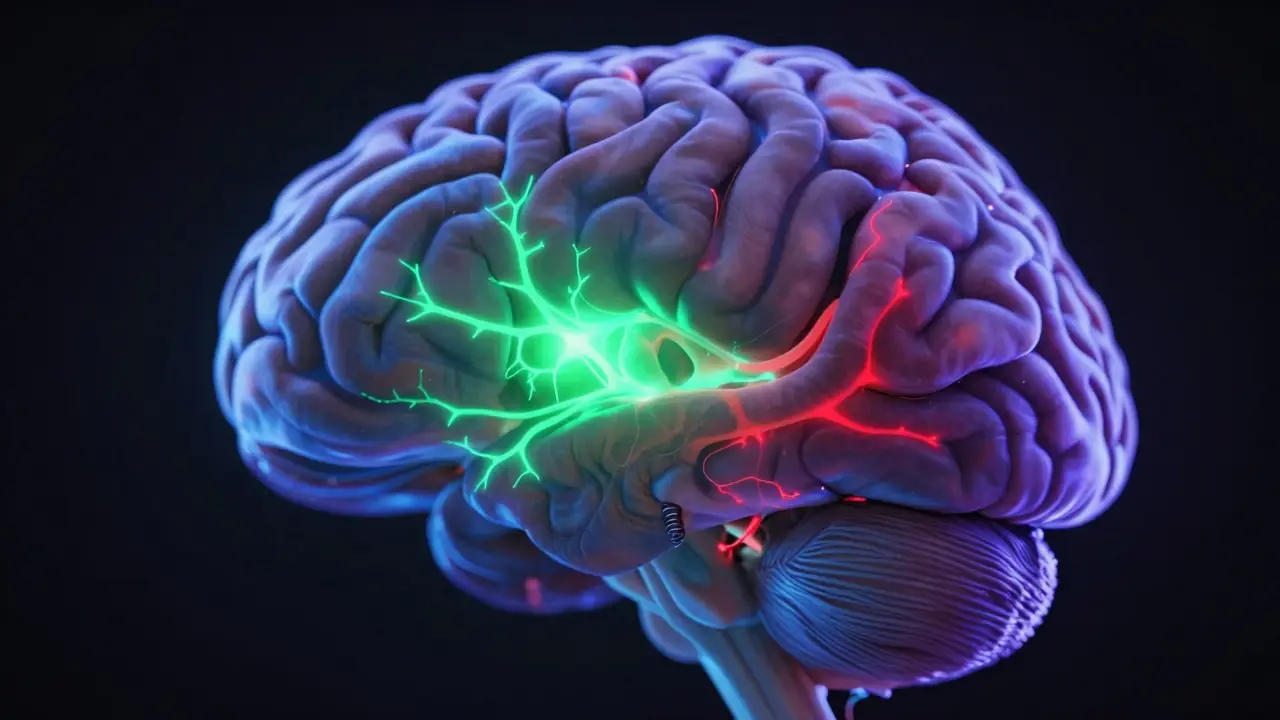
For years, mindfulness was dismissed by many in the scientific community as just another New Age buzzword. It was often lumped together with crystal healing and vague spiritual platitudes that lacked any empirical backbone. But if you walk into a top-tier medical research facility today-like the ones at Harvard or Stanford-you won’t find skeptics rolling their eyes. Instead, you’ll see neuroscientists using high-resolution MRI scans to watch what happens inside the human brain when someone practices focused attention. The landscape has shifted dramatically. We are no longer asking *if* mindfulness works; we are dissecting exactly *how* it rewires our neural pathways.
The core promise of mindfulness is simple: paying attention to the present moment without judgment. Yet, beneath this simplicity lies a complex biological mechanism. When you engage in regular mindfulness practice, you aren't just "relaxing." You are actively training your brain to shift gears from reactive survival mode to responsive awareness. This article breaks down the hard science behind these changes, moving beyond anecdotal evidence to look at the structural and functional shifts documented in peer-reviewed studies.
Structural Changes in the Brain
One of the most compelling arguments for mindfulness comes from the field of neuroplasticity-the brain's ability to reorganize itself by forming new neural connections throughout life. For decades, scientists believed the adult brain was fixed. Mindfulness research helped shatter that assumption.
A landmark study led by Sara Lazar at Massachusetts General Hospital provided some of the first concrete evidence of this. Using voxel-based morphometry (a technique that analyzes gray matter density), the team compared brains of long-term meditators with those of non-meditators. They found that experienced practitioners had significantly thicker cortical regions associated with sensory processing and interoception (the sense of the internal state of the body). More importantly, they discovered that even short-term intervention could produce measurable changes.
In an eight-week Mindfulness-Based Stress Reduction (MBSR) program, participants showed increased gray matter density in the hippocampus. The hippocampus is critical for learning and memory, but it also plays a major role in emotional regulation. Conversely, the study noted a decrease in gray matter density in the amygdala. The amygdala is the brain’s fear center, responsible for the fight-or-flight response. Essentially, mindfulness appears to physically shrink the part of the brain that triggers anxiety while expanding the parts that help us think clearly and remember effectively.
| Brain Region | Function | Observed Change |
|---|---|---|
| Hippocampus | Memory, Learning, Emotional Regulation | Increased gray matter density |
| Amygdala | Fear Response, Anxiety, Stress Reaction | Decreased gray matter density |
| Prefrontal Cortex | Decision Making, Focus, Attention Control | Thickened cortex, improved connectivity |
| Default Mode Network (DMN) | Mind-wandering, Self-referential thought | Reduced activity and connectivity |
These structural changes suggest that mindfulness isn't just a temporary mood booster. It creates lasting physical adaptations that support better cognitive function and emotional stability over time.
The Default Mode Network and Rumination
Have you ever tried to relax, only to find your mind spiraling into worries about tomorrow or regrets about yesterday? That’s your Default Mode Network (DMN) in action. The DMN is a network of interacting brain regions that becomes active when we are not focused on the outside world. It’s responsible for self-referential thinking, daydreaming, and rumination.
While some level of mind-wandering is normal, an overactive DMN is strongly linked to depression and anxiety. Research published in Psychological Science demonstrated that individuals who completed an MBSR course showed reduced activity in the DMN during meditation tasks. More crucially, this reduction persisted even when they weren't meditating. This means mindfulness helps break the cycle of habitual negative thinking patterns.
By training the brain to notice when it has wandered off-and gently bringing it back to the present-practitioners weaken the neural pathways that fuel chronic worry. It’s like clearing out weeds in a garden so that healthy plants can grow. Over time, the brain learns to default to a state of calm observation rather than frantic analysis.
Stress Physiology and Cortisol Levels
Stress isn't just a feeling; it’s a physiological cascade. When you perceive a threat, your body releases cortisol and adrenaline. In small doses, this prepares you to act. But chronic stress keeps these hormones elevated, leading to inflammation, high blood pressure, and suppressed immune function.
Multiple studies have shown that mindfulness meditation can lower baseline levels of cortisol. A meta-analysis of randomized controlled trials found that mindfulness interventions resulted in significant reductions in perceived stress and salivary cortisol levels compared to control groups. One notable study from Johns Hopkins University reviewed 47 trials involving more than 3,500 participants. They concluded that mindfulness meditation programs had moderate evidence of improving anxiety, depression, and pain.
But why does this happen? Mindfulness activates the parasympathetic nervous system-the "rest and digest" mode-which counteracts the sympathetic "fight or flight" response. By focusing on the breath or bodily sensations, you send a signal to your brain that you are safe. This lowers heart rate, reduces blood pressure, and decreases muscle tension. It’s a biological brake pedal for stress.

Impact on Mental Health Conditions
Beyond general well-being, mindfulness has emerged as a viable adjunct treatment for several clinical conditions. Perhaps the most robust evidence exists for preventing relapse in major depressive disorder. The Mindfulness-Based Cognitive Therapy (MBCT) protocol was specifically designed to help people who suffer from recurrent depression. Clinical trials have shown that MBCT is as effective as maintenance antidepressant medication in preventing relapse for individuals with three or more previous episodes of depression.
How does it work? Depression often involves getting caught in automatic negative thoughts. MBCT teaches patients to recognize these thoughts as mere mental events rather than facts. This detachment prevents the downward spiral into full-blown depressive episodes. Similarly, mindfulness has shown promise in managing symptoms of post-traumatic stress disorder (PTSD) by helping individuals tolerate distressing memories without becoming overwhelmed.
It’s important to note that mindfulness is not a cure-all. For severe mental health issues, it should be used alongside traditional therapies and medications, not as a replacement. However, its ability to enhance emotional resilience makes it a powerful tool in the therapeutic arsenal.
Cognitive Benefits: Attention and Memory
In our digital age, attention spans are shrinking. Notifications, emails, and social media feeds constantly pull our focus away. Mindfulness acts as a form of weightlifting for your attention muscle. Studies using the Attention Network Test (ANT) have shown that meditation improves performance on tasks requiring sustained attention and selective attention.
Researcher Amishi Jha at the University of Miami conducted a study with military personnel undergoing intense combat training. Those who practiced mindfulness for just 12 minutes a day maintained their working memory capacity and attention span, while the control group saw significant declines due to stress. This highlights mindfulness’ potential to protect cognitive resources under pressure.
Furthermore, mindfulness enhances metacognition-the awareness of one’s own thought processes. This allows for better decision-making because you’re less likely to act impulsively based on fleeting emotions. You create a gap between stimulus and response, giving yourself the space to choose how to react.

Critical Perspectives and Limitations
Despite the glowing headlines, it’s essential to approach mindfulness research with a critical eye. Not all studies are created equal. Many early trials suffered from small sample sizes, lack of proper control groups, or reliance on self-reported data, which can be biased. Some critics argue that the placebo effect plays a significant role in reported benefits.
Additionally, there is growing concern about the commercialization of mindfulness. Corporate wellness programs often promote "stress-free" mindfulness without addressing the root causes of workplace burnout, such as excessive workload or poor management. This can lead to a form of toxic positivity where employees feel pressured to meditate their way out of systemic problems.
Moreover, mindfulness isn't always pleasant. For some individuals, particularly those with trauma histories, sitting quietly with their thoughts can trigger intense distress or dissociation. This phenomenon, sometimes called "meditation-induced adverse effects," underscores the need for guided practice and professional oversight when dealing with serious psychological issues.
Practical Application: Bridging Science and Daily Life
You don’t need a neuroscience degree or a silent retreat center to benefit from these findings. The key is consistency over intensity. Even ten minutes a day can yield results. Here’s how to apply the science:
- Start Small: Begin with five minutes of focused breathing. Notice the sensation of air entering and leaving your nostrils. When your mind wanders, gently bring it back without judging yourself.
- Anchor in the Body: Use bodily sensations as anchors. Feel your feet on the floor or your hands resting on your lap. This grounds you in the present moment.
- Integrate into Routine: Practice "informal mindfulness" during daily activities. Pay full attention to washing dishes, walking, or eating. Engage all your senses.
- Be Patient: Neuroplasticity takes time. Don’t expect immediate transformation. View setbacks as opportunities to practice returning to the present.
Remember, the goal isn’t to empty your mind of thoughts. It’s to change your relationship with them. Observe them like clouds passing across the sky-present, but not defining your entire atmosphere.
How long does it take for mindfulness to change the brain?
Research suggests that measurable structural changes, such as increased gray matter density in the hippocampus, can occur after as little as eight weeks of consistent practice (around 27 minutes per day). However, functional improvements in attention and stress reduction may be noticed within days or weeks for some individuals.
Is mindfulness scientifically proven to reduce anxiety?
Yes, numerous randomized controlled trials and meta-analyses have shown that mindfulness-based interventions significantly reduce symptoms of anxiety. A large review by Johns Hopkins University found moderate evidence supporting its efficacy for anxiety, comparable to low-dose antidepressants in some cases.
Can mindfulness make things worse for people with trauma?
In some cases, yes. Individuals with severe trauma or PTSD may experience heightened distress, dissociation, or flashbacks when practicing unguided mindfulness. It is recommended that these individuals work with a trained therapist who specializes in trauma-informed mindfulness approaches.
What is the difference between mindfulness and meditation?
Mindfulness is a quality of attention-being fully present in the moment. Meditation is a formal practice used to cultivate mindfulness. While all mindfulness meditation involves being present, you can also practice informal mindfulness during everyday activities like eating or walking.
Does mindfulness actually lower cortisol levels?
Yes, multiple studies have demonstrated that regular mindfulness practice leads to lower baseline levels of cortisol, the primary stress hormone. This physiological change contributes to reduced inflammation and better overall health outcomes.