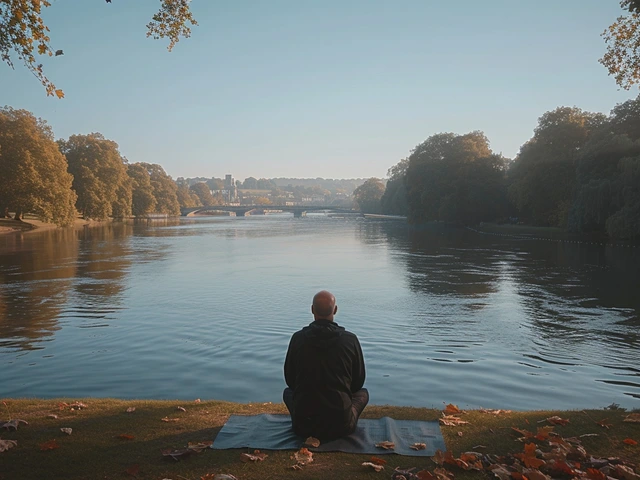

Waking up to a buzzing phone and a chaotic schedule is the modern norm. But what if the first ten minutes of your day determined how you handle the next sixteen? Morning meditation is a deliberate practice of focusing attention and cultivating awareness in the early hours of the day. It isn't about clearing your mind into a void; it's about anchoring yourself before the world demands your energy. In 2026, with digital distractions at an all-time high, this simple habit offers a tangible buffer against burnout.
Why the Morning Window Matters Most
Your brain operates differently in the morning than it does at 3 PM. Cortisol levels naturally spike upon waking to help you feel alert. This is known as the cortisol awakening response. If you immediately check emails or social media, you hijack this natural energy for reactive tasks rather than proactive focus. By meditating during this window, you ride the wave of natural alertness instead of fighting through foggy thinking.
Research from the University of California, San Francisco, has shown that regular meditators have thicker prefrontal cortex tissue, the area responsible for decision-making and emotional regulation. Doing this in the morning sets a neurological baseline for the day. You are essentially training your brain to default to calm observation rather than automatic reaction. It’s less about spiritual enlightenment and more about cognitive efficiency.
Choosing the Right Practice for Your Lifestyle
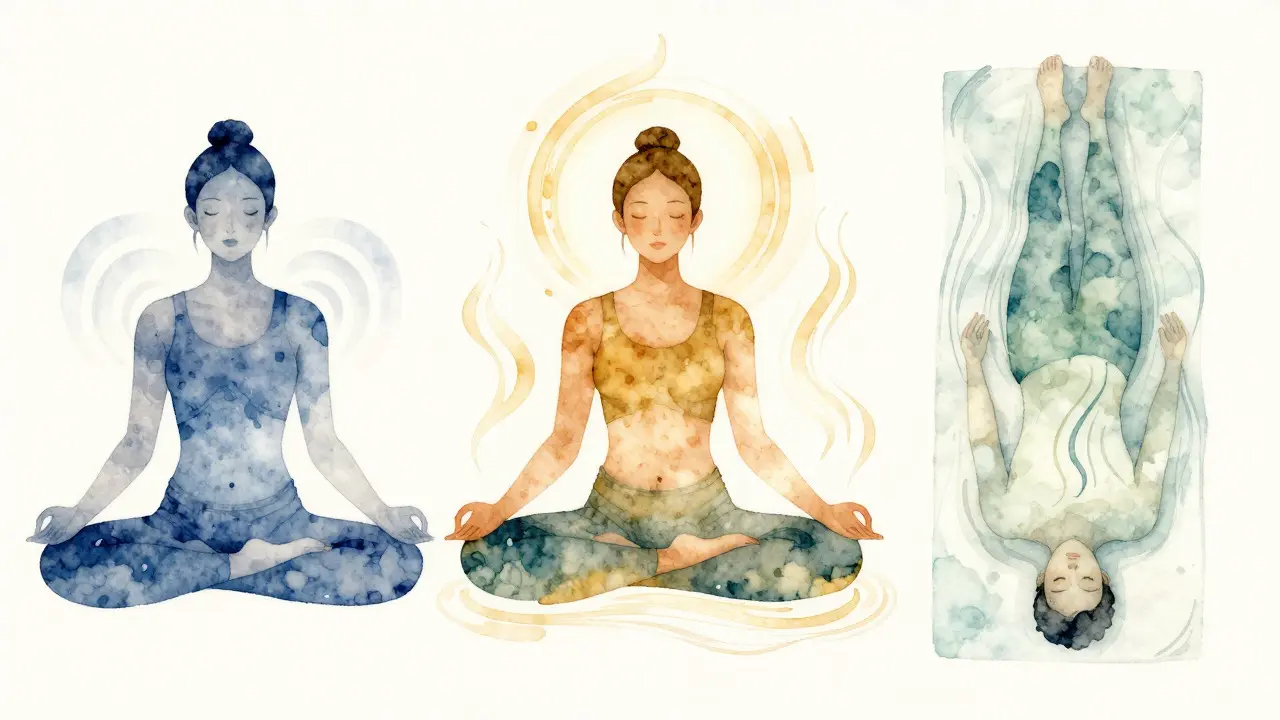
Not all meditation is created equal. The best technique is the one you will actually do consistently. Here are three approaches that work well for busy professionals and parents:
- Box Breathing: Inhale for four counts, hold for four, exhale for four, hold for four. This is highly effective for lowering heart rate quickly. Ideal for those who feel anxious before starting their commute.
- Loving-Kindness (Metta): Silently repeat phrases like "May I be happy, may I be healthy." This builds emotional resilience and reduces self-criticism. Great for people who struggle with perfectionism.
- Body Scan: Mentally sweep attention from toes to head, noticing sensations without judgment. This helps release physical tension accumulated during sleep. Perfect for those with chronic back or neck pain.
You don’t need to master any of these on day one. Pick one and stick with it for two weeks before judging its effectiveness.
Building a Routine That Sticks
The biggest barrier to consistency isn't lack of time; it's friction. If you have to set up a yoga mat, light incense, and find a quiet room, you’re setting yourself up to skip it. Reduce the steps. Sit on the edge of your bed. Put your phone in another room. Use a timer on your watch or a dedicated app.
Anchor your practice to an existing habit. This is called habit stacking. For example, "After I pour my coffee, I will sit and breathe for five minutes." Since you already make coffee every morning, the trigger is reliable. Over time, the cue becomes automatic, and the behavior feels less like a chore and more like part of your identity.
| Technique | Primary Benefit | Best For | Time Required |
|---|---|---|---|
| Box Breathing | Rapid stress reduction | Anxious mornings, high-pressure jobs | 2-5 minutes |
| Loving-Kindness | Emotional warmth, reduced self-criticism | Perfectionists, interpersonal conflicts | 5-10 minutes |
| Body Scan | Physical awareness, pain management | Sedentary lifestyles, chronic tension | 10-15 minutes |
| Vipassana | Deep insight, long-term focus | Experienced practitioners, deep work needs | 20+ minutes |
Navigating Common Pitfalls
Expecting silence is the number one mistake beginners make. Your mind will wander. That is not failure; that is the practice. Every time you notice your mind drifting and gently bring it back, you are doing a rep for your attention muscle. Think of it like bicep curls. One rep doesn't build the arm, but a hundred reps over months do.
Another trap is the "all-or-nothing" mentality. If you miss a day, you don't reset to zero. You just pick up where you left off. Consistency matters more than duration. Five minutes daily beats one hour once a week. The goal is to keep the chain unbroken, even if the links are small.

Measuring Your Progress
How do you know if it’s working? Keep a simple log. Note your mood on a scale of 1-10 when you wake up and again after your session. Track your reactivity to minor annoyances during the day. Do you sigh less? Do you pause before replying to difficult emails? These micro-moments are where the real value lies. You aren't looking for profound epiphanies; you're looking for smoother transitions between states of being.
FAQs About Morning Meditation
Do I need a special app to start?
No. A simple timer works perfectly. Apps can be helpful for guided sessions, but they add screen time, which counteracts the goal of reducing digital stimulation. Try using a kitchen timer or your phone's built-in stopwatch in silent mode.
What if I can't stop thinking?
That is normal. Meditation is not about stopping thoughts; it is about changing your relationship with them. When you notice a thought, label it mentally (e.g., "planning," "worry") and return your attention to your breath. The act of returning is the exercise.
Is 5 minutes enough?
Yes. For beginners, 5 minutes is sufficient to establish the habit. As your comfort grows, you can extend to 10 or 20 minutes. The key is regularity, not length. Short, consistent practices yield better long-term results than sporadic long sessions.
Should I meditate before or after breakfast?
Before. Eating triggers digestive processes that can distract from mental focus. Meditating on an empty stomach allows for clearer concentration. However, if you feel dizzy or hungry, a small glass of water is fine.
Can I meditate while walking?
Yes. Walking meditation involves focusing on the sensation of your feet touching the ground. It is excellent for people who find sitting uncomfortable or for those who prefer movement. Just avoid checking your phone during the walk.

Jun 21 2024