Setting health goals sounds simple. Lose weight. Get stronger. Sleep better. But how many of us actually stick with them? If you’ve tried and failed before, you’re not alone. The problem isn’t laziness. It’s that most health goals are too vague, too big, or not built to last. This guide cuts through the noise. It shows you exactly how to set goals that stick - not because you’re motivated today, but because you’ve designed a system that works even when you’re tired, busy, or overwhelmed.
Start with why, not what
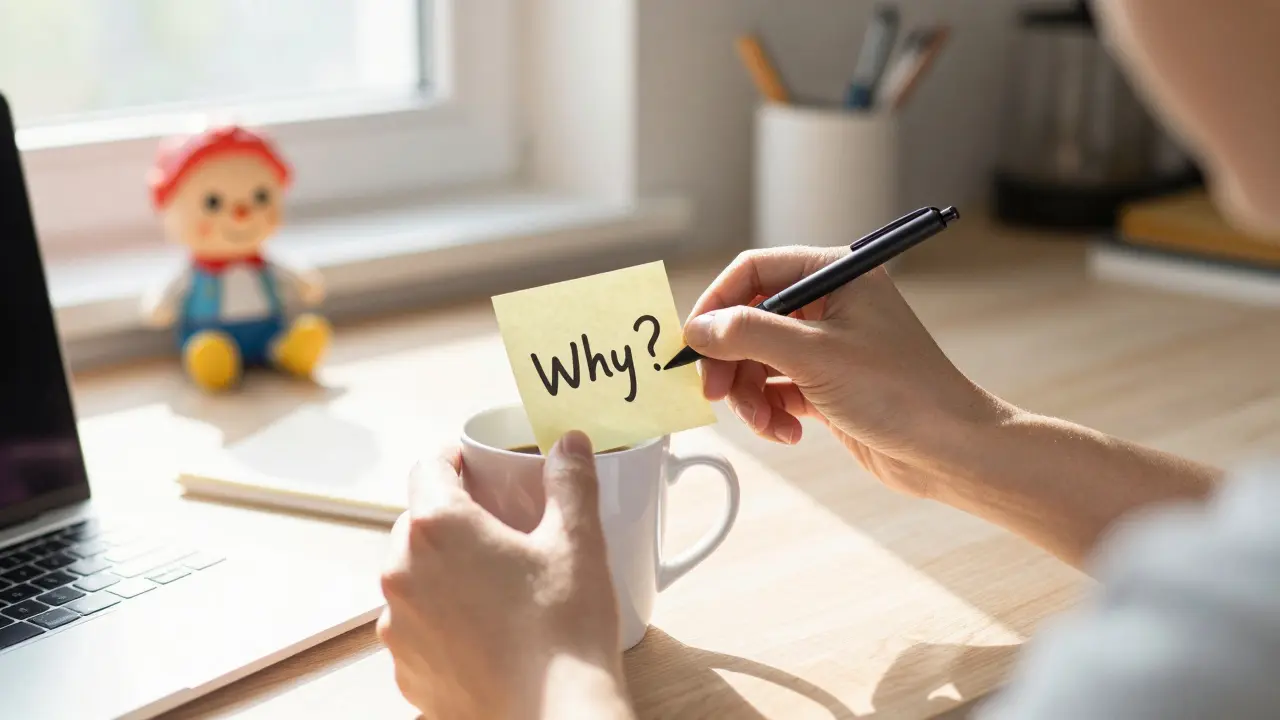
Before you write down a number on the scale or pick a workout schedule, ask yourself: why do you want this? Not because your doctor said so. Not because you saw a photo on social media. But because it matters to you. Maybe you want to play with your kids without getting winded. Maybe you want to travel without worrying about stairs. Maybe you just want to wake up without dreading the day. That reason is your anchor. Write it down. Keep it visible. When you hit a plateau or skip a workout, come back to this. Your ‘why’ doesn’t have to be grand. It just has to be real.Break big goals into tiny actions
Saying ‘I want to be healthier’ is like saying ‘I want to be rich.’ It’s not actionable. Healthy people don’t wake up and suddenly eat salads, run 5Ks, and meditate for an hour. They do small things, consistently. Start with one habit so easy you can’t say no. Drink a glass of water when you wake up. Walk for 10 minutes after dinner. Put your phone on silent 30 minutes before bed. These aren’t goals - they’re triggers. They create momentum. Once you’ve nailed one, add another. In six weeks, you’ll look back and wonder why you ever thought you needed a 12-week plan.Track what matters - not everything
Tracking progress sounds smart. But most people track too much. Weight. Steps. Calories. Sleep scores. Heart rate variability. It becomes a numbers game, not a health game. You start optimizing for metrics instead of how you feel. That’s a trap. Pick one or two things that actually reflect your goal. If you’re trying to sleep better, track how rested you feel in the morning - not just hours logged. If you’re building strength, track how many push-ups you can do without stopping. If you’re reducing stress, notice how often you feel calm before lunch. Use a notebook, a sticky note, or a simple app. Just keep it light. You’re not building a dashboard. You’re building awareness.Design your environment, not your willpower
Willpower is weak. Your environment is strong. If you want to eat better, don’t keep junk food in the house. If you want to move more, lay out your shoes by the door. If you want to read more, put a book on your pillow. Small changes like this remove friction. You don’t have to convince yourself to act. You just have to walk into a space that nudges you in the right direction. Think of your home like a stage. You’re the actor. But the set design? That’s what makes the performance easy.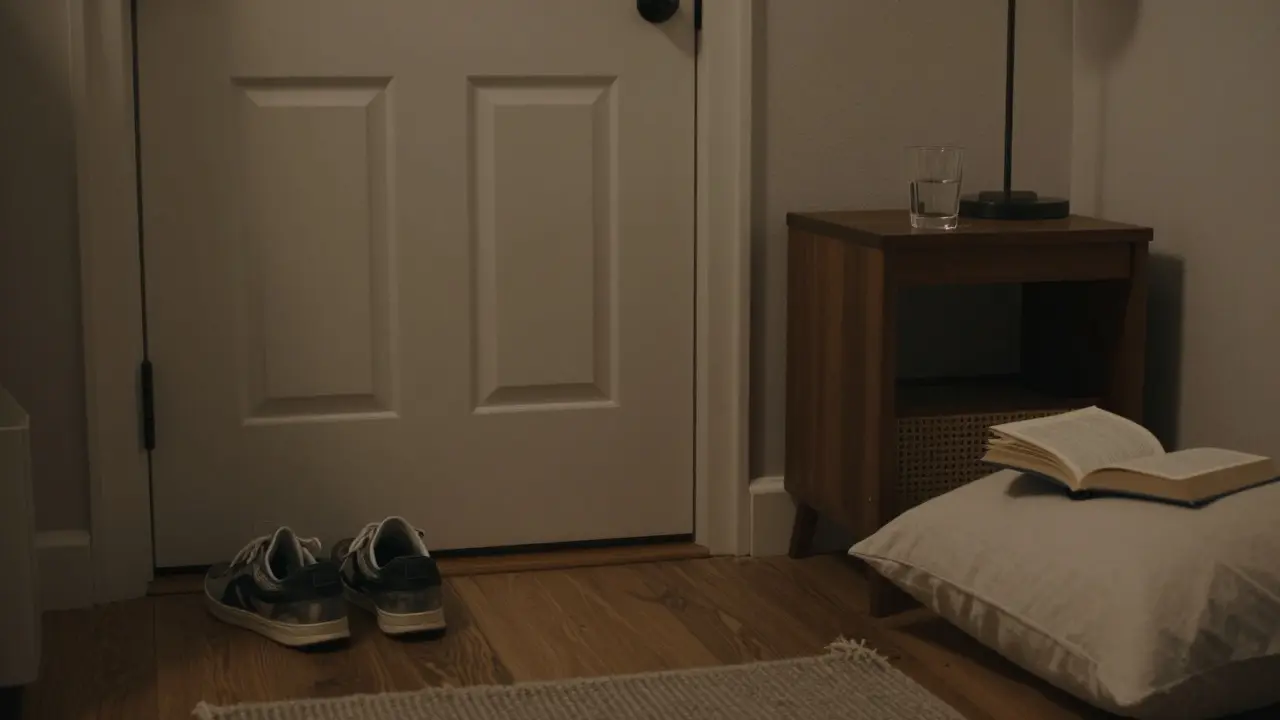
Build in flexibility - not perfection
Perfection kills progress. If you believe you have to hit every target, every day, you’ll quit when life gets messy. That’s normal. Real health isn’t about flawless execution. It’s about showing up after a bad night, a missed workout, or a weekend of pizza. Your plan needs room for error. Build in ‘reset days.’ If you skip a workout, don’t skip the next one. If you eat out, don’t skip meals the next day. Just get back on track - not with punishment, but with curiosity. Ask: What happened? What can I adjust? Then move on. Health isn’t a straight line. It’s a spiral. You keep coming back, slightly higher each time.Use social support - wisely
You don’t need to post your progress online. But you do need one person who knows what you’re trying to do. It could be a friend, a coworker, or even a text thread with your sibling. Tell them your goal. Ask them to check in once a week. Not to judge. Not to give advice. Just to say, ‘Hey, how’s it going?’ That tiny connection keeps you accountable without pressure. If you’re feeling stuck, say so. Most people want to help. They just don’t know how.Celebrate small wins - no matter how small
Did you drink water all day? Celebrate. Did you take the stairs instead of the elevator? Celebrate. Did you go to bed 20 minutes earlier? Celebrate. These aren’t just habits. They’re victories. And your brain needs to know it. Reward yourself with something that feels good - a five-minute stretch, a favorite song, a quiet cup of tea. No need for treats or gadgets. Just pause. Acknowledge it. Say out loud: ‘I did that.’ That moment of recognition rewires your brain. It tells you: this is worth it.
Revisit your goals every 6 weeks
Goals aren’t set in stone. They’re meant to evolve. After six weeks, take an hour. Look at your notes. How do you feel? Are you more energetic? Less anxious? Sleeping better? Then ask: What’s working? What’s not? What do I want to add or drop? Maybe your goal was to lose weight. Now you realize you just want to move without pain. That’s progress. Adjust. Don’t feel guilty. This isn’t failure. It’s refinement.What to avoid
- Comparing yourself to others - especially online. Their journey isn’t yours.
- Waiting for the ‘right time’ - there’s no perfect moment. Start where you are.
- Following fads - keto, juice cleanses, 30-day challenges. They don’t teach you how to live.
- Ignoring your body - pain, fatigue, mood swings aren’t just ‘bad luck.’ They’re signals.
- Thinking more is better - you don’t need 2 hours of exercise or 7 supplements. Consistency beats intensity.
Realistic timelines
- 2 weeks: You’ll notice small changes - better sleep, less afternoon slump.
- 4-6 weeks: Habits start to feel automatic. You’ll stop thinking about them.
- 8-12 weeks: People around you notice. You’ll feel more confident, more in control.
- 6 months: This isn’t a phase anymore. It’s who you are.
Health isn’t a destination. It’s a daily practice. You don’t need to be perfect. You just need to show up. Again. And again. And again.
What if I keep failing at my health goals?
Failing doesn’t mean you’re broken. It means your plan doesn’t match your life. Most people fail because they try to change too much at once. Try one tiny habit for two weeks. If it sticks, add another. If it doesn’t, ask why. Was it too hard? Too vague? Too disconnected from your real life? Adjust. Don’t quit. Every failed attempt teaches you what to do differently next time.
How do I know if my health goal is realistic?
A realistic goal fits into your current life without requiring superhero energy. Ask: Can I do this on a busy day? On a tired day? On a day when I’m stressed? If the answer is yes, it’s realistic. If you need perfect conditions, it’s not. For example, ‘I’ll exercise for 30 minutes every morning’ is unrealistic if you’re up with a newborn. ‘I’ll walk for 10 minutes after lunch, three times a week’ is realistic. Size matters less than sustainability.
Should I focus on weight loss or overall health?
Focus on health first. Weight is just one number - and it doesn’t tell the whole story. Someone can be at a ‘normal’ weight and still have high blood pressure, poor sleep, or low energy. Someone else can be heavier and feel strong, sleep well, and have stable moods. If you fix your habits - movement, food, sleep, stress - your weight often adjusts naturally. Don’t chase the scale. Chase how you feel.
Can I have fun while working on my health?
Absolutely. Health doesn’t have to feel like a chore. Dance while you clean. Walk with a friend and laugh. Try a new recipe because it looks colorful, not because it’s ‘low-cal.’ Play sports that make you grin. If you’re dreading your workout, it’s not working. Find movement or food that feels like joy, not punishment. That’s the secret - health lasts when it feels good.
What if I don’t have time for health goals?
You don’t need more time. You need better use of what you have. Instead of adding health tasks to your day, attach them to things you already do. Brush your teeth? Do two squats while you wait. Drink coffee? Take three deep breaths before you sip. Wait for your kid at practice? Walk around the parking lot. Health doesn’t require extra hours. It requires tiny shifts - and those add up faster than you think.
Next steps
Start today. Not tomorrow. Not Monday. Today. Pick one tiny action - something so easy you can do it even if you’re exhausted. Do it. Then do it again tomorrow. That’s it. You’re not building a new body. You’re building a new rhythm. And rhythm beats willpower every time.

Aug 4 2023