

Most people think mindfulness means sitting cross-legged on a cushion for an hour, breathing deeply while chanting. But that’s not what it is. Mindfulness is simply paying attention-on purpose-to what’s happening right now, without judging it. And you don’t need extra time to do it. You just need to notice what you’re already doing.
Start with One Breath
You’re breathing right now. You don’t have to do anything special. Just pause for one breath. Feel the air coming in through your nose. Notice how your chest or belly rises. Then let it out slowly. That’s it. That’s mindfulness. Do this three times before you check your phone in the morning. Do it while waiting for your coffee to brew. Do it when you’re stuck in traffic. One breath, fully felt, is enough to reset your nervous system. Studies show that even brief pauses like this lower cortisol levels within minutes. You’re not trying to empty your mind. You’re just letting it settle for a second.
Turn Routine Actions into Mindful Moments
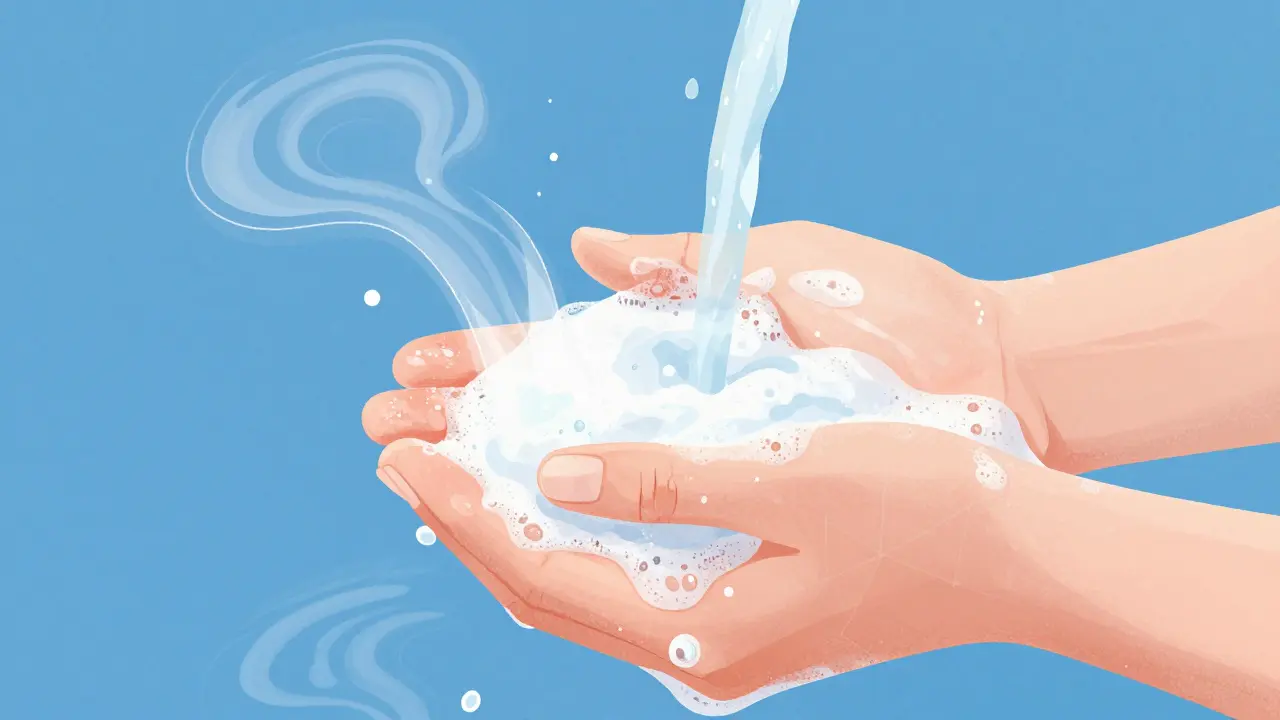
Brushing your teeth? Washing your hands? Walking to the car? These aren’t just chores. They’re opportunities. Most people do them on autopilot-thinking about the meeting, the email, the grocery list. Try this instead: when you wash your hands, feel the water temperature. Notice the soap’s scent. Feel the texture as it lathers. Listen to the sound of the water running. When you walk, feel your feet touching the ground. Not the pavement, not the carpet-the actual sensation of pressure, weight, movement. These aren’t exercises. They’re tiny anchors. They pull you out of your racing thoughts and back into your body. Over time, your brain learns that you don’t need to be lost in your head all day.
Use Triggers, Not Timers
Trying to remember to be mindful at 7 a.m. and 7 p.m. doesn’t work. Life gets in the way. Instead, tie mindfulness to things you already do every day. Every time you open a door, take one slow breath. Every time you sit down at your desk, pause for three seconds before clicking anything. Every time you hear your phone ring, notice how your body reacts before you answer. These are called triggers-small, consistent cues that remind you to come back to yourself. They’re more effective than alarms because they’re woven into your existing habits. You’re not adding something new. You’re just noticing what’s already there.
Notice Your Emotions Without Fixing Them
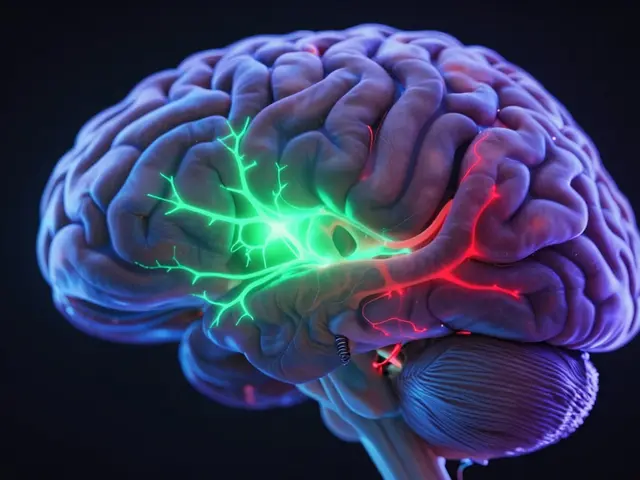
When you feel frustrated, anxious, or overwhelmed, your first instinct is to push it away. You reach for your phone, snack, scroll, or distract yourself. Mindfulness asks you to do the opposite: pause and name it. Say to yourself, “I’m feeling tight in my chest.” Or, “There’s a knot in my stomach.” Don’t try to change it. Don’t judge it. Just observe it like a cloud passing overhead. Research from the University of California shows that simply labeling emotions reduces activity in the amygdala-the part of the brain that fuels panic and stress. You’re not eliminating the feeling. You’re changing your relationship to it. And that’s where real calm begins.
Listen Like You’re Hearing Someone for the First Time
Have you ever had a conversation where you were waiting for your turn to talk instead of actually listening? That’s not listening. That’s planning. Try this next time someone speaks to you: put your phone down. Stop thinking about your reply. Just listen. Notice their tone. Their pauses. The way they sigh. Watch their hands. Don’t interrupt. Don’t offer advice unless they ask. Just be there. This is active listening-and it’s a form of mindfulness. It builds connection, reduces conflict, and makes people feel seen. And you don’t need to be a therapist to do it. You just need to be present.
Eat One Meal Without Distractions
Most meals are eaten while watching TV, scrolling, or working. Your body doesn’t know when it’s full because your brain is busy elsewhere. Pick one meal this week-breakfast, lunch, or dinner-and eat it without screens, without reading, without talking. Just eat. Notice the color of your food. Smell it before you take a bite. Chew slowly. How does it taste? Does it change as you chew? Do you feel hunger fading? This isn’t about dieting. It’s about reconnecting with your body’s signals. People who practice mindful eating report better digestion, less overeating, and more enjoyment from food. It doesn’t take long. Even five minutes of full attention makes a difference.

Let Go of the Need to Be “Good” at Mindfulness
You’ll have days when your mind races. Days when you forget to breathe. Days when you sit down to meditate and end up planning your vacation. That’s not failure. That’s normal. Mindfulness isn’t about perfection. It’s about showing up, even when you’re messy. Every time you notice you’ve wandered off-and gently bring yourself back-you’re strengthening your attention muscle. Think of it like lifting weights. You don’t get stronger by never dropping the bar. You get stronger by dropping it… and picking it up again. Every return to the present moment counts.
Make Space for Silence
Silence doesn’t mean no sound. It means no mental noise. Try this: sit quietly for two minutes with no music, no podcast, no white noise. Just sit. Let the sounds around you come and go-birds, traffic, the fridge humming. Don’t label them. Don’t judge them. Just let them be. At first, it might feel awkward. Your mind will want to fill the space. That’s okay. Keep sitting. After a few days, you’ll start noticing how much mental chatter you carry around. And you’ll start to see that you don’t have to believe every thought that pops up. Silence isn’t empty. It’s full of space-space to breathe, to feel, to be.
Keep It Simple. Keep It Real.
You don’t need an app, a journal, a special cushion, or a 30-minute session. You need your breath. Your senses. Your willingness to pause. Mindfulness isn’t a luxury. It’s a reset button. And you can press it anytime-while washing dishes, waiting in line, standing at the bus stop. The goal isn’t to become a zen master. It’s to stop living on autopilot. To feel your life as it’s happening, not as you think it should be. Start small. Be inconsistent. Be kind to yourself. That’s all it takes.
Aug 4 2023


Mar 7 2026