
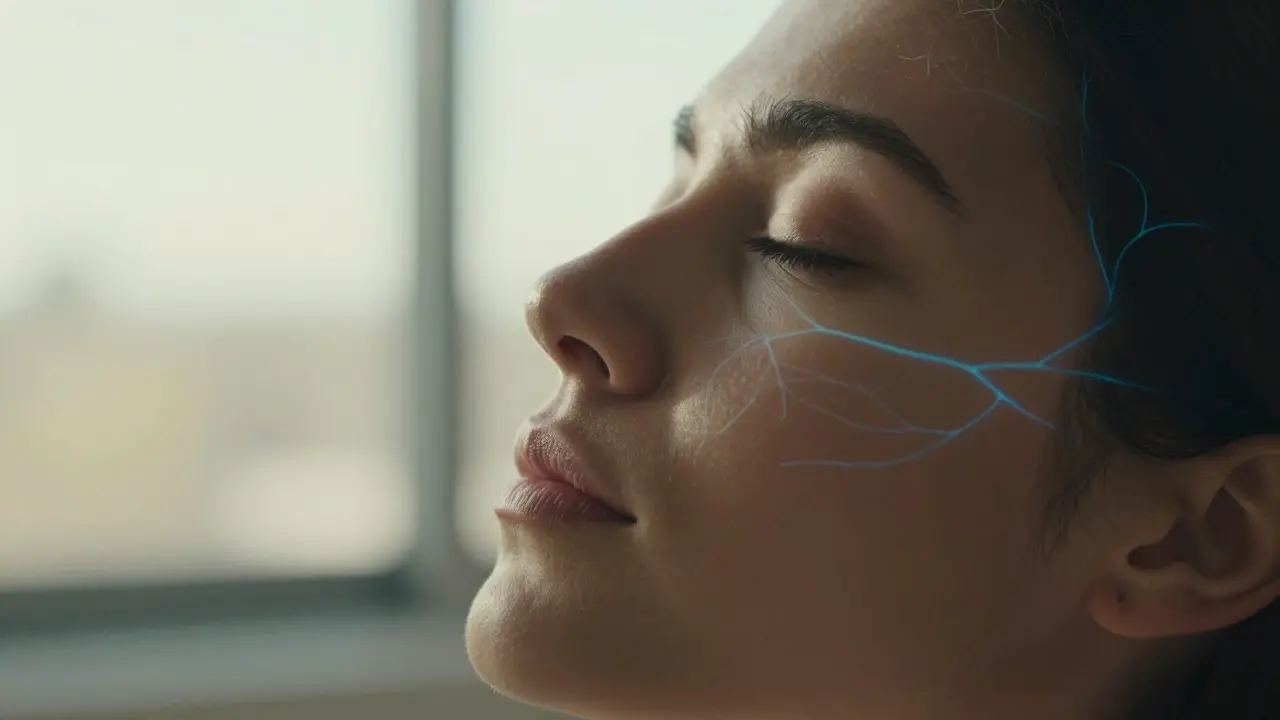
You know that feeling when your chest feels tight, your mind races at 3 a.m., and even making toast feels like climbing Mount Everest? That isn't just "being busy." That is your body screaming for a ceasefire. In Perth, where the sun beats down hard and life moves fast, I’ve seen too many high-achievers push until they break. Burnout isn’t a badge of honor; it’s a physiological crisis. The good news? You don’t need a two-week retreat in Bali to fix it. You need specific, actionable relaxation techniques that actually work on your biology.
The Science Behind the Shutdown
Before we jump into the "how," let’s talk about the "why." Most people think relaxation is just "doing nothing." It’s not. Relaxation is an active process of switching your nervous system from sympathetic (fight-or-flight) to parasympathetic (rest-and-digest). When you are burned out, your amygdala-the brain’s alarm bell-is stuck in the "on" position. It floods your body with cortisol and adrenaline. No amount of willpower can turn that off. You have to hack the hardware.
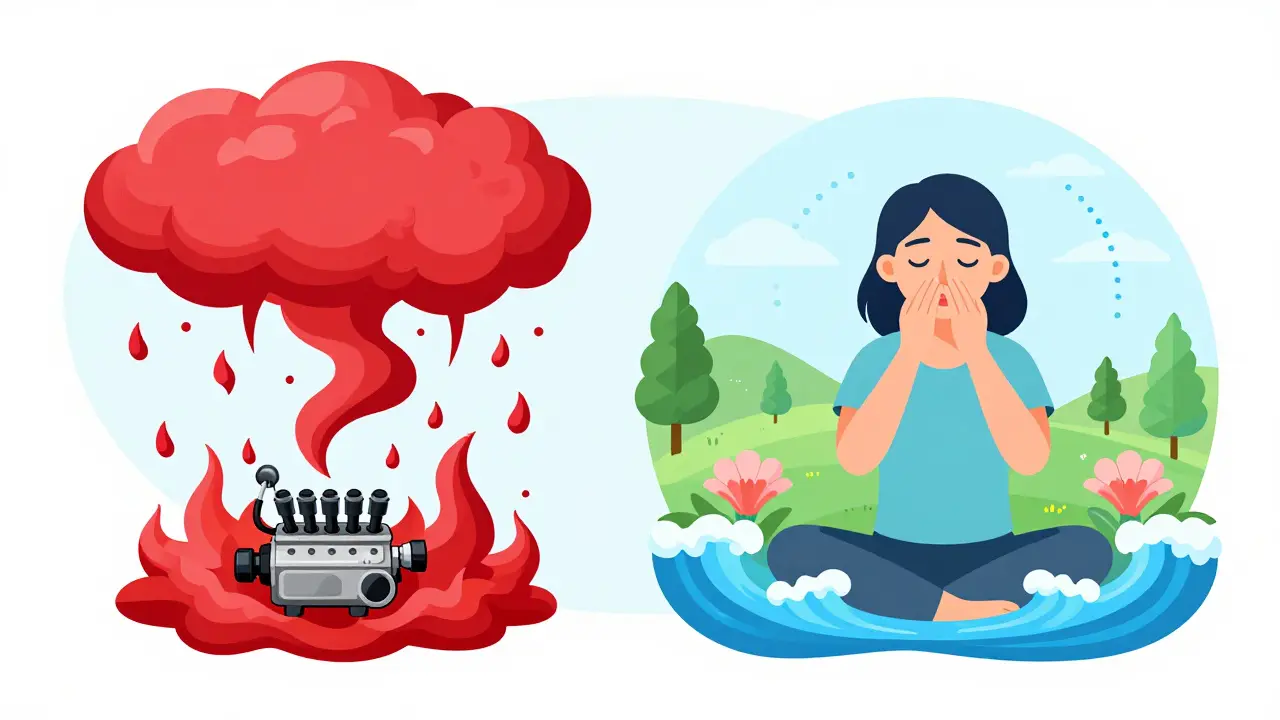
Think of your nervous system like a car engine. If it’s been revving at redline for months, you can’t just tell it to cool down. You need to engage the brakes. These techniques are those brakes. They send direct signals via the vagus nerve to your heart and lungs, telling your brain, "We are safe now." This isn’t woo-woo spirituality; it’s neurobiology. And once you understand this, practicing these methods stops feeling like a chore and starts feeling like survival.
Immediate Resets: When You Have Five Minutes
Sometimes, burnout hits in the middle of a Zoom call or while you’re stuck in traffic on the Kwinana Freeway. You don’t have time for a meditation app session. You need immediate physiological shifts. Here are three techniques that work in under five minutes.
Box Breathing is a rhythmic breathing technique used by Navy SEALs to maintain calm under extreme pressure. It regulates the autonomic nervous system by balancing oxygen and carbon dioxide levels. To do it, inhale for four seconds, hold for four, exhale for four, and hold empty for four. Repeat this cycle four times. The key is the hold. Holding your breath triggers the mammalian dive reflex, which instantly slows your heart rate.
If box breathing feels too structured, try Physiological Sighing, popularized by neuroscientist Andrew Huberman. This involves two short inhales through the nose (the second one shorter as your lungs are already full) followed by a long, extended exhale through the mouth. This mechanically pops open collapsed alveoli in your lungs and offloads carbon dioxide rapidly. It is arguably the fastest way to reduce acute stress in real-time.
Another quick win is Cold Water Exposure. Splashing ice-cold water on your face or holding an ice cube in your hand activates the trigeminal nerve. This triggers the "dive reflex," slowing your heart rate and forcing your body to redirect blood flow to vital organs. It’s a hard reset for your sensory input, breaking the loop of anxious thoughts.
Deep Restoration: Rebuilding Your Resilience
Quick fixes stop the bleeding, but they don’t heal the wound. To recover from burnout, you need deeper practices that lower your baseline cortisol levels over time. These require more time but yield compounding returns.
- Progressive Muscle Relaxation (PMR): Burnout lives in the muscles. You probably carry tension in your jaw, shoulders, and lower back without realizing it. PMR involves tensing a muscle group (like your fists) tightly for five seconds, then releasing suddenly and noticing the sensation of relaxation for ten seconds. Work your way up from your toes to your head. This teaches your brain the difference between tension and release.
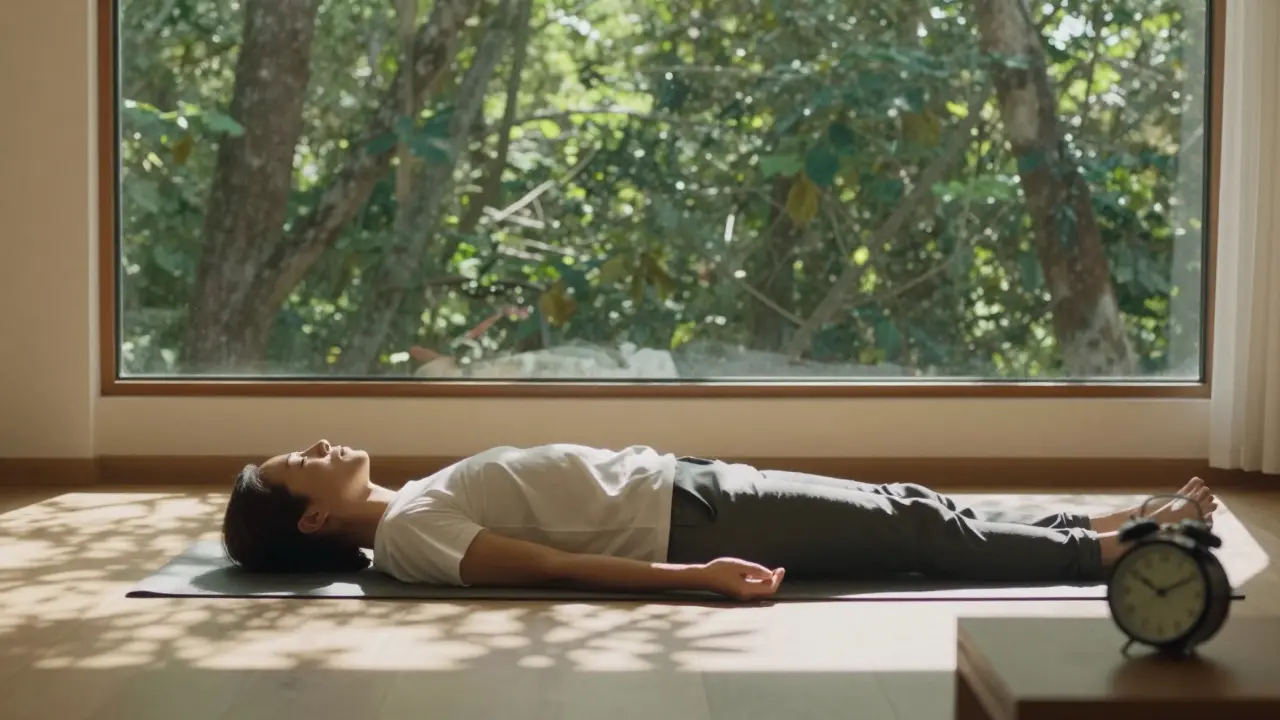
- Yoga Nidra: Often called "yogic sleep," this is a guided meditation practice where you lie in Savasana (corpse pose) and move your awareness through different parts of your body. It induces a state between waking and sleeping, known as hypnagogia. Studies show that just 30 minutes of Yoga Nidra can provide the restorative benefits of several hours of deep sleep. It’s perfect for insomnia caused by burnout.
- Nature Immersion (Forest Bathing): Living in Australia, we have access to incredible natural spaces. Spending 20 minutes in a green space without your phone lowers cortisol, blood pressure, and heart rate. The term "Shinrin-yoku" comes from Japan, but the science is universal. Phytoncides-antimicrobial organic compounds emitted by trees-boost our immune system and reduce stress hormones. Walk slowly. Notice the light. Don’t check emails.
Digital Detox: Removing the Stressors
You cannot relax if you are constantly stimulated. For many of us, burnout is fueled by digital overload. The constant ping of notifications keeps your amygdala on high alert. True relaxation requires boundary setting.
Create a "no-phone zone" in your bedroom. Buy an old-fashioned alarm clock. This single change improves sleep quality significantly because you aren’t scrolling through stressful news or social media right before bed. Blue light suppresses melatonin, but the content itself increases cognitive arousal. If your brain is processing information, it cannot enter the parasympathetic state needed for repair.
Try "monotasking." Multitasking is a myth; it’s actually rapid task-switching, which drains glucose from your brain and increases fatigue. Pick one thing. Do it. Then stop. This reduces the mental clutter that contributes to the feeling of being overwhelmed.
Comparing Relaxation Methods
Not all techniques work for everyone. Some people find silence terrifying; others find movement exhausting. Here is how different methods compare based on your current state.
| Technique | Time Required | Best For | Difficulty Level |
|---|---|---|---|
| Box Breathing | 2-5 minutes | Acute anxiety, panic attacks | Low |
| Physiological Sighing | 1 minute | Immediate stress relief | Very Low |
| Progressive Muscle Relaxation | 10-20 minutes | Physical tension, insomnia | Medium |
| Yoga Nidra | 20-45 minutes | Deep exhaustion, chronic burnout | Medium |
| Nature Immersion | 20+ minutes | Mental fog, emotional fatigue | Low |
Building a Sustainable Routine
The biggest mistake people make is trying to do everything at once. You don’t need to meditate for an hour every day. You need consistency. Start small. Commit to two minutes of box breathing every morning before you check your phone. Add five minutes of stretching before bed. Gradually increase the duration as your capacity grows.
Listen to your body. If you are physically exhausted, gentle yoga or Yoga Nidra is better than intense cardio. If you are mentally agitated, cold exposure or vigorous walking might help discharge the energy. There is no one-size-fits-all solution. Experiment and track what works. Keep a simple journal. Note your stress levels (1-10) before and after each technique. Data helps you stay objective and motivated.
When Self-Help Isn't Enough
Relaxation techniques are powerful tools, but they are not a cure-all for clinical depression or severe trauma. If you feel hopeless, unable to function, or have thoughts of self-harm, please seek professional help. In Australia, you can call Lifeline on 13 11 14 or Beyond Blue on 1300 22 4636. Therapists can provide Cognitive Behavioral Therapy (CBT) or other interventions that address the root causes of your burnout. Using relaxation alongside therapy creates a robust support system.
How long does it take for relaxation techniques to work?
Physiological effects like slowed heart rate happen within minutes using techniques like physiological sighing. However, reducing baseline cortisol and reversing burnout symptoms typically takes consistent practice over 4 to 8 weeks. Think of it like building muscle; you need repetition to see structural changes in your nervous system response.
Can I use these techniques at work?
Absolutely. Box breathing and physiological sighing are discreet and can be done at your desk or in the bathroom. Cold water splashes can be taken during a break. These micro-practices prevent stress from accumulating throughout the day, keeping you focused and preventing the afternoon crash.
Is meditation the same as relaxation?
Not exactly. Meditation often involves observing thoughts without judgment, which can sometimes be challenging for beginners with high anxiety. Relaxation techniques focus on actively inducing a physical state of calm through breath, muscle release, or sensory input. For burnout, starting with active relaxation is often easier than silent meditation.
Why do I feel tired after relaxing?
This is normal. When you are in fight-or-flight mode, your body runs on adrenaline. When you finally relax, the adrenaline wears off, revealing the underlying fatigue. This is called the "crash." It means the technique is working. Allow yourself to rest. Sleep if you need to. Your body is repairing itself.
What if I can't quiet my mind?
You don't need to quiet your mind to relax your body. Focus on the physical sensations instead. Count your breaths, tense your muscles, or notice the temperature of the air. If thoughts arise, acknowledge them and gently return to the physical anchor. The goal is not emptiness; it is presence.