
If you're serious about your gains, you need to stop looking at recovery as 'time off' and start seeing it as part of the workout. Sports massage is specifically designed to handle the unique stresses that athletes put on their muscles, joints, and connective tissues. It's not about pampering; it's about maintenance, mobility, and longevity.
- Faster removal of metabolic waste from muscles.
- Increased range of motion in tight joints.
- Lower risk of common overuse injuries like tendonitis.
- Reduced feeling of delayed onset muscle soreness (DOMS).
What Exactly is Sports Massage?
Unlike a standard spa treatment, Sports Massage is a targeted form of soft tissue therapy that focuses on the muscle groups most used during a specific sport or activity. It's a dynamic approach that changes based on where you are in your training cycle. If you're in the middle of a heavy lifting phase, the therapist might focus on deep tissue work to break up adhesions. If you're a day away from a big competition, the focus shifts to light circulation and mental priming.
The goal here is to manipulate the Skeletal Muscle and the Fascia-the thin, tough connective tissue that wraps around your muscles. When fascia gets tight or "glued" due to repetitive stress, it limits your movement and makes you prone to injury. By using specific techniques, a therapist can "unstick" these layers, allowing your muscles to glide and contract more efficiently.
The Science of the Squeeze: How It Works
When you exercise intensely, your muscles experience micro-tears and a buildup of metabolic byproducts. While the idea that massage "flushes out lactic acid" is a bit of an oversimplification in the medical community, the actual benefits are backed by physiology. Massage increases blood flow, which brings fresh oxygen and nutrients to damaged tissues and helps the lymphatic system move waste products out of the area.
One of the biggest players here is the Parasympathetic Nervous System. High-intensity training keeps you in a "fight or flight" state (the sympathetic nervous system). A targeted massage flips the switch, telling your body it's safe to enter a state of rest and repair. This is why you often feel a wave of exhaustion after a session-your body is finally shifting its energy from performance to healing.
Timing Your Sessions for Maximum Impact
You can't just get a massage whenever you feel like it and expect a linear result. The type of work you need depends on your current phase of training. Using the wrong technique at the wrong time can actually hinder your performance.
| Phase | Primary Goal | Technique Used | Intensity |
|---|---|---|---|
| Pre-Event (Warm-up) | Wake up muscles, increase blood flow | Rapid tapping, light rubbing | Light/Brisk |
| Post-Event (Recovery) | Reduce soreness, flush waste | Effleurage (long strokes), lymphatic drainage | Light to Medium |
| Off-Season/Maintenance | Fix imbalances, improve mobility | Deep tissue, trigger point therapy | Deep/Intense |
For instance, if you have a championship game on Saturday, getting a heavy, deep-tissue massage on Friday is a mistake. Deep work can cause temporary inflammation and muscle soreness, which is exactly what you don't want before a peak performance. Instead, go for a light, circulatory massage to keep the blood moving and the mind calm.

Combatting DOMS and Muscle Knots
We've all been there: you do a leg day on Monday, and by Wednesday, you can barely walk down the stairs. This is DOMS (Delayed Onset Muscle Soreness). While it's a natural part of muscle growth, it can limit your ability to train at full intensity for several days.
Sports massage helps by reducing the severity of this soreness. By targeting Trigger Points-those hyper-irritable spots in the muscle that feel like hard knots-therapists can force the muscle to release. When a trigger point is "deactivated," it doesn't just stop the local pain; it often stops "referred pain" that might be radiating to another part of your limb, improving your overall movement pattern.
The Role of Myofascial Release
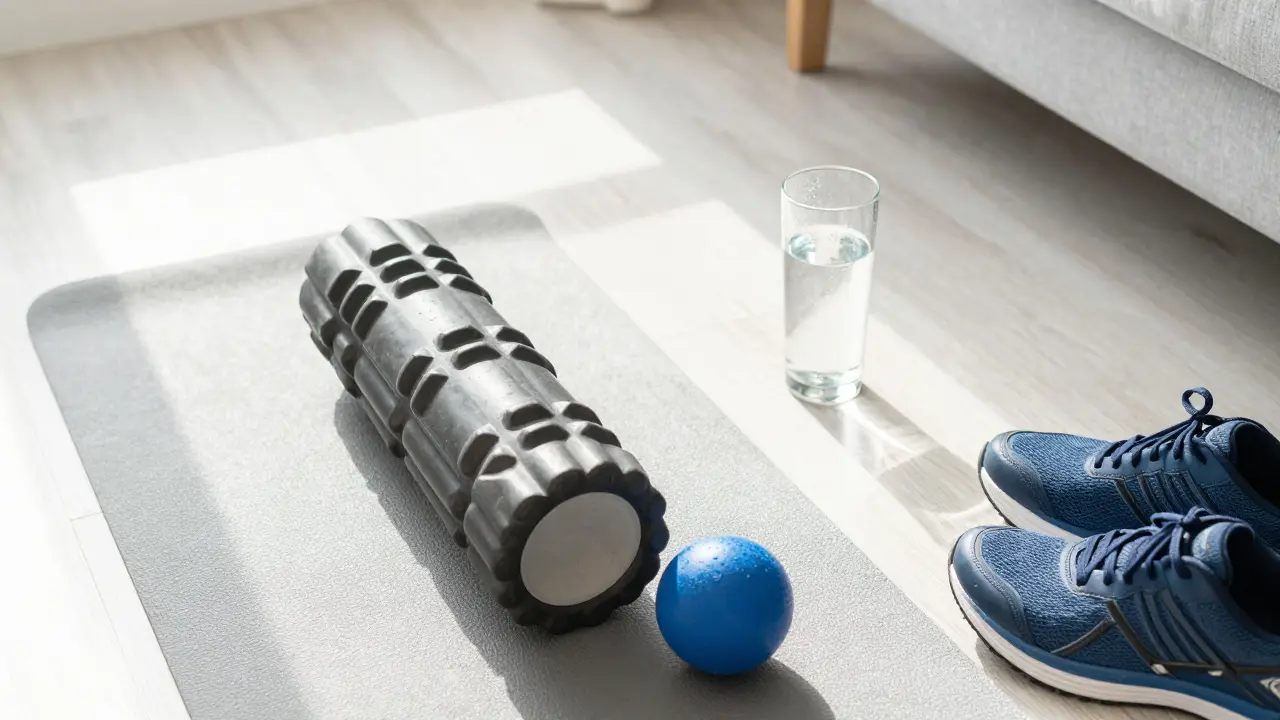
While a professional therapist is the gold standard, many athletes use Myofascial Release techniques on their own. This involves using tools like foam rollers or lacrosse balls to apply pressure to specific points of tension. Think of it as a "poor man's massage."
The key here is consistency. If you only foam roll once a month, you're just poking your muscles. If you integrate it into your daily routine-spending 5 to 10 minutes on your quads, lats, and calves-you maintain a baseline of flexibility that prevents the "stiff" feeling that often leads to pulls and strains. However, remember that a foam roller cannot replace the diagnostic eye of a therapist who can feel where your alignment is off.
Integrating Massage into a Total Recovery Plan
Massage is a weapon, but it works best when paired with other recovery strategies. You wouldn't just eat protein and never sleep; similarly, you shouldn't just get a massage and ignore your hydration.
- Hydration: Massage moves fluid around the body. If you're dehydrated, the process is less effective and you might feel a headache afterward. Drink a full glass of water before and after your session.
- Active Recovery: Pair your massage with low-intensity movement, like a light walk or swimming. This helps the circulatory system keep moving the nutrients the massage just unlocked.
- Sleep: The actual "building" of the muscle happens during deep sleep. A massage helps you relax, which can improve your sleep quality, creating a positive feedback loop for growth.
If you're a weekend warrior, one session every two to four weeks is usually plenty. If you're a high-level athlete training 20+ hours a week, you might need a maintenance session every week to keep the fascia supple and prevent the cumulative fatigue that leads to burnout.
Does sports massage actually hurt?
It depends on the technique. Pre-event and recovery massages are generally relaxing and painless. Deep tissue and trigger point work can be uncomfortable-often described as a "good hurt"-because the therapist is applying pressure to areas of high tension. However, it should never be excruciating. Communication with your therapist is key; if you're tensing up because of the pain, the muscle won't release, and the treatment becomes counterproductive.
Can I get a sports massage if I'm currently injured?
Yes, but with caution. If you have an acute injury (like a fresh sprain or a torn ligament), you should avoid direct pressure on the injured site during the inflammatory phase. However, a therapist can work on the surrounding muscles to prevent compensatory tension-where other muscles overwork to protect the injury. Always consult a doctor or physical therapist first to ensure you aren't massaging a blood clot or a severe fracture.
How is sports massage different from a Swedish massage?
Swedish massage is primarily for relaxation and stress relief, using long, gliding strokes. Sports massage is functional. It uses a variety of techniques, including friction, compression, and stretching, and focuses on specific problem areas. While a Swedish massage treats the whole body generally, a sports massage treats the body as a machine that needs specific parts tuned up for performance.
How often should I schedule these sessions?
For most active people, once every 2 to 6 weeks is the sweet spot. This keeps the fascia healthy and catches small tensions before they become full-blown injuries. If you are in a peak training block or preparing for a major event, you might increase this to once a week, alternating between deep work and light recovery sessions.
Will it help me run faster or lift more?
Indirectly, yes. Massage doesn't build muscle or increase lung capacity, but it removes the barriers to your performance. By increasing your range of motion and reducing muscle stiffness, you can achieve better form. Better form leads to more efficient power output, which means you can run faster or lift more because your body isn't fighting its own tight tissues.
Next Steps for Your Recovery Journey
If you've never tried a sports-specific session, start by tracking your "tight spots" for a week. Notice if your lower back feels stiff after runs or if your shoulders lock up during bench presses. When you book your appointment, give the therapist this specific list. The more data you provide, the better they can tailor the pressure and technique to your needs.
For those who can't get to a clinic every week, start a simple 5-minute rolling habit. Focus on the "big three": calves, glutes, and upper back. This keeps the tissues responsive between professional sessions and ensures that when you finally get on the table, your therapist can work on deeper issues rather than spending the whole hour just fighting basic stiffness.