Ever feel like your brain is running on a treadmill that won’t stop? That tightness in your chest, the racing thoughts, and the inability to switch off are not just bad habits. They are biological signals. Your body is stuck in survival mode, flooded with cortisol, the primary stress hormone released by adrenal glands. When this chemical stays elevated for too long, it wreaks havoc on your sleep, digestion, and heart health. The good news? You can train your nervous system to calm down. It’s not about eliminating stress entirely-that’s impossible-but about changing how you respond to it.
We often treat stress as a purely mental problem, but it is deeply physical. Reducing stress requires a mix of physiological hacks and psychological shifts. Below, we break down actionable, science-backed techniques that actually work, moving beyond generic advice like "just relax."
The Physiology of Calm: Why Breathing Works
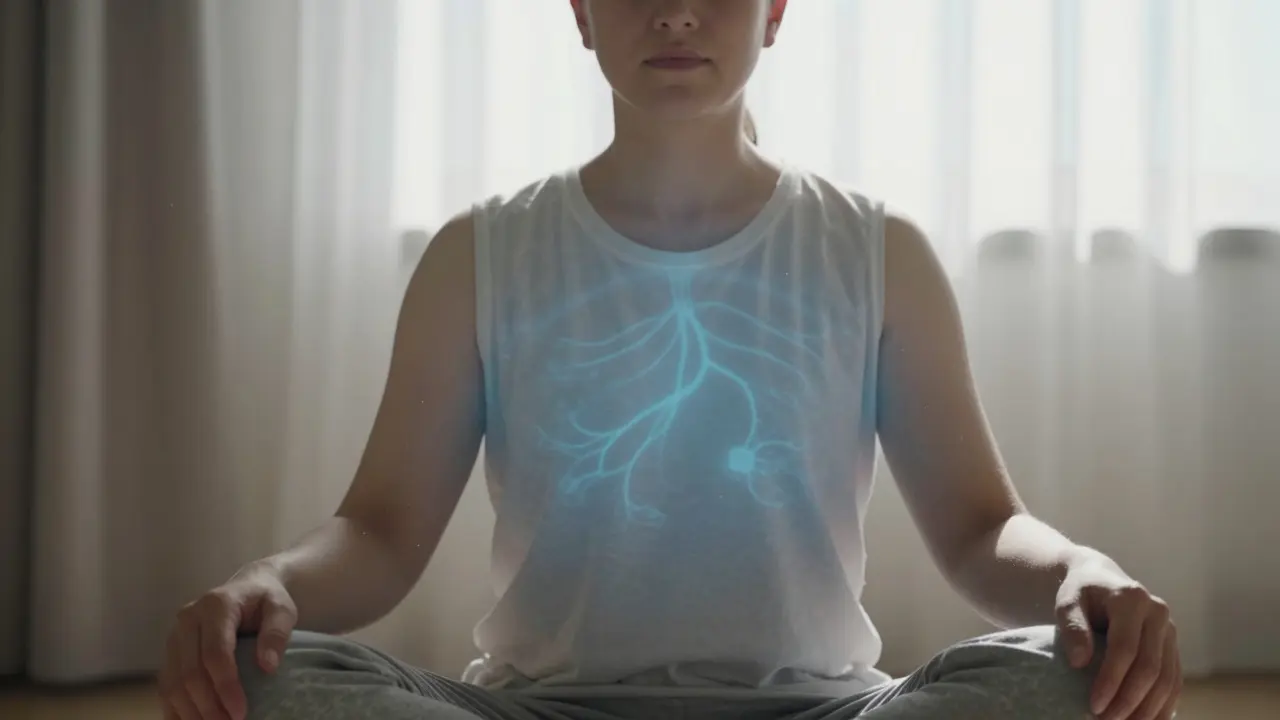
You cannot think your way out of stress if your body is in panic mode. You have to signal safety to your brain first. This is where controlled breathing, a technique involving deliberate regulation of breath rate and depth comes in. It is the fastest way to engage the parasympathetic nervous system, which acts as your body’s brake pedal.
The most effective method isn’t just deep breathing; it is extending the exhale. When you breathe in, you stimulate the sympathetic nervous system (fight or flight). When you breathe out, you stimulate the vagus nerve, triggering relaxation. Here is a simple protocol you can use anywhere:
- The 4-7-8 Technique: Inhale through your nose for 4 seconds. Hold for 7 seconds. Exhale slowly through your mouth for 8 seconds. Repeat four times.
- Box Breathing: Inhale for 4 seconds, hold for 4, exhale for 4, hold for 4. This is used by Navy SEALs to maintain focus under extreme pressure.
- Physiological Sigh: Two quick inhales through the nose (one long, one short) followed by a long exhale through the mouth. Research from Stanford University suggests this is the fastest way to reduce acute anxiety in real-time.
Try this right now. Notice how your shoulders drop? That is your body responding to the cue. Consistency matters more than duration. Doing this for two minutes every morning builds resilience against afternoon spikes.
Movement as Medicine: Burning Off Stress Hormones
Stress hormones are designed to help you run from danger. If you sit at a desk all day while stressed, those chemicals have nowhere to go. They circulate, causing inflammation and tension. Movement helps metabolize these hormones.
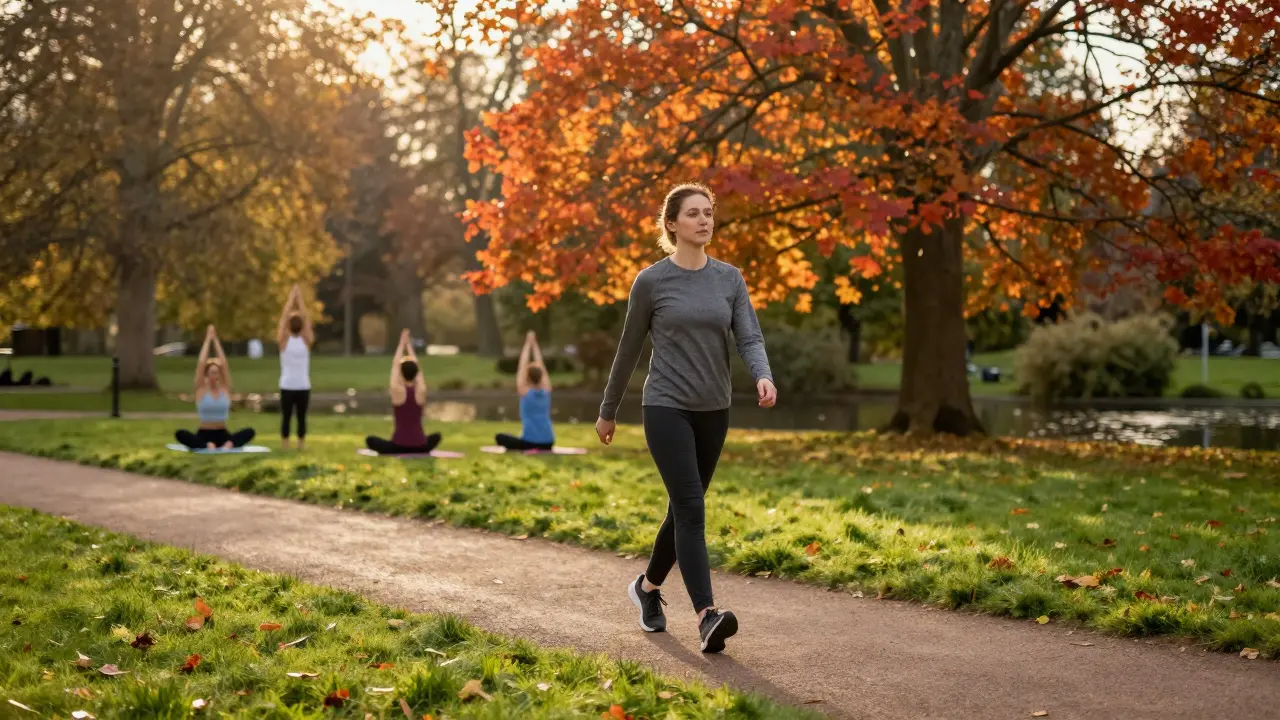
You do not need to run a marathon. In fact, high-intensity exercise might add stress if you are already overwhelmed. Instead, focus on low-impact aerobic activity, exercise that elevates heart rate without joint strain. A brisk 20-minute walk outside is incredibly potent. Sunlight regulates your circadian rhythm, improving sleep quality, which directly lowers baseline stress levels.
Consider incorporating yoga, a mind-body practice combining physical postures, breathing, and meditation or tai chi, a Chinese martial art emphasizing slow movements and balance. These practices force you to be present in your body, breaking the cycle of rumination. Studies show that regular yoga practitioners have significantly lower cortisol levels compared to sedentary individuals.
Digital Detox: Reclaiming Your Attention
In 2026, our biggest stressor is often our pocket. Constant notifications create a state of "continuous partial attention," keeping your brain in a low-grade alert state. This is known as technostress, psychological distress caused by the use of technology.
To combat this, you need boundaries. Try these steps:
- Turn off non-essential notifications: Keep only calls and texts from family. Social media apps should never buzz your phone.
- Create phone-free zones: No phones in the bedroom. Buy an old-fashioned alarm clock. This prevents doom-scrolling before bed, which disrupts melatonin production.
- Schedule check-ins: Instead of checking email constantly, set three specific times a day to process messages. This reduces context-switching fatigue.
Notice the difference after one week. You will likely find that you feel less anxious and more focused during work hours because your brain isn’t constantly fragmenting its attention.
Nutrition for Nerves: Eating to Reduce Anxiety
Your gut and brain are connected via the vagus nerve. What you eat directly impacts your mood. High sugar and caffeine intake can mimic anxiety symptoms-jitters, rapid heartbeat, and crashes.
Focus on foods that support neurotransmitter balance:
- Magnesium-rich foods: Spinach, almonds, and pumpkin seeds. Magnesium is crucial for muscle relaxation and nerve function. Many people are deficient due to soil depletion.
- Omega-3 fatty acids: Found in salmon, walnuts, and flaxseeds. These reduce inflammation in the brain, which is linked to depression and anxiety.
- Probiotics: Yogurt, kefir, and fermented vegetables. A healthy gut microbiome produces serotonin, the "feel-good" hormone.
Avoid alcohol as a coping mechanism. While it may seem relaxing initially, it disrupts sleep architecture and increases anxiety the next day, creating a vicious cycle.
Mindfulness and Cognitive Reframing
Stress is often not about what happens, but how we interpret it. Cognitive Behavioral Therapy (CBT), a psychotherapy focusing on changing negative thought patterns principles can be applied daily. When you catch yourself thinking, "I can't handle this," pause and ask: Is this true? What is the evidence?
Practice mindfulness meditation, training attention to remain focused on the present moment. Start with five minutes a day. Sit quietly and observe your thoughts without judgment. Imagine them as clouds passing in the sky. This creates distance between you and your stressors, reducing their emotional impact.
Journaling is another powerful tool. Writing down worries externalizes them, making them feel more manageable. Try "brain dumping" everything bothering you onto paper, then crossing out what you cannot control. Focus your energy only on what you can influence.

Social Connection: The Buffer Against Burnout
Humans are social creatures. Isolation amplifies stress. Talking to a trusted friend or family member releases oxytocin, which counteracts cortisol. You don’t need to solve the problem; sometimes, just being heard is enough.
If stress feels unmanageable, seek professional help. Therapists provide tools tailored to your specific situation. There is no shame in asking for support-it is a sign of strength, not weakness.
| Technique | Time Required | Best For | Scientific Backing |
|---|---|---|---|
| Controlled Breathing | 2-5 minutes | Acute anxiety, immediate relief | High (Vagus nerve stimulation) |
| Walking/Movement | 20+ minutes | Burnoff stress hormones, improve mood | High (Endorphin release) |
| Digital Detox | Ongoing habit | Reducing mental clutter, better sleep | Medium-High (Attention restoration) |
| Mindfulness Meditation | 10-20 minutes | Long-term resilience, emotional regulation | Very High (Neuroplasticity changes) |
| Nutrition Adjustment | Daily | Baseline stress management, energy stability | High (Gut-brain axis) |
Building a Sustainable Routine
Picking one technique and mastering it is better than trying all five poorly. Start with breathing exercises since they require no equipment or time commitment. Add a daily walk. Then, tweak your diet. Gradually build these habits into your lifestyle.
Remember, stress reduction is not a destination. It is a practice. Some days will be harder than others. Be patient with yourself. By taking small, consistent steps, you reclaim control over your health and well-being.
How quickly can I see results from stress reduction techniques?
Breathing exercises can provide immediate relief within minutes by activating the parasympathetic nervous system. However, long-term benefits like reduced baseline anxiety and improved sleep typically take 4-8 weeks of consistent practice to become noticeable.
Is meditation really necessary for stress management?
Meditation is highly effective but not strictly mandatory. Other activities like walking, gardening, or listening to music can induce similar states of mindfulness if done with full attention. The key is engaging in an activity that anchors you in the present moment.
Can diet alone reduce stress?
Diet plays a supportive role. While eating magnesium-rich foods and avoiding excessive caffeine can lower physiological arousal, it rarely solves psychological stressors on its own. Combine nutrition with behavioral techniques like breathing or therapy for best results.
What is the best time of day to practice stress reduction?
Morning practice helps set a calm tone for the day, while evening routines aid in winding down for sleep. Consistency is more important than timing. Choose a time when you are least likely to be interrupted.
When should I seek professional help for stress?
If stress interferes with daily functioning, causes persistent sleep issues, leads to substance abuse, or results in feelings of hopelessness, consult a healthcare provider or therapist. Professional guidance can address underlying causes and provide personalized strategies.

Feb 8 2025