Balanced diet: how to eat well without overthinking
You don’t need to count every calorie to eat a balanced diet. Small, consistent choices beat strict rules. This guide gives clear, usable steps you can use today — no fad talk, just practical moves that help your energy, mood, and body.
What a balanced plate actually looks like
Think plate, not perfection. Aim for: half your plate filled with vegetables (raw, steamed, roasted), one quarter with protein, and one quarter with whole grains or starchy vegetables. Add a thumb-sized portion of healthy fat (olive oil, avocado, nuts) and a glass of water. That simple layout covers fiber, vitamins, protein, and steady energy.
Use hand portions if you’re busy: a palm-sized protein for women (two palms for larger adults), a fist of carbs, two cupped hands of vegetables, and a thumb of fat. For snacks, choose a protein plus a fiber source — Greek yogurt with berries, apple with peanut butter, or hummus and carrot sticks.
Balance isn’t about removing foods. It’s about making items on your plate work together. Pairing protein with fiber and fat slows digestion, keeps you full, and stabilizes blood sugar. That’s the core of a balanced diet.
Quick habits and swaps that make a big difference
Shop with a short list: vegetables (frozen is fine), a couple of proteins (eggs, canned tuna, tofu, chicken), whole grains (brown rice, oats), and a healthy fat (olive oil, nuts). Keep staples so you can assemble meals fast.
Smart swaps: swap white rice for brown rice or beans; trade sugary cereal for oats with seeds; choose whole fruit over juice. When eating out, pick a side salad or extra vegetables instead of fries. These swaps cut empty calories and add nutrients.
Batch cook twice a week. Roast a tray of mixed vegetables, grill a batch of chicken or tofu, and cook a pot of whole grains. Mix and match across meals: grain bowl for lunch, stir-fry for dinner, or a quick omelet in the morning.
Watch liquid calories. Drinks add sugar fast. Aim to drink water first and limit sugary sodas and fancy coffees. If you want something flavored, try sparkling water with a splash of juice or lemon.
Need a quick plan? Try this: Breakfast — oats with nuts and banana. Lunch — mixed greens, roasted veg, chickpeas, olive oil. Snack — cottage cheese and cucumber. Dinner — grilled fish, quinoa, steamed broccoli. No calorie math, just sensible portions and variety.
Try one change this week: add an extra vegetable at one meal, or swap one refined carb for a whole grain. Small steps stack up. After a week, add another. Your balanced diet will grow from habits you can keep, not from rules you can’t.
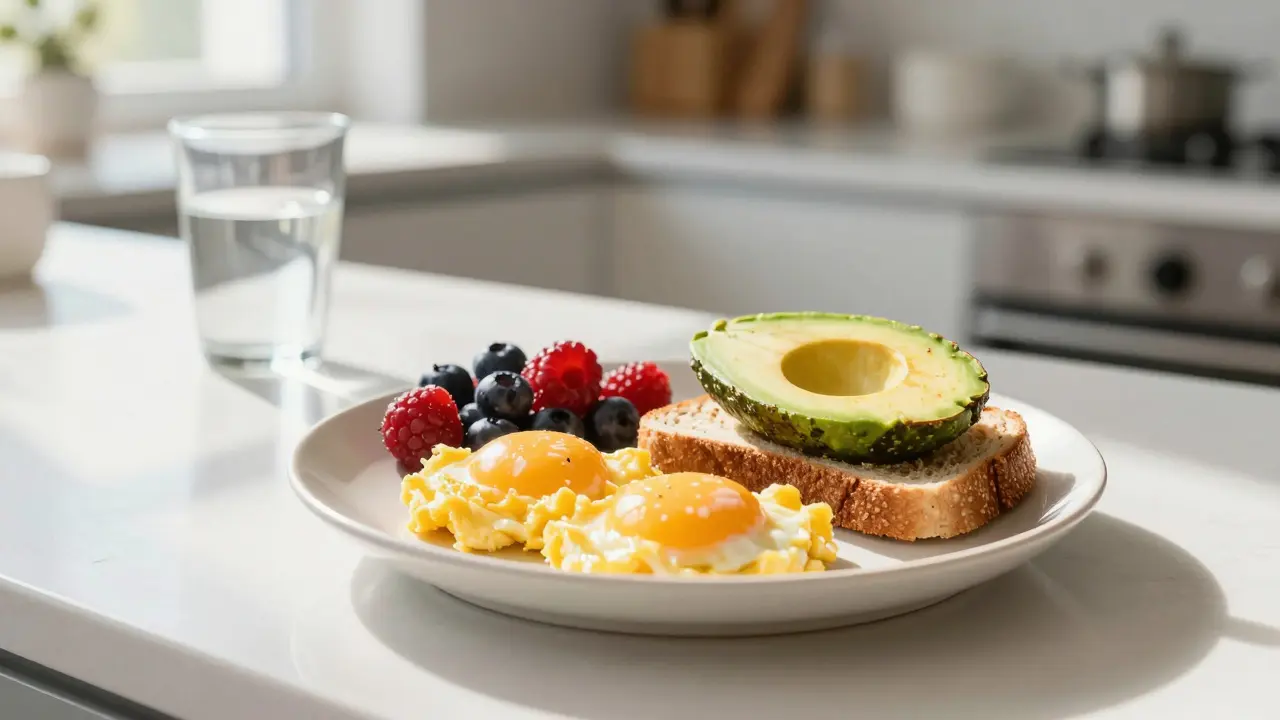
Healthy Breakfast Choices for a Balanced Lifestyle: The Ultimate Guide
Discover practical, science-backed healthy breakfast choices that stabilize energy and support a balanced lifestyle. Learn how to combine protein, fiber, and fats for lasting satisfaction.
View More
Healthy Snacks for Wellness: Navigating Nutritious Choices for a Better Tomorrow
Snacking doesn't have to be a guilt trip but can actually be a bridge to a healthier tomorrow. This article explores the transformative power of healthy snacks in our daily lives. By integrating nutritious choices into our routine, we not only satisfy our cravings but also fuel our bodies with essential nutrients. Learn how to make smart snack decisions that support overall well-being and discover exciting, wholesome alternatives that don't compromise on taste.
View More