
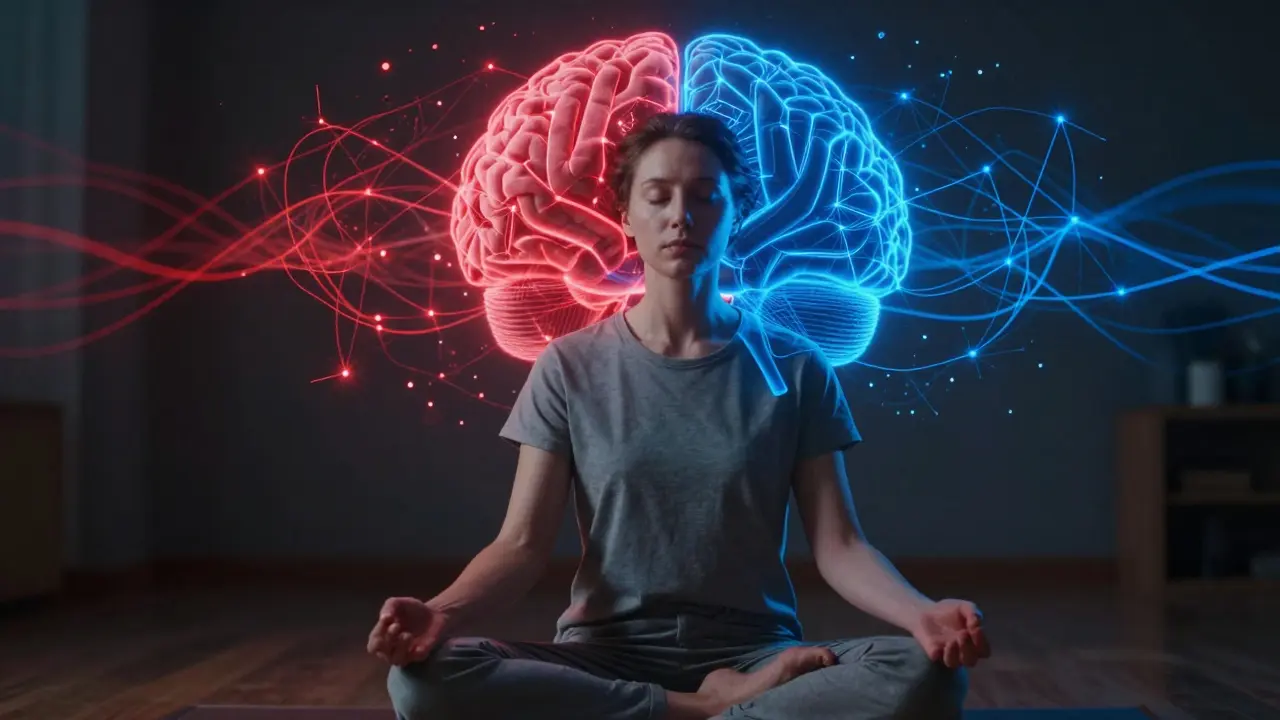
Recovery from addiction isn't just about stopping the behavior; it's about rewiring the way your brain responds to pressure. When a craving strikes, it feels like an emergency, demanding immediate attention and a chemical fix. Willpower often collapses under that weight because your nervous system is screaming for relief. Meditation offers a different approach entirely. Instead of fighting the urge head-on or suppressing it, you learn to sit with it, observe it, and let it pass without reacting. This simple shift transforms how you handle stress, pain, and the deep-seated triggers that lead to relapse.
The Science of Change: Why Willpower Isn't Enough
To understand why meditation helps manage addictive behaviors by increasing self-awareness and impulse control, we have to look at what happens inside the skull. Addiction changes brain chemistry. Substances like alcohol, nicotine, or opioids flood the brain with dopamine, the neurotransmitter responsible for reward and motivation. Over time, the brain adapts. It stops producing enough naturally and starts demanding the external source just to feel normal. This creates the cycle of dependency.
Beyond chemistry, there is a structural change. The part of the brain known as the Amygdala becomes hypersensitive to threats and triggers, while the Prefrontal Cortex-the area responsible for decision-making and emotional regulation-loses some of its power. In recovery, the goal is to reverse this imbalance. Meditation is one of the few tools proven to physically alter these structures through neuroplasticity. Studies indicate that consistent practice thickens the Prefrontal Cortex and shrinks the Amygdala, literally building more brain tissue dedicated to calm reasoning and shrinking the regions that scream "fight or flight."
Think of it like a gym workout. Every time you meditate, you are strengthening the muscle that tells your brain, "I don't need to react right now." Without this training, the default setting returns to old habits. You might feel fine on Monday morning, but by Thursday afternoon, stress builds up, and that unchecked tension pushes you toward seeking comfort in the substance you're trying to avoid. Regular practice builds the buffer zone you need between feeling an impulse and acting on it.
| Meditation Style | Primary Focus | Benefit for Recovery |
|---|---|---|
| Focused Attention | Single object (breath/mantra) | Anchors mind away from intrusive thoughts |
| Mindfulness | Open awareness of present | Reduces automatic reactivity to triggers |
| Loving-Kindness | Generating compassion | Addresses underlying shame and self-loathing |
Mastering the Art of Urge Surfing
The most powerful practical application of this mindset is called Urge Surfing. Most people believe urges are straight lines that climb until they force them to act. That's a misconception. An urge is actually more like an ocean wave. It rises slowly, crests at a peak intensity, and then inevitably crashes and fades away.
The danger lies in riding the surfboard of resistance. When you try to suppress the urge, you expend massive energy and heighten the anxiety, making the wave look bigger than it really is. With urge surfing, you acknowledge the sensation. You notice the tight chest, the dry mouth, or the restless legs. Instead of fighting it or giving in, you turn your full attention to those physical sensations. You ask yourself: "Where exactly do I feel this in my body? Is it hot or cold? Sharp or dull?" By observing the urge objectively, rather than emotionally identifying with it, the wave usually peaks within 15 to 20 minutes and then recedes.
This technique requires patience. In the beginning, staying still while the craving rages feels impossible. Your inner critic might tell you, "You're weak," or "This won't work." That's okay. Those thoughts are part of the storm, not the sky. The practice is simply noticing the thought and returning to your breath. You aren't trying to make the craving go away immediately; you are learning to coexist with discomfort until it loses its power over you.

Selecting the Right Practice
Not every meditation style suits everyone, especially in early stages of recovery. Some practices can bring up intense emotions or memories that feel overwhelming if not handled correctly. Mindfulness-based Relapse Prevention (MRP) has become a gold standard in many clinical settings because it is specifically designed for this purpose. It combines traditional mindfulness with cognitive behavioral strategies to spot high-risk situations before a relapse happens.
For beginners, Guided Meditation is often the safest starting point. An audio track provides a voice to anchor to when the mind wanders. If you find silent sitting too difficult, Walking Meditation is an excellent alternative. Walking connects the mind to the body through movement. Pay attention to the feeling of your foot touching the ground. This grounds effect prevents dissociation, which is common among those who struggle with trauma-based addiction.
You should also consider the timing. Morning sessions set the tone for the day, allowing you to start with clarity. However, evening sessions can be helpful for processing the stress of the day before sleep. Consistency matters more than duration. Five minutes done daily builds neural pathways more effectively than one hour done once a week. It becomes a habit, something you do automatically, not just another task on your to-do list.

Integrating with Professional Support
Meditation is a powerful adjunct therapy, but it should rarely be the sole method of treatment for severe substance use disorders. Combining mindfulness with Cognitive Behavioral Therapy (CBT) often yields the best results. CBT helps identify the distorted thinking patterns that drive addiction, while meditation gives you the mental space to resist acting on those patterns.
Trauma plays a massive role in many cases. Many individuals develop addictive habits as a coping mechanism for past abuse or neglect. Meditation can sometimes unlock suppressed memories initially. If you experience flashbacks or severe distress during practice, pause and reach out to a therapist specializing in trauma. The goal is safety. A qualified instructor can modify the practice to ensure you don't overwhelm your nervous system. They can teach you grounding techniques that help you stay in the room with your feelings rather than getting lost in the past.
Potential Pitfalls and Realistic Expectations
Be honest with yourself about what you expect to achieve. Meditation isn't a magic switch. You won't sit down today and never feel a craving again tomorrow. The journey involves ups and downs. There will be days when you practice and nothing seems to change. There might even be days where the silence brings up feelings you'd rather avoid. This is normal. Part of the process is accepting the difficulty without letting it derail you.
Another pitfall is spiritual bypassing. Sometimes people use meditation to escape emotions rather than face them. True healing means confronting the sadness, anger, and grief that fueled the addiction in the first place. If you find yourself using the practice to numb out or avoid necessary life problems, reassess your intention. You are building skills for the real world, not hiding in a cave of peace.
Safety is paramount. If you are withdrawing from alcohol or benzodiazepines, you need medical supervision. Meditation alone cannot prevent dangerous withdrawal seizures. Always prioritize medical stability and professional guidance before relying solely on self-help techniques. Once stable, however, adding mindfulness significantly improves long-term outcomes and quality of life.
How long does it take to see results?
Changes in stress response can appear within weeks of daily practice, typically 8 to 12 weeks. Significant shifts in brain structure and reduced relapse rates often require months of consistent commitment. Patience is key; the skill grows gradually with repetition.
Can I practice meditation while intoxicated?
No. Meditation alters your state of consciousness and can deepen the connection to cravings. It is far more effective to practice when you are clear-headed to build the actual discipline needed for recovery.
Is guided or silent meditation better?
Guided meditation is recommended for beginners because it provides external focus points. As you build focus, transitioning to silent practice deepens the ability to observe internal states without distraction.
Does meditation replace therapy?
No, it complements therapy. It acts as a bridge between therapy sessions, helping you apply coping mechanisms in real-time, but it should not replace professional medical advice or psychological support.
What if I get bored or annoyed while sitting?
These feelings are signs of progress. Notice the annoyance without judging it. Often, boredom signals a craving for stimulation, which is a classic trigger pattern in addiction. Observing this link helps break the cycle.




Dec 14 2024