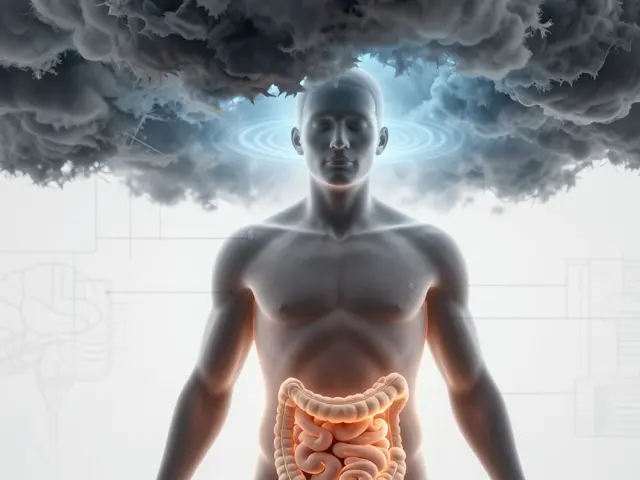
Most people think stomach issues are just about heartburn or bloating after a big meal. But if you’re constantly tired, getting sick often, or dealing with skin breakouts, your gut might be sending you a signal you’re ignoring. Your gut isn’t just a digestion machine-it’s your second brain, your immune command center, and the hub of your overall health. Optimizing your gut health isn’t about quick fixes or expensive supplements. It’s a daily practice built on simple, science-backed habits that work over time.
Understand Your Gut Microbiome
Your gut is home to trillions of bacteria, viruses, and fungi-collectively called the gut microbiome. These tiny organisms don’t just help break down food. They produce vitamins, regulate inflammation, and even influence your mood by making serotonin, the hormone linked to happiness. A healthy microbiome is diverse. That means you have hundreds of different species living in balance. When one group takes over-like harmful bacteria feeding on sugar-you get dysbiosis. That’s when problems like bloating, constipation, or food sensitivities start.
Studies from the University of Queensland show that people with chronic digestive issues often have 30% less microbial diversity than healthy individuals. The good news? You can rebuild that diversity. It doesn’t take a lab test. Start by noticing how your body reacts after eating certain foods. If you feel sluggish after dairy, or get bloated after gluten, those are clues. Track it for a week. You don’t need an app-just a notebook.
Feed the Good Bacteria With Fiber
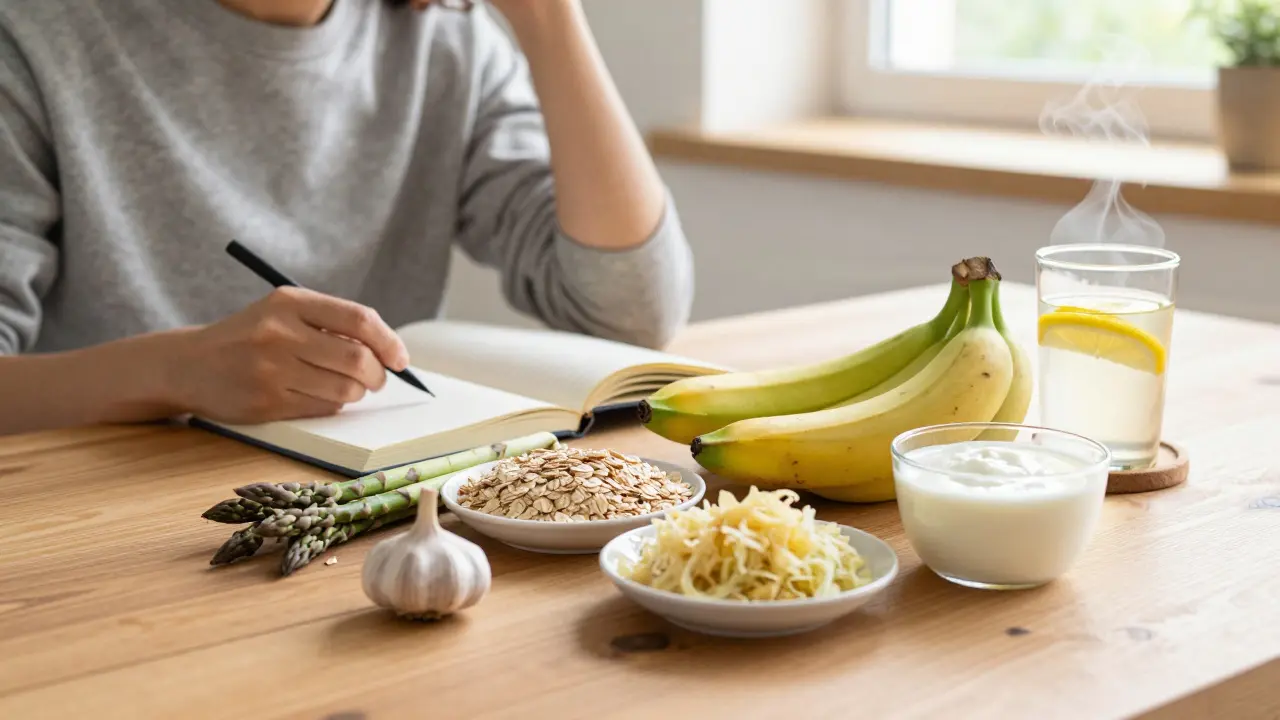
Probiotics get all the attention, but prebiotics are the real MVP. Prebiotics are types of fiber that good bacteria eat. Without them, probiotics can’t survive. Think of it like planting seeds without watering them. They won’t grow.
Focus on these fiber-rich foods:
- Garlic and onions-easy to add to stir-fries or soups
- Asparagus and leeks-great roasted or grilled
- Green bananas-less sweet, higher in resistant starch
- Oats and barley-choose plain, unsweetened versions
- Chicory root and dandelion greens-often found in bitter salads or teas
Aim for 30 grams of fiber a day. Most people get less than half that. Start slow. Jumping from 10g to 30g overnight can cause gas and discomfort. Add one extra serving of veggies or a handful of oats each day. Your gut will thank you in a few weeks.
Choose Probiotics Wisely
Not all probiotics are created equal. A 2024 review in the Journal of Gastroenterology found that only three strains consistently helped with bloating and irregularity: Lactobacillus rhamnosus GG, Bifidobacterium infantis, and Saccharomyces boulardii. These are the ones you want.
You can get them from food or supplements. Fermented foods like sauerkraut, kimchi, kefir, and unsweetened yogurt are natural sources. But here’s the catch: many store-bought versions are pasteurized, which kills the live cultures. Look for labels that say "live and active cultures" or "unpasteurized." If you’re buying supplements, check the CFU count-aim for at least 10 billion colony-forming units per dose. And store them in the fridge. Heat kills probiotics.
Don’t take probiotics with antibiotics unless you’re following a doctor’s plan. Antibiotics wipe out good and bad bacteria. Taking probiotics at the same time can reduce their effectiveness. Wait at least two hours after the antibiotic, or take them after the course ends.
Sleep, Stress, and Your Gut
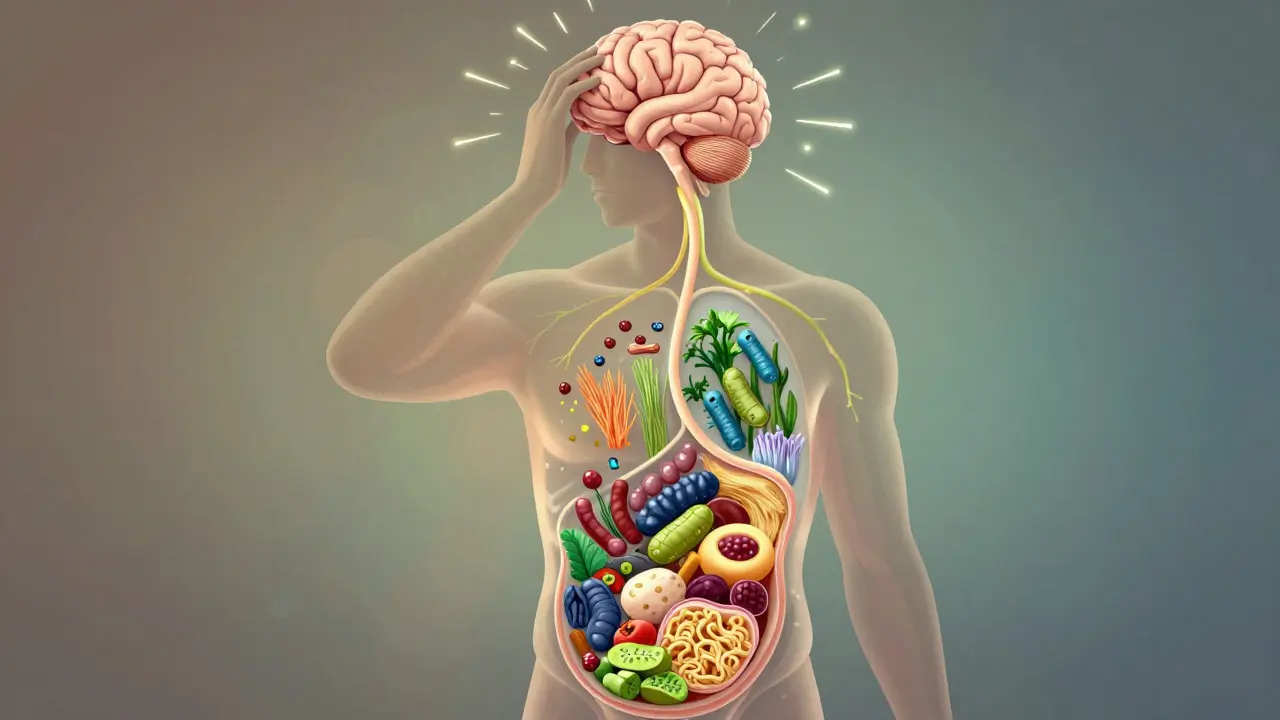
Your gut and brain talk to each other through the vagus nerve. When you’re stressed, your body shuts down digestion to focus on survival. That’s why you lose your appetite or get stomach cramps before a big presentation. Chronic stress doesn’t just make you feel anxious-it changes your gut bacteria composition.
One study from Monash University tracked 200 people over six months. Those who practiced 10 minutes of daily breathing exercises saw a 25% improvement in bloating and bowel regularity. You don’t need meditation apps or yoga classes. Just sit quietly, inhale for four counts, hold for four, exhale for six. Do it before bed or after lunch. It’s free, and it works.
Sleep matters too. People who sleep less than six hours a night have lower levels of beneficial bacteria like Faecalibacterium prausnitzii, which helps reduce inflammation. Aim for seven to eight hours. Turn off screens an hour before bed. Your gut needs downtime just like your brain.
Watch Out for Hidden Triggers
Processed foods, artificial sweeteners, and excess sugar are gut killers. Even "healthy" snacks like protein bars often contain maltodextrin, an additive that feeds bad bacteria. Artificial sweeteners like sucralose and aspartame have been shown in lab studies to alter gut flora and increase glucose intolerance.
Alcohol isn’t the villain everyone thinks it is-but daily drinking, even one glass of wine, can damage the gut lining over time. If you drink, stick to two or three nights a week max. And always eat something before you drink. Empty stomach + alcohol = gut irritation.
Don’t ignore medications. Long-term use of NSAIDs like ibuprofen can cause tiny tears in the intestinal wall. If you take them regularly for pain, talk to your doctor about alternatives. There are safer options for chronic inflammation.
Hydration Is Non-Negotiable
Your gut needs water to move things along. Dehydration is one of the most common causes of constipation. But it’s not just about drinking water. Electrolytes matter too. Sodium, potassium, and magnesium help your cells absorb water.
Start your day with a glass of warm water and a squeeze of lemon. It’s not a magic cure, but it gently wakes up your digestive system. Add a pinch of sea salt to your meals. Eat potassium-rich foods like potatoes, spinach, and avocados. If you’re active or live in a hot climate like Brisbane, drink more than you think you need. Thirst is a late signal.
Track Progress, Not Perfection
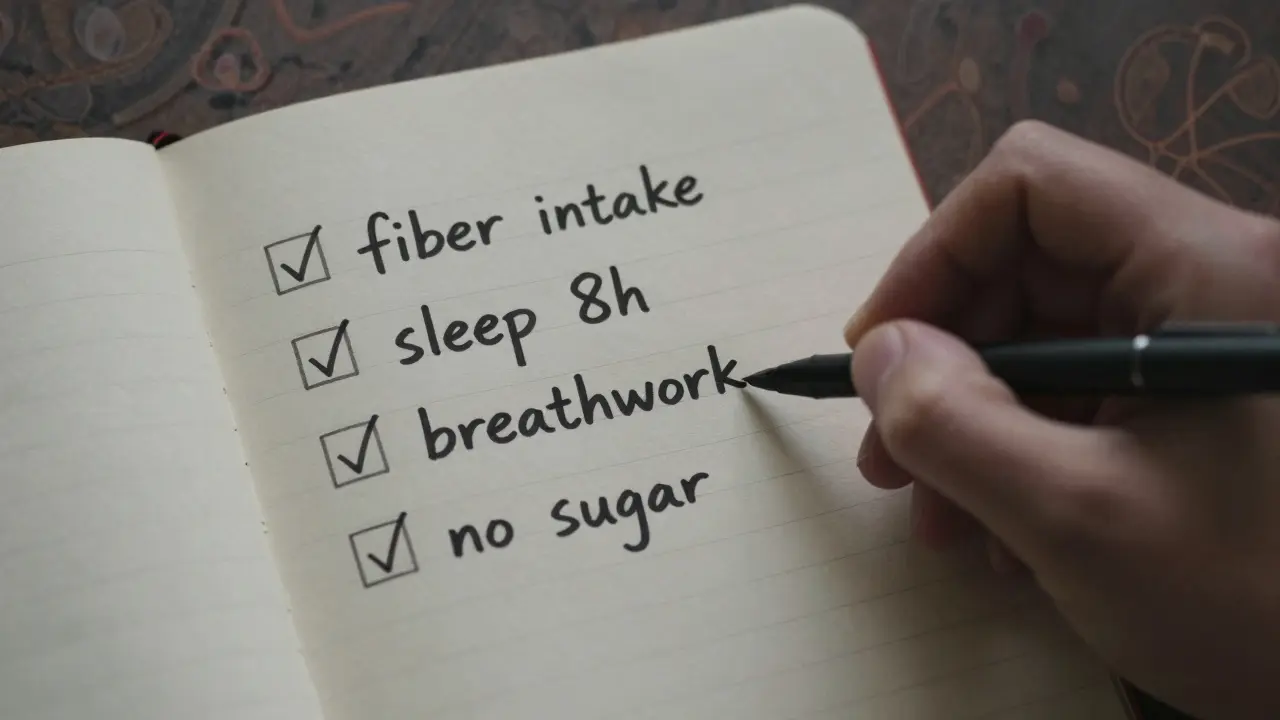
You won’t fix your gut in a week. But you’ll notice changes in four to six weeks if you stick to the basics: eat more fiber, reduce sugar, manage stress, sleep well, and drink water. Keep a simple journal. Note your bowel movements (frequency, consistency), energy levels, and any bloating or discomfort.
Good stool? Soft, brown, and easy to pass (think type 4 on the Bristol Stool Scale). Bad stool? Hard lumps, watery, or floating with a foul smell. These are signs your microbiome is shifting. Don’t chase perfection. Aim for consistency.
When to See a Professional
Some gut issues need more than diet and lifestyle changes. If you have:
- Unexplained weight loss
- Blood in stool
- Severe or persistent pain
- Diarrhea lasting more than two weeks
- Family history of IBD or colon cancer
Don’t wait. See a gastroenterologist. Tests like stool analysis, breath tests for SIBO, or colonoscopies can reveal hidden problems. Your gut health is too important to guess at.
Can probiotics cure IBS?
Probiotics don’t cure IBS, but certain strains like Lactobacillus rhamnosus GG and Bifidobacterium infantis can reduce bloating, gas, and irregular bowel movements in up to 60% of people with IBS. They work best when combined with a low-FODMAP diet and stress management. They’re not a magic pill, but they’re a helpful tool.
Is bone broth good for gut health?
Bone broth contains collagen and amino acids like glutamine, which may help repair the gut lining. But there’s no strong clinical evidence it fixes leaky gut or improves microbiome diversity. It’s soothing and hydrating, so if you enjoy it, keep having it-but don’t rely on it as your main gut-healing strategy. Fiber and fermented foods do more.
Do I need to take a gut health supplement?
No, you don’t. Most people get what they need from food. If you’re eating 30g of fiber daily, drinking enough water, managing stress, and getting sleep, supplements won’t add much. They can help if you’re deficient in certain strains or recovering from antibiotics, but they’re not a substitute for real food.
Can stress cause IBD?
Stress doesn’t cause inflammatory bowel disease (IBD) like Crohn’s or ulcerative colitis. Those are autoimmune conditions with genetic roots. But stress can trigger flare-ups and make symptoms worse. Managing stress doesn’t cure IBD, but it helps you stay in remission longer and reduces the need for medication.
How long does it take to heal a damaged gut?
It varies. Minor imbalances from sugar or alcohol can improve in 2-4 weeks. More serious damage from antibiotics, chronic stress, or long-term poor diet may take 3-6 months. The key is consistency. One bad meal won’t undo progress. But skipping fiber for weeks will. Focus on habits, not quick wins.
Next Steps
Start tomorrow. Pick one thing from this list:
- Add one serving of fermented food to your lunch
- Swap your afternoon snack for a piece of fruit and a handful of almonds
- Drink a glass of water with lemon before breakfast
- Take five deep breaths before you check your phone in the morning
Do that for 21 days. Then reassess. Your gut doesn’t need a revolution. It needs routine, patience, and real food. You’ve got this.


Mar 7 2026