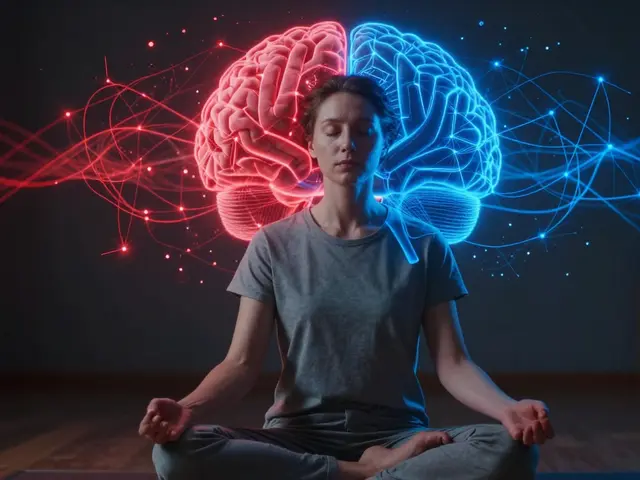
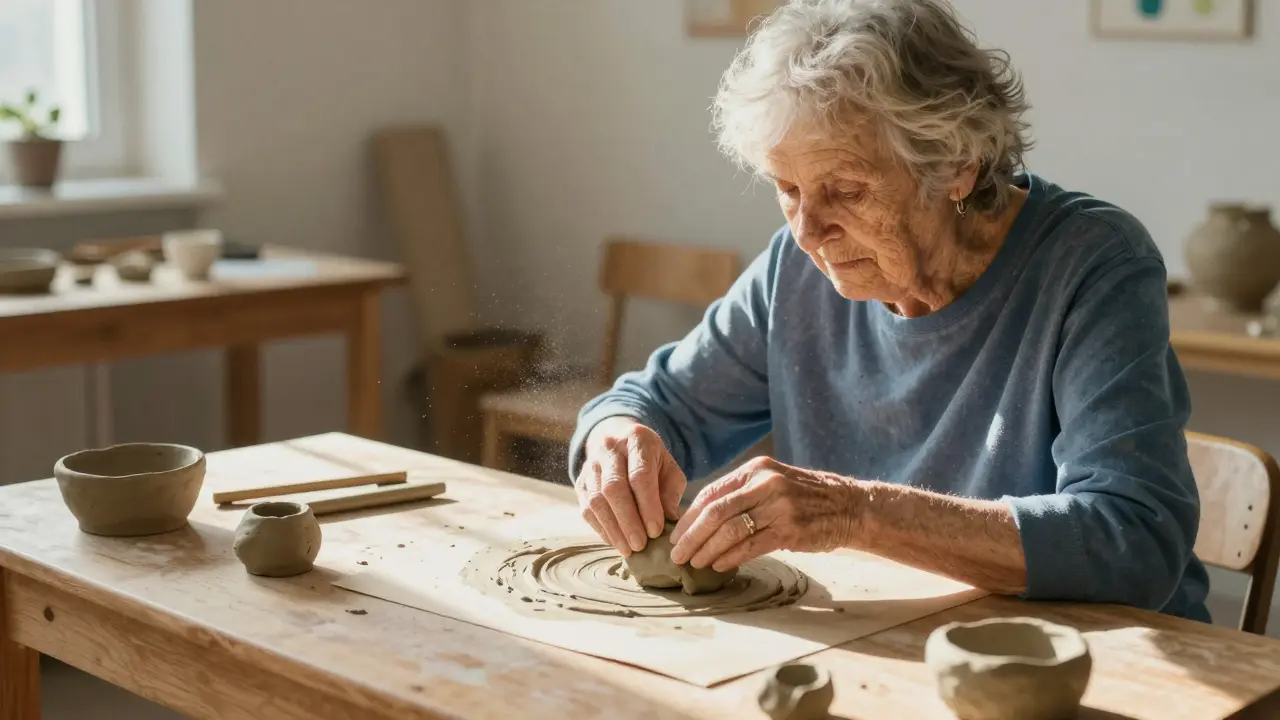
When you think of healing, you probably picture a doctor, a prescription, or maybe a meditation app. But what if the key to real recovery isn’t in a pill or a app-but in painting, dancing, or singing? Creative arts therapies aren’t just hobbies. They’re proven, powerful tools that help people heal their minds, bodies, and spirits in ways medicine alone can’t touch.
What Exactly Are Creative Arts Therapies?
Creative arts therapies use artistic expression as a form of treatment. This includes art therapy, a clinical practice where individuals use drawing, painting, or sculpting to explore emotions, reduce anxiety, and process trauma, music therapy, a structured approach using rhythm, singing, or instrument playing to improve mood, memory, and communication, dance/movement therapy, a method that uses body movement to connect emotional and physical states, often helping people who struggle to talk about their feelings, and drama therapy, where role-playing and storytelling help individuals reframe personal narratives and build confidence.
These aren’t just fun activities. They’re evidence-based practices backed by decades of research. The American Art Therapy Association reports that over 70% of clinical art therapy programs are now integrated into hospitals, VA centers, and mental health clinics. Music therapy is so widely accepted that it’s covered by Medicare in some states for patients with dementia and autism.
How They Heal Beyond Talk Therapy
Talk therapy works for many-but not everyone. Some people can’t find the words. Others shut down when asked to explain their pain. That’s where creative arts therapies step in. They bypass the language center of the brain and speak directly to the emotional and sensory systems.
Take a veteran with PTSD. Talking about combat can trigger panic attacks. But when they’re given clay and told to shape something-anything-they often create towers, tunnels, or broken figures. Without saying a word, their hands tell a story. A trained therapist can help them make sense of it, slowly and safely.
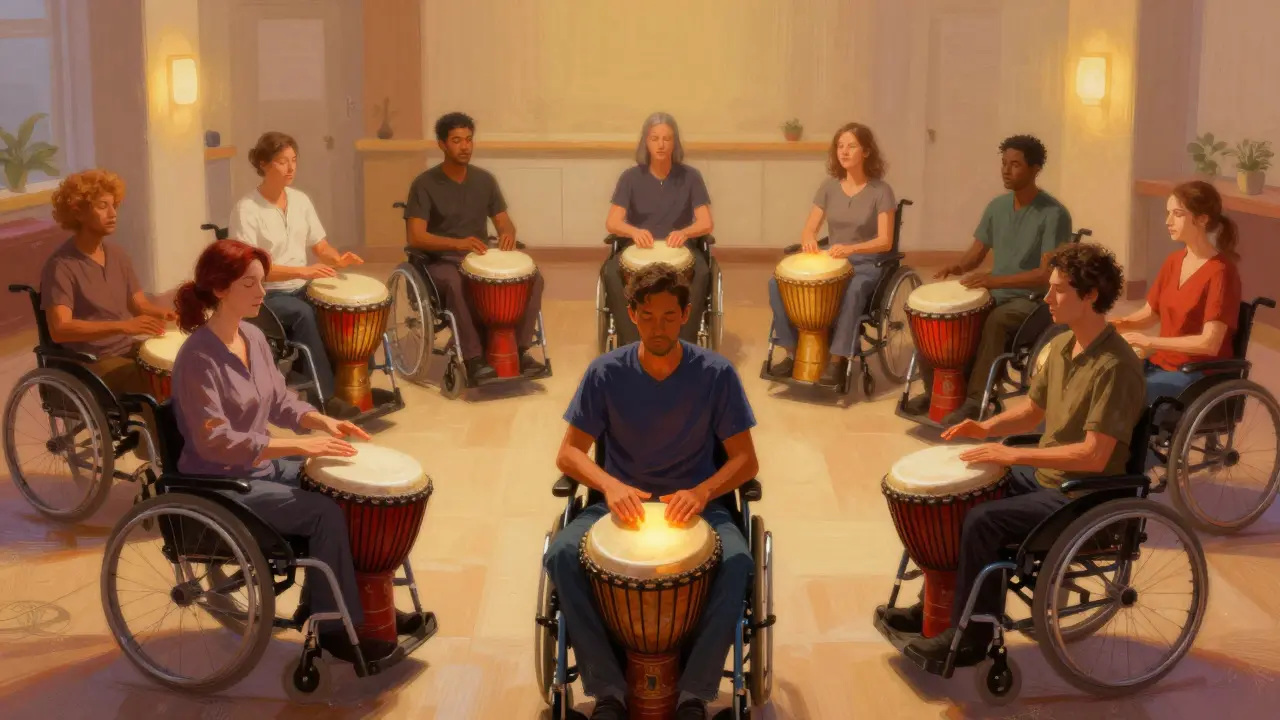
Same goes for children with autism. Many struggle with verbal communication. In music therapy, they might tap a drum to match their heartbeat, then gradually sync with others. The rhythm becomes a bridge to connection. A 2023 study in the Journal of Autism and Developmental Disorders found that children who received weekly music therapy for six months showed a 40% increase in social engagement compared to those who didn’t.
The Science Behind the Brushstroke
It’s not magic. It’s biology. When you create art, your brain releases dopamine-the chemical tied to pleasure and reward. It lowers cortisol, the stress hormone. Your nervous system shifts from fight-or-flight to rest-and-digest mode.
Brain scans show that when people paint or play an instrument, areas linked to self-awareness, empathy, and emotional regulation light up. The prefrontal cortex, which handles decision-making and impulse control, becomes more active. At the same time, the amygdala-the brain’s fear center-calms down.
One 2024 study from Johns Hopkins tracked 120 adults with chronic depression. Half received standard antidepressants and talk therapy. The other half added weekly art therapy sessions. After three months, the art therapy group showed a 62% greater drop in depression scores. More importantly, 78% of them said they felt “more like themselves” again-not just less sad.
They Work for Everyone, Not Just the "Artistic"
You don’t need to be talented. You don’t need to know how to draw or dance. In fact, the less you think about being "good," the better it works.
A 72-year-old woman with Parkinson’s started dance therapy after her doctor suggested it. She couldn’t walk without a cane. Within weeks, she began moving to music. Not to perform. Not to impress. Just to feel the beat. Her balance improved. Her fear of falling lessened. Her family noticed she smiled more. She didn’t become a dancer. She became more alive.
Same with someone recovering from a stroke. They might not be able to speak, but they can tap out a rhythm with their fingers. That tapping becomes a lifeline. It rebuilds neural pathways. It reminds them they still have control.
Creative arts therapies don’t require skill. They require presence. And presence is something every human has-even when they feel broken.
Why They Belong in Holistic Health
Holistic health means treating the whole person: mind, body, spirit, and social connection. Most medical systems focus on symptoms-pain levels, blood pressure, cholesterol. But what about loneliness? Shame? Grief? Guilt? These don’t show up on a lab report.
Creative arts therapies address what doctors often miss. They help people process trauma they can’t name. They rebuild identity after illness or loss. They reconnect people to joy when they’ve forgotten what it feels like.
Hospitals in Orlando, Boston, and Minneapolis now have dedicated art studios inside their psychiatric units. Cancer centers offer drum circles for patients in remission. Schools use drama therapy to help kids deal with bullying. These aren’t nice-to-haves. They’re necessities.
When you combine medication with art, or physical rehab with music, healing becomes deeper. Lasting. Human.
Real-Life Impact: Stories That Stick
There’s a woman in Tampa who lost her husband to cancer. She didn’t cry for months. Then, she started making collages from his old letters, photos, and ticket stubs. Each piece told a memory. She didn’t talk about him. She didn’t have to. The collage did.
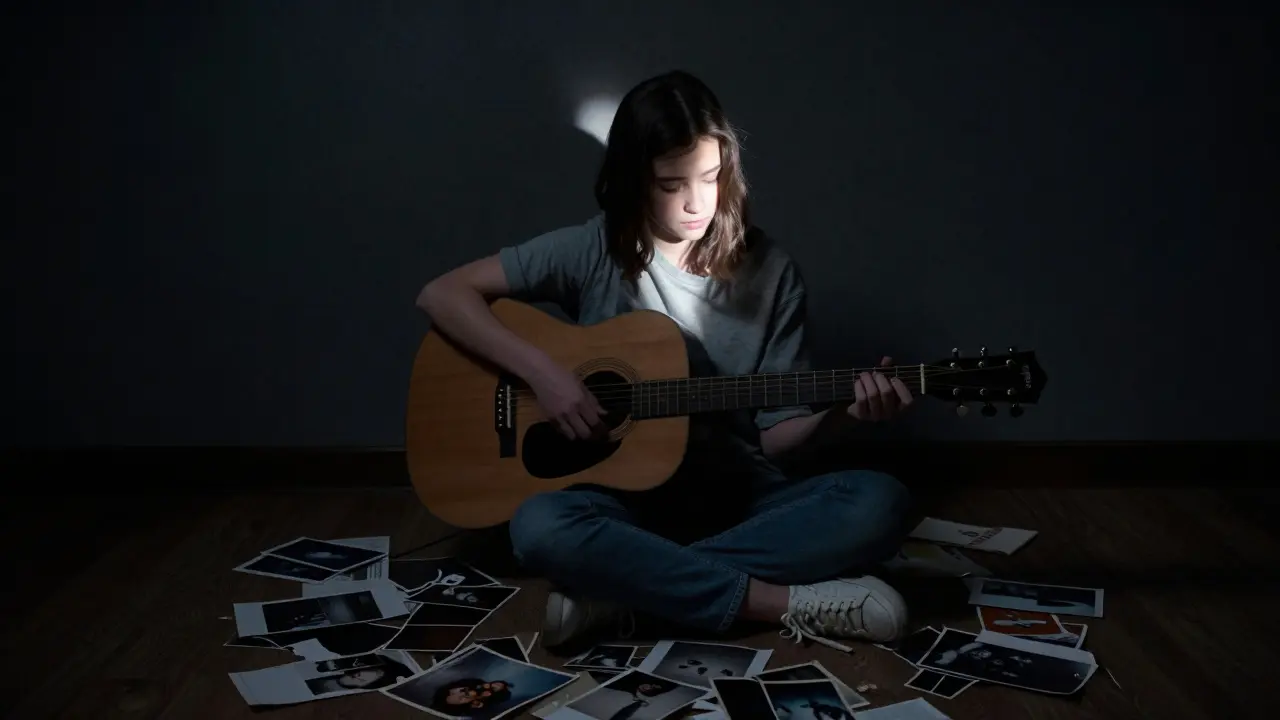
Or the teen in Atlanta who wouldn’t speak for two years after a car accident. Her therapist gave her a guitar. At first, she just strummed one note. Then two. Then a song. She wrote lyrics about silence. She performed it in front of her class. Her classmates cried. She didn’t.
These aren’t outliers. They’re common. And they happen because creative arts therapies don’t ask you to fix yourself. They invite you to explore. To feel. To be.
Getting Started Without a Therapist
You don’t need a clinic to begin. You just need permission-to be messy, to be quiet, to be yourself.
- Keep a journal with drawings, not words. Scribble when you’re angry. Dab paint when you’re sad.
- Put on music that matches your mood. Then change it. Let the rhythm shift how you feel.
- Move your body. Shake your arms. Walk barefoot. Dance like no one’s watching-even if you’re alone.
- Use clay, play-dough, or even folded paper. Mold something with your hands. Don’t think. Just feel.
These aren’t substitutes for professional care. But they’re powerful starters. And sometimes, that’s all you need to begin healing.
What’s Missing in Modern Healthcare
We live in a world that values speed, data, and efficiency. Therapy is often 45 minutes once a week. Medication is dosed by weight. Progress is measured in numbers.
Creative arts therapies don’t fit that model. They’re slow. They’re messy. They don’t give you a score. But they give you something better: a sense of meaning.
That’s why they’re essential. Not because they replace medicine. But because they complete it.
Can creative arts therapies replace traditional therapy or medication?
No, they’re not meant to replace talk therapy or medication. They work best as a complement. For example, someone on antidepressants may still feel emotionally numb. Art therapy can help them reconnect with feelings they’ve buried. Someone in recovery from addiction might use drumming to release tension instead of reaching for a substance. The goal isn’t to swap one treatment for another-it’s to layer support.
Do I need to be "artistic" to benefit from art therapy?
Absolutely not. Art therapy isn’t about creating masterpieces. It’s about expression. A child who draws a dark storm cloud isn’t being judged on their technique. They’re being heard. An adult who smears red paint across paper isn’t trying to be a painter-they’re releasing anger. The value is in the process, not the product.
Are creative arts therapies covered by insurance?
Coverage varies. Music therapy is often covered under Medicare for dementia and autism patients. Art therapy is increasingly included in private insurance plans, especially for mental health conditions like PTSD, depression, and anxiety. Check with your provider, but also ask your therapist-they often know which insurers accept these services. Some nonprofits and community centers offer free or sliding-scale sessions too.
What conditions benefit most from creative arts therapies?
They’re especially effective for trauma, depression, anxiety, autism, dementia, chronic pain, and grief. Research also shows strong results for eating disorders, substance use recovery, and cancer care. The common thread? Conditions where people feel disconnected-from their bodies, their emotions, or their sense of self. Creative arts help rebuild that connection.
How long does it take to see results?
Some people feel a shift after one session. Others need weeks. It depends on the person, the issue, and the therapy type. In group settings, emotional safety often builds over 4-6 sessions. For trauma, it can take months. But even small moments-a sigh of relief, a spontaneous laugh, a quiet smile-count as progress. Healing isn’t always loud.

Feb 14 2026