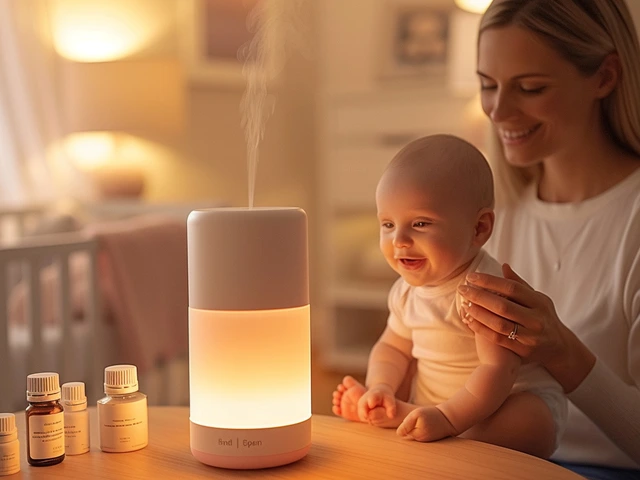

Close your eyes and imagine the sharp, clean scent of eucalyptus clearing a stuffy nose, or the warm, earthy smell of sandalwood calming a racing heart. It feels like magic, doesn't it? But behind that immediate sense of relief is a complex interaction between your nose, your brain, and your nervous system. Aromatherapy is a holistic healing treatment that uses natural plant extracts to promote well-being. While it has roots in ancient Egypt, Greece, and China, modern science is finally catching up to what traditional healers have known for millennia: smell matters.
This isn't just about making your house smell nice. We are talking about using concentrated volatile compounds from plants-what we call essential oils-to influence mood, reduce pain, and even support physical health. But here is the catch: doing it wrong can cause skin burns, allergic reactions, or worse. Let’s break down how this works, which oils actually do the job, and how to use them safely in 2026.
The Science Behind the Scent
You might wonder how a smell can change your mood. The answer lies in your anatomy. When you inhale an aroma, odorant molecules travel through your nasal cavity and bind to receptors in the olfactory epithelium. These receptors send electrical signals directly to the olfactory bulb, which sits right next to the limbic system.
The limbic system is the emotional center of your brain. It controls memory, emotion, and behavior. Unlike other senses, which route information through the thalamus first (the brain's relay station), smell bypasses this filter and hits the emotional center immediately. This is why a specific scent can instantly trigger a vivid childhood memory or a sudden wave of calm. Studies published in journals like *Evidence-Based Complementary and Alternative Medicine* have shown that inhaling certain essential oils can lower cortisol levels (the stress hormone) and reduce heart rate.
But it’s not all in your head. Some essential oils contain chemical compounds with anti-inflammatory or antimicrobial properties. For example, tea tree oil contains terpinen-4-ol, which has been proven to kill bacteria on contact. So, while the psychological effect is powerful via the limbic system, there are also direct physiological effects when these compounds are absorbed through the skin or inhaled into the lungs.
Top Essential Oils and What They Actually Do
Not all oils are created equal. With hundreds of plants yielding essential oils, choosing the right one depends entirely on your goal. Here are the most researched and effective options for common issues.
| Essential Oil | Primary Benefit | Key Chemical Compound | Best Method of Use |
|---|---|---|---|
| Lavender (Lavandula angustifolia) | Sleep improvement, anxiety reduction | Linalool, Linalyl acetate | Diffusion, topical (diluted) |
| Peppermint (Mentha piperita) | Pain relief, mental alertness, nausea | Menthol | Topical (diluted), inhalation |
| Tea Tree ( Melaleuca alternifolia) | Antimicrobial, acne treatment | Terpinen-4-ol | Topical (diluted) |
| Eucalyptus (Eucalyptus globulus) | Respiratory support, congestion relief | Cineole (1,8-cineole) | Steam inhalation, diffusion |
| Frankincense (Boswellia sacra) | Stress reduction, skin health | Boswellic acids, alpha-pinene | Diffusion, topical (diluted) |
Lavender is the gold standard for sleep. A study involving patients in intensive care units found that those who inhaled lavender oil experienced significantly less anxiety and better sleep quality than those who didn’t. Peppermint is different; it’s stimulating. Applying diluted peppermint oil to the temples can help relieve tension headaches due to its cooling menthol content, which relaxes muscles. Tea tree oil is strictly for external use and is highly effective against fungal infections like athlete’s foot and bacterial skin issues like acne, but it must always be diluted.
How to Use Essential Oils Safely
This is where most people mess up. Essential oils are potent. A single drop of oregano oil, for instance, is as concentrated as 70 cups of oregano tea. Putting undiluted oil on your skin can cause chemical burns or sensitization (an allergic reaction that gets worse every time you’re exposed).
Here are the non-negotiable rules for safe usage:
- Always Dilute for Topical Use: Mix essential oils with a carrier oil like jojoba, sweet almond, or fractionated coconut oil. A safe general dilution rate for adults is 1-3%. That’s about 1-3 drops of essential oil per teaspoon (5ml) of carrier oil. For children or sensitive skin, stick to 0.5-1%.
- Perform a Patch Test: Before applying any new oil to a large area, put a tiny amount of your diluted mixture on the inside of your wrist. Wait 24 hours. If there’s redness, itching, or burning, wash it off and avoid that oil.
- Don’t Ingest Unless Supervised: Despite some trendy wellness blogs suggesting otherwise, ingesting essential oils can damage the esophagus and liver. Only ingest them under the guidance of a qualified healthcare professional.
- Watch Out for Pets: Cats and dogs process chemicals differently than humans. Many common oils, including tea tree, peppermint, and citrus oils, are toxic to cats because their livers lack the enzymes to break them down. Always research pet safety before diffusing.
- Phototoxicity Warning: Citrus oils like lemon, lime, and bergamot can make your skin extremely sensitive to sunlight. If you apply them topically, stay out of direct sun for at least 12-18 hours to avoid severe burns or blistering.
Methods of Application
There are three main ways to introduce these compounds into your body, and each has its own pros and cons.
- Inhalation (Diffusion): Using an ultrasonic diffuser disperses microscopic particles of water and oil into the air. This is the safest method for most people. It targets the olfactory system directly. However, keep sessions short (30-60 minutes) and ensure good ventilation. Over-diffusing can irritate the respiratory tract.
- Topical Application: Massaging diluted oils into the skin allows for slower absorption into the bloodstream. This is great for muscle pain (peppermint, rosemary) or localized anxiety (lavender on wrists). The skin acts as a barrier, so systemic effects are milder but longer-lasting.
- Steam Inhalation: Adding a few drops of eucalyptus or peppermint to a bowl of hot water and breathing in the steam is excellent for sinus congestion. Be careful not to get too close to the boiling water to avoid scalding.
Debunking Common Myths
The aromatherapy industry is rife with misinformation. Let’s clear up a few big ones.
Myth 1: All Essential Oils Are Natural and Safe.
Natural does not mean harmless. Poison ivy is natural. Hemlock is natural. Essential oils are concentrated chemicals. Just because they come from a plant doesn’t mean they won’t cause harm if used incorrectly.
Myth 2: You Can Cure Cancer with Essential Oils.
This is dangerous pseudoscience. While some studies show that certain compounds in essential oils may inhibit cancer cell growth in petri dishes, there is zero evidence that smelling or applying these oils cures cancer in humans. They can be a wonderful complementary therapy for managing chemotherapy side effects like nausea, but they are not a replacement for medical treatment.
Myth 3: Synthetic Fragrances Are the Same as Essential Oils.
They are not. Perfumes and scented candles often use synthetic fragrance oils, which are lab-created chemicals designed to mimic smells. They lack the therapeutic compounds found in true essential oils extracted from plants. If you want health benefits, you need pure, therapeutic-grade essential oils, not "fragrance oils."
Building Your Starter Kit
If you are new to this, don’t buy twenty bottles at once. Start small. Here is a practical starter kit based on versatility and safety:
- Lavender: The Swiss Army knife of oils. Good for sleep, minor burns, cuts, and anxiety.
- Tea Tree: Essential for first aid kits. Treats acne, fungal infections, and insect bites.
- Peppermint: Great for energy boosts, headaches, and digestive discomfort (when applied to the abdomen, diluted).
- Carrier Oil: Get a bottle of Jojoba oil. It closely mimics human skin sebum, doesn’t go rancid quickly, and absorbs well.
Look for brands that provide GC/MS (Gas Chromatography/Mass Spectrometry) reports. This testing verifies the purity and composition of the oil, ensuring you aren’t buying adulterated products mixed with synthetic fillers.
When to See a Professional
Aromatherapy is a complementary therapy, meaning it works best alongside conventional medicine, not instead of it. If you are pregnant, nursing, have epilepsy, asthma, or high blood pressure, talk to your doctor before starting. Certain oils can trigger seizures in epileptic patients or interact with medications. For example, grapefruit oil can interfere with how the liver processes certain drugs, similar to how eating grapefruit affects medication absorption.
Consider seeing a certified aromatherapist (look for credentials like NAHA or AIA) if you are dealing with chronic conditions. They can create custom blends tailored to your specific physiology and needs.
Can I drink essential oils?
Generally, no. Most experts advise against oral ingestion unless supervised by a qualified healthcare provider. Essential oils are highly concentrated and can damage the mucous membranes in your mouth and throat, as well as stress your liver. Stick to inhalation and topical use for safety.
Are essential oils safe for pets?
It depends on the pet and the oil. Cats are particularly vulnerable because they lack certain liver enzymes. Oils like tea tree, peppermint, citrus, and pine are toxic to cats. Dogs are more resilient but can still suffer from toxicity with oils like wintergreen and cinnamon. Always consult your vet before diffusing oils around pets.
How long do essential oils last?
Shelf life varies by type. Woody resins like frankincense and sandalwood can last 3-8 years. Herbaceous oils like basil and rosemary may only last 1-2 years. Citrus oils typically expire within 1-2 years due to oxidation. Store them in dark glass bottles in a cool, dark place to extend their life.
What is the difference between essential oils and fragrance oils?
Essential oils are extracted directly from plants through distillation or cold pressing and contain therapeutic compounds. Fragrance oils are synthetic, lab-created scents designed to mimic smells. They do not offer the same health benefits and can sometimes cause more allergic reactions due to synthetic additives.
Can aromatherapy help with insomnia?
Yes, particularly lavender oil. Research suggests that inhaling lavender before bed can improve sleep quality and reduce anxiety. You can diffuse it in your bedroom 30 minutes before sleep or apply a diluted mixture to your pillowcase.