When you think of therapy, you probably picture someone sitting in a chair, talking about their feelings. But what if healing didn’t need words at all? What if painting a storm, moving to a beat, or humming a tune could unlock emotions too deep for language? That’s the power of creative arts therapies-a quiet revolution in mental health that’s helping people heal without saying a single word.
What Exactly Are Creative Arts Therapies?
Creative arts therapies aren’t just hobbies or weekend crafts. They’re evidence-based clinical practices led by certified professionals. These therapies use art, music, dance, drama, and poetry to help people process trauma, manage anxiety, cope with depression, and rebuild self-worth. Unlike traditional talk therapy, they work through expression, not explanation. You don’t need to be talented. You don’t need to be ‘good’ at it. You just need to be willing to try.
Think of it this way: when someone loses the ability to speak after a stroke, they can still hum a melody. When a child won’t talk about their parents’ divorce, they might draw a house with no doors. A veteran with PTSD might find peace in shaping clay, not in recounting the battlefield. The body remembers what the mind can’t say-and creative arts therapies give it a way to speak.
How Art Therapy Helps When Words Fail
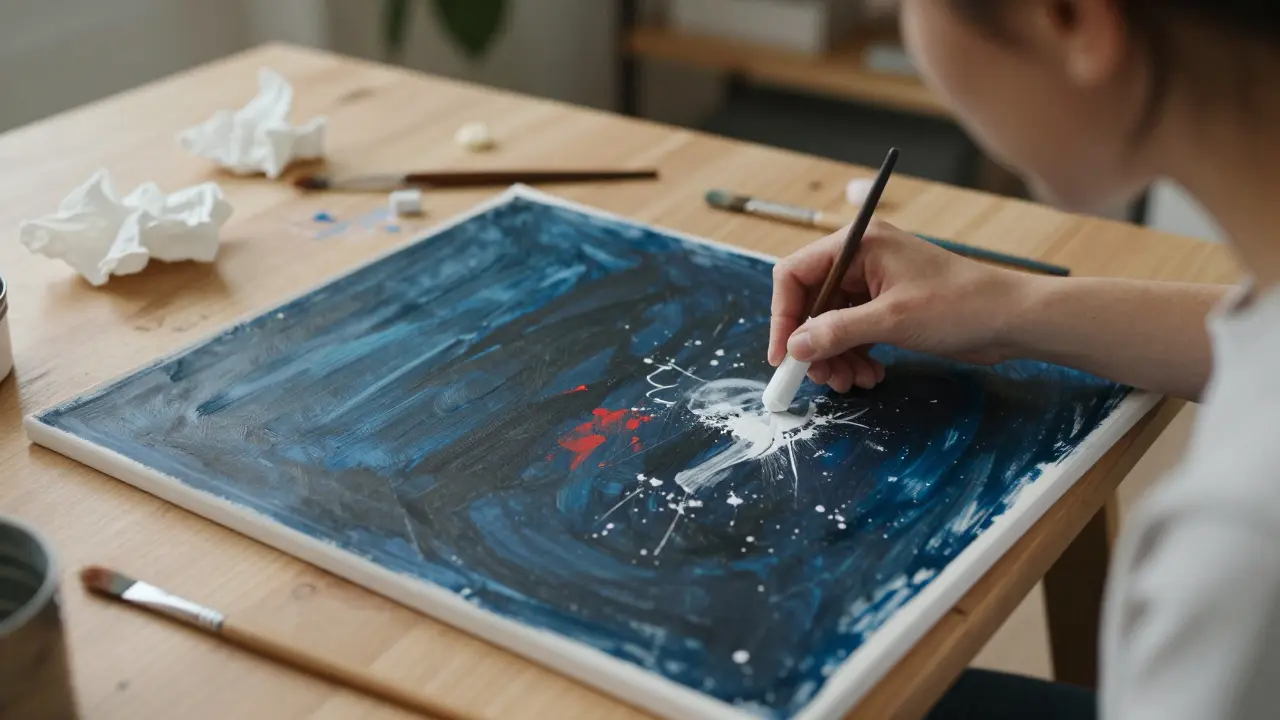
Art therapy isn’t about creating masterpieces. It’s about making marks that reflect inner states. A person struggling with grief might layer dark colors over and over, then suddenly scratch through them with white. A teenager with social anxiety might paint only eyes-watching, always watching. These aren’t random doodles. They’re symbols the unconscious mind uses to communicate.
A 2023 study in the Journal of the American Art Therapy Association found that adults with chronic depression showed measurable drops in cortisol levels after just eight weekly art therapy sessions. Their drawings changed, too. Early ones were tight, cramped, and colorless. Later ones opened up-more space, more color, more movement. The art didn’t just reflect change. It helped create it.
Art therapists don’t interpret your drawings. They ask questions: What does this shape feel like? Where did this color come from? The answers come from you-not the therapist. That’s the magic. You’re not being fixed. You’re being heard.
Music Therapy: Rhythm as Medicine
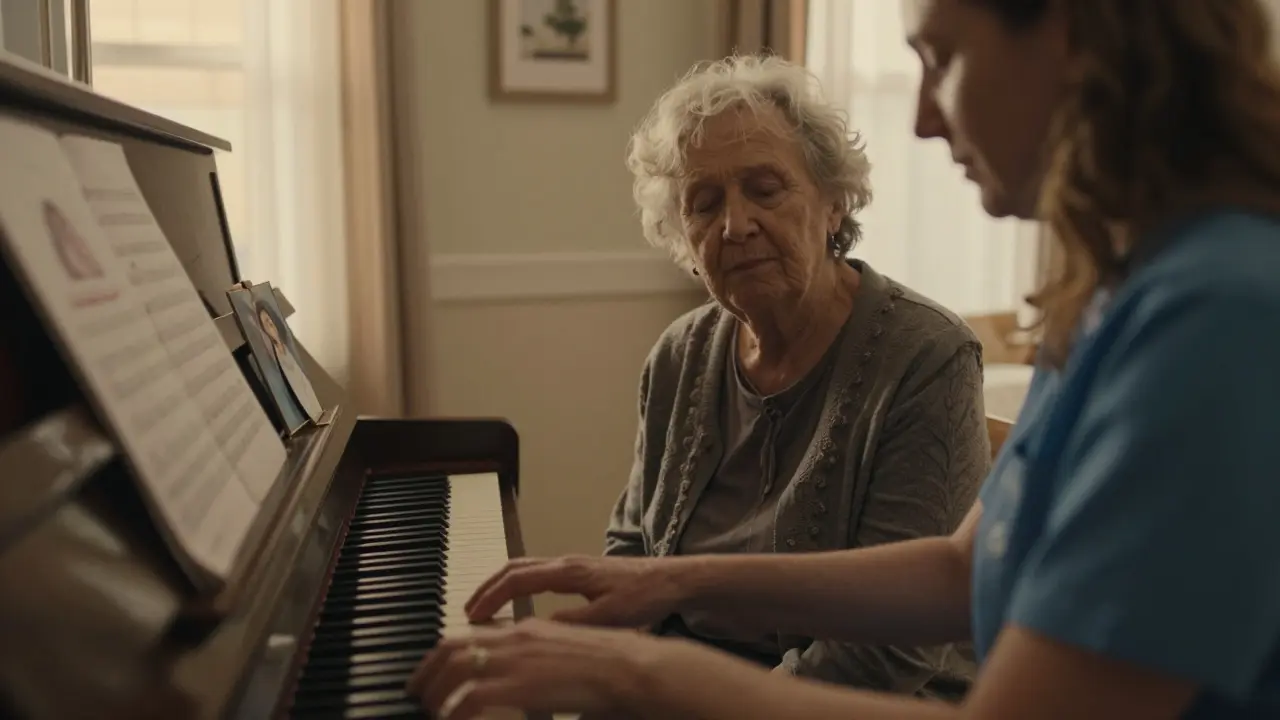
Music doesn’t just move your feet-it moves your nervous system. Music therapy uses live or recorded sound to regulate heart rate, lower blood pressure, and calm the fight-or-flight response. A person with autism might not speak, but they can match a drumbeat. Someone with dementia might not recognize their own child, but they’ll sing along to a song from their youth.
Certified music therapists don’t just play songs. They tailor everything: tempo, key, instrument, even volume. A child with ADHD might start with fast, rhythmic percussion to match their energy, then slowly shift to slower tones to help them settle. A veteran with PTSD might drum out anger, then shift to a soothing harp melody to find stillness.
One woman in Orlando, recovering from a car accident, couldn’t walk for months. Her music therapist played a simple melody on a piano. Each week, they added one more note. By the time she could stand, she could play the whole tune. She didn’t just regain movement-she regained control. Music gave her a path back to her own body.
Dance/Movement Therapy: Healing Through Motion
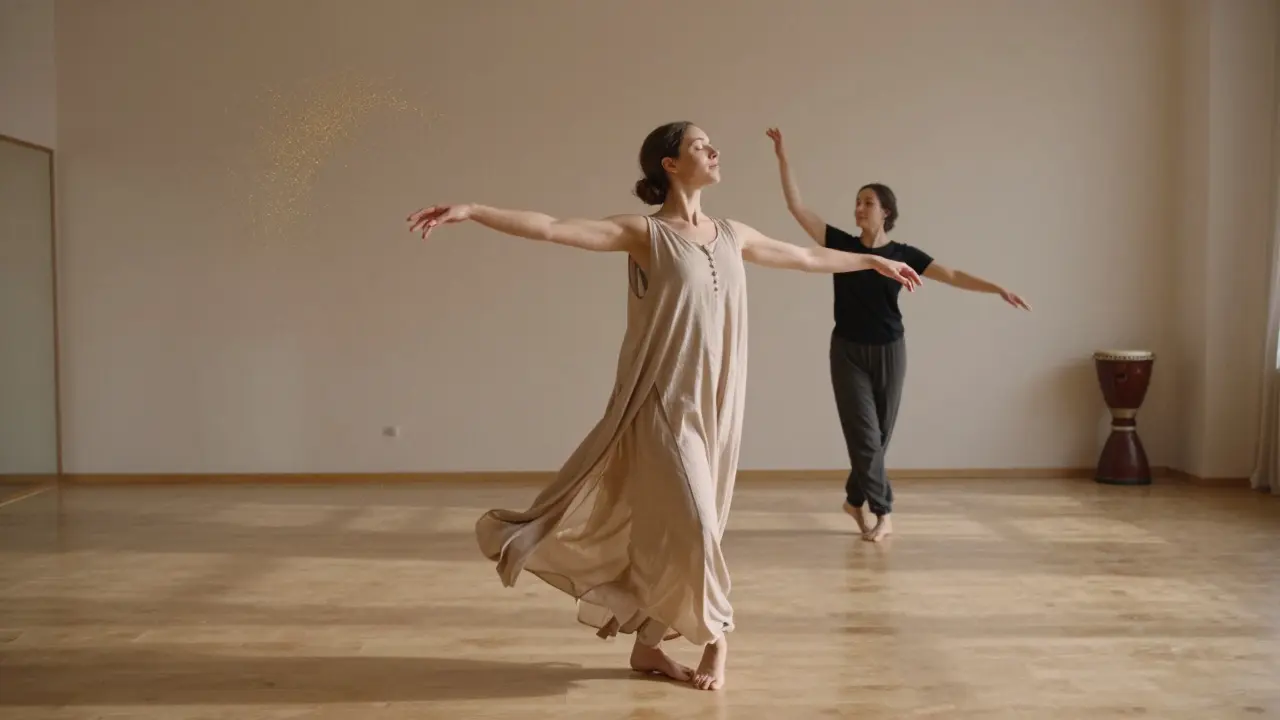
Dance therapy isn’t about learning steps. It’s about learning how your body holds pain. Trauma gets stored in the muscles. Shame hides in the shoulders. Grief settles in the chest. Dance/movement therapists watch how you move-not to judge, but to understand.
A woman who survived domestic violence couldn’t stand still. She’d flinch at sudden sounds. In her first session, she paced the room, arms crossed. The therapist didn’t ask her to dance. She just mirrored the woman’s pace, slowly, gently. After weeks, the woman began to sway. Then to stretch. Then to spin. One day, she told her therapist, “I felt my body for the first time in ten years.”
Research from the American Dance Therapy Association shows dance therapy reduces symptoms of PTSD, depression, and anxiety by up to 40% in 12 weeks. It’s not about being graceful. It’s about being present. Your body doesn’t lie. Movement therapy helps you listen to it.
Why These Therapies Break Traditional Barriers
Traditional talk therapy requires verbal skills, emotional awareness, and the courage to name pain. Many people can’t do that. Kids. Survivors of trauma. People with dementia. Those who grew up in cultures where emotions were silenced. For them, words are a wall, not a bridge.
Creative arts therapies bypass that wall. They don’t ask you to explain. They invite you to express. You can be angry and paint red. You can be lost and hum a tune. You can be numb and move slowly-and that’s okay.
These therapies also work across languages, ages, and cultures. A refugee from Syria might not speak English, but they can draw their home. A nonverbal autistic teen might not say “I’m scared,” but they can bang a drum until the fear leaves their chest.
And here’s the thing: you don’t need a diagnosis to benefit. You don’t need insurance. You don’t need to be “ready.” You just need to show up. That’s why these therapies are growing fast-in schools, hospitals, prisons, veteran centers, and even corporate wellness programs.
Who Can Benefit? Real Stories, Real Results
It’s not just about mental illness. Creative arts therapies help people in all walks of life:
- Children with autism: Use clay to build trust, paint to express emotions they can’t name.
- Older adults with dementia: Singing familiar songs triggers memories no medication can reach.
- People with chronic pain: Movement and music help rewire the brain’s pain signals.
- First responders: Drumming circles help release built-up stress after traumatic calls.
- People recovering from addiction: Writing poetry helps them reframe their story-from victim to survivor.
One man in Florida, recovering from opioid addiction, started writing songs in his therapy group. At first, the lyrics were dark-empty rooms, cold floors. By month six, they were about sunlight on his daughter’s hair, the smell of coffee in the morning. He didn’t quit drugs because someone told him to. He quit because he found a way to feel alive again.
Getting Started: What You Need to Know
You don’t need to be an artist, musician, or dancer. You just need to be curious. Here’s how to begin:
- Find a certified therapist. Look for credentials like ATR-BC (Art Therapy), MT-BC (Music Therapy), or ADTA (Dance Therapy). They’re trained in both therapy and the art form.
- Start small. Try a 30-minute session. No pressure to “do it right.”
- Ask what to expect. Sessions usually begin with a check-in, then move into the art form, then reflection.
- Check insurance. Many plans now cover creative arts therapies, especially for mental health conditions.
- Try community programs. Libraries, YMCAs, and nonprofits often offer low-cost or free sessions.
And if you can’t find a therapist? Start on your own. Scribble. Hum. Stretch. Dance in your kitchen. Let your body move without judgment. That’s not therapy-but it’s a step toward it.
The Bigger Picture: Why This Matters Now
We’re in a mental health crisis. Therapy waitlists are months long. Medications don’t work for everyone. Talk therapy feels impossible for too many. Creative arts therapies aren’t a replacement-they’re a lifeline.
They’re accessible. They’re nonjudgmental. They work where words fall short. And they’re growing. In 2025, the American Art Therapy Association reported a 68% increase in referrals from schools and hospitals since 2020. More insurance companies are covering them. More schools are adding them to their programs.
This isn’t a trend. It’s a return to something ancient: healing through expression. Long before doctors and drugs, humans sang, painted, and danced to heal. We’re rediscovering that wisdom-not as a replacement for science, but as its quiet, powerful partner.
Do I need to be artistic to benefit from creative arts therapies?
No. Creative arts therapies aren’t about talent or skill. They’re about expression. A therapist won’t judge your drawing, your dance, or your song. They’ll help you explore what it means. You don’t need to be good-you just need to be willing to try.
Are creative arts therapies backed by science?
Yes. Dozens of peer-reviewed studies show these therapies reduce anxiety, depression, PTSD symptoms, and chronic pain. Research from institutions like Johns Hopkins, the University of Florida, and the National Institutes of Health confirms their effectiveness. They’re now part of clinical guidelines in mental health care.
Can children benefit from these therapies?
Absolutely. Children often express emotions through play and art before they can speak about them. Art, music, and movement therapies are especially effective for kids with trauma, autism, ADHD, or grief. Many schools now include them as part of social-emotional learning programs.
How long does it take to see results?
Some people feel relief after one session. Others need 8-12 weeks. It depends on the issue, the person, and the therapy. The key isn’t speed-it’s consistency. Regular sessions help the brain and body build new patterns over time.
Can I do creative arts therapy at home?
You can start exploring on your own-painting, drumming, dancing-but it’s not the same as therapy. A trained therapist provides structure, safety, and insight you can’t get alone. Think of it like yoga: you can stretch at home, but a teacher helps you avoid injury and go deeper.
Where to Go From Here
If you’ve ever felt stuck, unheard, or too overwhelmed to talk-there’s another way. Creative arts therapies don’t ask you to fix yourself. They invite you to feel yourself. To move. To make. To sing. To be.
You don’t need permission. You don’t need a diagnosis. You just need to try one thing today. Pick up a crayon. Press play on a song that moves you. Let your body sway. You might be surprised what comes out when you stop trying to be okay-and start being real.