Quick Wins for Instant Calm
- The 4-7-8 Breath: Inhale for 4, hold for 7, exhale for 8.
- Digital Detox: Put your phone in another room for 30 minutes.
- Cold Water Shock: Splash ice-cold water on your face to reset your nervous system.
- Muscle Release: Tense your shoulders for 5 seconds, then drop them completely.
Understanding the Relaxation Response
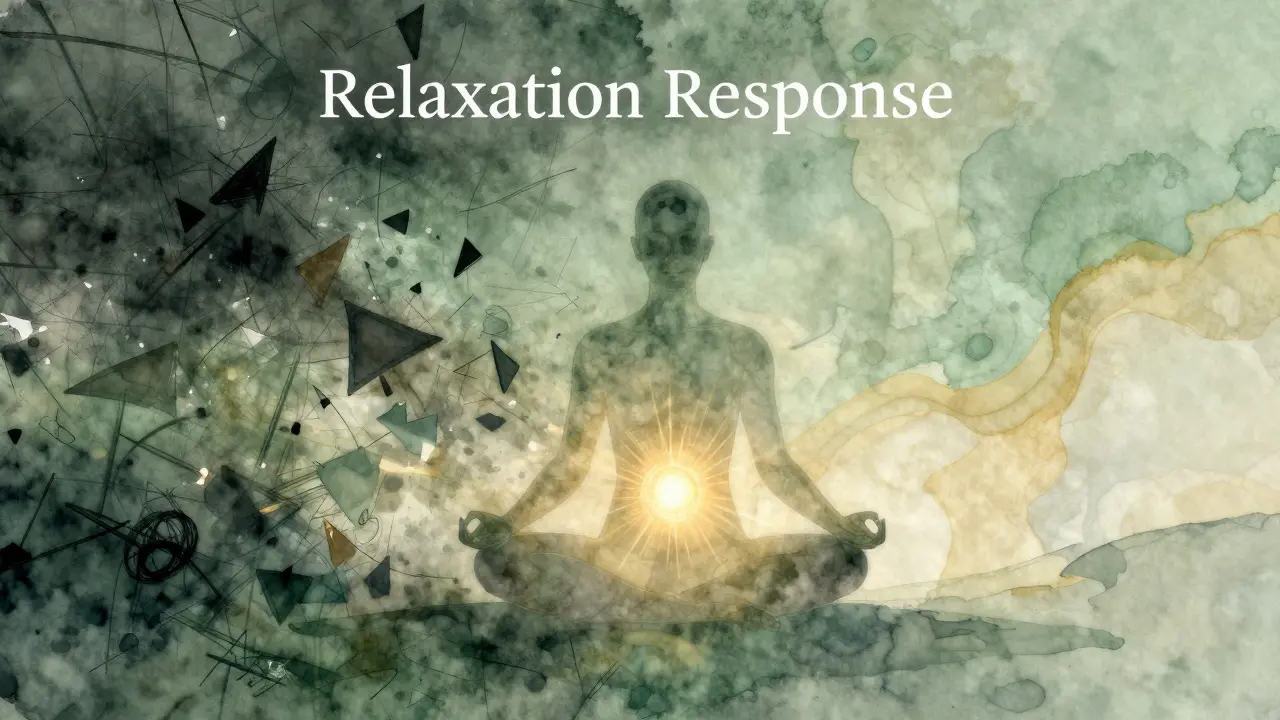
Ever wonder why a warm bath or a quiet walk actually works? It's because you're triggering the Relaxation Response is a physical state of deep rest that changes the physical and emotional responses to stress. This concept was pioneered by Dr. Herbert Benson at Harvard. When you engage this response, you're essentially telling your brain that the 'tiger' is gone and it's safe to stop pumping out stress hormones.
Unlike the fight-or-flight response, which kicks in automatically, the relaxation response requires a conscious trigger. This is where specific relaxation techniques come into play. By using a physical anchor-like your breath or a specific muscle movement-you signal the Parasympathetic Nervous System to take over. This system slows your heart rate, lowers blood pressure, and redirects energy toward digestion and cellular repair. If you're constantly stressed, your body forgets how to enter this state. The goal isn't to eliminate stress entirely (that's impossible), but to widen the gap between the stressor and your reaction.
Mastering Deep Breathing and Breathwork
Breathing is the only function of the autonomic nervous system that we can consciously control. This makes it the fastest way to hack your brain. Most of us are 'chest breathers,' taking shallow sips of air that actually tell the brain we are in danger. To flip the switch, you need to engage the diaphragm.
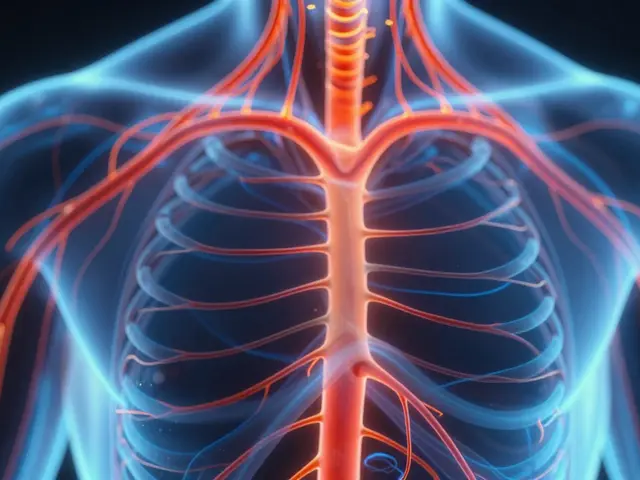
Try Diaphragmatic Breathing, often called belly breathing. Lie flat on your back and place one hand on your chest and the other on your belly. As you inhale, the hand on your belly should rise, while the one on your chest stays relatively still. This maximizes oxygen exchange and stimulates the vagus nerve, which is the main highway of the parasympathetic system.
For those who find stillness difficult, Box Breathing is a great alternative. It's used by Navy SEALs to stay calm under extreme pressure. You inhale for four seconds, hold for four, exhale for four, and hold empty for four. It's a rhythmic, predictable pattern that gives the mind a job to do while the body relaxes. If you do this for just three minutes during a hectic workday, you'll notice your heart rate drop and your mental clarity return.
The Physical Release: Progressive Muscle Relaxation
Stress doesn't just live in your head; it hides in your jaw, your neck, and your lower back. Many people don't even realize they are clenching their teeth until they consciously try to relax. This is where Progressive Muscle Relaxation (PMR) becomes a game changer. PMR is a technique involving the systematic tensing and then releasing of different muscle groups in the body.
The logic is simple: it's easier to feel the sensation of relaxation if you've first experienced extreme tension. Start with your toes. Curl them tightly for five seconds, then let them go instantly. Feel the blood flow back into the area. Move to your calves, then thighs, glutes, stomach, and finally your face.
By the time you reach your forehead, you've effectively 'scanned' your entire body and released the accumulated tension. This is especially powerful right before bed. If you struggle with insomnia, PMR can trick your brain into a sleep-ready state by physically removing the rigidity that keeps you awake. It's like hitting a reset button on your physical frame.
Cultivating a Calm Mind with Mindfulness
If breathing is the physical anchor, Mindfulness is the mental anchor. Many people think mindfulness is about clearing the mind of all thoughts, but that's a myth. Your brain is designed to think. Mindfulness is simply the act of observing those thoughts without getting swept away by them.
Instead of fighting a stressful thought-like 'I'm going to fail this presentation'-you acknowledge it as an object. You say, 'I am having a thought that I might fail.' This subtle shift in language creates a distance between you and the emotion. You are no longer the stress; you are the observer of the stress.
A practical way to apply this is the 5-4-3-2-1 grounding technique. When you feel a panic attack or a wave of anxiety coming on, stop and name: 5 things you can see, 4 things you can touch, 3 things you can hear, 2 things you can smell, and 1 thing you can taste. This forces your brain to reconnect with the physical environment and pulls you out of the 'mental loop' of worry.
The Role of Environment and Sensory Triggers
Your brain associates certain environments with specific states of being. If you work, eat, and scroll through social media all in the same chair, your brain doesn't know whether it should be productive or resting. Creating a 'sacred space' for relaxation can drastically reduce the time it takes to actually calm down.
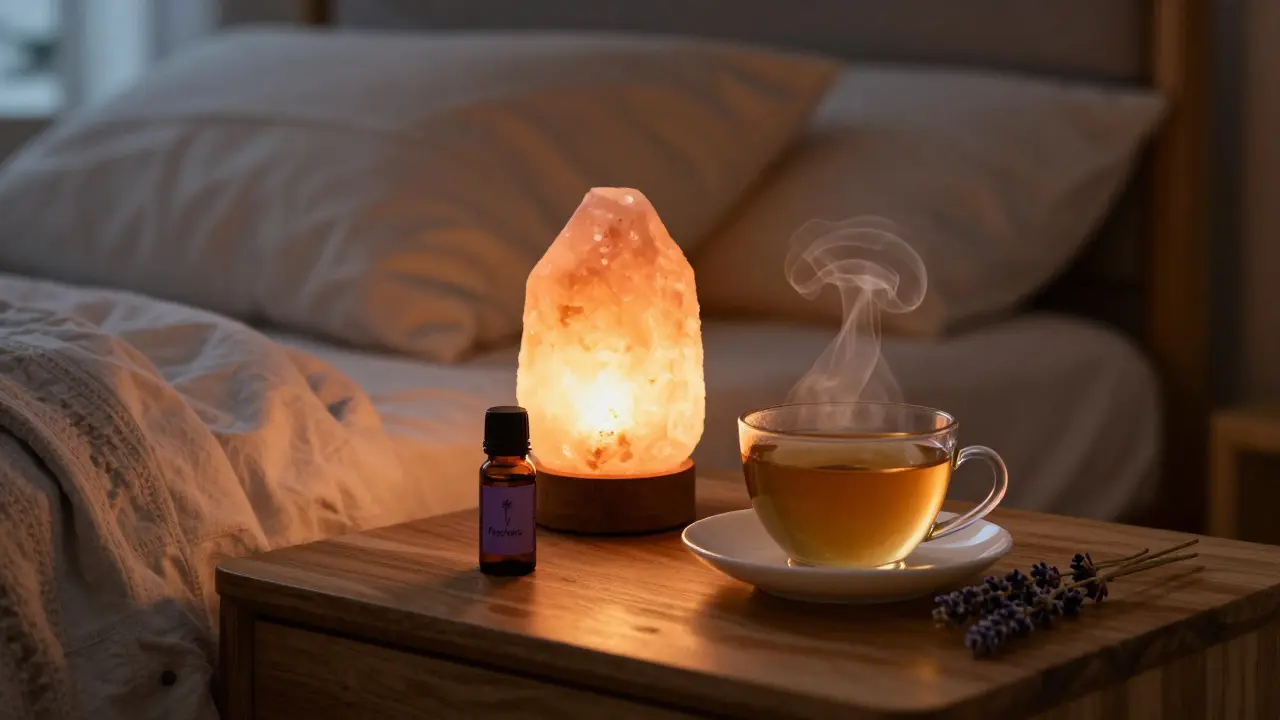
Integrating Aromatherapy can accelerate this process. Scents like lavender or bergamot aren't just 'nice smells'; they interact with the limbic system, the part of the brain that manages emotions. If you only use a specific calming scent when you are relaxing, your brain will eventually associate that smell with safety. Over time, just smelling that scent can trigger the relaxation response before you even start breathing exercises.
Lighting also plays a massive role. The blue light from screens suppresses melatonin and keeps the brain in an active state. Switching to warm, amber tones in the evening tells your internal clock that the day is over. Combine this with a low-stimulation environment-no loud TVs or bright overhead lights-and you've created a physical vacuum where stress cannot survive.
Comparing Different Relaxation Approaches
Not every technique works for every person. Some people find sitting still agonizing, while others find complex breathing patterns confusing. The key is matching the tool to your current state of stress.
| Technique | Best For... | Time Required | Effort Level |
|---|---|---|---|
| Deep Breathing | Acute anxiety, mid-meeting stress | 1-3 Minutes | Low |
| PMR | Physical tension, Insomnia | 10-20 Minutes | Medium |
| Mindfulness | Chronic worry, Emotional reactivity | Daily Practice | High (Long-term) |
| Aromatherapy | Creating a mood, Wind-down routines | Passive | Very Low |
| Box Breathing | Performance anxiety, High-pressure tasks | 2-5 Minutes | Medium |
Building a Sustainable Relaxation Routine
The biggest mistake people make is waiting until they are at a breaking point to try these techniques. If you only use a fire extinguisher when the house is already burning, you're fighting a losing battle. The goal is to build a 'baseline' of calm.
Start with 'Micro-Breaks.' Set a timer for every 90 minutes of work. Spend just 60 seconds doing a deep belly breath and dropping your shoulders. This prevents stress from compounding throughout the day. Instead of one giant collapse on Friday night, you're releasing the pressure valve every few hours.
Additionally, consider a 'wind-down sequence' for your evening. This could be 10 minutes of PMR followed by a warm shower and a few minutes of mindfulness. By creating a predictable sequence, you train your nervous system to shut down on command. This isn't about luxury or 'pampering'; it's about biological maintenance. Your brain needs the downtime to process the day's information and clear out metabolic waste. Without it, you aren't just stressed-you're cognitively impaired.