
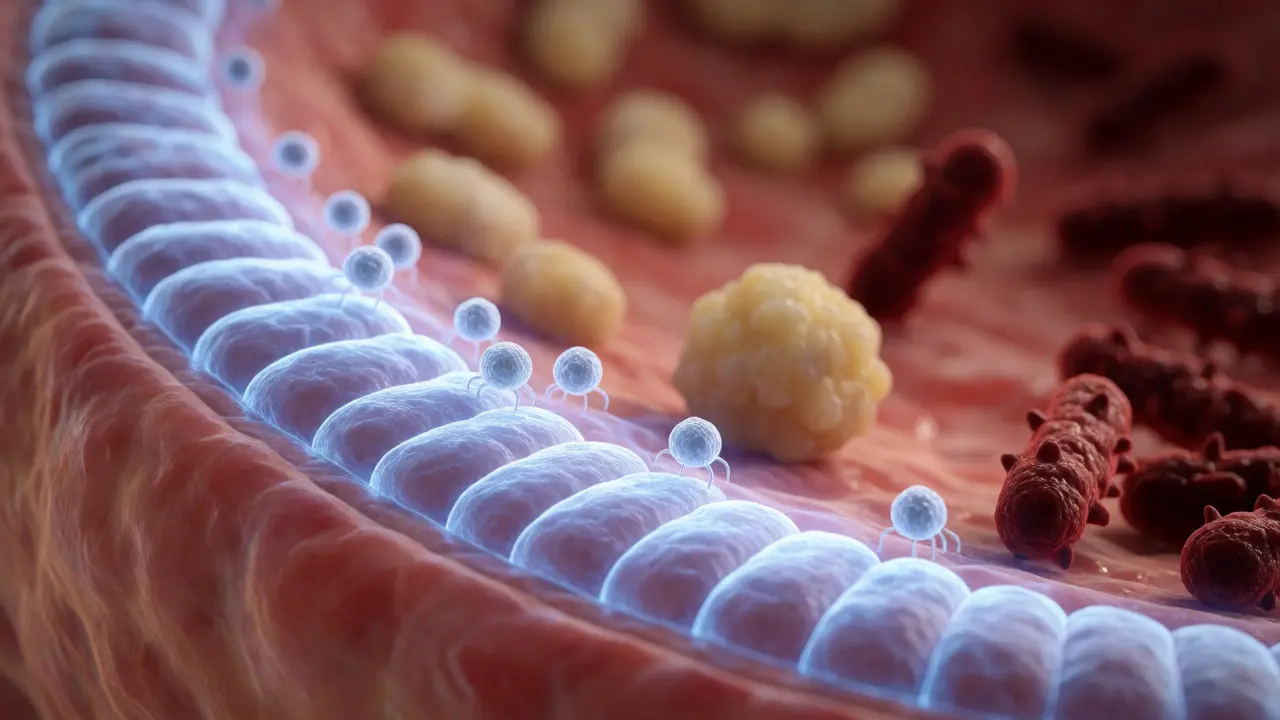
Did you know that about 70% of your immune system lives in your gut? It sounds wild, but it is true. Your stomach isn't just a blender for food; it's the command center for your body's defense against viruses, bacteria, and other invaders. If your gut is inflamed or out of balance, your immunity takes a hit. You might feel tired more often, catch colds easily, or struggle with digestion issues that never seem to go away.
Taking care of your gut health is one of the most effective ways to boost your immune system. It’s not about popping expensive supplements blindly. It’s about feeding the trillions of good bacteria living inside you so they can do their job. Let’s break down exactly how this connection works and what you can actually do to support it.
The Gut-Immune Connection Explained
Your digestive tract is lined with a single layer of cells called the intestinal barrier. Think of this barrier as a security gate. When it’s healthy, it lets nutrients pass through while keeping harmful toxins and pathogens out. This barrier interacts directly with your immune cells, specifically a network known as GALT (Gut-Associated Lymphoid Tissue), which is the largest collection of immune cells in the human body.
When your gut lining gets leaky-a condition often referred to as "leaky gut"-bacteria and undigested food particles slip into your bloodstream. Your immune system sees these intruders and launches an attack. This creates chronic inflammation. Instead of fighting off a new virus, your immune system is busy dealing with internal chaos. By strengthening your gut barrier, you free up your immune resources to handle external threats more effectively.
Meet Your Microbiome: The Hidden Ally
The community of microorganisms living in your intestines is called the Microbiome. It consists of trillions of bacteria, fungi, and viruses that help digest food, produce vitamins, and regulate immunity. A diverse microbiome is a strong microbiome. Diversity means you have many different types of good bacteria working together. If you only eat processed sugar and white bread, you starve the good bacteria and feed the bad ones.
These beneficial bacteria communicate with your immune system by producing short-chain fatty acids (SCFAs). SCFAs are powerful anti-inflammatory compounds. They tell your immune cells to calm down when there’s no threat and to activate quickly when there is one. Without enough SCFAs, your immune response becomes sluggish or overly aggressive, leading to allergies or autoimmune issues.
Foods That Fuel Immunity Through the Gut
You don’t need a complicated diet plan. Focus on adding specific foods that nourish your microbiome. These fall into two main categories: prebiotics and probiotics.
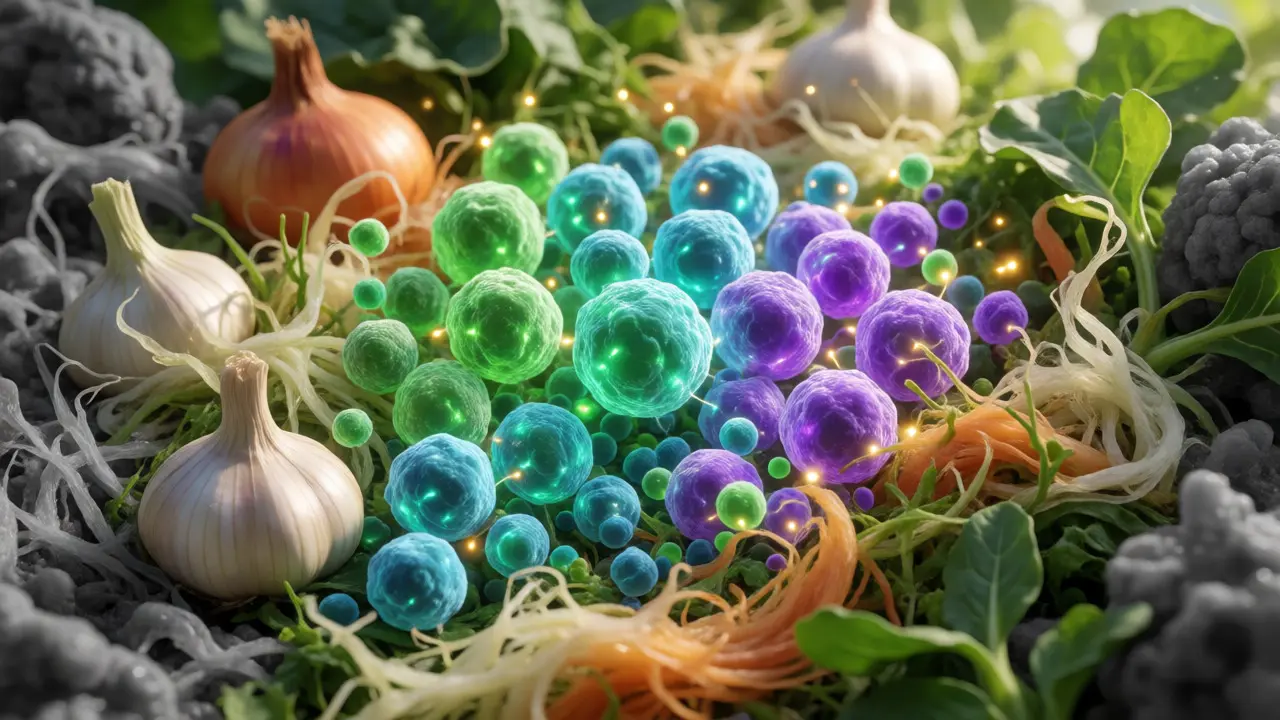
Prebiotics are non-digestible fibers that feed the good bacteria already in your gut. Think of them as fertilizer for your internal garden. Common sources include garlic, onions, leeks, asparagus, bananas, and oats. Eating these regularly helps increase the population of beneficial strains like Bifidobacteria.
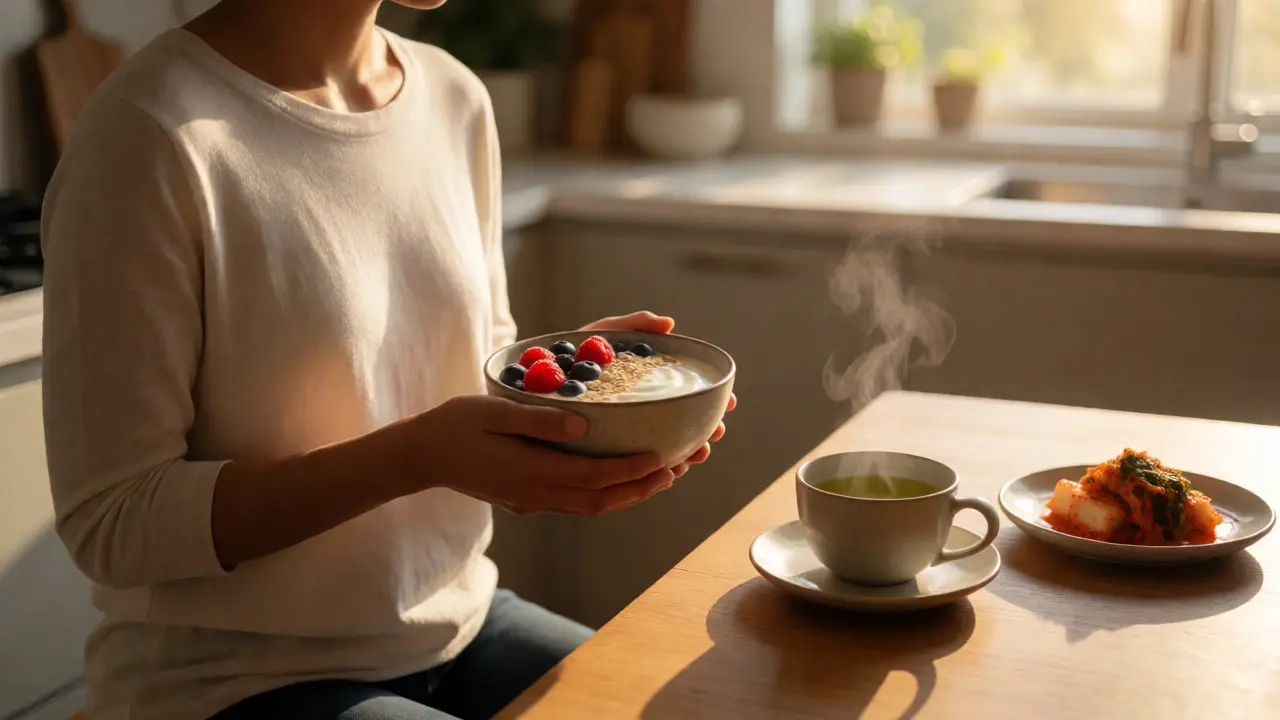
Probiotics are live beneficial bacteria found in fermented foods. Adding these introduces new helpful microbes to your system. Look for yogurt with live cultures, kefir, sauerkraut, kimchi, miso, and kombucha. Note that pasteurized versions of these foods often lose their live cultures, so check labels for "raw" or "live active cultures."
| Food Type | Primary Function | Best Sources | Impact on Immunity |
|---|---|---|---|
| Prebiotic Fibers | Feeds existing good bacteria | Garlic, Onions, Bananas, Oats | Increases SCFA production, reduces inflammation |
| Fermented Foods | Adds new beneficial bacteria | Yogurt, Kimchi, Sauerkraut, Kefir | Directly boosts microbial diversity |
| Polyphenol-Rich Plants | Antioxidant support for gut lining | Berries, Green Tea, Dark Chocolate | Protects gut barrier from oxidative stress |
Lifestyle Habits That Protect Your Gut Barrier
Diet is huge, but it’s not the only factor. Stress, sleep, and movement all change your gut environment. Chronic stress releases cortisol, which can weaken the intestinal barrier and alter the composition of your microbiome. Have you ever felt sick after a particularly stressful week? That’s likely your gut-brain axis talking.
Sleep quality matters too. Your microbiome has its own circadian rhythm. When you disrupt your sleep schedule, you confuse your gut bacteria, which can lead to poor digestion and lower immunity. Aim for 7-9 hours of consistent sleep. Even small changes, like going to bed at the same time each night, can help stabilize your gut health.
Exercise also plays a role. Moderate physical activity increases the diversity of gut bacteria. However, overtraining without proper recovery can cause inflammation in the gut. Find a balance that keeps you moving without exhausting your body.
Avoiding Gut Disruptors
Just as some foods help, others hurt. Artificial sweeteners like sucralose and aspartame have been shown in studies to negatively alter gut bacteria profiles. Excessive alcohol consumption damages the gut lining and allows toxins to leak into the bloodstream. Antibiotics are necessary sometimes, but they wipe out both bad and good bacteria. If you take antibiotics, consider eating extra probiotic-rich foods afterward to help repopulate your system.
Also, watch out for ultra-processed foods. They are often low in fiber and high in additives that can irritate the gut lining. Reducing these doesn’t mean you can never enjoy a cookie again, but making them a daily habit can slowly erode your immune defenses.
Signs Your Gut Needs Attention
How do you know if your gut is struggling? Look for these common signs:
- Frequent bloating or gas after meals
- Irregular bowel movements (constipation or diarrhea)
- Unexplained fatigue or brain fog
- Getting sick frequently with colds or flu
- Skin issues like acne or eczema
- Food intolerances that suddenly appear
If you notice several of these, start by adjusting your diet and stress levels before jumping to supplements. Give your body a few weeks to respond. Changes in gut health aren’t instant, but they are noticeable over time.
Practical Steps to Start Today
You don’t need to overhaul your life overnight. Pick one or two habits to focus on first. Here is a simple checklist to get started:
- Add one serving of fermented food to your lunch or dinner daily.
- Include a source of prebiotic fiber (like an apple or onion) in every meal.
- Reduce added sugar intake to below 25 grams per day.
- Practice deep breathing for 5 minutes to lower stress levels.
- Prioritize a consistent bedtime routine to improve sleep quality.
Consistency beats intensity here. Small, daily actions compound over months to create a resilient immune system supported by a thriving gut.
Can I fix my gut health with probiotics alone?
Not usually. Probiotics add good bacteria, but they need food (prebiotics) to survive and thrive. Without a diet rich in fiber and plant-based foods, the benefits of probiotic supplements may be temporary or minimal. Diet is the foundation; supplements are just support.
How long does it take to see improvements in immunity?
Most people notice digestive changes within 1-2 weeks. Significant shifts in energy levels and reduced frequency of illness typically take 4-8 weeks of consistent dietary and lifestyle changes. Patience is key because rebuilding a microbiome is a gradual process.
Does stress really affect my gut health?
Yes, significantly. The gut and brain are connected via the vagus nerve. High stress levels release cortisol, which can increase gut permeability (leaky gut) and reduce the diversity of beneficial bacteria. Managing stress is just as important as managing your diet for gut health.
Are all fermented foods good for everyone?
Most people benefit, but those with histamine intolerance or SIBO (Small Intestinal Bacterial Overgrowth) might experience discomfort from fermented foods. If you feel bloated or get headaches after eating kimchi or sauerkraut, introduce them slowly or consult a healthcare provider.
What is the biggest mistake people make with gut health?
Thinking it’s a quick fix. People often buy a bottle of probiotics, take them for a week, and expect miracles. Gut health requires long-term lifestyle changes, including diet, sleep, and stress management. Quick fixes rarely provide lasting immune benefits.




Dec 11 2025