
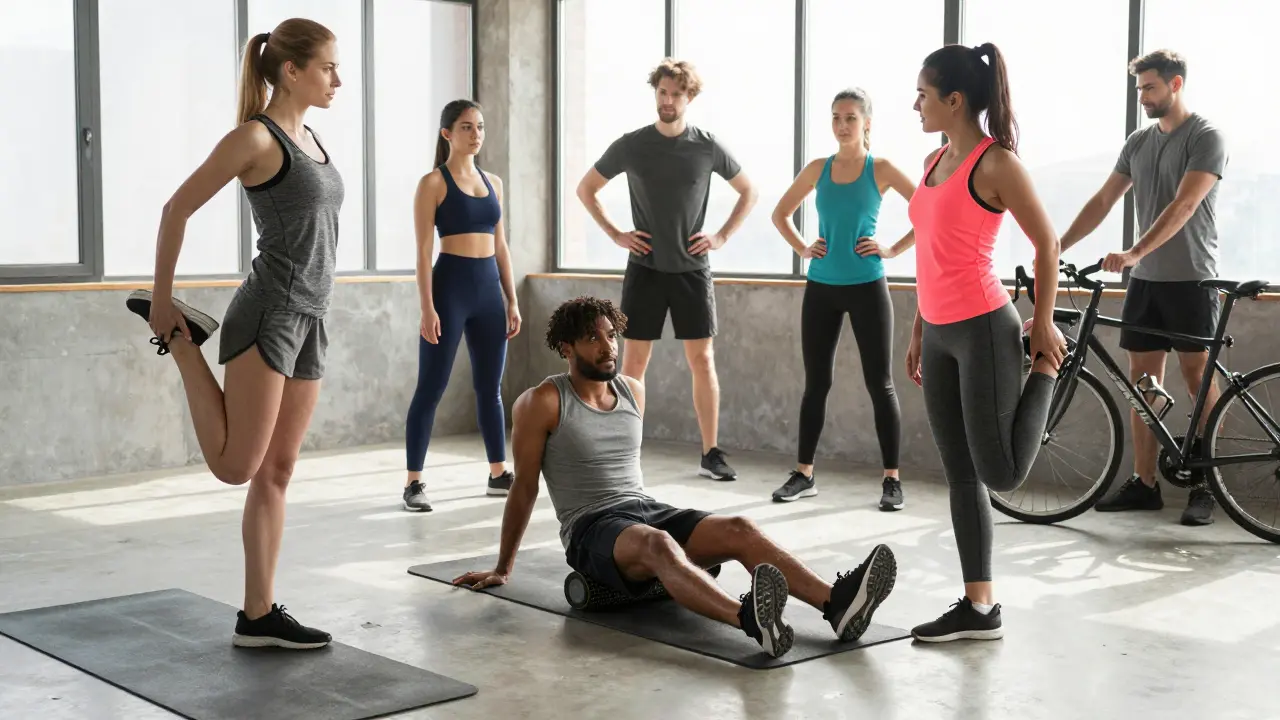
Ever felt like your muscles are tight even after a good stretch? Or maybe you’ve noticed your recovery time after a run or game is getting longer? You’re not alone. Thousands of athletes, weekend warriors, and fitness enthusiasts turn to sports massage not because it’s trendy, but because it actually works.
What Exactly Is Sports Massage?
Sports massage isn’t just a deep tissue massage with a gym bag beside it. It’s a targeted form of bodywork designed specifically for people who move a lot - whether you’re training for a marathon, lifting weights three times a week, or playing weekend soccer. Unlike relaxation massages that focus on calming the nervous system, sports massage is about performance, recovery, and injury prevention.
It uses techniques like deep tissue work, myofascial release, trigger point therapy, and stretching. These aren’t random moves - they’re chosen based on what your body needs at that moment. A pre-event massage might be lighter and more stimulating to wake up your muscles. A post-event session? Slower, deeper, and focused on flushing out lactic acid and reducing swelling.
It’s not magic. But it’s science-backed. A 2022 study in the Journal of Athletic Training found that athletes who received regular sports massage reported 30% less muscle soreness and improved range of motion within 48 hours after intense training.
Who Can Benefit From Sports Massage?
You don’t need to be an elite athlete to get value from sports massage. In fact, most clients are regular people with active lifestyles:
- Runners dealing with tight calves or IT band pain
- Weightlifters with stiff shoulders or lower back tension
- Cyclists with hip flexor tightness
- Parents who play tag with their kids and wake up stiff
- Office workers who hit the gym after work and wonder why they’re always sore
Even if you’ve never thought of yourself as an athlete, if you move your body regularly - and feel the consequences - sports massage can help.
How Does It Actually Help Your Body?
Here’s the real breakdown of what happens when you lie on the table:
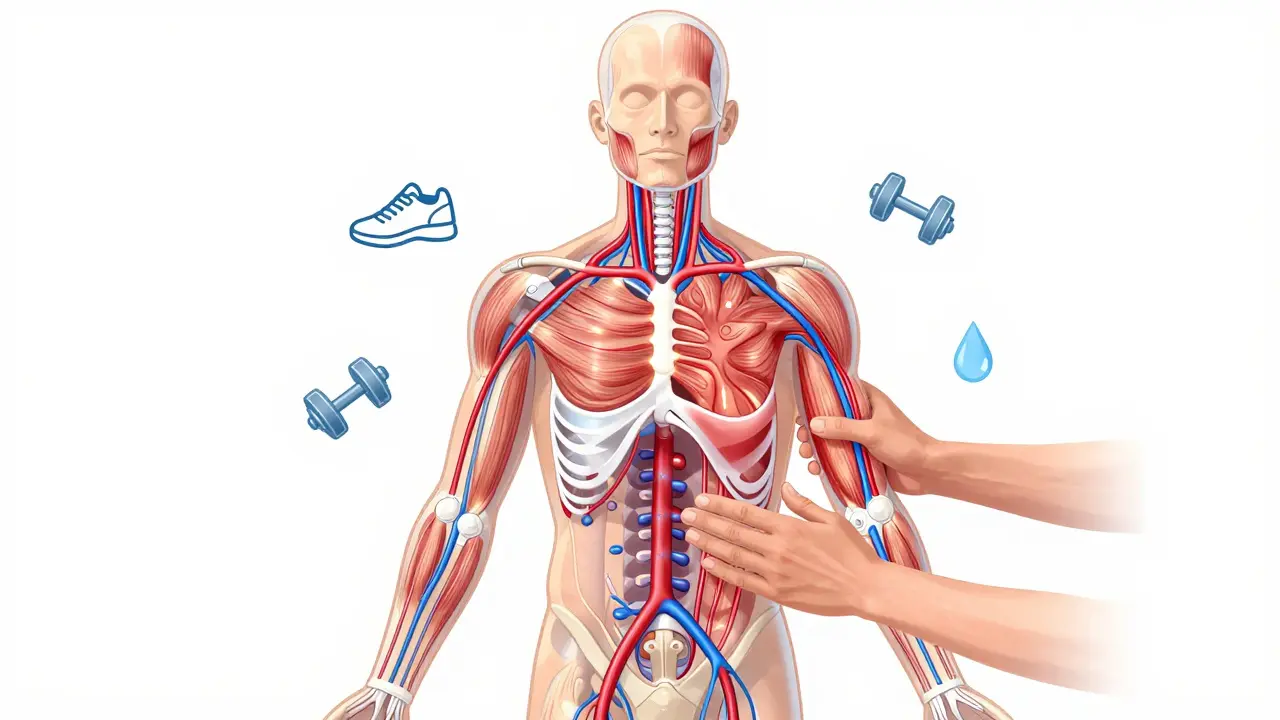
- Increases blood flow: More oxygen and nutrients reach your muscles, helping them repair faster.
- Reduces muscle tension: Chronic tightness? That’s often caused by adhesions - little knots in the connective tissue. Massage breaks them up.
- Speeds up recovery: After hard training, your muscles accumulate metabolic waste. Massage helps move that out, so you don’t feel like you’ve been hit by a truck the next day.
- Improves flexibility: Regular sessions can increase your joint range of motion without stretching alone.
- Prevents injuries: Tight muscles pull on joints. When you fix the tightness, you reduce strain on your knees, shoulders, and spine.
Think of it like tuning a car. You wouldn’t wait until the engine is smoking to get it serviced. Sports massage keeps your body running smoothly between workouts.
Pre-Event vs. Post-Event Massage: What’s the Difference?
Timing matters. A massage before a race or game isn’t the same as one after.
Pre-event massage (1-2 hours before activity):
- Light to medium pressure
- Focus on warming up major muscle groups
- Stimulates circulation, not deep relaxation
- Typically lasts 15-20 minutes
- Goal: Increase alertness, reduce nervous tension, prepare muscles for action
Post-event massage (within 2-4 hours after activity):
- Deeper pressure, slower strokes
- Targets areas that were worked hardest
- Focuses on reducing inflammation and flushing out lactic acid
- Can last 30-60 minutes
- Goal: Speed recovery, reduce soreness, prevent stiffness
One runner in Adelaide told me she started doing a 20-minute post-run massage twice a week. Within three weeks, her 5K times dropped by 45 seconds - not because she trained harder, but because she recovered better.
What to Expect During Your First Session
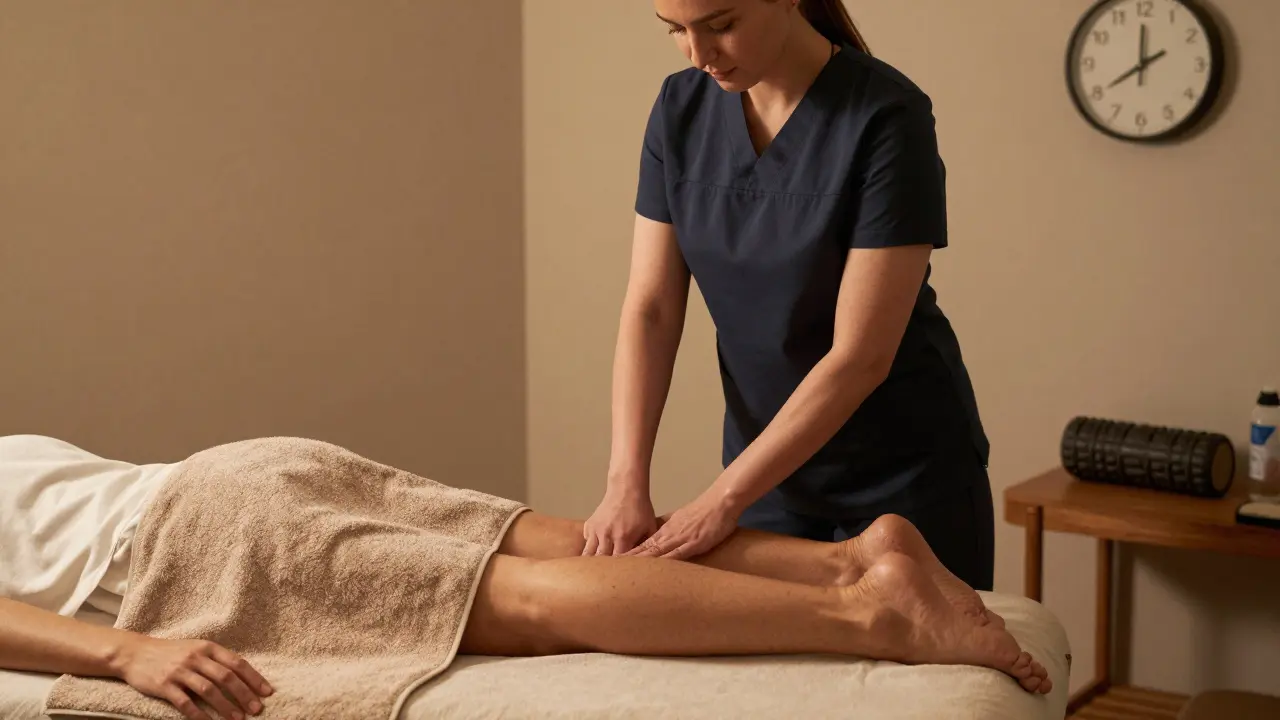
If you’ve never had a sports massage, here’s what actually happens:
- You’ll fill out a quick form: training habits, injuries, areas of pain.
- The therapist will ask what you’re training for - even if it’s just a weekend hike.
- You’ll undress to your comfort level (usually underwear or shorts). You’re covered with a sheet the whole time.
- The therapist starts with light strokes to assess muscle tension - they’re reading your body like a map.
- Then they’ll work on problem areas - it might feel intense, but it shouldn’t hurt. If it does, speak up.
- You’ll get stretches or breathing cues during the session.
- Afterward, you’ll be given simple tips: drink water, avoid heavy lifting for 24 hours, maybe do a foam roller move.
Most people feel a bit sore the next day - like a good workout. That’s normal. It means your muscles are responding.
How Often Should You Get One?
There’s no one-size-fits-all answer, but here’s a simple guide:
- Beginners: Once every 3-4 weeks to start. Just to see how your body reacts.
- Regular exercisers (3-5 times a week): Once every 2 weeks.
- Training for an event: Weekly for 4-6 weeks leading up to it, then a session right after.
- Recovering from injury: 1-2 times a week until symptoms improve, then taper off.
Some people swear by monthly maintenance. Others only go when they’re in pain. The sweet spot? Consistency over intensity. One session every two weeks for three months will do more than six sessions in one month and then nothing for six months.
What to Look for in a Sports Massage Therapist
Not every massage therapist is trained for sports. Look for these signs:
- They ask about your training routine - not just where you’re sore.
- They know anatomy - they can name muscles and explain why they’re tight.
- They don’t just push hard. They adjust pressure based on your feedback.
- They give you homework - stretches, foam rolling, hydration tips.
- They’re certified in sports massage (look for credentials like ASMB, NCTMB, or equivalent).
Avoid anyone who promises to “fix you in one session.” Sports massage is about long-term care, not quick fixes.
What You Can Do at Home
You don’t need to spend $100 every two weeks to feel the benefits. Here are three simple things you can do at home:
- Use a foam roller: Roll out your quads, hamstrings, and calves for 5 minutes after a workout. It’s not glamorous, but it works.
- Dynamic stretching: Before activity, move your joints through motion - leg swings, arm circles, walking lunges. Don’t hold stretches cold.
- Hydrate well: Muscles need water to glide smoothly. If you’re dehydrated, even the best massage won’t help as much.
One woman I spoke to started using a foam roller every night after her evening walk. Within a month, her chronic knee pain disappeared. She didn’t change her routine - she just started caring for her muscles after.
When to Skip Sports Massage
It’s not for everyone. Avoid it if you have:
- Open wounds, burns, or recent bruises
- Deep vein thrombosis (blood clots)
- Severe osteoporosis
- High fever or acute illness
- Recent surgery (wait at least 6-8 weeks unless cleared by your doctor)
If you’re unsure, talk to your doctor first. Better safe than sorry.
Final Thought: It’s Not a Luxury - It’s Maintenance
Sports massage isn’t something only pro athletes do. It’s like oil changes for your body. You wouldn’t skip changing your car’s oil because you “don’t have time.” Your muscles need the same care.
Start small. Try one session. Pay attention to how you feel the next day. If you move better, recover faster, or just feel lighter - you’ll know why so many people keep coming back.
Is sports massage painful?
It shouldn’t be. Some pressure might feel intense, especially on tight areas, but it shouldn’t cause sharp or shooting pain. A good therapist will check in with you and adjust. If it hurts too much, speak up - you’re in control.
Can sports massage help with chronic pain?
Yes, for many types of muscle-related chronic pain - like tight hamstrings from sitting all day, or shoulder stiffness from lifting weights. It won’t fix a herniated disc or arthritis, but it can reduce the muscle tension that makes those conditions worse.
How long does a session last?
Most sessions are 30 to 60 minutes. For beginners, 30 minutes is enough to target 2-3 key areas. If you’re training hard or recovering from an injury, 60 minutes gives the therapist time to work deeper and more thoroughly.
Do I need to be athletic to get a sports massage?
No. Sports massage is for anyone who moves regularly - whether you’re running marathons or just walking your dog every day. It’s about the demands on your body, not your performance level.
Can I get a sports massage if I’m pregnant?
Yes - but only with a therapist trained in prenatal sports massage. Standard sports massage techniques can be too intense during pregnancy. Look for someone who specifically works with expectant mothers and understands pelvic alignment and circulation changes.
How soon will I feel results?
Some people feel looser and less sore within hours. Others notice changes after 2-3 sessions. The biggest improvements come with consistency - not one-off sessions. Think of it like brushing your teeth: one time won’t prevent cavities, but daily care makes a difference.



Dec 21 2024