Stop Chasing Fad Diets
Ever noticed how every few months a new "miracle" diet takes over your social media feed? One week it's all cabbage soup, the next it's a strict regime of eating only fats. The truth is, your body doesn't need a restrictive 30-day challenge to function; it needs consistent, high-quality fuel. A healthy diet is a sustainable pattern of eating that provides all the essential nutrients required to maintain bodily functions and reduce the risk of chronic disease. It's not about deprivation, but about adding things that actually make you feel alive.
Key Takeaways for a Better Plate
- Focus on whole, unprocessed foods over packaged ones.
- Balance your plate with a mix of protein, healthy fats, and complex carbs.
- Hydration is as important as the food you eat.
- Consistency beats perfection every single time.
The Building Blocks of Your Plate
To get this right, we need to look at Macronutrients. These are the nutrients your body needs in large amounts: proteins, carbohydrates, and fats. If you cut one out entirely, you're essentially trying to run a car on two out of three cylinders. It might move, but it's going to shake and eventually stall.
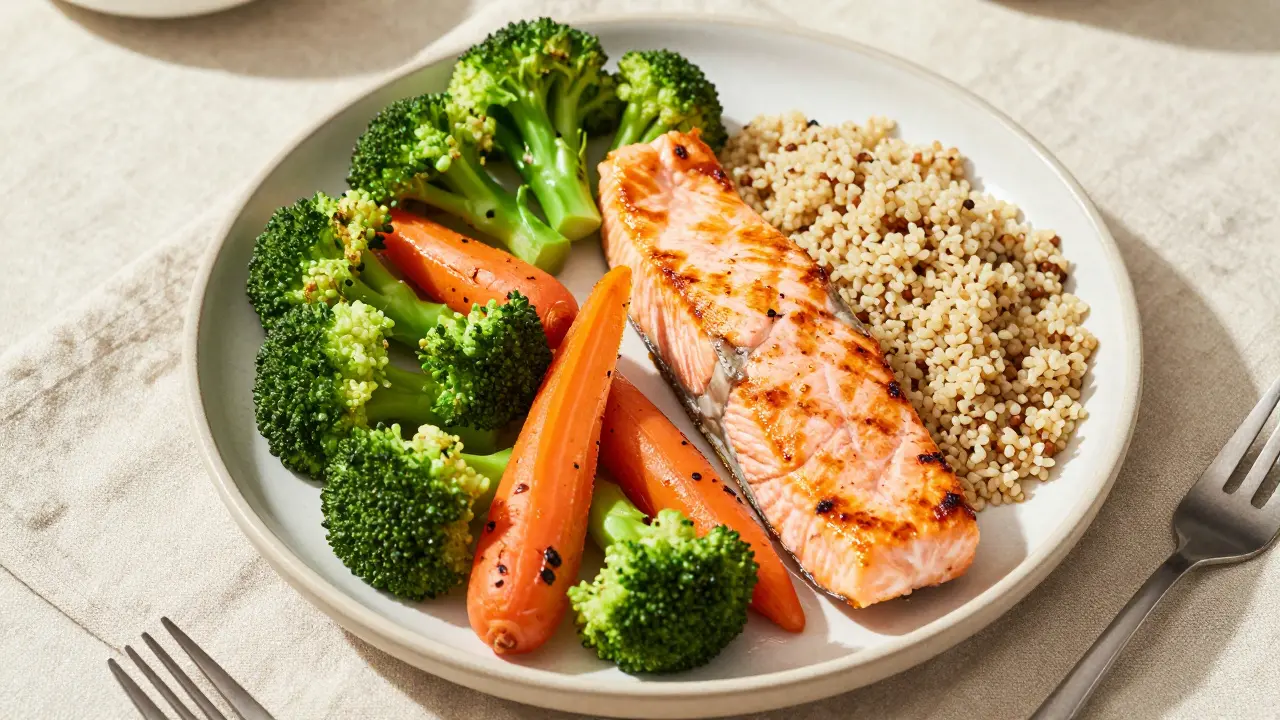
First, let's talk about Proteins. Think of these as the building blocks. They repair your muscles after a workout and keep your hormones in check. Instead of just relying on chicken breast, try incorporating legumes, Greek yogurt, or wild-caught salmon. For example, replacing one beef meal a week with lentils can significantly lower your saturated fat intake while boosting your fiber.
Then we have Carbohydrates. Most people fear carbs, but your brain literally runs on glucose. The trick is choosing complex carbs over simple ones. A piece of white bread spikes your blood sugar and leaves you crashing by 2 PM. On the other hand, Quinoa or sweet potatoes release energy slowly. This keeps your focus sharp and prevents those mid-afternoon sugar cravings.
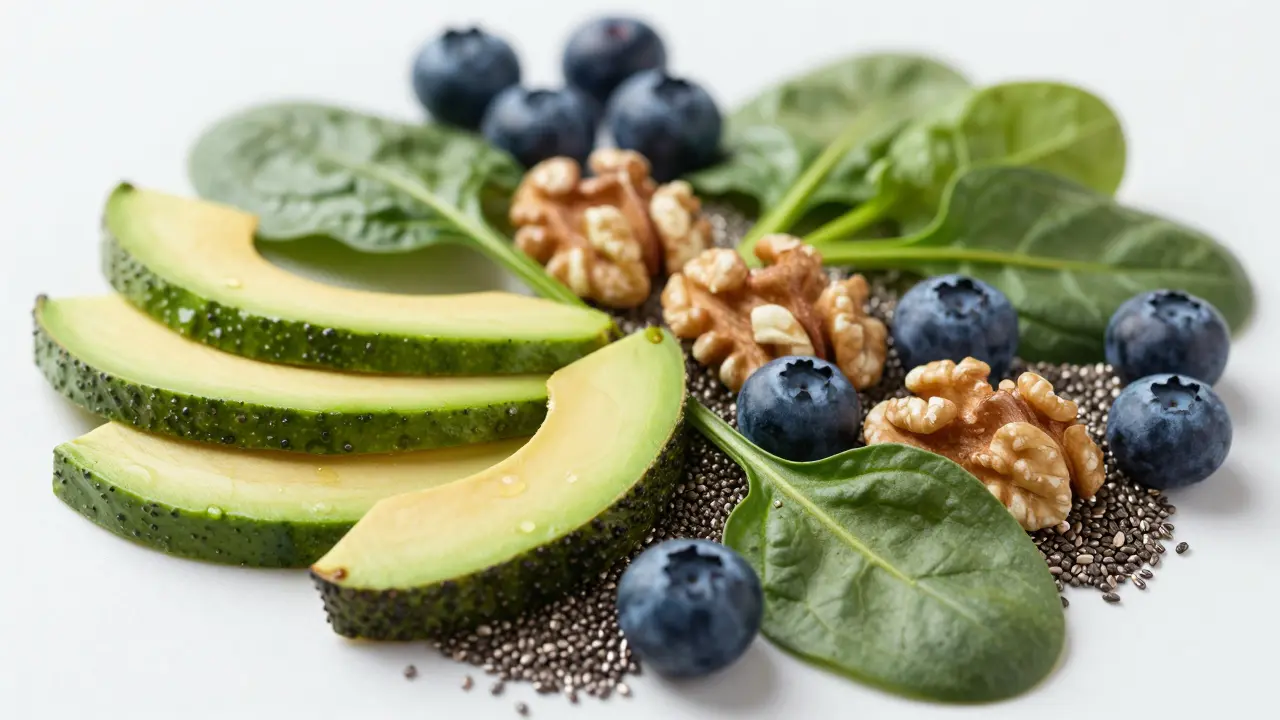
Finally, don't sleep on Healthy Fats. Your brain is mostly fat, and your cells need lipids to maintain their structure. Focus on monounsaturated and polyunsaturated fats. Avocados, extra virgin olive oil, and walnuts are great choices. If you're wondering how much to eat, a good rule of thumb is that fats should make up about 20-35% of your daily calories.
The Hidden Power of Micronutrients
While macros give you energy, Micronutrients-vitamins and minerals-act as the spark plugs. You can eat 3,000 calories a day, but if you're missing magnesium or Vitamin B12, you'll still feel exhausted.
Leafy greens like spinach and kale are nutrient powerhouses. They provide Folate and iron, which are critical for transporting oxygen in your blood. If you hate salads, try blending a handful of spinach into a fruit smoothie; you won't even taste it, but your body will get the benefits. Also, consider the role of Potassium found in bananas and potatoes, which helps regulate fluid balance and nerve signals.
| Food Item | Primary Nutrient | Value/Benefit | Better Alternative To |
|---|---|---|---|
| Blueberries | Antioxidants | Protects cells from damage | Sugary candies |
| Almonds | Vitamin E & Magnesium | Supports heart health | Potato chips |
| Chia Seeds | Omega-3 Fatty Acids | Reduces inflammation | Refined seed oils |
| Greek Yogurt | Probiotics & Protein | Improves gut microbiome | Sugary cereals |
Managing the Gut-Brain Connection
You've probably heard that the gut is the "second brain." There's a reason for that. A huge portion of your serotonin-the feel-good hormone-is produced in your digestive tract. This is why a healthy diet isn't just about weight; it's about your mood.
To keep your gut happy, you need Probiotics and prebiotics. Probiotics are the live beneficial bacteria found in fermented foods like kimchi, kombucha, and kefir. Prebiotics, on the other hand, are the fibers that feed those bacteria. Garlic, onions, and slightly under-ripe bananas are excellent prebiotic sources. When these two work together, you notice less bloating and a clearer head.
Avoid the common trap of overusing artificial sweeteners. While they are low in calories, some studies show they can disrupt the balance of your gut flora, potentially leading to more cravings over time. Stick to small amounts of raw honey or maple syrup if you need a sweetener.
Practical Meal Planning for Real Life
The biggest reason people fail at eating healthy is not a lack of will, but a lack of a plan. When you're starving at 6 PM after a long workday, the easiest option is usually the least healthy one. The secret is "aggressive preparation."
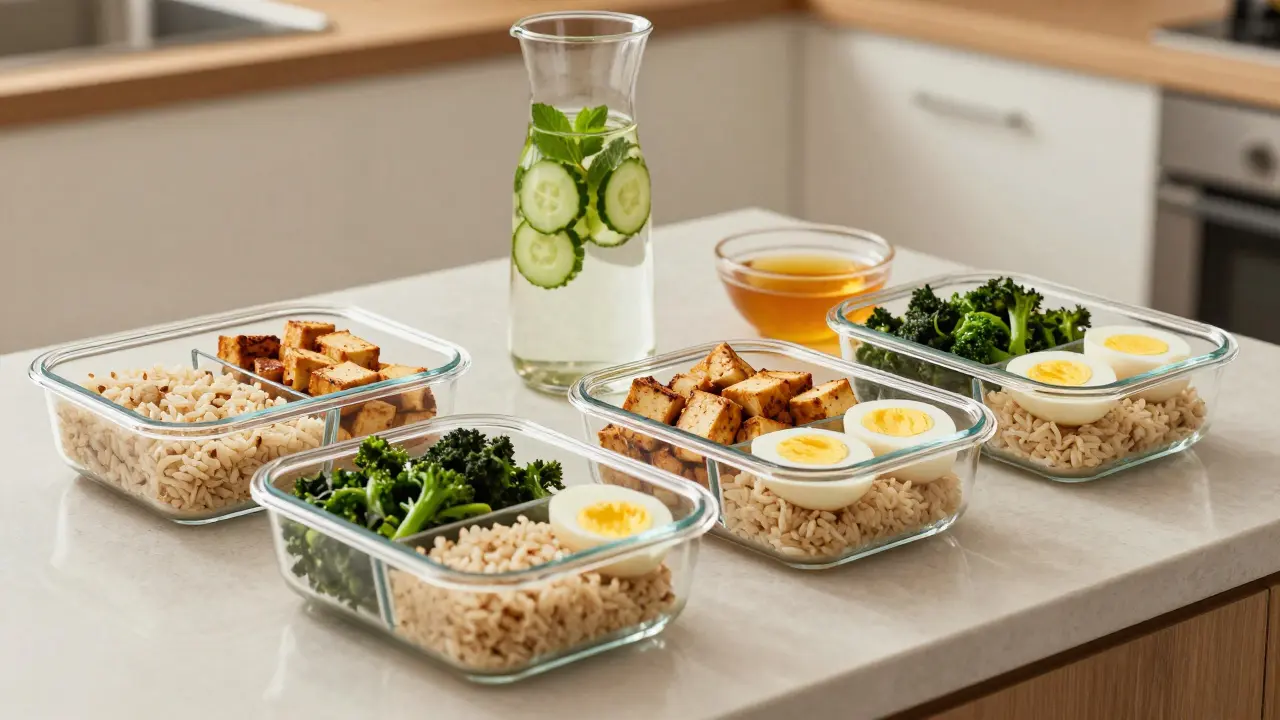
Start with a simple strategy: The Rule of Three. Prep three proteins, three vegetables, and three grains on Sunday. For example, roast some chicken and tofu, boil some eggs, steam broccoli, roast carrots, sauté kale, and make a big pot of brown rice, quinoa, and farro. Now, you can mix and match these throughout the week in under five minutes. It removes the decision fatigue that leads to ordering takeout.
Keep your pantry stocked with "emergency healthy foods." Canned tuna, chickpeas, frozen peas, and nuts are lifesavers. If you have these on hand, you're never more than ten minutes away from a balanced meal, even if you didn't have time to shop.
Hydration and the Silent Calorie Trap
You can have the perfect meal plan, but if you're drinking your calories, you're fighting an uphill battle. Liquid calories-like sodas, sweetened coffees, and fruit juices-don't trigger the same fullness signals in your brain as solid food. This means you consume more energy than your body needs without ever feeling satisfied.
Water is the gold standard. If plain water is too boring, try infusing it with cucumber, mint, or a squeeze of lime. A pro tip: drink a full glass of water 20 minutes before your meal. This helps with digestion and prevents you from overeating due to thirst, which the brain often confuses for hunger.
Common Pitfalls to Avoid
One of the most dangerous mistakes is the "all-or-nothing" mentality. You eat one cookie, feel like you've ruined your diet, and then decide to eat the whole box because "the day is already gone." This cycle of restriction and bingeing is what kills long-term success.
Instead, embrace the 80/20 rule. Eat nutrient-dense foods 80% of the time, and allow yourself the other 20% for foods you simply enjoy. If you love pizza, have a slice on Friday night. The psychological relief of not feeling restricted makes it much easier to stick to the healthy parts of your routine for years rather than weeks.
Another pitfall is relying too heavily on supplements. While a multivitamin can fill gaps, it cannot replace the complex synergy of a real orange or a handful of spinach. Always prioritize "food first, supplement second."
Is it possible to eat a healthy diet on a tight budget?
Absolutely. Focus on bulk staples like dried beans, brown rice, oats, and frozen vegetables. Frozen produce is often just as nutritious as fresh because it's flash-frozen at peak ripeness. Buying seasonal produce and choosing store brands for staples can significantly lower your grocery bill without sacrificing nutrition.
How much water should I actually drink per day?
The "8 glasses a day" rule is a general guideline, but hydration needs vary by body weight and activity level. A better metric is to check your urine color-it should be a pale straw yellow. If it's dark, drink more. If you're exercising intensely or live in a hot climate, you'll need more water and possibly electrolytes like sodium and potassium.
Can I eat a healthy diet without counting calories?
Yes. Instead of counting numbers, focus on volume and quality. Fill half your plate with non-starchy vegetables, one quarter with lean protein, and one quarter with complex carbs. This method naturally manages calories because vegetables are low in energy density but high in volume, making you feel full while staying within a healthy range.
What is the best time of day to eat?
The "best" time depends on your lifestyle, but consistency is key. Some people thrive on three square meals, while others prefer smaller, frequent snacks. The most important thing is to avoid eating large, heavy meals right before bed, as this can disrupt sleep and digestion. Try to finish your last meal at least 2-3 hours before sleep.
Do I need to avoid all sugar completely?
You don't need to eliminate all sugar, but you should limit added sugars (like those in soda or candy). Natural sugars found in fruit come with fiber, which slows down absorption and prevents insulin spikes. The goal is to minimize refined sugars that provide empty calories and contribute to inflammation.
Next Steps for Your Journey
If you're feeling overwhelmed, don't try to change everything tomorrow. Start with one small shift this week: perhaps swap your morning bagel for oatmeal with berries, or commit to drinking one extra glass of water before lunch. Once that feels automatic, add another change. The road to a healthier you is a marathon, not a sprint. If you hit a plateau or feel constant fatigue despite eating well, it might be worth consulting a registered dietitian to tailor a plan to your specific blood markers and goals.



Oct 1 2023