

Every morning, millions of kids skip breakfast. Some because they’re running late. Others because they’re not hungry. A few because they just don’t like what’s on the table. But here’s the truth: skipping breakfast isn’t just a small habit-it’s a missed opportunity that affects how kids learn, move, and feel all day long.
What Happens When Kids Skip Breakfast?
Think about your own mornings. If you skip coffee or go without food, you feel sluggish, foggy, maybe even irritable. Now imagine that’s a 7-year-old trying to focus on math, or a 12-year-old running laps in gym class. Their brain is still developing. Their body is growing. They need fuel-not just any fuel, but the right kind.
A study from the University of Leeds tracked over 4,000 children aged 6 to 11. Those who ate breakfast regularly scored 12% higher on memory tests and showed better attention spans than those who didn’t. Not because breakfast is magic. But because glucose-the brain’s main energy source-drops overnight. Without replenishing it, kids start the day in a deficit.
And it’s not just about school. Kids who skip breakfast are more likely to snack on chips, candy, or sugary drinks later. Why? Their bodies are screaming for energy, and they don’t know how to ask for the right kind. This pattern can lead to weight gain, poor dental health, and even trouble sleeping.
What Makes a Healthy Breakfast?
Not all breakfasts are created equal. A bowl of sugary cereal with milk? That’s sugar with extra steps. A buttered toast and jam? It’s carbs with little staying power. A healthy breakfast for kids needs three things: protein, complex carbs, and a bit of healthy fat.
Protein keeps them full longer. It also helps build muscles and repair tissues. Eggs, Greek yogurt, cottage cheese, peanut butter, and lean meats like turkey slices all count. One boiled egg gives about 6 grams of protein. That’s the same as a small chicken breast-just in a much more kid-friendly form.
Complex carbs give steady energy. Oats, whole grain bread, quinoa, and sweet potatoes break down slowly. That means no sugar spike and crash. A slice of whole grain toast with almond butter? That’s energy that lasts until lunch. A bowl of oatmeal with chia seeds and sliced banana? Even better.
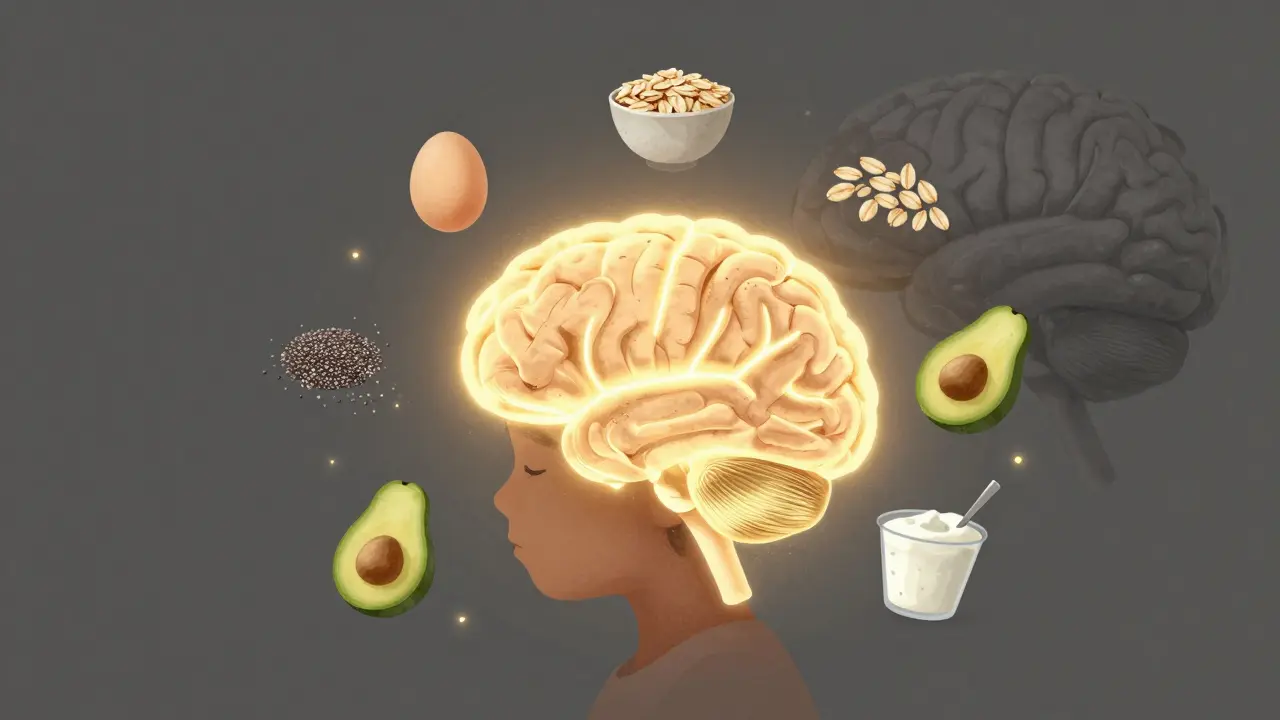
Healthy fats? Yes, really. Avocado, nuts, seeds, and even full-fat yogurt help with brain development. Omega-3s found in flaxseeds and chia seeds are linked to better focus and mood regulation in kids. A tablespoon of ground flaxseed on their oatmeal isn’t fancy-but it’s science-backed.
Real Breakfasts That Work
Let’s cut through the noise. You don’t need to make a five-star breakfast every morning. You need something simple, reliable, and actually eaten.
- Overnight oats: Mix 1/2 cup rolled oats, 1 cup milk (or plant-based), 1 tbsp chia seeds, and a spoon of peanut butter. Leave it in the fridge overnight. In the morning, top with berries. Done in 5 minutes.
- Egg muffins: Beat 4 eggs with a handful of spinach, cheese, and diced turkey. Pour into a muffin tin. Bake at 350°F for 20 minutes. Freeze them. Grab two on the way out the door.
- Whole grain toast with avocado and hard-boiled egg: Mash half an avocado on two slices. Add sliced egg on top. Sprinkle with salt and pepper. Kids love the texture.
- Yogurt parfait: Layer plain Greek yogurt, granola (low-sugar), and frozen blueberries. No cooking. No mess. Just good stuff.
- Smoothie: Blend 1 cup milk, 1 banana, 1 tbsp peanut butter, a handful of spinach (yes, really), and a scoop of protein powder. Pour into a travel cup. They’ll drink it before the bus arrives.
These aren’t gourmet recipes. They’re practical. They use ingredients most kitchens already have. And they take less than 10 minutes to prepare.
Why Timing Matters
It’s not enough to eat breakfast. You need to eat it at the right time. Eating within an hour of waking up helps reset the body’s internal clock. That clock controls hunger, energy, and even mood.
Research from the American Journal of Clinical Nutrition shows that kids who eat breakfast within 60 minutes of waking have better cortisol regulation. That’s the stress hormone. When it’s balanced, kids are calmer, less reactive, and more able to handle frustration.
And here’s something surprising: kids who eat breakfast earlier (before 8 a.m.) are more likely to eat lunch on time and avoid afternoon binges. The rhythm matters as much as the food.
What About Picky Eaters?
If your child refuses eggs, hates oatmeal, and turns up their nose at yogurt, you’re not alone. Picky eating is normal-especially between ages 3 and 6. But that doesn’t mean you give up.
Start small. Offer one new food at a time. Pair it with something familiar. If they like toast, try putting peanut butter on it. Then add sliced banana. Then add a sprinkle of ground flaxseed. Slowly. No pressure.
Let them help. Kids are more likely to eat something they helped make. Let them stir the oats, pick the berries, or choose the yogurt flavor. Ownership changes everything.
And remember: consistency beats perfection. Even if they only eat half a banana and a spoonful of yogurt today, that’s still better than nothing. Keep showing up. Keep offering. Eventually, they’ll start to accept more.

The Long-Term Impact
Skipping breakfast once in a while? Fine. But doing it daily for months? That adds up.
Children who regularly skip breakfast are more likely to:
- Struggle with attention and learning
- Gain weight over time
- Have higher cholesterol levels
- Develop poor eating habits that carry into adulthood
On the flip side, kids who eat a balanced breakfast are more likely to:
- Reach their full growth potential
- Maintain a healthy weight
- Have better emotional regulation
- Develop a positive relationship with food
This isn’t about perfection. It’s about building a habit that lasts. A child who learns to value a real morning meal is more likely to carry that into adulthood. They’ll know how to fuel themselves-not just for school, but for life.
Start Simple. Start Today.
You don’t need to overhaul your whole morning routine. Just pick one thing. Maybe it’s swapping out sugary cereal for oatmeal. Or keeping boiled eggs ready in the fridge. Or making a smoothie the night before.
Give it a week. See how your child feels. Are they calmer? More alert? Less cranky by 10 a.m.? That’s the signal. That’s the proof.
Breakfast isn’t just a meal. It’s the first chance you have each day to say to your child: you matter. And that’s worth more than any supplement, trend, or fancy food trend.
What if my child isn’t hungry in the morning?
It’s common for kids to not feel hungry right after waking up. Their body clock might still be adjusting. Start with something light and easy-a piece of whole grain toast with peanut butter, a small yogurt, or a banana. Let them eat slowly. Don’t force it. Over time, their appetite will adjust. Also, make sure they’re not snacking too close to bedtime. Late-night snacks can suppress morning hunger.
Is milk necessary for a healthy breakfast?
No. Milk is a good source of calcium and protein, but it’s not required. If your child doesn’t tolerate dairy, use fortified plant-based milks like soy, pea, or oat milk. These often have similar protein and vitamin D levels. Just check the label-avoid ones with added sugar. You can also get calcium from leafy greens, tofu, almonds, and fortified orange juice.
Can smoothies replace a full breakfast?
Yes-if they’re made right. A smoothie with just fruit and juice is just sugar water. A balanced one includes protein (yogurt, protein powder, nut butter), healthy fat (avocado, chia seeds, flaxseed), complex carbs (oats, banana), and fiber (spinach, berries). Blend it thick, not watery. Serve it in a cup with a straw. Most kids will drink it even if they won’t eat solid food.
How much protein does a child need at breakfast?
Kids aged 4 to 8 need about 19 grams of protein per day total. That doesn’t all have to come at breakfast, but aiming for 10-15 grams in the morning helps. One egg (6g), 1/2 cup Greek yogurt (10g), or 2 tablespoons of peanut butter (8g) can get you there. Combine them for balance.
What if my child only wants toast and jam?
Start by switching to whole grain toast. Then add a thin layer of nut butter under the jam. The fat and protein will help stabilize their blood sugar. Over time, add a side of fruit or a boiled egg. You don’t have to fix it all at once. Small changes build habits. And consistency beats perfection every time.



Mar 22 2025