

When your to-do list never ends and stress builds up, finding time to relax seems impossible. But what if you can squeeze relaxation techniques, practical methods to reduce stress and restore calm into your day without adding more tasks? Here are five proven methods that take just minutes but deliver real relief.
Diaphragmatic Breathing: The Foundation of Relaxation
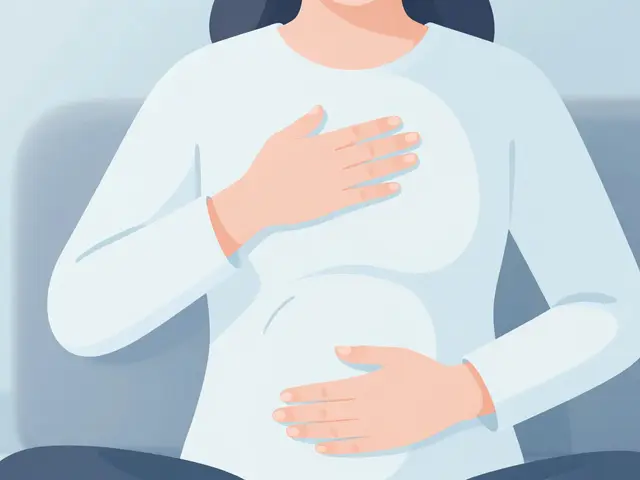
When stress hits, your breathing gets shallow. Diaphragmatic breathing reverses that. Place one hand on your chest and the other on your belly. Breathe in slowly through your nose for four counts, feeling your belly rise. Exhale through pursed lips for six counts, belly falling. Repeat for five minutes. This technique activates the parasympathetic nervous system, the part of your nervous system responsible for rest and digestion, which lowers your heart rate and cortisol, the primary stress hormone levels. A 2023 study in the Journal of Clinical Psychology found that participants who practiced this for 10 minutes daily saw a 15% drop in stress hormones within two weeks.
Real-world example: A Sydney-based nurse uses this between shifts. She says, "It takes less than five minutes and instantly calms me down. I don't have time for long meditations, but this works anywhere."
Progressive Muscle Relaxation: Tension Release in Minutes
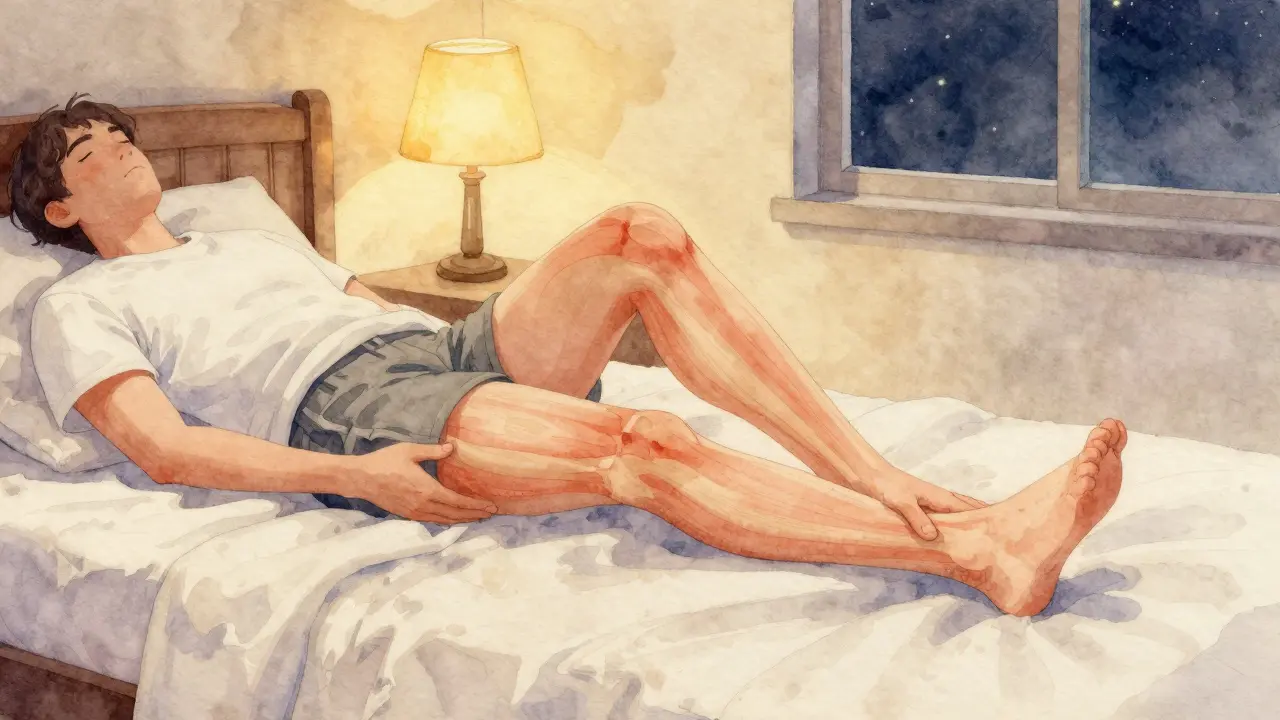
PMR works by tensing and relaxing muscle groups. Start with your feet: clench them tightly for five seconds, then release for ten. Move up to calves, thighs, abdomen, arms, shoulders, and face. Each group should be tensed just enough to feel the effort-not to the point of pain. This method is especially helpful for people who hold stress in their muscles, like office workers with tight shoulders. A 2022 study in Behavioral Medicine showed that PMR reduced muscle tension by 30% in just one session. The key is consistency; doing it daily for two weeks creates lasting relief.
Tip: Do this before bed. A Melbourne accountant told us, "I used to lie awake with aching shoulders. Now I do PMR for 10 minutes and fall asleep instantly."
Mindfulness Meditation: Staying Present Amid Chaos
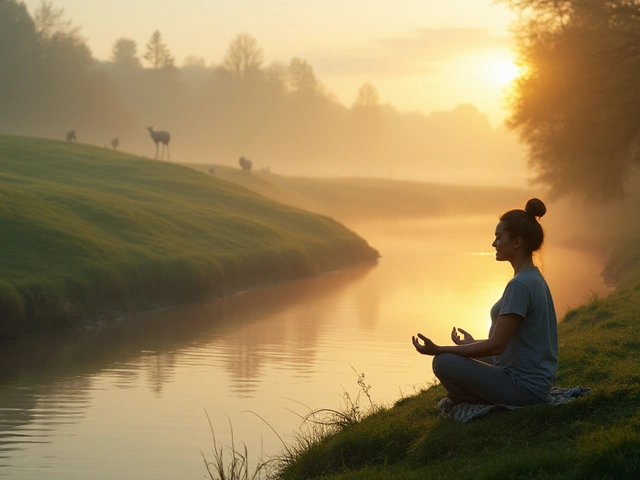
Mindfulness isn't about emptying your mind-it's about noticing thoughts without judgment. Sit comfortably, focus on your breath, and when your mind wanders, gently bring it back. Start with three minutes a day. Research from the University of Queensland in 2024 showed that daily mindfulness practice for four weeks improved focus and reduced anxiety by 25% in busy professionals. You don't need special equipment; apps like Headspace offer free guided sessions. The trick is to practice during routine activities: while washing dishes, walking, or waiting in line. One teacher in Brisbane uses this between classes: "I focus on the sound of the bell or the feel of the chalk. It centers me in seconds."
Guided Imagery: Mental Escapes for Instant Calm
Close your eyes and picture a peaceful place-like a beach, forest, or cozy room. Engage all five senses: the sound of waves, the smell of pine trees, the warmth of sunlight. This technique works because your brain responds to vivid mental images as if they're real. A 2021 study in the Journal of Alternative Medicine found that guided imagery reduced stress in 80% of participants within 10 minutes. It's perfect for quick breaks. A busy parent in Perth uses this while waiting to pick up kids: "I imagine myself on a quiet beach. It's like hitting a reset button."

Box Breathing: The Navy SEAL's Secret
Also called square breathing, this technique uses equal counts for inhale, hold, exhale, and hold. Breathe in for four counts, hold for four, exhale for four, hold for four. Repeat. Navy SEALs use it to stay calm under pressure. A 2023 study in Frontiers in Psychology showed it lowered blood pressure and improved focus in high-stress jobs. It's great for moments of acute stress, like before a presentation or during a traffic jam. Try it next time you're stuck in a queue: "Inhale... hold... exhale... hold...". It takes less than a minute but makes a big difference.
Frequently Asked Questions
How long does it take to see results from relaxation techniques?
Many people feel calmer after just one session, but consistent practice yields the best results. Studies show daily practice for two weeks significantly reduces stress markers like cortisol. For lasting benefits, aim for 5-10 minutes daily. Even short sessions build resilience over time.
Can I combine multiple techniques?
Absolutely! Many people layer techniques for better results. For example, start with diaphragmatic breathing to calm your nervous system, then do PMR to release muscle tension. Or use guided imagery after mindfulness meditation. A 2024 study in the Journal of Stress Research found that combining breathing exercises with imagery reduced stress 40% more than using either alone. The key is to find what works for you-experiment and adapt.
What if I can't find time to relax?
You don't need hours-just minutes. These techniques are designed for busy schedules. Box breathing takes 60 seconds. Mindfulness while brushing your teeth counts. A nurse in Brisbane does PMR during her lunch break, and a software developer uses guided imagery during commutes. If you're truly swamped, start with one technique for two minutes a day. Small steps build habits that last.
Are there any risks with relaxation techniques?
Generally, these techniques are safe for most people. However, if you have severe anxiety or PTSD, some methods like deep breathing might trigger discomfort. In that case, consult a therapist before trying them. For most, the only risk is not doing them consistently-so start small. If a technique feels uncomfortable, stop and try another. Your body will tell you what works.
How do I know if it's working?
You'll notice physical and mental changes. Your heart rate slows, muscles relax, and thoughts feel clearer. A simple check: before and after a session, rate your stress on a scale of 1-10. After consistent practice, you'll see lower numbers. People often report better sleep, fewer headaches, and more patience with others. One teacher noticed she stopped snapping at students after two weeks of daily mindfulness.

Jun 18 2026