
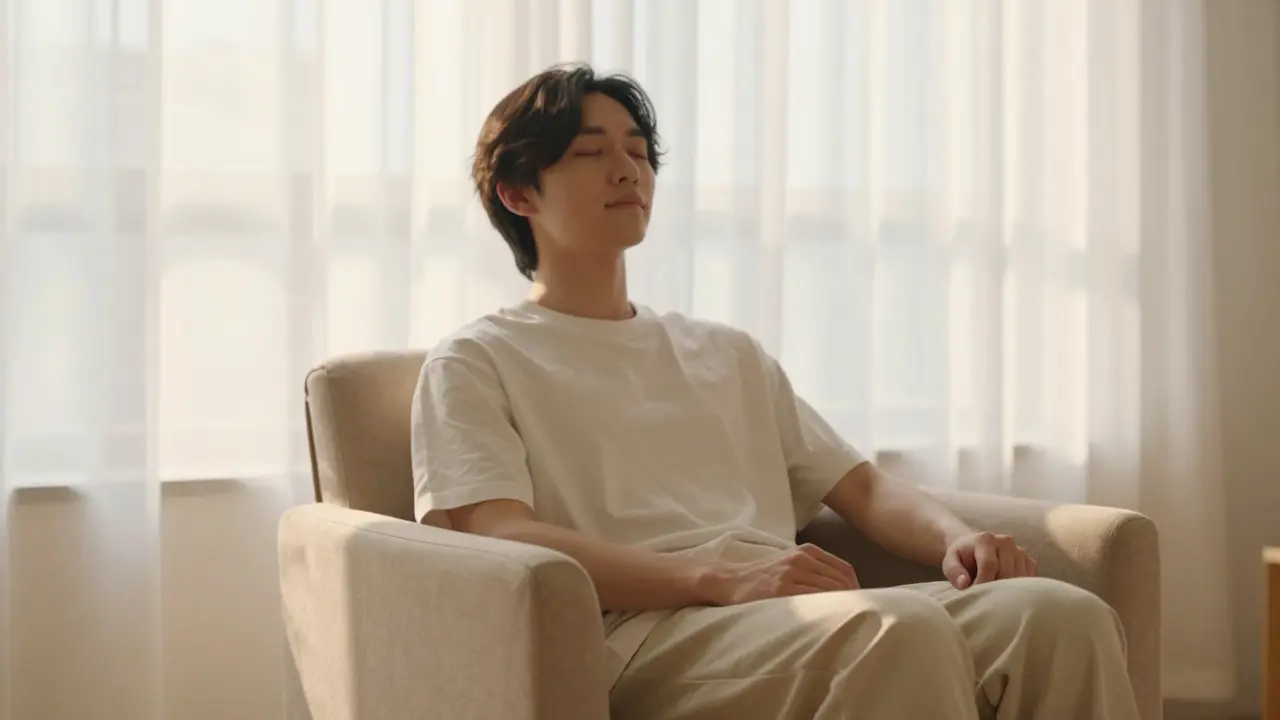
You know that feeling. Your chest feels tight, your mind is racing through every mistake you made three years ago, and your shoulders are up by your ears. You’ve heard the advice before: “Just relax.” But if relaxing was easy, we wouldn’t be here. The problem isn’t that you don’t want peace; it’s that your body is stuck in survival mode. Stress reduction is the process of lowering physiological arousal and mental tension to restore balance. It’s not about eliminating stress entirely-that’s impossible. It’s about changing how your body responds to pressure so you can function without burning out.
We live in an era of constant notification. Between work emails, social media feeds, and global news cycles, our brains struggle to distinguish between a lion chasing us and a deadline approaching. This chronic activation keeps cortisol, the primary stress hormone released by the adrenal glands levels elevated. Over time, this erodes focus, disrupts sleep, and weakens the immune system. The good news? You can retrain your nervous system. Here is a practical, step-by-step approach to building a more peaceful existence, starting today.
Quick Summary / Key Takeaways
- Physiology first: Calm your body before trying to calm your mind using breathwork and movement.
- Environment design: Reduce sensory overload by curating your digital and physical spaces.
- Sleep hygiene: Prioritize seven to nine hours of quality rest as the foundation of resilience.
- Cognitive reframing: Challenge catastrophic thinking patterns with evidence-based questioning.
- Micro-habits: Small, consistent actions beat occasional grand gestures for long-term stress management.
Step 1: Regulate the Nervous System Immediately
When you are in the middle of a stress spike, logic doesn’t work. Your prefrontal cortex-the part of your brain responsible for reasoning-goes offline. Before you can solve problems, you need to signal safety to your autonomic nervous system, the network controlling involuntary functions like heart rate and digestion.
The most effective tool for this is controlled breathing. Specifically, try the 4-7-8 technique. Inhale through your nose for four seconds. Hold your breath for seven seconds. Exhale slowly through your mouth for eight seconds. Repeat this cycle four times. This specific ratio forces your heart rate to slow down because exhaling longer than inhaling stimulates the vagus nerve, a cranial nerve that regulates heart rate and promotes relaxation.
If breathing feels too mechanical, try grounding. Name five things you can see, four things you can touch, three things you can hear, two things you can smell, and one thing you can taste. This shifts your attention from internal anxiety to external reality, breaking the loop of rumination.
Step 2: Audit and Optimize Your Environment
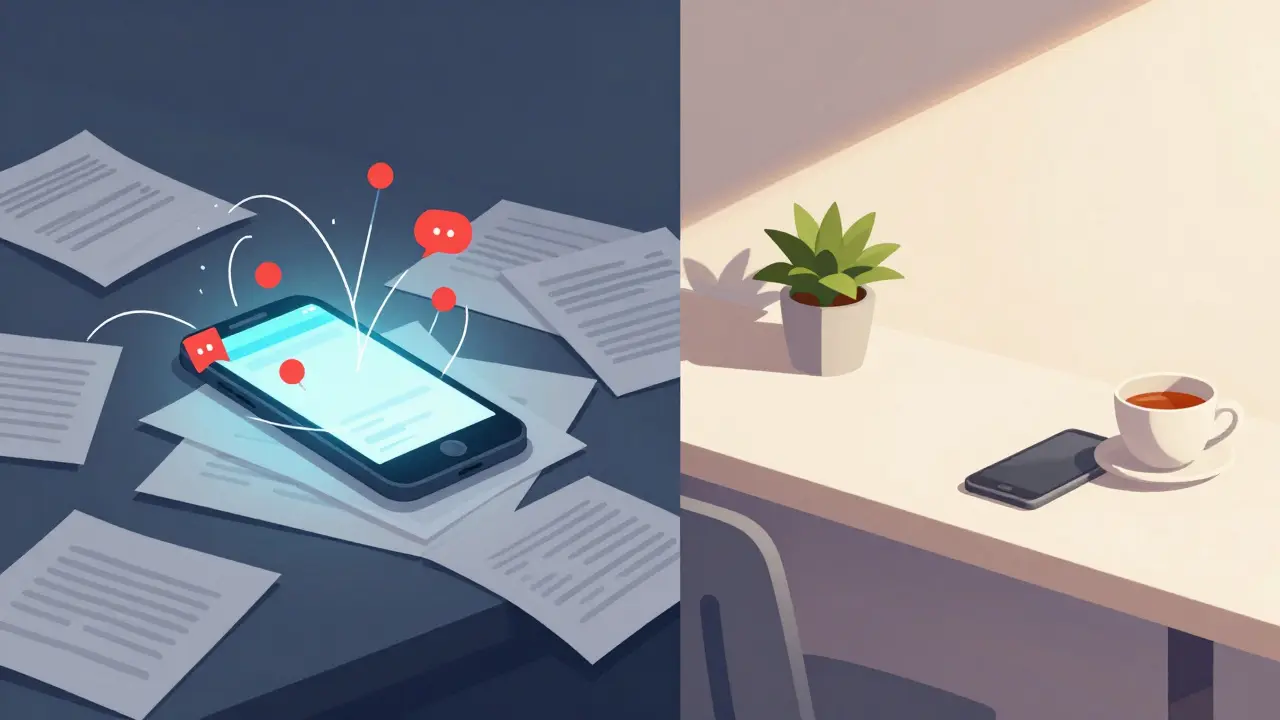
Stress is often environmental. If your surroundings are chaotic, your mind will mirror that chaos. Start by conducting a quick audit of your immediate space. Is your desk cluttered? Are there unread notifications piling up on your phone?
Digital minimalism is crucial here. Turn off non-essential notifications. Keep only calls and texts from close contacts or urgent work alerts enabled. Social media apps should not have permission to interrupt your day. Research shows that constant partial attention fragments focus and increases perceived stress levels.
Physical space matters too. Clear surfaces reduce cognitive load. When you come home, take ten minutes to reset your living area. Put away mail, tidy the kitchen counter, and change out of work clothes. This ritual signals to your brain that the workday is over, helping you transition into rest mode.
Step 3: Prioritize Sleep Hygiene
You cannot manage stress without adequate sleep. Sleep deprivation lowers your threshold for frustration and amplifies emotional reactions. Aim for seven to nine hours per night. But quantity isn’t everything; quality matters just as much.
Create a wind-down routine. One hour before bed, stop using screens. Blue light emitted by phones and laptops suppresses melatonin, the hormone that regulates sleep-wake cycles, making it harder to fall asleep. Instead, read a physical book, stretch gently, or listen to calming music.
Keep your bedroom cool, dark, and quiet. Ideal sleeping temperature is around 65°F (18°C). If noise is an issue, use white noise machines or earplugs. Consistency is key-go to bed and wake up at the same time every day, even on weekends. This stabilizes your circadian rhythm, making it easier to wake up refreshed.
Step 4: Reframe Cognitive Patterns
Once your body is regulated, you can address the thoughts fueling your stress. Many of us engage in catastrophizing-assuming the worst-case scenario will happen. For example, missing a deadline might trigger thoughts like “I’m going to get fired” or “My career is ruined.”
Challenge these thoughts with evidence. Ask yourself: What is the actual likelihood of this outcome? Have I handled similar situations before? What is a more realistic perspective? Often, the answer is “I’ll make a mistake, apologize, and fix it.” This cognitive restructuring reduces the emotional weight of setbacks.
Practice self-compassion. Talk to yourself as you would talk to a friend. Would you berate a colleague for being overwhelmed? Probably not. Extend that same grace to yourself. Self-criticism increases stress; self-kindness reduces it.
Step 5: Incorporate Movement and Nature
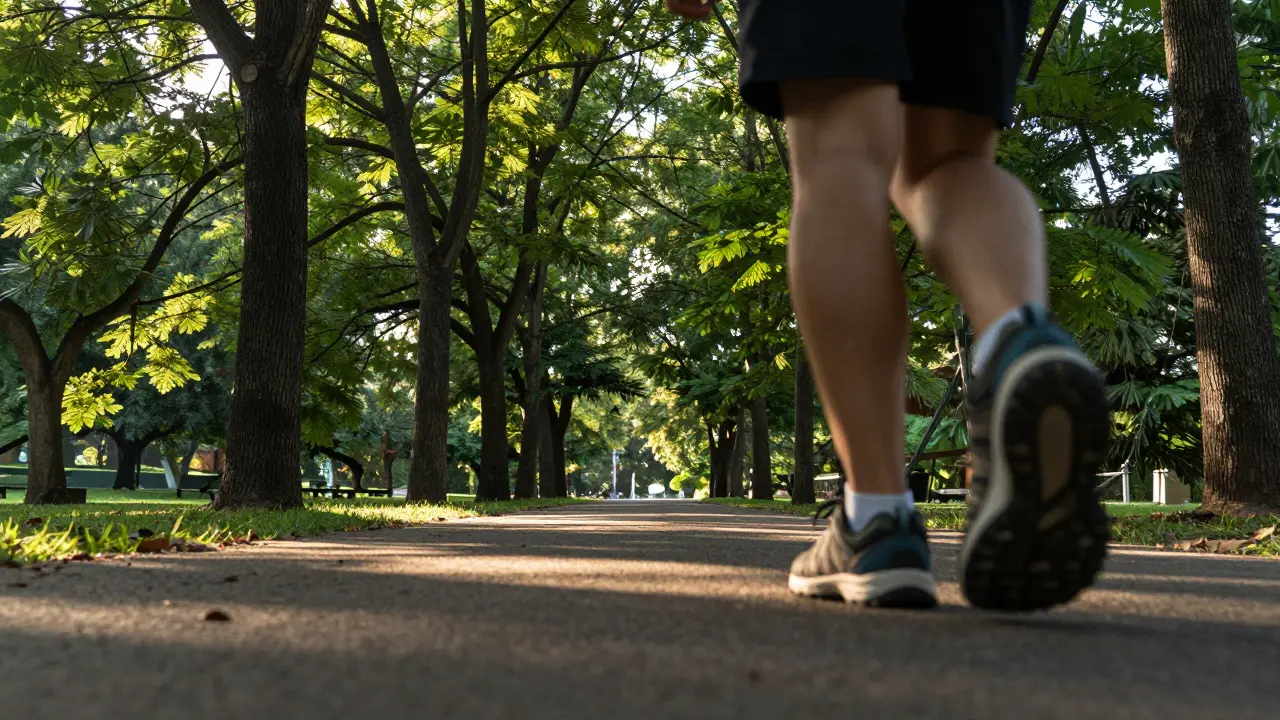
Sitting still while stressed traps energy in the body. Movement helps metabolize stress hormones. You don’t need intense workouts. A twenty-minute walk outside is highly effective. Sunlight exposure boosts vitamin D levels and regulates mood.
Nature has a profound calming effect. Studies show that spending time in green spaces lowers cortisol levels and blood pressure. If you live in a city, visit a park or botanical garden. Even looking at plants or trees from a window can provide some benefit.
Incorporate gentle yoga or stretching. These activities combine movement with mindful awareness, promoting both physical flexibility and mental clarity. Focus on poses that open the chest and hips, areas where tension commonly accumulates.
Comparison: Common Stress Relief Methods
| Method | Time Required | Effectiveness | Best For |
|---|---|---|---|
| Deep Breathing | 5 minutes | High (Immediate) | Acute anxiety spikes |
| Walking in Nature | 20-30 minutes | High (Sustained) | Mental fatigue and mood boost |
| Journaling | 15 minutes | Medium (Processing) | Organizing thoughts and emotions |
| Screen Detox | 1 hour+ | High (Preventive) | Reducing sensory overload |
| Yoga | 30-60 minutes | High (Holistic) | Physical tension and mindfulness |
Step 6: Build Sustainable Micro-Habits
Lasting change comes from small, consistent actions. Don’t overhaul your entire life overnight. Pick one habit from this guide and practice it daily for two weeks. Once it becomes automatic, add another.
For example, start with deep breathing. Do it every morning before checking your phone. Then add a ten-minute evening walk. Gradually build a routine that supports your well-being. Remember, progress is not linear. Some days will be harder than others. That’s normal. Be patient with yourself.
Connect with others. Social support buffers against stress. Share your goals with a friend or join a community group. Talking about challenges reduces their intensity and provides new perspectives.
Frequently Asked Questions
How quickly can I expect to feel less stressed?
You may feel immediate relief from acute stress using techniques like deep breathing or grounding within minutes. However, reducing chronic stress takes time. Most people notice significant improvements in mood and resilience after consistently practicing stress-reduction habits for two to four weeks.
Is meditation necessary for stress reduction?
Meditation is helpful but not mandatory. Many forms of mindfulness, such as focused breathing, walking, or journaling, offer similar benefits. Choose practices that resonate with you and fit into your lifestyle. Consistency matters more than the specific method.
Can exercise replace other stress management techniques?
Exercise is powerful but works best when combined with other strategies. While physical activity reduces cortisol and boosts endorphins, it doesn’t address cognitive patterns or environmental triggers. A holistic approach including movement, mindset shifts, and environment design yields the best results.
What should I do if I feel overwhelmed despite trying these steps?
If stress persists or interferes with daily functioning, consider seeking professional help. Therapists, counselors, or doctors can provide personalized support and rule out underlying health conditions. There is no shame in asking for assistance-it’s a sign of strength.
Does diet affect stress levels?
Yes, nutrition plays a role. High sugar and caffeine intake can exacerbate anxiety and energy crashes. Focus on whole foods, lean proteins, complex carbohydrates, and plenty of water. Omega-3 fatty acids found in fish and flaxseeds also support brain health and emotional stability.





Oct 25 2025