
Mental Health Healing: Simple Ways to Rebuild Your Inner Calm
When we talk about mental health healing, the process of restoring emotional balance and reducing psychological distress through consistent, natural practices. Also known as emotional recovery, it’s not something that happens in a single therapy session or a weekend retreat—it’s built one quiet moment at a time. This isn’t about fixing brokenness. It’s about returning to a state where your mind feels safe, grounded, and capable of handling life without constant noise or fear.
True mindfulness, the practice of paying attention to the present moment without judgment is one of the most powerful tools for mental health healing. It doesn’t require sitting cross-legged for hours. Just five minutes of noticing your breath, feeling your feet on the floor, or listening to sounds around you can reset your nervous system. Studies show regular mindfulness reduces cortisol levels and shrinks the brain’s fear center. It’s not magic—it’s biology.
Then there’s stress reduction, the intentional lowering of chronic tension that wears down your mind and body. Most people think stress is just about being busy. But it’s deeper. It’s the constant low hum of worry, the clenched jaw at 3 a.m., the way your chest tightens when you check your phone. Real stress reduction isn’t about avoiding stress—it’s about changing how your body responds to it. Simple things like deep breathing, walking in nature, or even stretching for two minutes can signal safety to your brain.
And sometimes, words aren’t enough. That’s where creative arts therapies, using painting, music, dance, or writing to express emotions that are too hard to talk about come in. Hospitals and clinics use these methods because they work. A person who can’t say out loud how they feel might paint a storm, play a slow melody, or move their body in ways that release what’s trapped inside. These aren’t distractions—they’re direct pathways to healing.
You’ll also find that relaxation techniques, practical, no-cost methods to calm your nervous system quickly show up again and again in the posts below. Progressive muscle relaxation. Grounding with your five senses. Slow exhales that last longer than your inhales. These aren’t new-age ideas. They’re tools used by trauma therapists, athletes, and nurses who need to stay steady under pressure.
What ties all this together? Your body and mind aren’t separate. When your gut is inflamed from stress, your mood drops. When you move your body, your brain releases natural painkillers. When you create something, even badly, you remind yourself you’re still capable. Mental health healing isn’t a destination. It’s a series of small, repeatable actions that slowly rebuild your sense of safety and control.
The posts here don’t promise miracles. They don’t sell apps or expensive programs. They show you what actually works—day after day—for real people. Whether it’s how a morning juice supports your mood, how hiking lowers anxiety, or how music therapy helped someone stop fearing illness—you’ll see patterns. You’ll find tools you can use today, not next month. No fluff. No hype. Just clear, practical ways to start healing your mind, one step at a time.
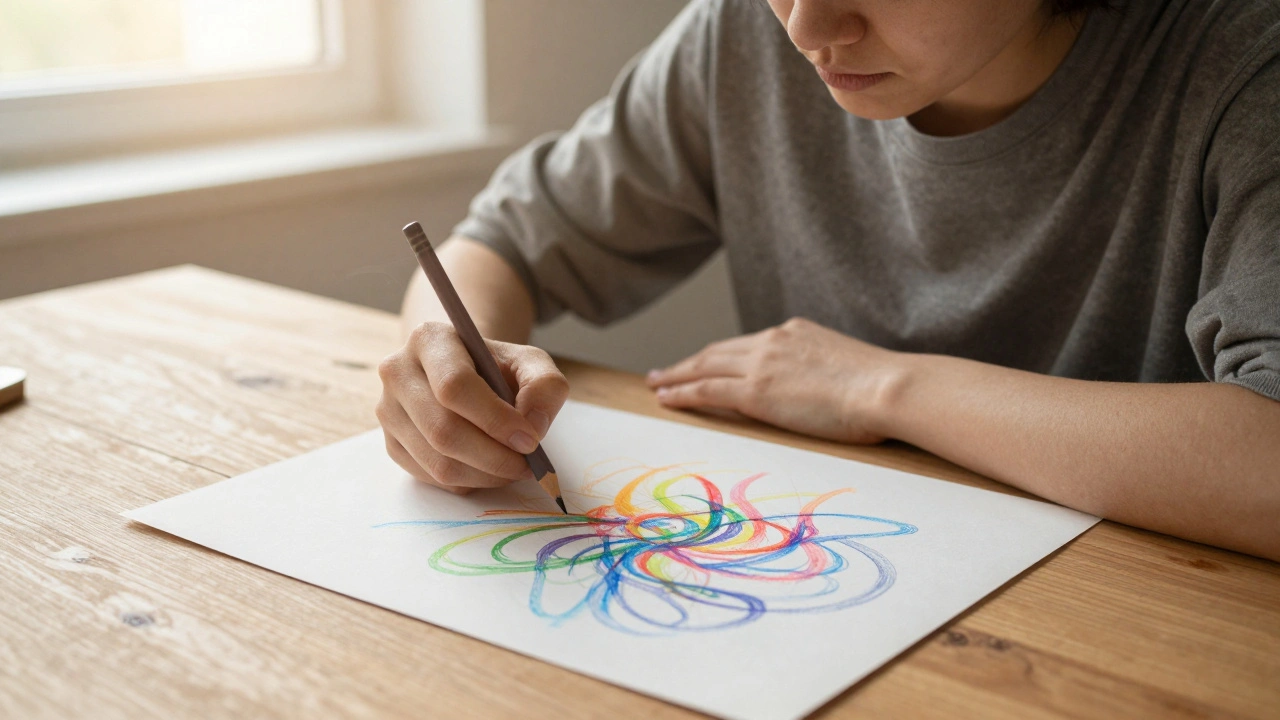
Unleash Your Inner Artist with Creative Arts Therapies
Creative arts therapies use painting, music, dance, and movement to heal emotional pain without words. Learn how these evidence-based practices help with anxiety, trauma, and stress-no artistic skill required.
View More




Dec 27 2025