
Progressive Muscle Relaxation: How to Release Tension and Find Calm
When you’re stressed, your body doesn’t just feel it emotionally—it holds onto it in your muscles. Progressive muscle relaxation, a technique that involves tensing and then slowly releasing different muscle groups to reduce physical tension. Also known as PMR, it’s one of the most direct ways to break the cycle of stress and physical tightness. Unlike meditation that asks you to quiet your thoughts, PMR works from the outside in: you give your body a clear task, and your mind follows.
This method isn’t magic—it’s biology. When you tense a muscle group for 5–7 seconds and then let go, your nervous system learns the difference between tightness and release. Over time, your body gets better at recognizing when it’s holding tension, even without you trying. That’s why people who practice PMR regularly say they notice less neck pain, fewer headaches, and better sleep. It’s not about forcing calm—it’s about teaching your muscles to let go. And because it doesn’t require special tools or quiet rooms, it works at your desk, in your car, or right before bed.
Progressive muscle relaxation relates closely to other tools like deep breathing, a natural companion to PMR that helps slow your heart rate and signal safety to your body and mindfulness, the practice of noticing what’s happening without judgment, which helps you stay present during muscle release. You don’t need to do all of them at once, but when you combine PMR with even one of these, the effects stack. For example, tensing your shoulders and then breathing out as you release? That’s a double hit to your stress response.
You’ll find posts here that show how PMR fits into bigger habits—like improving sleep, managing anxiety, or recovering from physical strain. Some people use it after workouts to ease soreness. Others use it to stop racing thoughts before bed. One woman in our community started doing it during her lunch break and ended up cutting her daily headaches in half. Another used it to get through panic attacks without medication. These aren’t outliers—they’re people who learned a simple skill and stuck with it.
There’s no right way to do it—just a way that works for you. Some people start with their toes. Others begin with their jaw. The key is consistency, not perfection. You don’t need to spend 20 minutes. Even five minutes, twice a week, can make a difference. What you’ll find in the posts below are real, practical guides—not theory, not apps, not complicated routines. Just how to use progressive muscle relaxation to feel lighter, sleep deeper, and move through your day with less strain.

5 Relaxation Techniques for Busy People: Quick Stress Relief Methods
Quick stress relief techniques for busy people. Learn diaphragmatic breathing, PMR, and mindfulness to reduce stress in minutes. Science-backed methods that fit any schedule. Start feeling calm today.
View More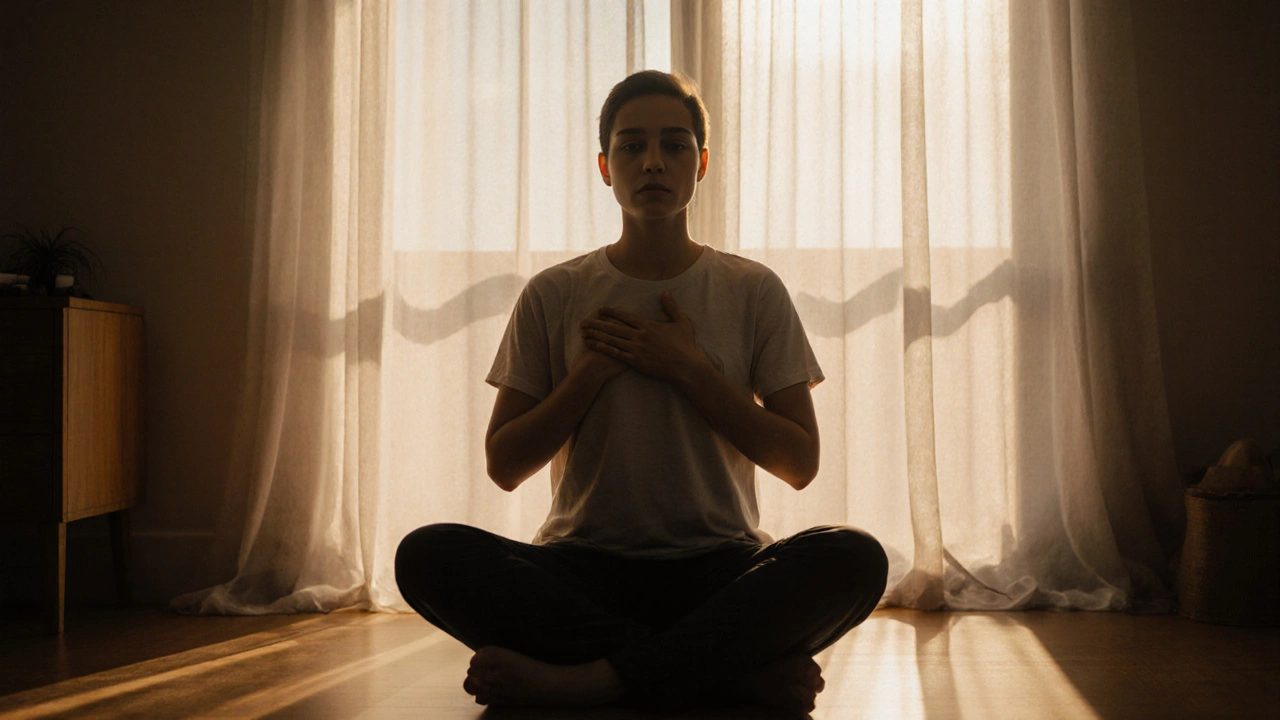
Relaxation Techniques: The Ultimate Stress-Busting Guide
Learn proven relaxation techniques that actually reduce stress-deep breathing, progressive muscle relaxation, guided imagery, and mindfulness. No apps needed. Just science-backed methods you can start today.
View More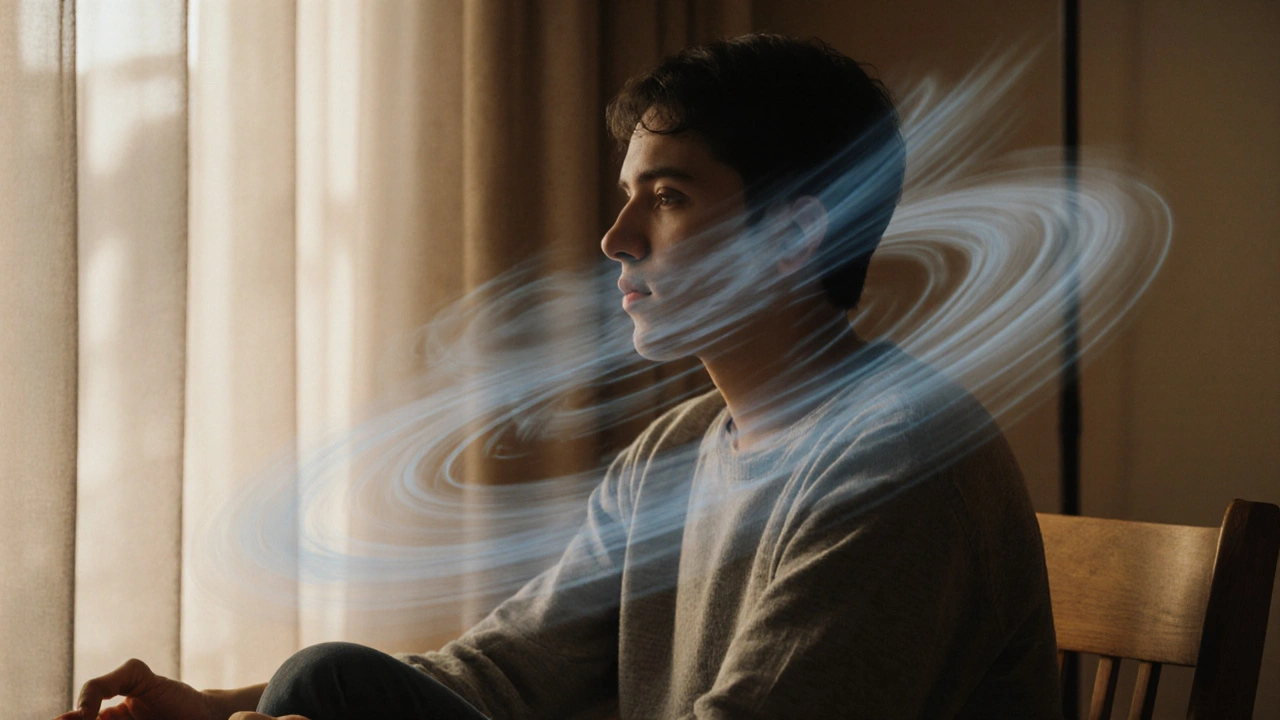
Simple Relaxation Techniques for a Stress-Free Life
Discover five simple, science-backed relaxation techniques you can use anytime to reduce stress-no equipment or extra time needed. From breathing to grounding, these methods help calm your nervous system quickly and build lasting resilience.
View More


Apr 17 2025