

You probably associate scents with memories rather than medical results. That old song playing on the radio takes you back to high school prom, right? But your nose connects to parts of your brain that handle emotion and physical regulation in ways we are still discovering. While everyone knows lavender helps you sleep, what you might not realize is how specific compounds in those bottles can sharpen your focus or fight off germs.
We often think of scent as a luxury, something nice to have in the background. Yet, the biological machinery behind smelling is ancient and powerful. When you breathe in certain volatiles, they bypass the thalamus-the brain's gatekeeper-and head straight for the amygdala and hippocampus. This direct line explains why a whiff of lemon can wake you up faster than a cup of coffee sometimes.
The Science Behind Your Sense of Smell
To understand how this works, you first need to grasp what actually happens when you inhale. Aromatherapy is the practice of using volatile plant extracts to improve physical, emotional, and mental well-being through inhalation or topical application. It has been Holistic Scent Therapy around since ancient Egypt, but modern chemistry gives us the "why."
When molecules hit your olfactory epithelium, they bind to receptor cells. These signals travel along the olfactory nerve directly to the olfactory bulb. Unlike touch or sight, this pathway doesn't filter information before sending it to higher brain centers. That speed allows for immediate physiological changes. A study published in the Journal of Neuroscience suggested that olfactory stimulation can reduce heart rate variability within minutes. You aren't just relaxing because you feel like it; your body is chemically reacting to terpenes and esters entering your system.
This mechanism matters because it bridges the gap between feeling good and actually healing. Most people stop at the feeling, missing the measurable health outcomes available.
Cognitive Boosts Beyond Just Relaxation
We hear so much about calming effects that we forget some scents act as cognitive stimulants. If you are staring at a blank screen needing to finish a report, a drop of rosemary oil near your workspace isn't a gimmick. Research from Newcastle University found that participants working with aroma exposure completed tasks faster and had fewer errors compared to the control group.
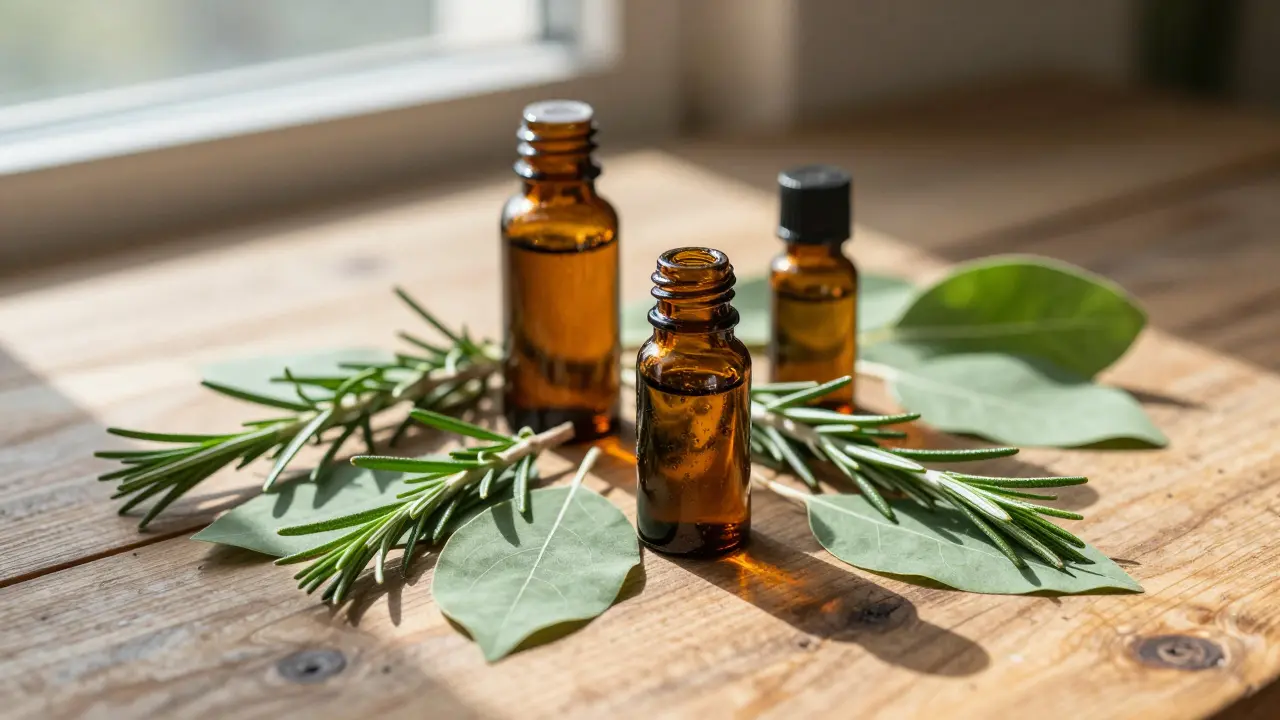
Rosemary Oil contains 1,8-cineole, a compound that increases blood flow to the brain and improves alertness. It acts similarly to mild caffeine but without the jittery crash.
- Improves Memory Retention: Participants showed better recall after exposure to sage and peppermint scents.
- Mood Enhancement: Citrus oils increase dopamine levels, improving motivation.
- Reduces Mental Fatigue: Continuous exposure throughout a workday correlates with lower reported exhaustion.
Think of this as bio-hacking without the supplements. It is simple, natural, and accessible.
Immune Defense and Antimicrobial Properties
Your immune system faces billions of threats daily. Adding plants that naturally produce antimicrobials adds a layer of defense. Tea Tree Oil is perhaps the most famous here. Derived from the leaves of the Australian Melaleuca alternifolia tree, its chemical profile includes terpinen-4-ol, which disrupts bacterial cell walls.
Inhalation creates an airborne barrier. While you cannot rely solely on a diffuser to replace hygiene practices, adding lemon eucalyptus or thyme to your environment reduces airborne particles containing bacteria. It creates an hostile environment for pathogens trying to linger in shared air space.
| Oil Type | Key Compound | Primary Action |
|---|---|---|
| Tea Tree | Terpinen-4-ol | Bacterial inhibition |
| Lemon | Limonene | Viral reduction |
| Eucalyptus | 1,8-Cineole | Respiratory clearance |
Pain Management Without Medication
Topical application offers another route entirely. When mixed with a carrier oil like jojoba or fractionated coconut, essential oils penetrate the skin. This isn't just about smelling good; it targets nerve endings.
Chamomile oil contains azulene, known for anti-inflammatory properties. Rubbing diluted chamomile oil on sore muscles provides localized relief similar to NSAIDs but without systemic side effects. Similarly, wintergreen oil mimics aspirin's mechanism by providing methyl salicylate. This means you can manage headaches, joint stiffness, or post-workout inflammation physically rather than chemically ingesting pills.
The key here is dilution. Using undiluted essential oils directly on sensitive areas causes irritation. Always mix roughly 3% concentration-about 15 drops per ounce of carrier oil-for safe skin contact.
How to Use Aromatherapy Tools Effectively
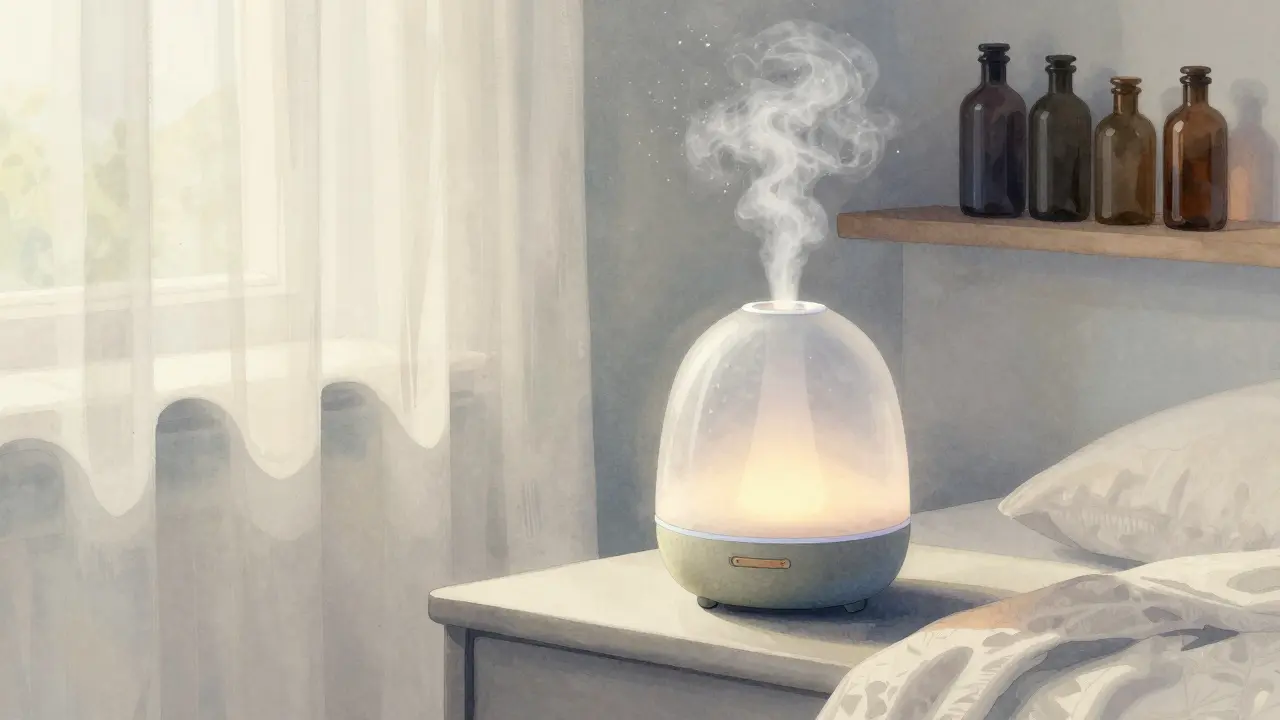
You can buy expensive machines, but simplicity works best. Ultrasonic Diffuser uses water vapor to disperse oil molecules gently. It is a device that breaks down oil into a fine mist using high-frequency vibrations. Avoid heat-based diffusers as they alter the chemical structure of the oil, reducing potency.
If you prefer a personal experience, cotton balls soaked in oil offer targeted scent. Place one near your computer monitor or under your pillow for bedroom use. For immediate stress relief, sniffing directly from the bottle cap works instantly because it delivers the highest concentration of vapors.
- Daily Maintenance: Clean your diffuser weekly with white vinegar to prevent mold buildup in water reservoirs.
- Sleep Optimization: Run a lavender blend in the bedroom thirty minutes before bed to signal the circadian rhythm.
- Morning Activation: Use citrus blends upon waking to boost cortisol response naturally.
Safety Considerations and Risks
Natural does not mean harmless. Some oils contain phototoxic ingredients like bergamot, which burn skin in sunlight. Pets also metabolize oils differently; tea tree and peppermint can be toxic to cats because their livers lack glucuronidation pathways.
Pregnant women require special caution as well. Strong uterine stimulants like clary sage should be avoided entirely during the first trimester. Always consult with a healthcare provider before starting any regimen involving internal or heavy topical application.
Storage matters too. Keep your oils in dark glass bottles away from direct light. Light degrades antioxidants, turning therapeutic oils into rancid substances that offer no benefit and may cause harm.
Frequently Asked Questions
Can aromatherapy replace traditional medicine?
No, it serves as a complementary therapy. It supports wellness but should not replace prescribed treatments for serious conditions.
How long does it take to feel results?
Effects vary. For stress, you may feel changes in minutes. For mood shifts like depression, consistent use over weeks is usually required.
Are synthetic fragrances the same?
Not at all. Synthetics mimic the smell but lack the complex chemical matrix of plant volatiles needed for therapeutic benefits.
Is it safe for children to use?
Generally yes, but dilution ratios must be lower. Avoid strong mints and heavy sedatives on infants. Consult pediatric advice first.
What is the shelf life of essential oils?
Citrus oils last 1-2 years due to oxidation. Heavier oils like sandalwood last 10+ years. Always smell before using older stock.
Can I ingest essential oils?
Only specific brands are labeled for ingestion. Most oils sold for aromatherapy are not food grade and can damage liver tissue if swallowed.