
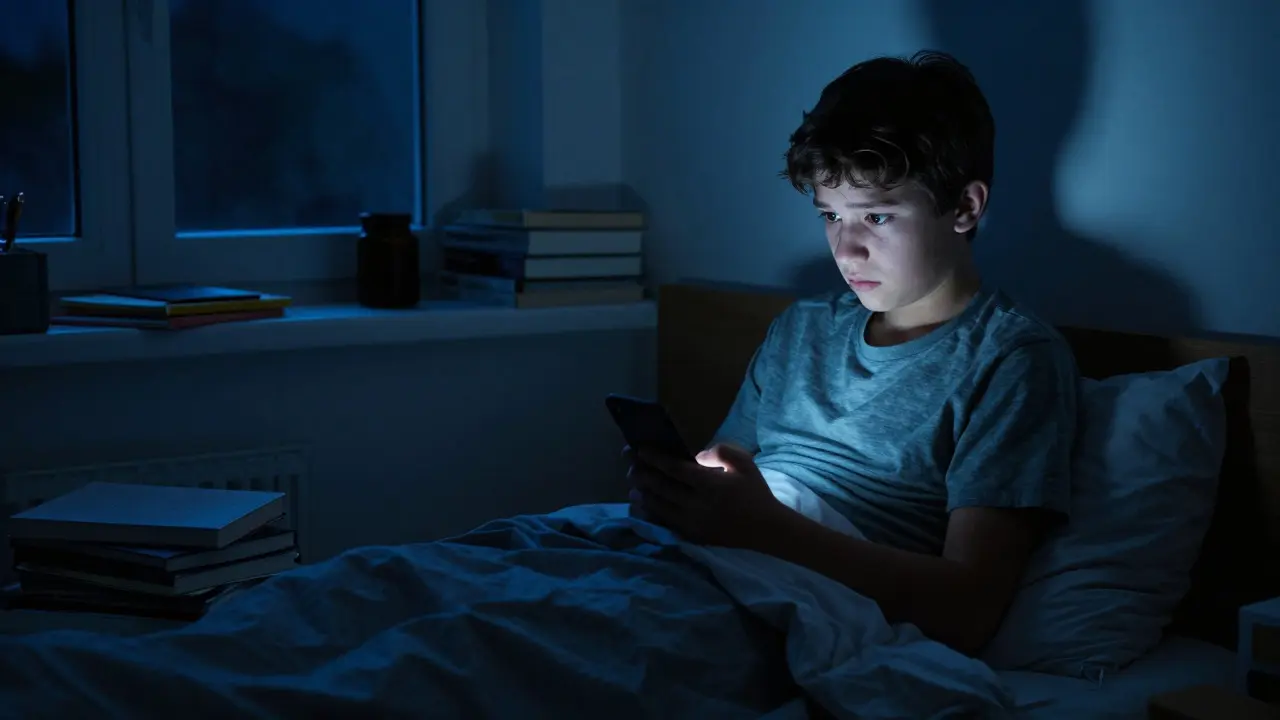
It used to be that we thought teenagers were just moody. We brushed off their silence as rebellion and their exhaustion as laziness. But looking at the data from 2025 into 2026, it is clear that something much heavier is happening. The number of adolescents seeking help for emotional distress has climbed steadily, driven by a perfect storm of social media pressure, academic competition, and lingering post-pandemic isolation. If you are a parent, teacher, or friend trying to make sense of this shift, you are not alone. Understanding teen mental health requires moving past stereotypes and looking at the specific, tangible factors affecting young minds today.
The New Reality of Adolescent Struggles
To grasp why teens are struggling more than previous generations, we have to look at the environment they inhabit. It is not just about biology; it is about context. The modern teenager navigates a world that never turns off. Smartphones deliver constant notifications, comparison traps on platforms like TikTok and Instagram, and cyberbullying that follows them home. This creates a state of chronic hyperarousal, where the brain’s stress response system is constantly triggered.
Research indicates that up to one in three high school students reported feeling persistently sad or hopeless in recent years. This is not a fleeting phase. These statistics point to structural issues in how we raise and support young people. When a teen spends six hours a day online, their sleep patterns suffer, which directly impacts mood regulation. Add in the pressure to maintain a perfect digital persona, and you have a recipe for anxiety and depression. Recognizing these external pressures is the first step in validating their internal experience.
Common Conditions Affecting Teens
While every individual is different, certain mental health conditions appear with higher frequency during adolescence. Identifying these early can prevent long-term complications. Here are the most prevalent issues professionals see today:
- Anxiety Disorders: This is the most common category. It includes generalized anxiety, social anxiety, and panic disorders. Teens might worry excessively about grades, peer acceptance, or future uncertainties.
- Depression: Unlike adult depression, teen depression often manifests as irritability rather than sadness. They may withdraw from hobbies they once loved or show a decline in academic performance.
- Eating Disorders: Conditions like anorexia, bulimia, and binge-eating disorder are closely tied to body image issues amplified by social media filters and unrealistic beauty standards.
- ADHD (Attention-Deficit/Hyperactivity Disorder): While often diagnosed earlier, many teens face new challenges with ADHD as academic demands increase and executive function skills are tested.
- Trauma and PTSD: Exposure to violence, family instability, or global crises can lead to post-traumatic stress, causing flashbacks, avoidance behaviors, and hypervigilance.
It is crucial to understand that these conditions are medical realities, not character flaws. They require professional assessment and tailored treatment plans, ranging from cognitive behavioral therapy (CBT) to medication management when necessary.
Recognizing the Warning Signs
Teens are experts at hiding their pain. They do not want to burden their parents or seem "weak" to their peers. Therefore, the signs are often subtle shifts in behavior rather than dramatic outbursts. You need to watch for changes that last more than two weeks. A bad week happens to everyone; a bad month signals a problem.
Look for physical complaints that have no medical cause. Frequent headaches, stomachaches, or extreme fatigue can be somatic symptoms of anxiety or depression. Sleep disturbances are another major red flag. Is your teen staying up all night scrolling? Or sleeping eighteen hours a day to escape reality? Both extremes disrupt the circadian rhythm and worsen mental health.
Social withdrawal is perhaps the most telling sign. If a previously outgoing teen stops answering calls, avoids friends, or locks themselves in their room constantly, pay attention. Academic performance often dips alongside these behaviors. Sudden drops in grades, missed assignments, or refusal to go to school are cries for help disguised as apathy. Remember, irritability is a key symptom in males especially. Anger is often the mask for underlying fear or sadness.
The Role of Social Media and Digital Life
We cannot discuss teen mental health without addressing the screen. In 2026, digital life is inseparable from real life. Social media platforms use algorithms designed to maximize engagement, often by triggering emotional responses. For a developing brain, this is potent.
Comparison culture is rampant. Teens compare their behind-the-scenes struggles with everyone else’s highlight reels. This leads to feelings of inadequacy and FOMO (Fear Of Missing Out). Cyberbullying adds another layer of toxicity. Unlike playground bullying, online harassment is permanent, public, and inescapable. A mean comment can stay online forever, haunting the victim.
However, technology is not purely evil. For marginalized teens, online communities provide vital support networks. LGBTQ+ youth, for example, often find acceptance online that they lack offline. The goal is not to ban phones but to teach digital literacy. Encourage teens to curate their feeds, mute toxic accounts, and set boundaries around screen time. Modeling healthy tech habits as adults is equally important.
How Parents and Educators Can Help
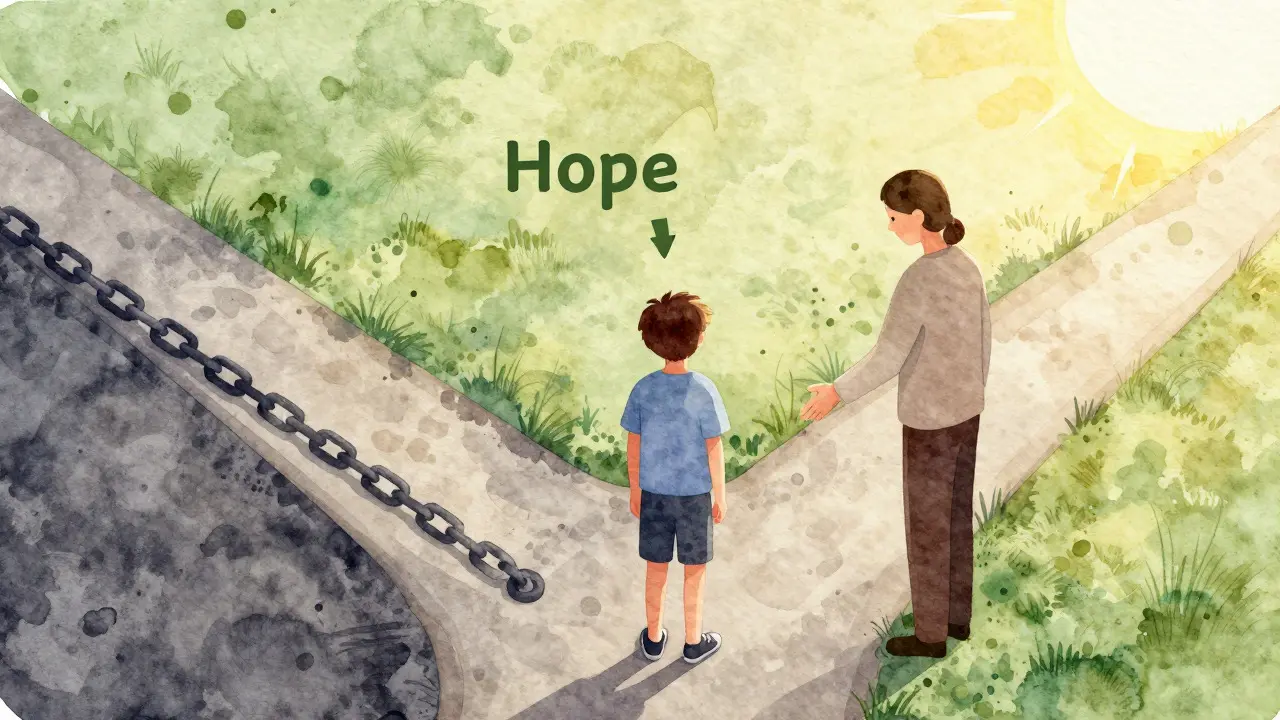
If you suspect a teen is struggling, your reaction matters. The instinct might be to fix the problem immediately, but teens usually need connection before correction. Start by listening without judgment. Avoid phrases like "Just cheer up" or "You have so much to be grateful for." These invalidate their feelings. Instead, try "That sounds really hard. Tell me more about it."
Create a safe space at home. This means reducing criticism and increasing warmth. Ask open-ended questions about their day, not just about grades. Show interest in their passions, whether it is gaming, art, or sports. Small acts of care, like cooking their favorite meal or leaving a supportive note, build trust over time.
For educators, creating inclusive classrooms is essential. Implement regular check-ins and normalize conversations about mental health. Teach coping strategies like deep breathing or mindfulness as part of the curriculum. Schools should also have accessible counselors and clear referral pathways to outside specialists. Collaboration between home and school ensures consistency in support.

Professional Treatment Options
When self-help and family support are not enough, professional intervention is necessary. Therapy is the cornerstone of treatment for most teen mental health issues. Cognitive Behavioral Therapy (CBT) helps teens identify negative thought patterns and replace them with healthier ones. Dialectical Behavior Therapy (DBT) is particularly effective for emotional regulation and impulse control.
In cases of moderate to severe depression or anxiety, medication may be recommended. Antidepressants, such as SSRIs, can balance brain chemistry to make therapy more effective. It is important to work closely with a psychiatrist to monitor side effects and adjust dosages. Medication is not a cure-all, but it can level the playing field.
Family therapy is another powerful option. It addresses systemic issues within the household that may contribute to the teen’s distress. Improving communication styles and resolving conflicts can significantly reduce stress for the adolescent. Always seek licensed professionals who specialize in adolescent psychology. Check credentials and ask about their approach to ensure it aligns with your teen’s needs.
Building Resilience and Coping Skills
Prevention and resilience building are just as important as treatment. Resilience is not about being tough; it is about bouncing back from adversity. Teaching teens practical coping skills equips them to handle stress throughout their lives.
Encourage physical activity. Exercise releases endorphins, natural mood lifters. Even a twenty-minute walk can reduce anxiety. Prioritize sleep hygiene. Teens need eight to ten hours of sleep per night. Establish consistent bedtimes and limit screens before bed to improve sleep quality. Nutrition also plays a role. A diet rich in whole foods, omega-3 fatty acids, and vitamins supports brain health.
Mindfulness practices, such as meditation or journaling, help teens stay present and manage overwhelming emotions. Encourage them to express themselves creatively through music, writing, or art. Building a strong support network of friends, mentors, and family members provides a safety net. Remind them that asking for help is a sign of strength, not weakness.
What is the difference between normal teen moodiness and clinical depression?
Normal moodiness is temporary and situational, often linked to specific events like a breakup or a bad grade. Clinical depression lasts for at least two weeks, affects daily functioning, and includes symptoms like persistent sadness, loss of interest in activities, changes in appetite or sleep, and feelings of worthlessness. If behaviors interfere with school, relationships, or self-care, it is likely clinical.
How can I talk to my teen about their mental health without them shutting down?
Choose a calm, private moment, not during a conflict. Use "I" statements to express concern, such as "I’ve noticed you’ve been quiet lately, and I’m worried." Listen more than you speak. Avoid offering immediate solutions or minimizing their feelings. Validate their experience by saying things like "It makes sense that you feel that way." Patience is key; trust builds over time.
Is therapy effective for teenagers?
Yes, therapy is highly effective for teens when matched with the right modality. CBT and DBT have strong evidence bases for treating anxiety and depression in adolescents. Success depends on the therapeutic alliance-the relationship between the teen and therapist. If the first therapist isn’t a good fit, it is okay to try someone else. Consistency and active participation yield the best results.
Can social media addiction cause mental health issues?
Excessive social media use is strongly correlated with increased rates of anxiety, depression, and poor sleep. The addictive nature of infinite scrolling and dopamine-driven feedback loops can disrupt attention spans and self-esteem. While correlation does not always equal causation, limiting screen time and promoting offline activities can significantly improve mental well-being.
When should I seek emergency help for my teen?
Seek immediate emergency help if your teen expresses thoughts of suicide, self-harm, or harming others. Other signs include giving away possessions, sudden extreme agitation, or hallucinations. Call emergency services or take them to the nearest emergency room. Do not leave them alone. Crisis hotlines like 988 in the US are available 24/7 for immediate support.





Oct 25 2025