

Most of us chase happiness like it’s a finish line. We think if we just get that promotion, buy the house, or hit our fitness goals, the feeling will stick. But here’s the uncomfortable truth: that kind of happiness is fleeting. It fades as soon as the novelty wears off. Real, lasting contentment doesn’t come from changing your circumstances; it comes from changing how you experience them. This is where Mindfulness is the practice of paying attention to the present moment without judgment. It isn’t about emptying your mind or becoming a monk. It’s about waking up to your life as it actually is, right now.
You don’t need a retreat in the Himalayas to start. You just need to understand the mechanism. When you learn to observe your thoughts instead of being hijacked by them, you unlock a different kind of joy. One that is resilient, quiet, and deeply yours.
The Science Behind the Feeling
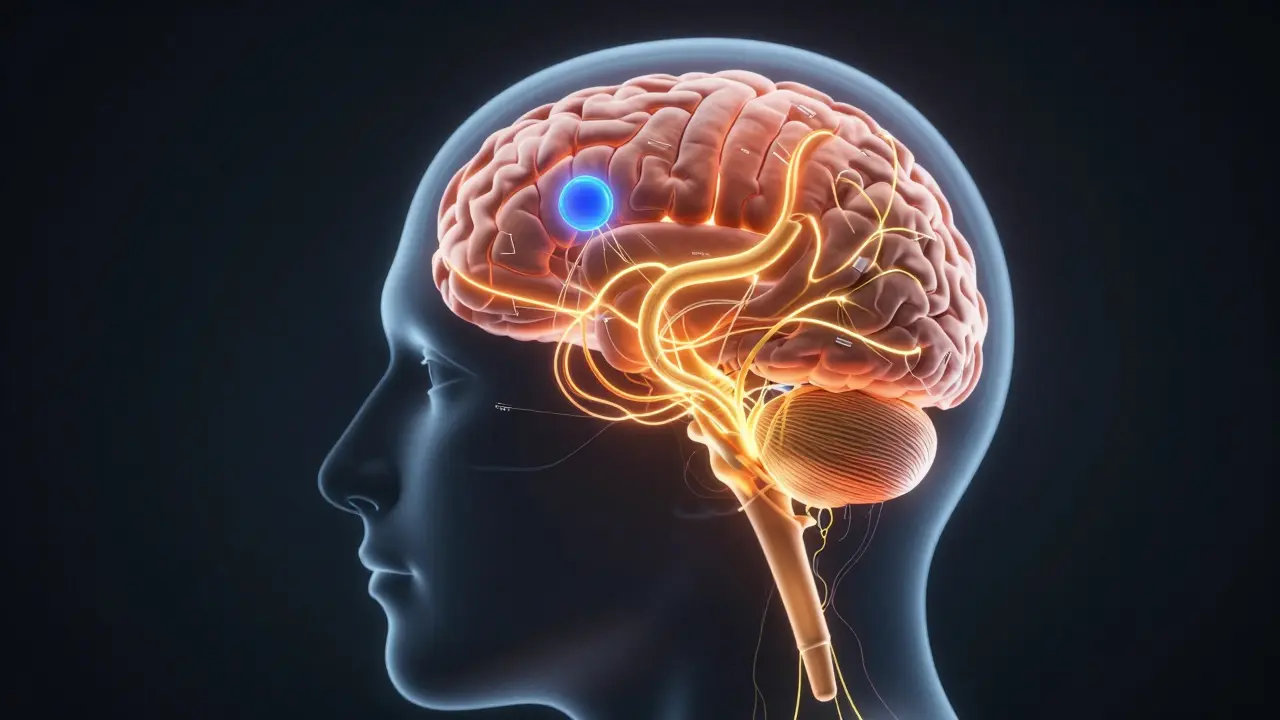
Let’s look at what’s happening under the hood. For decades, mindfulness was dismissed as New Age fluff. Today, neuroscience backs it up. Research from institutions like Harvard and UCLA shows that regular mindfulness practice physically changes the brain. This process is called neuroplasticity.
When you are stressed, your amygdala-the brain’s fear center-lights up. It triggers the fight-or-flight response, flooding your body with cortisol. Over time, this chronic stress shrinks the prefrontal cortex, the area responsible for decision-making and emotional regulation. Mindfulness does the opposite. Studies show that after just eight weeks of consistent practice, participants had increased gray matter density in the hippocampus (linked to learning and memory) and decreased density in the amygdala.
In simple terms, mindfulness trains your brain to stop reacting impulsively to every negative thought. It creates a pause button. That split second between a stimulus and your response is where freedom lives. It’s where you choose peace over panic.
| Brain Region | Function | Effect of Mindfulness |
|---|---|---|
| Amygdala | Fear & Stress Response | Decreases in size/activity; less reactive to threats |
| Prefrontal Cortex | Decision Making & Focus | Increases thickness; better emotional control |
| Hippocampus | Memory & Learning | Increases gray matter; improved recall |
| Default Mode Network (DMN) | Mind Wandering & Self-Referential Thought | Reduces activity; less rumination and anxiety |
Breaking the Autopilot Trap
Think about your morning routine. Do you really taste your coffee? Or do you drink it while scrolling through emails, already worrying about the day ahead? Most of us live on autopilot. We move from task to task, never fully arriving anywhere. Psychologists call this "automatic pilot" mode, and it is the enemy of happiness.
When you’re on autopilot, you miss the small joys. The warmth of the sun on your face. The sound of laughter. The satisfaction of finishing a hard task. Instead, you spend most of your time regretting the past or dreading the future. Mindfulness pulls you out of that loop. It forces you to engage with the current reality.
Try this right now. Put down your phone. Look around the room. Notice three things you can see, two things you can hear, and one thing you can feel. Did you notice how your mind tried to jump back to whatever you were doing? That’s the habit breaking. Every time you bring your attention back to the present, you strengthen your focus muscle.
Practical Ways to Practice Daily
You don’t need an hour of meditation to be mindful. In fact, trying to sit still for too long when you’re a beginner can lead to frustration. Start small. Integrate mindfulness into activities you already do.
- Mindful Eating: Eat one meal a day without distractions. No TV, no phone. Chew slowly. Notice the texture and flavor of each bite. This not only improves digestion but also helps you recognize hunger cues, preventing overeating.
- Mindful Walking: Instead of rushing to your destination, walk with intention. Feel your feet hit the ground. Notice the rhythm of your breath. Let go of the urge to speed up.
- The Pause Button: Before you react to a stressful email or a rude comment, take one deep breath. Ask yourself: "Is my reaction helpful?" This tiny gap prevents unnecessary conflict and regret.
- Body Scan: Lie down for five minutes before bed. Mentally scan your body from toes to head. Release tension in your jaw, shoulders, and hands. This signals to your nervous system that it’s safe to rest.
Consistency beats intensity. Five minutes a day is better than one hour once a week. The goal is to weave awareness into the fabric of your daily life, not to add another chore to your to-do list.
Mindfulness vs. Positive Thinking
There is a common misconception that mindfulness is just another form of positive thinking. It’s not. Positive thinking often involves suppressing negative emotions or forcing a "good vibe." Mindfulness is about acceptance. It allows you to feel sadness, anger, or fear without judging yourself for having those feelings.
Imagine you’re stuck in traffic. A positive thinker might say, "At least I’m not late!" which can feel fake if you’re actually furious. A mindful person acknowledges, "I am feeling angry because I’m stuck. My heart is racing. This is uncomfortable, but it will pass." By naming the emotion, you detach from it. You stop fighting reality, which reduces suffering. Acceptance doesn’t mean you like the situation; it means you stop wasting energy wishing it were different so you can deal with it effectively.

Overcoming Common Pitfalls
If you’ve tried mindfulness and quit, you probably ran into one of these hurdles. Knowing them helps you push through.
"My mind won’t stop wandering." This is normal. Your job isn’t to stop thoughts; it’s to notice when you’ve wandered and gently return. Each return is a rep. It’s like lifting weights for your brain. Don’t judge yourself for drifting; celebrate the act of coming back.
"It feels boring." Boredom is a signal that your brain is craving stimulation. Sit with the boredom. Often, beneath the boredom lies a sense of calm you haven’t noticed because you’re always chasing dopamine hits from screens.
"I don’t have time." You have time. You just need to borrow it from distraction. If you spend 30 minutes doom-scrolling, you can spare 5 minutes for mindfulness. Reframe it as investing in your mental clarity, not spending time.
Building a Sustainable Routine
To make mindfulness stick, anchor it to an existing habit. This is called habit stacking. After you brush your teeth, stand still for 60 seconds and breathe. After you pour your morning coffee, smell the aroma before taking the first sip. These micro-moments accumulate.
Track your progress, but not in a rigid way. Use a simple calendar app or a journal. Mark an X for every day you practice. The visual chain motivates you to keep going. Remember, the aim isn’t perfection. It’s presence. Some days you’ll be fully centered; other days you’ll be distracted and frustrated. Both are part of the practice. The key is to show up anyway.
Happiness isn’t a destination you reach. It’s a manner of traveling. By cultivating mindfulness, you change the lens through which you view the world. You stop waiting for life to be perfect and start appreciating it as it is. And that shift? That’s where true freedom begins.
How long does it take for mindfulness to improve happiness?
Research suggests that significant neurological changes can occur after eight weeks of consistent practice. However, many people report feeling calmer and more focused within the first few days. The benefits compound over time, so even short daily sessions yield results.
Can mindfulness help with anxiety and depression?
Yes, mindfulness-based cognitive therapy (MBCT) is clinically proven to reduce the risk of relapse in depression and lower symptoms of anxiety. It helps break the cycle of rumination and catastrophic thinking. However, it should complement, not replace, professional medical treatment for severe conditions.
Do I need to meditate to be mindful?
No. Meditation is a formal practice that builds mindfulness skills, but mindfulness itself can be practiced anytime. Washing dishes, listening to a friend, or walking can all be done mindfully. Formal meditation makes informal mindfulness easier, but it’s not a strict requirement.
What is the difference between mindfulness and relaxation?
Relaxation aims to reduce stress and induce calm. Mindfulness aims to increase awareness. Sometimes mindfulness leads to relaxation, but other times it brings up difficult emotions that need to be processed. Mindfulness is about seeing clearly, regardless of whether the experience is pleasant or unpleasant.
Is mindfulness religious?
While mindfulness has roots in Buddhist traditions, modern secular mindfulness is entirely non-religious. It focuses on psychological well-being and brain function. You do not need to adopt any spiritual beliefs to benefit from the practice.