Does your stomach feel like a stormy sea after every meal? You are not alone. Millions of people struggle with bloating, irregular bowel movements, and that heavy, sluggish feeling that ruins their day. We often blame it on stress or bad food choices, but the real culprit might be deeper inside. The secret to better digestion isn't just about what you eat; it is about who lives in your gut.
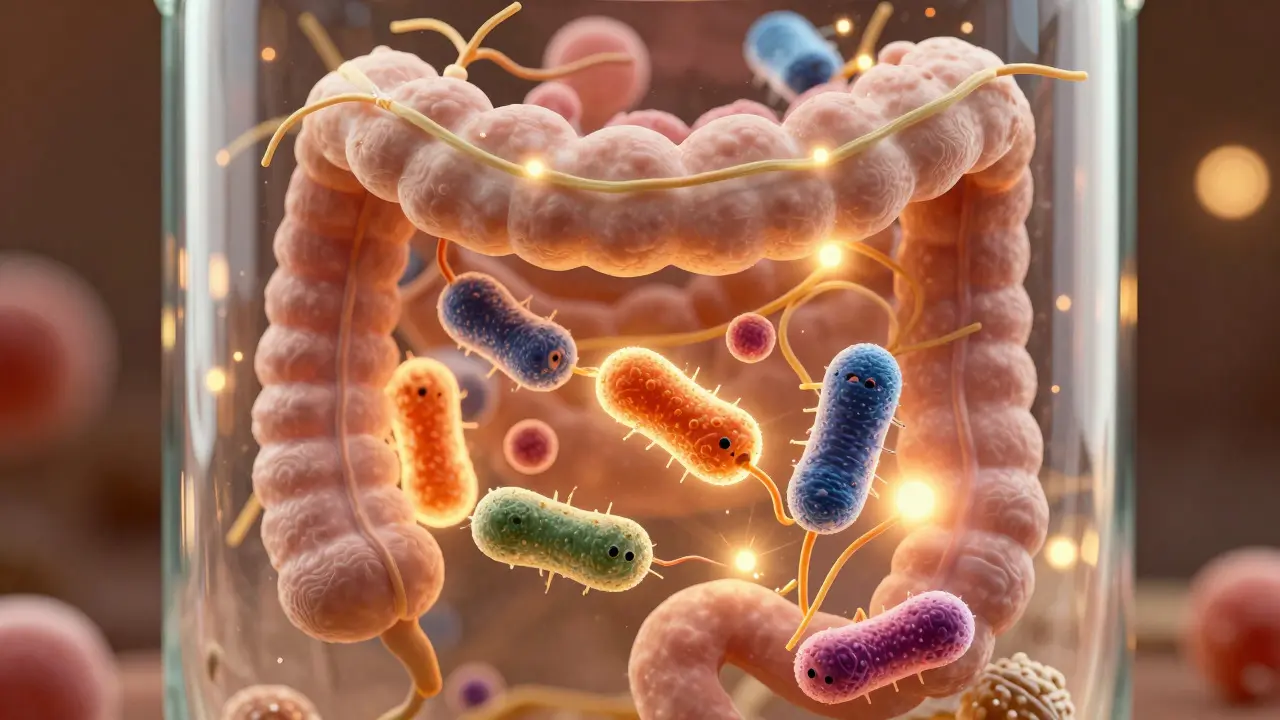
Your digestive system is home to trillions of microorganisms. This community, known as the gut microbiome, which consists of bacteria, viruses, fungi, and other microbes living in your digestive tract, plays a massive role in how you feel. When this ecosystem is balanced, you digest food efficiently, absorb nutrients properly, and feel energetic. When it is out of whack, problems arise. Let’s look at how to fix this imbalance naturally.
Understanding Your Gut Microbiome
To improve your digestion, you first need to understand the players involved. Think of your gut like a garden. Some plants (bacteria) are helpful, some are neutral, and some are weeds that cause trouble. The goal is to encourage the good plants to grow while keeping the weeds under control.
The gut microbiome does more than just break down fiber. It produces vitamins like Vitamin K and B vitamins. It also communicates with your brain through the vagus nerve, influencing your mood and mental clarity. Research shows that an unhealthy gut can lead to anxiety, brain fog, and even skin issues like acne. So, fixing your digestion is really about fixing your overall health.
There are two main types of beneficial bacteria we focus on: Lactobacillus and Bifidobacterium. These strains help break down complex carbohydrates, fight off harmful pathogens, and strengthen the intestinal lining. Without them, toxins can leak into your bloodstream, causing inflammation throughout the body.
Probiotics vs. Prebiotics: What’s the Difference?
You have probably heard these terms thrown around in health stores, but they do different jobs. Confusing them is a common mistake that stops people from seeing results.
Probiotics are live microorganisms that provide health benefits when consumed in adequate amounts. They are the seeds you plant in your garden. You find them in fermented foods and supplements. On the other hand, Prebiotics are non-digestible fibers that feed beneficial gut bacteria. They are the fertilizer. Without prebiotics, your probiotics may not survive or thrive.
| Feature | Probiotics | Prebiotics |
|---|---|---|
| Definition | Live beneficial bacteria | Fiber that feeds bacteria |
| Source Examples | Yogurt, Kefir, Sauerkraut | Garlic, Onions, Bananas, Oats |
| Primary Function | Populate the gut with good bugs | Nourish existing good bugs |
| Effect on Digestion | Reduces bloating, improves regularity | Promotes satiety, stabilizes blood sugar |
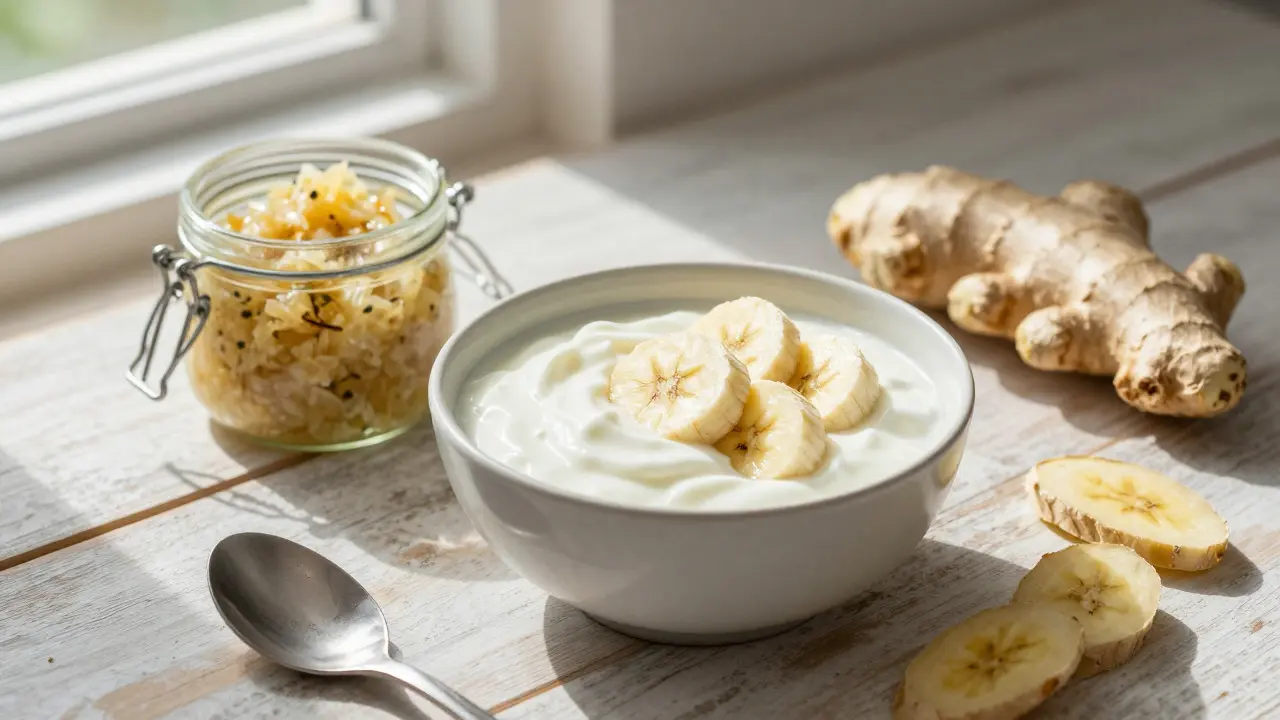
The best approach is to combine both. Eating yogurt (probiotic) with a banana (prebiotic) creates a powerful synergy. This combination ensures that the new bacteria have the fuel they need to colonize your gut effectively.
Foods That Heal Your Gut
Not all healthy foods are created equal when it comes to digestion. Some foods soothe the gut lining, while others irritate it. Here are specific foods that act as medicine for your digestive system.
- Fermented Vegetables: Sauerkraut and kimchi are packed with diverse strains of lactobacilli. Unlike store-bought pickles, which are pasteurized and kill the bacteria, raw fermented veggies keep the microbes alive. Aim for one small serving daily.
- Bone Broth: Rich in collagen and amino acids like glutamine, bone broth helps repair the intestinal lining. If you suffer from "leaky gut" symptoms like frequent headaches or fatigue, adding a cup of homemade bone broth to your diet can make a significant difference.
- Ginger: This root speeds up gastric emptying. If you feel full too quickly or experience nausea, ginger tea or fresh ginger in meals can help move food through your system smoothly.
- Omega-3 Fatty Acids: Found in fatty fish like salmon and mackerel, omega-3s reduce inflammation in the gut. Chronic inflammation damages the mucosal barrier, leading to digestive distress.
Avoid processed sugars and artificial sweeteners. Studies suggest that certain artificial sweeteners, like sucralose and aspartame, can negatively alter gut bacteria composition, reducing diversity and increasing inflammation. Stick to whole, single-ingredient foods whenever possible.
Lifestyle Factors Impacting Digestion
What you eat is only half the equation. How you live affects your gut just as much. Stress is a major disruptor of gut health. When you are stressed, your body releases cortisol, which slows down digestion and alters the balance of your microbiome.
Sleep is another critical factor. Your gut has its own circadian rhythm. Irregular sleep patterns confuse this internal clock, leading to poor digestion and irregular bowel habits. Aim for seven to nine hours of quality sleep each night. Keep a consistent bedtime and wake-up time, even on weekends.
Movement matters too. Physical activity stimulates peristalsis, the wave-like muscle contractions that move food through your intestines. A simple 20-minute walk after meals can significantly reduce bloating and aid digestion. Sedentary lifestyles are linked to lower microbial diversity, so get moving.

Common Mistakes to Avoid
Many people try to fix their gut health but end up making things worse by following trendy advice without understanding the basics. Here are three common pitfalls.
- Overusing Antibiotics: While sometimes necessary, antibiotics wipe out both good and bad bacteria. If you must take them, follow up with high-quality probiotics and prebiotic-rich foods to rebuild your microbiome. Never take antibiotics unless prescribed by a doctor.
- Eating Too Fast: Digestion begins in the mouth. Chewing thoroughly breaks down food mechanically and mixes it with saliva, which contains enzymes. Rushing through meals means your stomach has to work harder, leading to indigestion and gas.
- Ignoring Hydration: Water is essential for breaking down food and keeping stools soft. Dehydration leads to constipation, which allows waste products to sit in the colon longer, feeding harmful bacteria. Drink water consistently throughout the day, not just when you are thirsty.
When to See a Doctor
While dietary changes help most people, some symptoms require professional attention. Persistent abdominal pain, unexplained weight loss, blood in stool, or chronic diarrhea could indicate conditions like Irritable Bowel Syndrome (IBS), Inflammatory Bowel Disease (IBD), or celiac disease.
Do not self-diagnose based on internet articles. A gastroenterologist can perform tests to identify specific imbalances or diseases. Early detection leads to better outcomes. Listen to your body; if something feels wrong for more than a few weeks, seek medical advice.
How long does it take to see improvements in gut health?
Most people notice reduced bloating and improved energy within two to four weeks of consistent dietary changes. However, fully restoring a balanced microbiome can take several months. Consistency is key; sporadic efforts yield minimal results.
Are probiotic supplements necessary if I eat well?
For many people, a diet rich in fermented foods provides enough probiotics. Supplements are useful if you have taken antibiotics recently, suffer from specific digestive disorders, or cannot tolerate fermented foods. Look for supplements with multiple strains and at least 10 billion CFUs.
Can stress really cause digestive problems?
Yes. The gut-brain axis connects your emotional center to your digestive system. Stress hormones slow digestion, alter gut motility, and change bacterial composition. Managing stress through mindfulness, exercise, or therapy directly supports gut health.
What is the best time to take probiotics?
It is generally recommended to take probiotics with a meal, especially one containing fats, which protects the bacteria from stomach acid. Taking them on an empty stomach may result in fewer bacteria surviving the journey to the intestines.
Is gluten always bad for gut health?
Gluten is only problematic for those with celiac disease, non-celiac gluten sensitivity, or wheat allergy. For the general population, moderate gluten consumption does not harm gut health. Eliminating it unnecessarily can reduce fiber intake if not replaced with whole grains.