
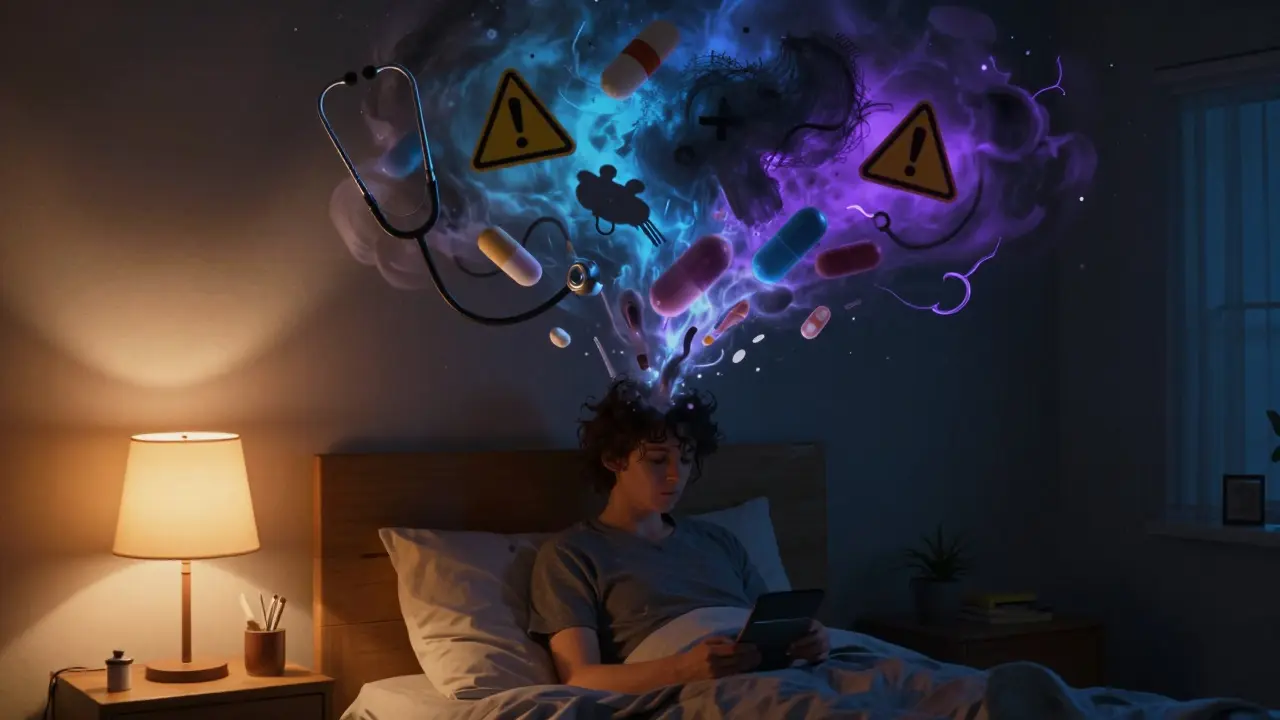
Have you ever woken up in a cold sweat because a minor headache felt like a warning sign of something catastrophic? You’re not alone. This relentless cycle of checking your body for signs of disease is known as health anxiety, formerly referred to as hypochondria. It is a mental health condition where the fear of having or developing a serious illness dominates your thoughts, even when medical tests show no evidence of disease.
This isn’t just about being cautious with your health. For those living with it, the mind interprets normal bodily sensations-like a skipped heartbeat or a twitching muscle-as proof of impending doom. The result is a exhausting loop of worry, research, and doctor visits that can take over your life. Understanding why this happens and how to break the cycle is the first step toward reclaiming your peace of mind.
What Is Health Anxiety?
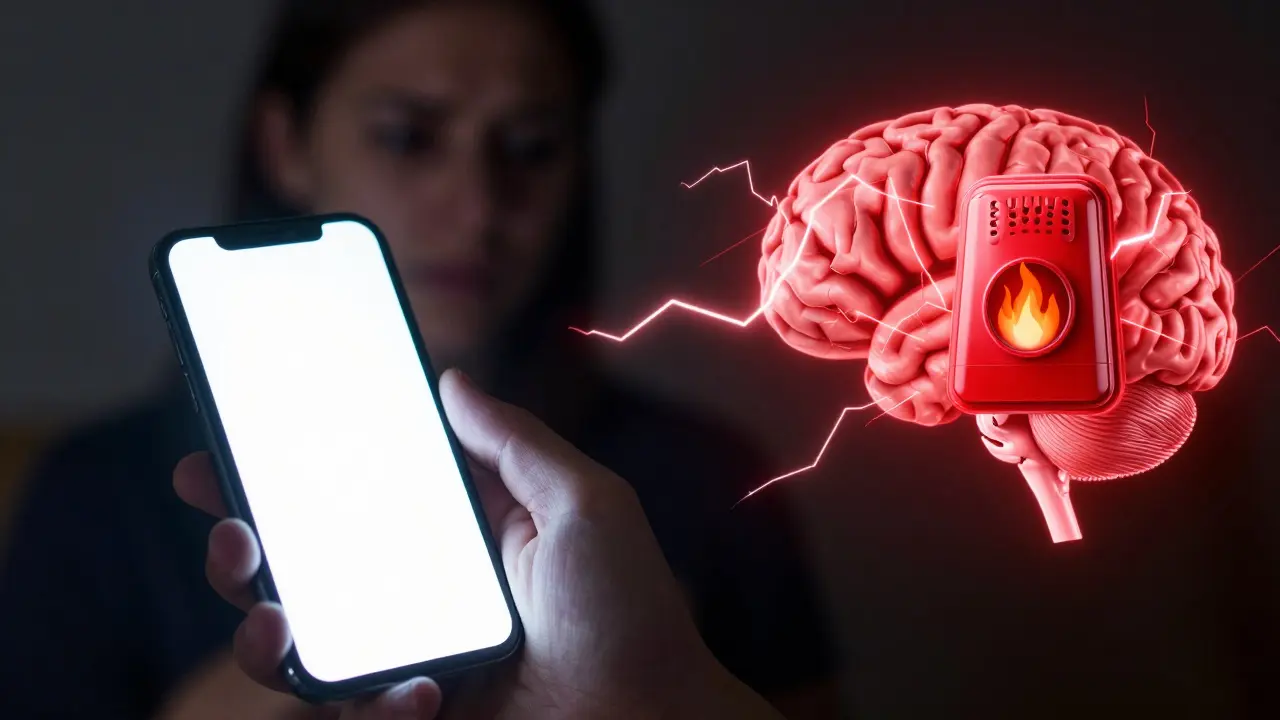
To understand illness anxiety disorder (IAD), we have to look at how the brain processes threat. In a healthy system, your brain scans for danger to keep you safe. With health anxiety, this alarm system is stuck in the 'on' position. A benign symptom, such as indigestion, is misinterpreted as a sign of gastric cancer. A slight rash becomes skin cancer. The intensity of the fear is disproportionate to the actual risk.
The Diagnostic and Statistical Manual of Mental Disorders (DSM-5) classifies this under obsessive-compulsive and related disorders. It distinguishes between two main presentations:
- Somatic Symptom Disorder: Where the person experiences significant physical pain or discomfort that causes distress.
- Illness Anxiety Disorder: Where physical symptoms are mild or absent, but the fear of having a disease is severe.
It’s important to note that people with health anxiety aren’t faking their symptoms. The distress is real, and the physical sensations they feel are genuine. However, the interpretation of those sensations is skewed by anxiety. This distinction is crucial for getting the right kind of help, which focuses on mental health rather than endless medical testing.
Why Does Health Anxiety Happen?
There is rarely a single cause for health anxiety. Instead, it usually stems from a combination of psychological, environmental, and biological factors. Think of it as a perfect storm where several elements align to create a heightened state of vigilance.
Past Trauma and Experience
If you grew up in a household where illness was frequent, or if you had a serious health scare yourself, your brain may have learned to associate bodily changes with danger. For example, if a parent died suddenly from a heart attack, you might become hyper-aware of any chest tightness. This is a survival mechanism gone into overdrive.
Personality Traits
Certain personality types are more prone to health anxiety. People who are perfectionists, have high levels of neuroticism, or struggle with uncertainty often find it hard to tolerate the ambiguity of "maybe I’m fine." They need certainty, and since medicine cannot guarantee 100% safety, they remain in a state of chronic worry.
The Internet Age
We live in an era of information overload. While the internet provides access to incredible medical knowledge, it also fuels what experts call "cyberchondria." Searching for symptoms online often leads to worst-case scenarios. Algorithms prioritize engaging content, which is often sensationalized stories of rare diseases. This creates a feedback loop: you feel a symptom, you search it, you read a scary article, your anxiety spikes, and you feel the symptom more intensely.
Recognizing the Signs: Beyond the Physical
Health anxiety manifests in behaviors that seem contradictory. On one hand, you might avoid doctors for fear of bad news. On the other, you might visit them weekly for reassurance. Here are the common patterns associated with health anxiety symptoms:
- Body Checking: Constantly touching your lymph nodes, checking your pulse, or examining moles in the mirror multiple times a day.
- Reassurance Seeking: Asking friends, family, or doctors repeatedly if you look sick or if a symptom is normal. The relief is temporary, and the doubt returns quickly.
- Avoidance: Staying away from hospitals, cemeteries, or people who are ill because these triggers spike your anxiety.
- Excessive Research: Spending hours reading medical journals or forums, trying to self-diagnose every minor ache.
These behaviors provide short-term relief but reinforce the anxiety in the long run. Every time you check your pulse, you teach your brain that the pulse is a threat that needs monitoring. Over time, this makes you more sensitive to bodily sensations, creating a vicious cycle.
How Health Anxiety Differs from Normal Worry
Everyone worries about their health occasionally. If you have a persistent cough, it’s normal to wonder if it’s pneumonia. The difference lies in the impact on your daily life and the duration of the concern.
| Feature | Normal Concern | Health Anxiety |
|---|---|---|
| Duration | Temporary, resolves with diagnosis or recovery | Persistent, lasting 6 months or more |
| Response to Reassurance | Felt relieved after doctor says "you're fine" | Relief is fleeting; doubt returns within days |
| Impact on Life | Minimal disruption to work or relationships | Significant interference with daily activities |
| Focus | On specific symptoms | On the possibility of having *any* serious disease |
If your worry prevents you from enjoying life, strains your relationships, or leads to unnecessary medical procedures, it has crossed the line from concern to disorder.
Treatment Options That Actually Work
Good news: health anxiety is highly treatable. The goal isn’t to eliminate all fear of illness-that’s impossible-but to reduce the anxiety to a manageable level so it doesn’t control your life. The gold standard treatment is Cognitive Behavioral Therapy (CBT).
Cognitive Behavioral Therapy (CBT)
CBT helps you identify and challenge the distorted thoughts driving your anxiety. For instance, if you think, "This headache means I have a brain tumor," CBT teaches you to examine the evidence. Is there proof? What are the more likely explanations? (e.g., dehydration, stress). Over time, you learn to reframe these automatic negative thoughts.
Exposure and Response Prevention (ERP), a subset of CBT, is particularly effective. It involves gradually exposing yourself to health-related triggers (like reading a medical article) without engaging in safety behaviors (like Googling symptoms or checking your pulse). This breaks the link between the trigger and the anxiety response.
Medication
In some cases, medication can help manage the underlying anxiety. Selective Serotonin Reuptake Inhibitors (SSRIs) are commonly prescribed. They don’t cure health anxiety directly but can lower the overall baseline of anxiety, making it easier to engage in therapy. Always consult a psychiatrist before starting or changing medication.
Mindfulness and Acceptance
Techniques from Acceptance and Commitment Therapy (ACT) encourage you to accept uncomfortable thoughts without fighting them. Instead of trying to suppress the fear of illness, you observe it as a passing mental event. Mindfulness practices help you stay grounded in the present moment, reducing the tendency to catastrophize future possibilities.
Practical Steps to Manage Health Anxiety Daily
While professional help is essential, there are things you can do daily to support your mental health. These strategies complement therapy and help build resilience against intrusive thoughts.
- Set Limits on Medical Research: Designate a specific time for health-related questions, then stick to it. Avoid late-night Googling. If you must search, use reputable sources like the Mayo Clinic or WebMD, and stop after finding one clear answer.
- Reduce Body Checking: Start small. If you check your pulse five times a day, try doing it four. Gradually reduce the frequency. Replace the habit with a distracting activity, like calling a friend or going for a walk.
- Practice Uncertainty Tolerance: Remind yourself that no one can predict the future with 100% accuracy. Practice saying, "I don’t know if I’ll get sick, and that’s okay." This builds mental flexibility.
- Stay Connected: Isolation feeds anxiety. Spend time with supportive friends and family who won’t enable your reassurance-seeking but will offer empathy.
- Maintain a Healthy Lifestyle: Regular exercise, adequate sleep, and balanced nutrition improve overall mood and reduce general anxiety levels. A healthy body supports a healthy mind.
Supporting Someone with Health Anxiety
If you love someone struggling with health anxiety, your role is delicate. You want to be supportive without enabling their behavior. Avoid providing excessive reassurance. Saying "You’re fine" might feel helpful in the moment, but it reinforces the idea that they need external validation to feel safe.
Instead, validate their feelings while encouraging independence. Try saying, "I can see you’re really worried, and I care about you. But I trust your doctor’s assessment. Let’s talk about something else." Encourage them to follow through with their treatment plan and celebrate small victories, like skipping a non-essential doctor’s visit.
Remember, you are not their therapist. Set boundaries to protect your own mental health. If their anxiety is affecting your relationship significantly, consider couples counseling or seeking guidance from a mental health professional on how best to support them.
Can health anxiety go away completely?
For many people, health anxiety can be managed effectively to the point where it no longer interferes with daily life. While some may always be slightly more attuned to their bodies, therapy can help them respond to symptoms with calm rather than panic. Recovery is a process, not a switch, but significant improvement is very achievable.
Is health anxiety the same as OCD?
They are closely related. Both involve intrusive thoughts and compulsive behaviors (checking, researching). In the DSM-5, health anxiety is categorized under obsessive-compulsive and related disorders. Many treatments for OCD, like Exposure and Response Prevention, are also effective for health anxiety.
How do I stop Googling my symptoms?
Start by setting strict boundaries. Delete health apps or bookmarks that trigger anxiety. When the urge to search arises, delay it for 10 minutes, then 20, then an hour. Use distraction techniques during the delay. Over time, the urge will weaken. Consider using website blockers during high-anxiety hours.
When should I see a doctor for health anxiety?
If your fear of illness is causing significant distress, interfering with your work or relationships, or leading to excessive medical visits, it’s time to seek help. Start with a primary care physician to rule out any physical issues, then ask for a referral to a mental health specialist who specializes in anxiety disorders.
Does meditation help with health anxiety?
Yes, mindfulness meditation can be very helpful. It trains your brain to observe thoughts without judgment. Instead of getting caught up in the story of "I’m dying," you learn to notice the thought "I’m dying" as just a mental event. Regular practice reduces the overall intensity of anxiety responses.