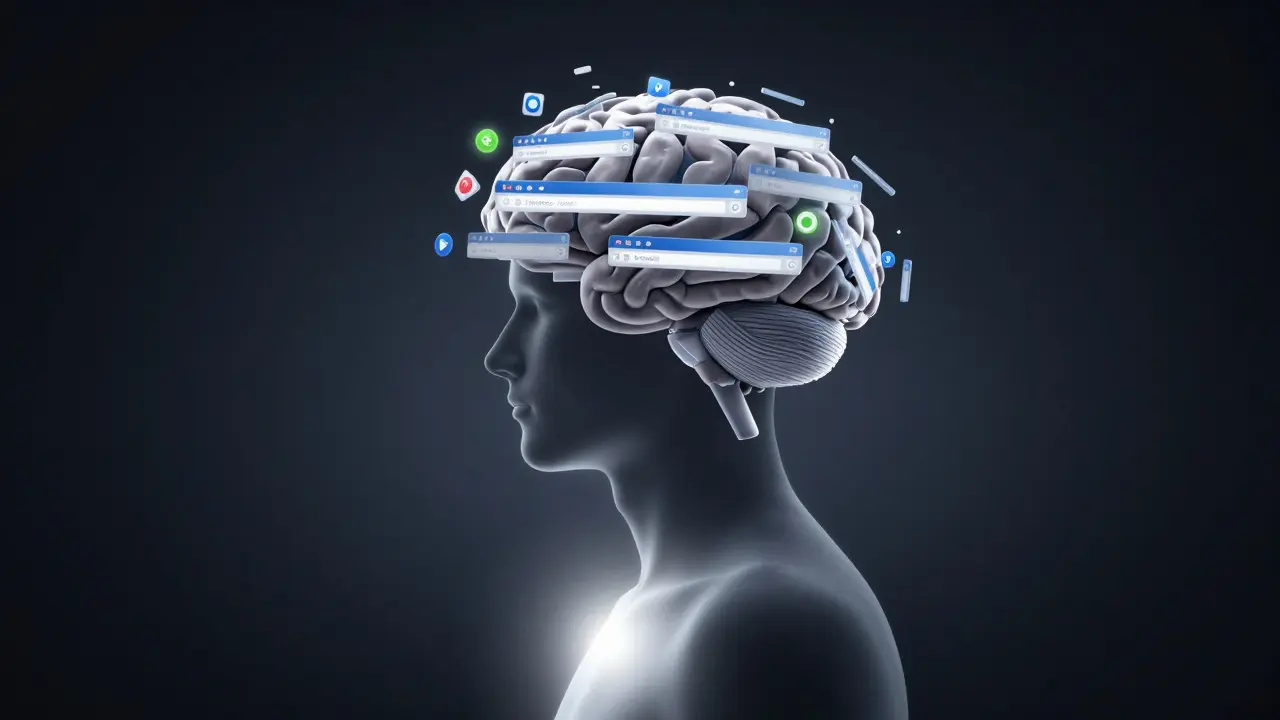
Ever felt like your brain has too many tabs open and they're all frozen? Most of us treat stress like a background noise we just have to live with, but that chronic tension actually rewires your nervous system. When you're stuck in a state of high alert, your body pumps out cortisol and adrenaline, which is great for escaping a tiger but terrible for sitting in a boardroom or trying to sleep. Learning relaxation techniques isn't about escaping reality for an hour; it's about giving your body the signal that it's safe to shut down the alarm system and actually recover.
Quick Wins for Instant Calm
- Box Breathing: Inhale for 4, hold for 4, exhale for 4, hold for 4. Great for panic spikes.
- 5-4-3-2-1 Grounding: Name 5 things you see, 4 you can touch, 3 you hear, 2 you smell, and 1 you can taste.
- Cold Water Shock: Splash ice-cold water on your face to trigger the mammalian dive reflex and lower your heart rate.
The Science of Why We Crash
To fix the stress, we have to understand the machinery. Your body operates on two primary modes: the sympathetic nervous system (fight or flight) and the parasympathetic nervous system (rest and digest). Cortisol is a steroid hormone produced by the adrenal glands that regulates stress responses, metabolism, and immune response. While it's helpful in short bursts, having high levels for weeks on end leads to brain fog, weight gain around the midsection, and a weakened immune system.
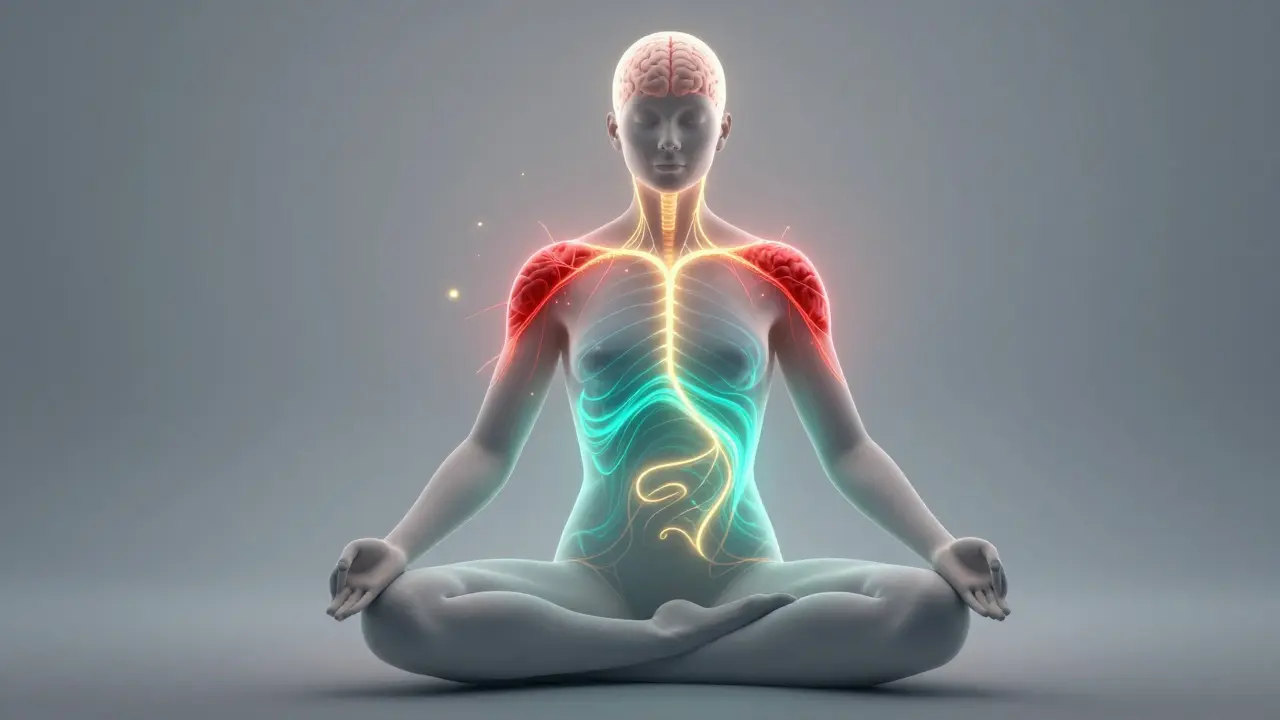
When we use relaxation methods, we are essentially "hacking" the Vagus Nerve, which is the longest cranial nerve in the body that controls the parasympathetic nervous system. By stimulating this nerve through specific breathing or physical movements, you tell your brain to stop the cortisol production and start the recovery process. It's the difference between a car idling at 7,000 RPMs and finally shifting into neutral.
Mastering the Breath
Breathing is the only part of your autonomic nervous system that you can control consciously. This makes it the most powerful tool for immediate balance. Let's look at a few specific methods that actually move the needle on your physiology.
Diaphragmatic Breathing, often called belly breathing, is a technique that engages the diaphragm to allow full oxygen exchange in the lungs. Most of us breathe "shallowly" from the chest, which actually signals more stress to the brain. To do this, place one hand on your chest and one on your belly. Only the belly hand should move. This approach lowers the heart rate and reduces blood pressure almost instantly.
Then there's the 4-7-8 technique. You inhale for 4 seconds, hold for 7, and exhale forcefully through your mouth for 8. The long exhale is the secret sauce here; it forces the heart rate to slow down. If you're lying in bed at 2 AM with your mind racing about a project deadline, this is your best bet for falling asleep.
Physical Release and Muscle Tension
Stress doesn't just live in your head; it settles in your jaw, your shoulders, and your lower back. You might not even notice you're clenching your teeth until you try to relax and realize how tight your muscles are. This is where Progressive Muscle Relaxation (PMR) comes in. PMR is a technique where you tense and then release specific muscle groups in a sequence to achieve a deep state of physical relaxation.
Try this: start with your toes. Curl them tightly for five seconds, then let them go completely limp for ten seconds. Move up to your calves, then thighs, glutes, and all the way up to your forehead. The contrast between the tension and the release teaches your brain to recognize exactly what "relaxed" feels like, making it easier to maintain that state throughout the day.
| Technique | Primary Effect | Time Required | Best Use Case |
|---|---|---|---|
| Box Breathing | Immediate Heart Rate Drop | 2-5 Minutes | High-stress meetings/Panic |
| PMR | Physical Tension Release | 15-20 Minutes | Insomnia/Chronic tension |
| Mindfulness Meditation | Mental Clarity/Focus | 10-30 Minutes | General anxiety/Daily habit |
| 4-7-8 Breath | Sleep Induction | 3 Minutes | Bedtime/Acute stress |
The Mental Game: Mindfulness and Meditation
If breathing is the "off switch" for the body, Mindfulness is the "volume knob" for the mind. Mindfulness is the psychological process of bringing one's attention to experiences occurring in the present moment. It isn't about clearing your mind-that's impossible. It's about noticing that your mind is wandering and gently bringing it back without judging yourself.
Meditation, while often used interchangeably with mindfulness, is the structured practice of this awareness. Whether it's Zen meditation or a guided session via an app, the goal is to move from "doing mode" (solving problems) to "being mode" (observing). When you stop fighting the stress and simply observe it, the stress loses its power over you. You realize that a thought is just a thought, not necessarily a fact.
Creating a Ritual for Recovery
You can't expect a ten-minute breathing exercise to cancel out twelve hours of chaos if you don't have a recovery system. Think of your mental health like a battery; you can't just charge it once a month. You need a daily ritual. This could be a "digital sunset" where you turn off all screens at 8 PM, or a short walk in nature.
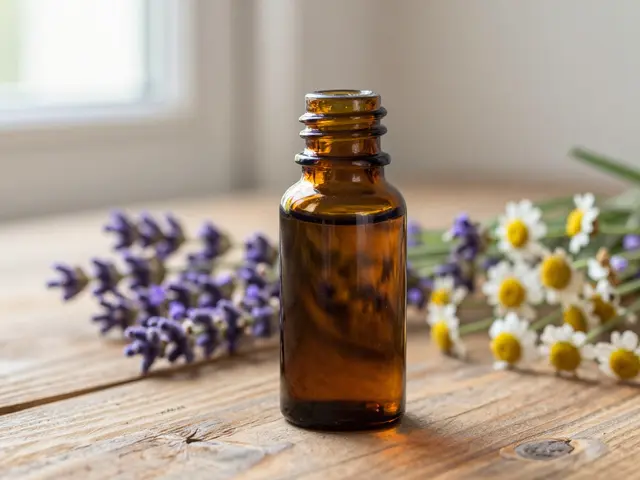
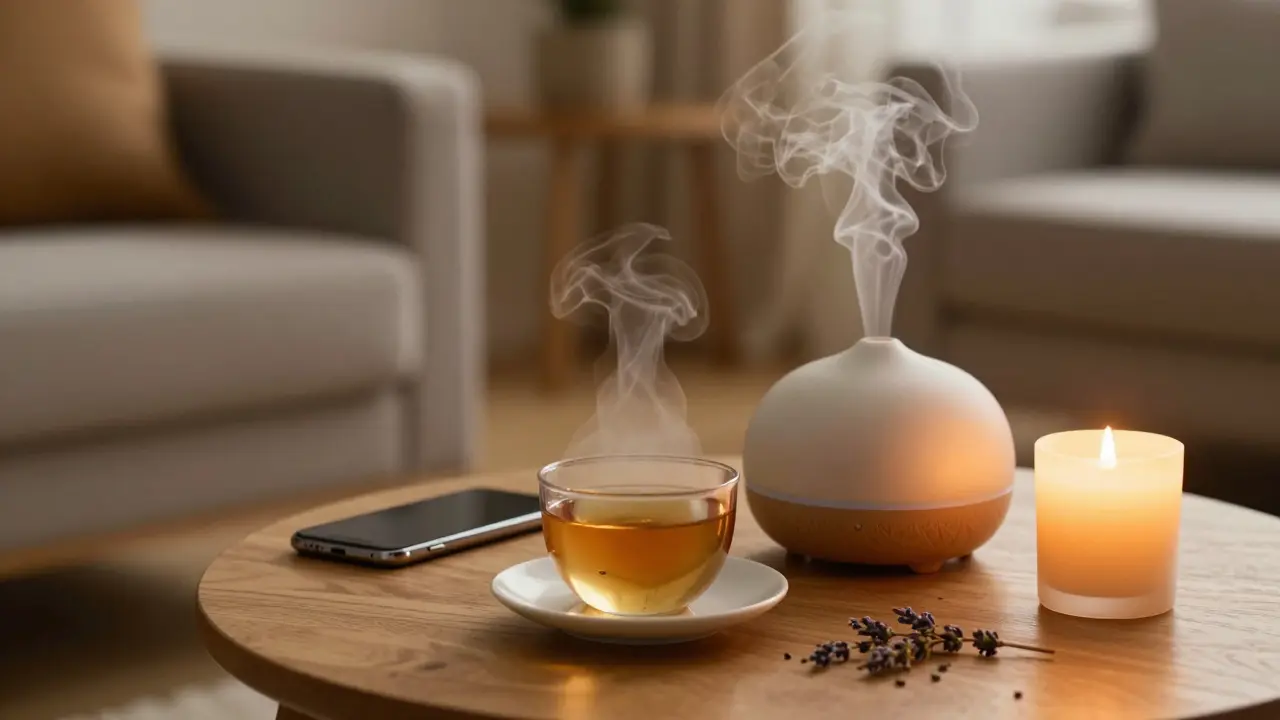
Environment plays a huge role here. Aromatherapy is the use of concentrated plant extracts, such as essential oils, to promote health and well-being. While some call it placebo, scents like lavender or sandalwood interact with the olfactory system to trigger the brain's limbic system, which handles emotions. Lighting a specific candle or using a diffuser can act as a sensory cue, telling your brain, "We are now entering the relaxation zone." Your brain begins to associate that smell with safety, making it easier to wind down.
Common Pitfalls and How to Avoid Them
One of the biggest mistakes people make is trying to "force" relaxation. If you're lying there thinking, "Why am I not relaxed yet? I'm doing the breathing, why is my heart still racing?", you're actually creating more stress. Relaxation is a skill, not a switch. The first few times you try meditation, your mind will feel like a monkey on caffeine. That's normal. The success isn't in the silence; it's in the act of returning to the breath.
Another trap is waiting until you're at a breaking point to use these tools. If you only breathe deeply when you're having a panic attack, your brain associates these techniques with panic. Instead, practice these methods when you're already feeling okay. Build the muscle memory during the calm times so that when the storm hits, your body knows exactly how to respond.
Can I use these techniques during a work meeting?
Absolutely. Box breathing and diaphragmatic breathing are invisible. You can do them while listening to a presentation or typing an email, and no one will know. It's a great way to keep your cortisol levels in check without leaving your desk.
How long does it take for these techniques to actually work?
Physiologically, things like the 4-7-8 breath or cold water splashes work in seconds because they trigger biological reflexes. However, long-term changes in your stress baseline-meaning you feel less anxious overall-usually take 2 to 4 weeks of consistent daily practice.
Do I need special equipment for mindfulness?
Not at all. The only equipment you need is your own breath and a place to sit or lie down. While apps and cushions can be helpful, the core of mindfulness is simply awareness, which is available to you anywhere, from a crowded bus to a quiet room.
Is progressive muscle relaxation safe for everyone?
Generally, yes. However, if you have a history of muscle spasms, severe hypertension, or specific physical injuries, you should consult a doctor. The key is to tense the muscles comfortably-never to the point of pain.
Why do I feel more anxious when I first start meditating?
This is common. When you stop the constant noise of activity, you finally hear the thoughts you've been suppressing. It's like cleaning a messy room; it looks worse before it gets better. Just keep observing the thoughts without judging them, and they will eventually settle.
Next Steps for Your Balance Journey
If you're overwhelmed, don't try to do everything at once. Pick one "fast" technique (like Box Breathing) for emergencies and one "slow" technique (like PMR or Meditation) for your nightly routine. If you find that you can't settle your mind even with these tools, it might be worth exploring a structured course in Mindfulness-Based Stress Reduction (MBSR) or talking to a professional to identify the root causes of your tension.
Start today by simply taking three deep, belly breaths. Right now. Feel the air hit the bottom of your lungs, let your shoulders drop an inch, and exhale slowly. That's the first step toward getting your mind and body back on the same page.

Feb 15 2025