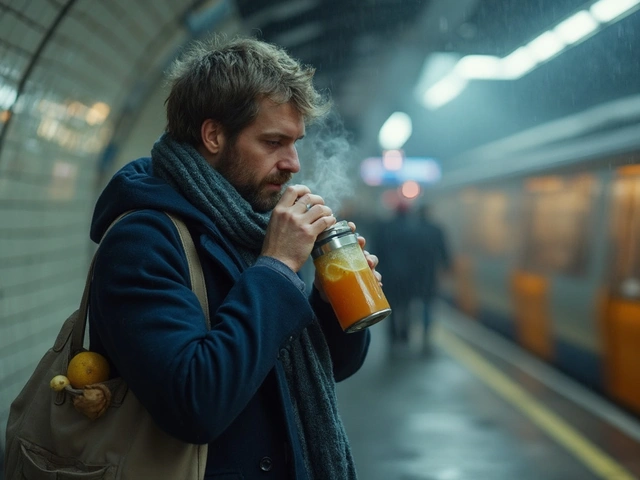
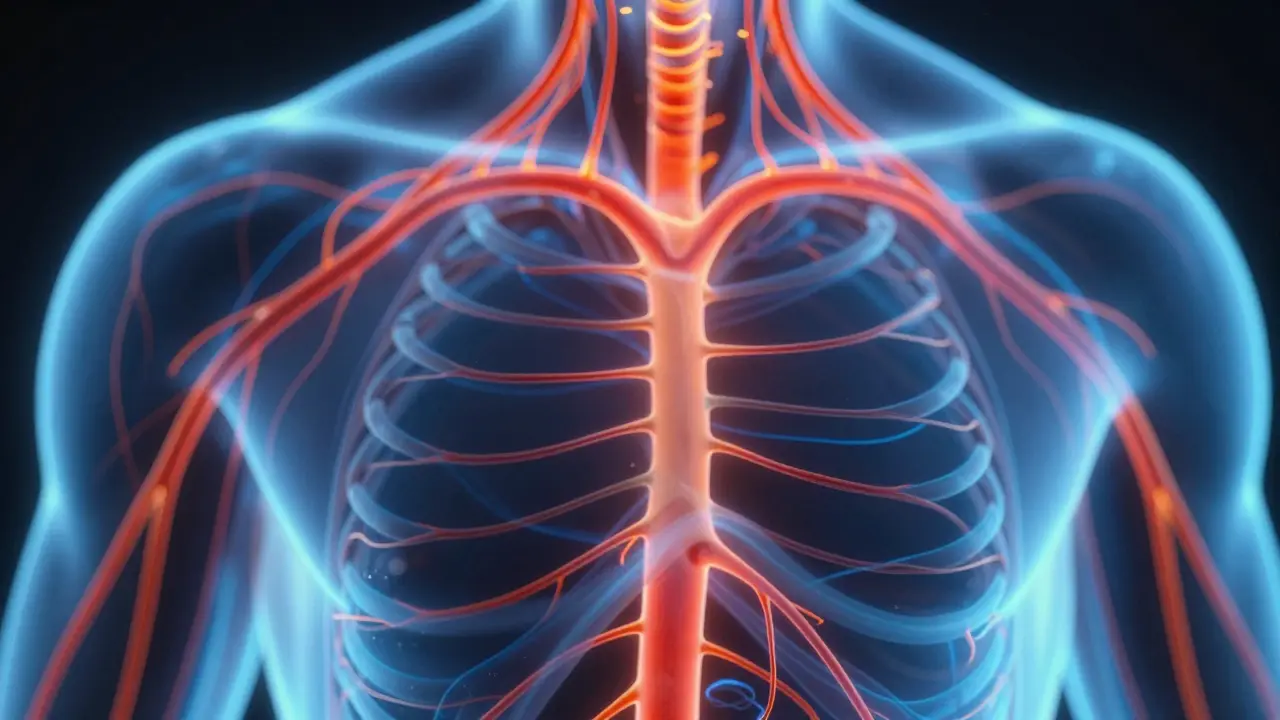
Ever feel your heart racing before a big presentation? Or maybe you’re stuck in traffic, and the frustration is building so fast it feels physical. That’s your body’s alarm system kicking into high gear. It’s not just "stress"; it’s biology. Your sympathetic nervous system-the part responsible for fight-or-flight-is doing exactly what it evolved to do: prepare you to run from a tiger. The problem is, there’s no tiger. There’s just an email from your boss or a deadline looming on Monday.
The good news? You can talk back to that alarm system. You don’t need a vacation or a meditation retreat to reset. You just need the right relaxation techniques. These aren't fluffy wellness trends; they are physiological tools that switch your body from panic mode to calm mode. Let’s look at how to actually use them when things get heated.
Understanding the Physiology of Stress
To master relaxation, you first have to understand what you’re fighting against. When you perceive a threat-real or imagined-your brain triggers a cascade of hormones. Cortisol and adrenaline flood your bloodstream. Your pupils dilate, your muscles tense up, and your breathing becomes shallow. This is useful if you’re dodging a car, but terrible if you’re trying to focus on a spreadsheet.
The goal of any effective technique is to activate the parasympathetic nervous system. Think of this as your body’s brake pedal. It lowers your heart rate, relaxes your muscles, and helps your mind settle down. Most people try to "think" their way out of stress. That rarely works because your thinking brain (the prefrontal cortex) goes offline when stress hits hard. You have to work with your body first to get your head back online.
The Power of Breath Control
Breathing is the remote control for your nervous system. It’s the only part of your autonomic functions that you can consciously manipulate. If you breathe quickly and shallowly, your body thinks you’re running for your life. If you slow it down, you signal safety.
One of the most reliable methods is box breathing. It’s simple, discreet, and used by Navy SEALs to stay cool in high-stakes situations. Here is how you do it:
- Inhale through your nose for a count of four.
- Hold that breath for a count of four.
- Exhale slowly through your mouth for a count of four.
- Hold your empty lungs for a count of four.
Repeat this cycle four times. Notice how your shoulders drop? That’s the vagus nerve getting stimulated. Another great option is the 4-7-8 technique. Inhale for four seconds, hold for seven, and exhale forcefully for eight. The long exhale is key here. It physically forces your heart rate to slow down. Try this next time you feel that tightness in your chest.
Progressive Muscle Relaxation
Sometimes stress hides in your muscles without you realizing it. You might be clenching your jaw, hunching your shoulders, or gripping your mouse too hard. Progressive Muscle Relaxation (PMR) brings this tension to light and then releases it.
The process is straightforward. Start at your toes. Curl them tightly for five seconds, feeling the strain. Then, suddenly release. Pay attention to the difference between the tension and the relaxation. Move up to your calves, thighs, stomach, hands, shoulders, and finally your face. By systematically tensing and releasing each group, you teach your body what "relaxed" actually feels like. It’s particularly helpful if you’ve been sitting at a desk all day and feel stiff and wired.
Mindfulness and Grounding
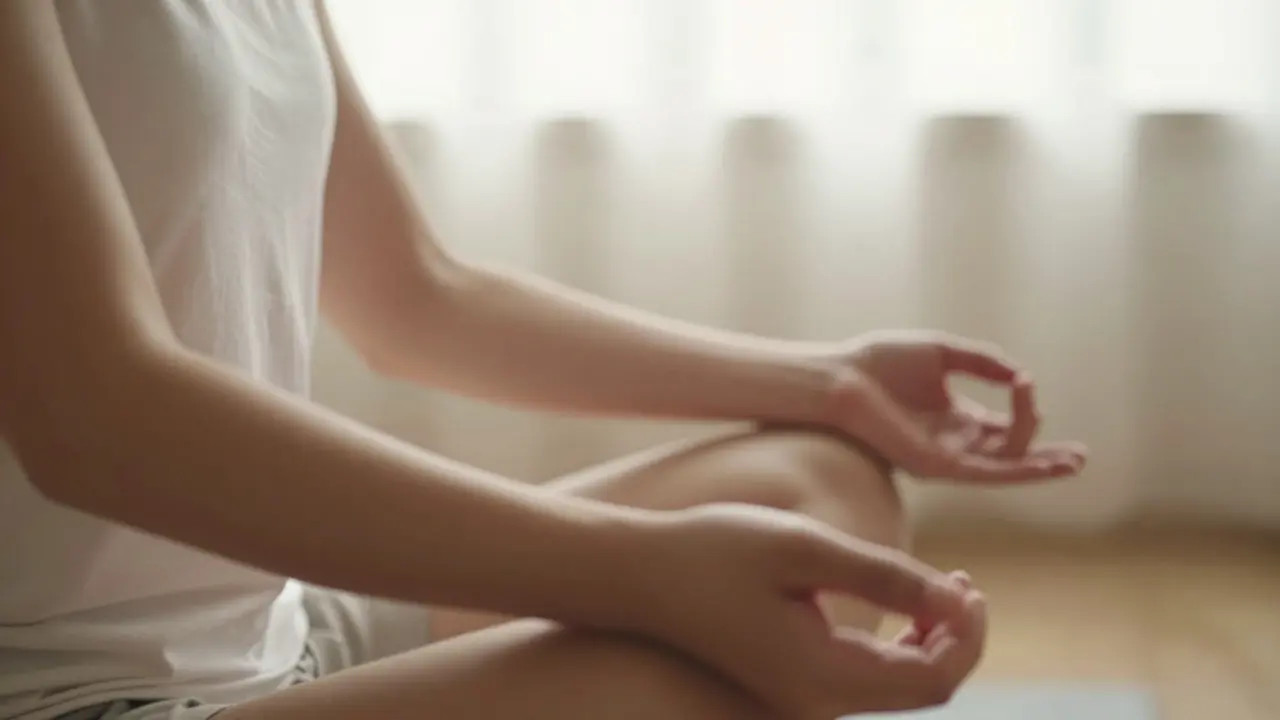
Your mind loves to travel-to the past where you made a mistake, or to the future where everything might go wrong. Mindfulness pulls you back to the present moment. You don’t need to sit cross-legged for an hour to practice this. You can do it while washing dishes or waiting in line.
A powerful tool for acute anxiety is the 5-4-3-2-1 grounding technique. It engages your senses to break the cycle of anxious thoughts:
- Name five things you can see around you.
- Name four things you can physically feel (the fabric of your chair, your feet on the floor).
- Name three things you can hear (traffic, a fan, birds).
- Name two things you can smell.
- Name one thing you can taste.
This forces your brain to shift resources from worrying to processing sensory data. It’s a quick reset button for moments when you feel overwhelmed or dissociated.
The Role of Movement and Nature
Sitting still doesn’t always help. Sometimes, you need to burn off the excess energy that stress produces. A brisk walk can metabolize cortisol and endorphins. You don’t need a gym membership; just moving your body changes your chemistry.
If you can step outside, even better. Research suggests that spending time in green spaces lowers blood pressure and reduces mental fatigue. In Melbourne, we’re lucky to have access to parks like Royal Botanic Gardens or just a local reserve. Sitting under a tree for ten minutes can lower your stress markers more effectively than scrolling through social media. The pattern of nature-fractals in leaves, clouds, water-calms the visual cortex, which in turn calms the rest of the brain.

Creating a Personal Relaxation Toolkit
No single technique works for everyone every time. Some days, deep breathing is enough. Other days, you need a long walk or a hot shower. The key is to build a toolkit.
Start by identifying your triggers. Do you get stressed during meetings? Keep a small stress ball in your pocket to squeeze (a form of tactile grounding). Do you wake up anxious? Try a short guided meditation app session immediately upon waking. Consistency matters more than duration. Two minutes of focused breathing daily is better than twenty minutes once a month.
Also, consider your environment. Noise-canceling headphones can create a bubble of calm in a chaotic office. A specific scent, like lavender or peppermint oil, can trigger a conditioned response of relaxation over time. Train your brain to associate that smell with calm.
Common Pitfalls to Avoid
One big mistake people make is forcing themselves to relax. If you tell yourself, "I must calm down now," you often create more pressure. Instead, aim for acceptance. Acknowledge the stress: "I am feeling anxious right now, and that’s okay." Then gently guide your attention to your breath or surroundings. Judgment fuels stress; curiosity dissolves it.
Another pitfall is relying solely on digital distractions. Scrolling through TikTok or Instagram might numb you temporarily, but it doesn’t regulate your nervous system. It keeps your brain in a state of high stimulation. True relaxation requires a drop in cognitive load, not just a change in input.
How long does it take for relaxation techniques to work?
Physiological changes can happen within minutes. Deep breathing can lower your heart rate in less than two minutes. However, building a habit of resilience takes weeks of consistent practice. The more often you practice these techniques when you are calm, the easier they are to use when you are stressed.
Can I use these techniques at work?
Absolutely. Box breathing and progressive muscle relaxation are subtle enough to do at your desk without anyone noticing. Even shifting your posture and taking three deep breaths before opening an email can change your reaction to it.
Is meditation the same as relaxation?
Not exactly. Meditation is a broader practice of training attention and awareness. Relaxation techniques are specific tools to reduce physiological arousal. You can meditate without relaxing (e.g., observing painful emotions), and you can relax without meditating (e.g., taking a warm bath). They often overlap, but they serve slightly different purposes.
What if I can't stop my mind from wandering?
That’s normal. The goal isn't to stop thoughts; it’s to notice them and return to your anchor (breath, sensation, sound). Every time you bring your focus back, you’re strengthening your mental muscle. Don’t judge yourself for wandering; just gently guide yourself back.
Are there any risks to these techniques?
For most people, these techniques are safe. However, if you have a history of trauma or severe anxiety, certain practices like intense breath-holding or deep visualization might trigger discomfort. If that happens, stop and choose a gentler method like focusing on external sounds or walking. Always consult a healthcare professional if stress significantly impacts your daily life.

Feb 8 2025